
Baby-proofing is an ongoing process of identifying and mitigating hazards from an infant’s perspective. Rather than relying on a single sweep, a systematic room-by-room approach ensures comprehensive home protection. This guide walks you through the essential steps to secure your living spaces, verify your installations, and adapt your safety measures as your child grows and becomes more mobile.
Creating a secure environment requires looking beyond adult eye level to anticipate how a curious, developing child interacts with their surroundings. In tropical environments like the Philippines, unique factors such as high humidity, open-air layouts, concrete walls, and the widespread use of cooling appliances introduce specific safety considerations. By systematically evaluating each room, you can establish a reliable safety baseline that minimizes everyday risks.
While physical barriers and safety devices significantly reduce the likelihood of accidents, they are designed to assist caregivers rather than replace active supervision. No device can guarantee absolute safety, and understanding when to transition or upgrade your setup is key to maintaining a secure home. This structured approach helps you build a practical framework for home protection that adapts to your family’s daily life.
Products mentioned in this guide
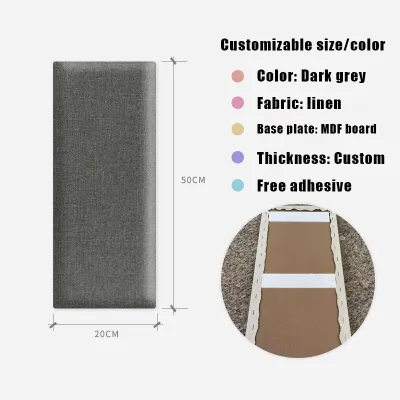



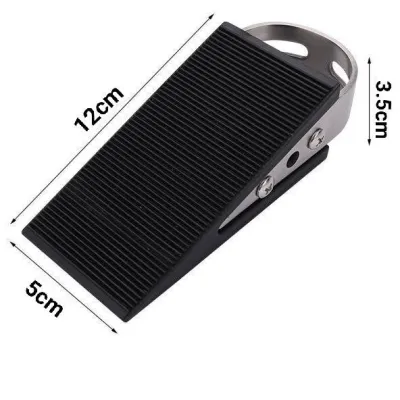
Prices are valid at publication and may change. Please refer to the product page for the latest price.
Gather Essential Tools and Adopt a Baby’s-Eye View
To begin, you must literally change your perspective by getting down on your hands and knees. Crawling on the floor allows you to identify low-level hazards, sharp edges, and accessible cords that are completely invisible from an adult’s standing height. From this vantage point, a loose screw, an exposed outlet, or a dangling tablecloth looks like an inviting handhold or a curious object to explore.
Before purchasing any safety gear, take detailed measurements of your doorways, cabinet faces, and furniture dimensions. Identify the general categories of safety equipment needed, such as cabinet locks, outlet covers, and furniture anchors, based on the specific layout of your home. Keep in mind that tropical humidity can affect how well certain materials adhere, so planning for hardware-mounted options where possible is a highly reliable strategy.
Always check product labels and manufacturer specifications for age limits, weight capacities, and surface compatibility before purchasing or installing any device. A lock designed for lightweight cabinet doors may fail if applied to a heavy drawer, and some adhesives are not rated for textured wood or painted concrete. Taking the time to verify these specifications ensures that your chosen home protection tools perform as intended under daily wear and tear.
Secure the Nursery and Sleeping Areas Against Entrapment
The nursery should be a sanctuary of rest, which makes eliminating sleep-related hazards a top priority. Start by verifying crib safety, checking that the slat spacing is narrow enough to prevent a baby’s head from slipping through, and ensuring the mattress fits snugly against the frame with no gaps. Regularly inspect the crib’s hardware to confirm that screws and brackets remain tight and secure, as natural movement can loosen them over time.

To maintain a clear breathing space, remove all loose bedding, pillows, quilts, bumper pads, and soft toys from the sleep area. Safe sleep guidelines emphasize that a firm, flat mattress covered only by a tight-fitted sheet is the most secure setup for an infant. If you are concerned about temperature control in warmer climates, consider using lightweight, wearable sleep sacks instead of loose blankets.
Heavy furniture poses a severe tip-over risk as infants begin to pull themselves up to stand. Secure dressers, changing tables, and bookshelves to wall studs using appropriate anchoring kits. In homes with concrete or masonry walls, standard drywall screws will not suffice; you must use appropriate masonry anchors and a hammer drill to ensure a permanent, stable hold.
Windows and window coverings require careful attention to prevent falls and strangulation. Keep window blind cords completely out of reach by installing cord cleats high on the wall, or transition entirely to cordless window alternatives. Additionally, position cribs and changing tables far away from windows to prevent an active infant from reaching cords or climbing onto a sill.
Mitigate Burns and Poisoning Risks in the Kitchen
The kitchen is a hub of activity filled with high-heat appliances, sharp tools, and chemical cleaners, making it one of the most challenging areas to secure. Install safety latches on all lower cabinets and drawers containing cleaning supplies, sharp utensils, or breakable items, verifying that the latch mechanism is compatible with your cabinet style. For cabinets housing hazardous chemicals, consider moving those items to high, out-of-reach shelves for an extra layer of protection.
Preventing cooking-related injuries requires both physical barriers and behavioral adjustments. Use stove knob covers to prevent toddlers from turning on burners, and install oven locks to keep heavy appliance doors shut. Establish a strict habit of cooking exclusively on the back burners with pot handles turned inward, away from the edge where little hands might reach up and pull down hot liquids.
Small appliances and waste management also require careful planning. Secure trash cans with locking lids or place them inside latched pantries to prevent access to discarded food and sharp packaging. Keep small appliances like blenders, rice cookers, and electric kettles unplugged when not in use, and push their power cords far back from counter edges so they cannot be pulled down.
Prevent Drowning and Chemical Exposure in Wet Areas
Bathrooms and laundry areas present significant risks involving water and concentrated chemicals. The most critical rule of water safety is absolute: never leave a baby unattended in water, even for a single moment. Whether using a baby bathtub or transitioning to a standard tub, keep your eyes and hands on your child at all times, ignoring distractions like phone calls or doorbells.
To prevent slips and falls on wet tile floors, place high-traction, non-slip mats both inside the tub and on the surrounding floor area. Install secure toilet lid locks to prevent curious toddlers from opening the lid, which poses both a drowning hazard and a sanitary risk. Keep bathroom doors closed and consider installing a high door lock or knob cover to restrict unsupervised access entirely.
Chemical safety in wet areas requires strict storage discipline. Store all medications, cosmetics, and cleaning products in high, locked cabinets, and regularly check labels to ensure child-resistant packaging remains intact. In the laundry area, keep liquid laundry pods and concentrated detergents completely out of sight and reach; their bright colors and squishy textures can easily be mistaken for toys or candy by an inquisitive infant.
Stabilize Furniture and Manage Electronics in Living Spaces
Living rooms are high-traffic zones where families spend most of their active hours, making furniture and electronics stability essential. Cover all unused electrical outlets with sliding safety plates, which automatically close when a plug is removed, offering a more reliable alternative to plastic inserts that toddlers can sometimes pull out. Secure loose power cords behind heavy furniture or run them through protective cord concealers along the baseboards.
Sharp corners on coffee tables, TV stands, and low shelves can cause painful bumps and bruises as babies learn to walk and balance. Apply soft corner and edge bumpers to cushion potential impacts, ensuring the adhesive used is strong enough to withstand constant pulling. If possible, consider temporarily replacing sharp-edged coffee tables with soft, rounded ottomans during your child’s early developmental stages.
As televisions have become lighter and thinner, their risk of tipping over has increased significantly. Anchor flat-screen TVs and heavy media consoles directly to the wall studs or to the back of sturdy furniture using heavy-duty safety straps. Never place a television on a dresser or chest of drawers that a child might attempt to climb, as the shifting weight can cause the entire unit to fall forward.
Identify Often-Missed Hazards and Hidden Dangers
Standard room-by-room checklists can sometimes overlook small, everyday items that pose significant risks. Regularly inspect the floors under sofas, inside rug fibers, and between couch cushions for small objects like coins, paperclips, button batteries, or small magnets. Button batteries and high-powered magnets are particularly dangerous if swallowed, requiring immediate emergency medical evaluation.
Houseplants are another common household feature that requires a safety check. Evaluate your indoor plants for toxicity, as many common decorative species can cause adverse reactions if chewed or ingested. Relocate any toxic plants to high shelves or hanging baskets that are completely inaccessible, or replace them with verified non-toxic varieties.
Staircases and open railings present severe fall hazards that require robust physical barriers. Check your staircase for loose carpeting, missing balusters, or wide gaps that a small child could slip through. Install hardware-mounted safety gates at both the top and bottom of the stairs; pressure-mounted gates are not secure enough for the top of a staircase, as they can slip under heavy pressure.
Verify and Test Your Home Protection Setup
Once your safety devices are installed, it is essential to verify their effectiveness through rigorous testing. Apply physical pulling, shaking, and climbing pressure to safety gates, furniture anchors, and cabinet locks to ensure they hold firm against a toddler’s strength. Remember that children often use their entire body weight to pull on doors or climb shelves, so your installations must be able to withstand realistic force.
Re-read the manufacturer instructions for every safety device to confirm that they were installed correctly and are suitable for your specific surface materials. For example, an adhesive lock that works perfectly on smooth laminate may fail on solid wood with a textured grain. If a device feels loose or fails to latch consistently, remove it and consult the manufacturer or a qualified professional for a more secure alternative.
Home protection is not a set-and-forget task; safety devices can wear out or become loose over time. Schedule regular monthly walk-throughs to check for wear and tear, loose screws, or locks that have been accidentally left disengaged by family members or guests. Keeping a simple checklist can help you systematically verify that every barrier remains fully functional.
Adapt Safety Barriers as Your Child’s Mobility Grows
As your child reaches new developmental milestones, their physical capabilities and curiosity will change, requiring you to adapt your safety barriers. A setup that was perfectly adequate for a crawling infant will need adjustments once your child begins to pull up, climb, and reach higher surfaces. Transition your focus from low-level hazards like floor outlets to higher risks, such as window locks, high cabinet latches, and door knob covers.
Knowing when to remove or adjust safety barriers is just as important as knowing when to install them. For instance, safety gates at the top of stairs should only be removed when your child has consistently demonstrated the ability to navigate stairs safely under direct supervision. Always consult the manufacturer’s guidelines for your specific safety gates, as many models have height or weight limits indicating when they are no longer safe to use.
While physical barriers are essential for early childhood, they should be paired with ongoing safety education. As your child’s understanding develops, begin teaching them about basic safety boundaries and household rules, such as staying away from the stove or asking for help to reach high items. Combining physical protection with clear, consistent guidance helps prepare your child to navigate their environment safely as they grow.
Frequently Asked Questions (FAQ)
At what age should I start baby-proofing my home?
It is highly recommended to start the physical installation of safety barriers before your baby begins crawling, which typically occurs around 6 months of age. However, safe sleep setups and nursery preparations must be in place from day one to ensure a secure environment from the moment you bring your newborn home. Early preparation reduces caregiver stress and ensures that your home protection measures are fully tested and functional before your infant’s mobility develops rapidly and unpredictably.
Are adhesive cabinet locks effective for home protection?
Adhesive cabinet locks can be highly effective for temporary or light-duty use, but their reliability depends heavily on surface preparation and environmental conditions. In humid climates, such as in the Philippines, high moisture levels can cause adhesives to degrade and fail over time, especially on painted surfaces or textured wood. Always check the manufacturer’s weight and pull-force limits before installation, and consider hardware-mounted locks for heavy drawers or cabinets containing high-risk items like cleaning chemicals or sharp tools.
Community discussion
Share your experience or ask a question. Comments are reviewed before publication.