
Applying Tiny Buds stick-on patches to your baby’s clothing is a straightforward process that helps provide a supplementary layer of protection against mosquitoes. To apply them correctly, you must carefully peel the patch from its backing, place it on a strategic area of the baby’s outer clothing—such as the upper back collar, sleeve, or lower hem—press it down firmly to ensure it adheres, and wash your hands thoroughly immediately afterward. These aromatic patches work by releasing plant-based scents that mask the natural odors babies emit, making it harder for mosquitoes to locate them.
In tropical environments like the Philippines, where high humidity and seasonal rains create ideal breeding conditions for mosquitoes, safeguarding infants from insect bites is a constant priority. Because newborn skin is incredibly delicate and sensitive, direct application of topical chemical repellents is often not recommended for the youngest infants. This makes non-contact options, such as stick-on patches, a popular choice for parents looking to add an extra layer of defense during outdoor strolls or nap times. However, these patches must be handled and applied with care to maximize their utility and ensure your baby’s safety.
Understanding Stick-On Mosquito Patches for Babies
To use these patches effectively, it helps to understand how they function. Mosquitoes are attracted to hosts by sensing carbon dioxide, body heat, and lactic acid emitted through the skin and breath. Stick-on patches typically contain natural, plant-based essential oils, such as citronella, which release a continuous scent into the immediate surrounding air. This aroma works by temporarily masking the baby’s natural scent profile, confusing the sensory receptors of nearby insects and discouraging them from landing.
Products mentioned in this guide
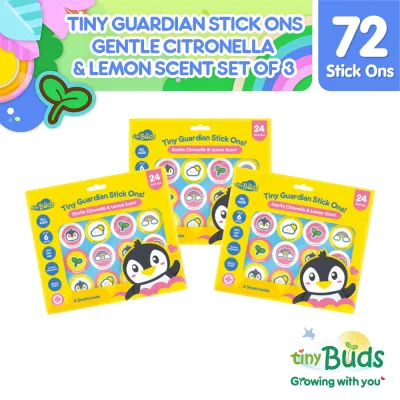
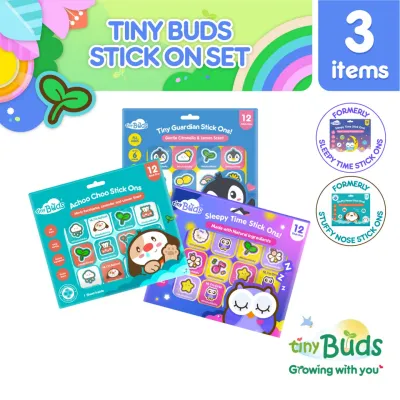
Prices are valid at publication and may change. Please refer to the product page for the latest price.
When preparing to use these products, always inspect the specific Tiny Buds packaging to verify the active ingredients, recommended age limits, and the manufacturer’s stated duration of effectiveness. Different product lines may use varying oil concentrations, which can affect how long the scent remains active. It is also vital to remember that aromatic patches are a supplementary measure; they do not create an absolute physical barrier or guarantee complete protection against dengue-carrying mosquitoes. They should always be viewed as one part of a multi-layered defense strategy.
Pre-Application Checks for Baby Safety
Before peeling open a new patch, take a few moments to perform essential safety and quality checks. Start by examining the product packaging for the expiration date and any specific manufacturer warnings. Essential oils can degrade and lose their potency over time, especially if the packaging has been exposed to direct sunlight or high heat. Ensuring the product is fresh guarantees that the scent will perform as intended.

Next, assess your baby’s current physical condition. Even though the patch does not touch the skin directly, the active ingredients are aromatic and will be inhaled by the infant. If your baby has a history of respiratory sensitivities, asthma, or is currently recovering from a cold, consult your pediatrician before introducing any scented products into their environment. Additionally, check the baby’s skin for any pre-existing rashes or irritation, which could be exacerbated if the baby rubs against the patch and then touches their face.
Finally, select the right clothing items for application. The patches adhere best to dry, clean fabrics. Avoid garments that have been heavily treated with fabric softeners or starch, as these can leave a residue that prevents the adhesive from bonding securely. Choose outer layers of clothing, socks, or even stroller fabric rather than undergarments, ensuring the patch remains exposed to the air to allow the scent to disperse properly.
Step-by-Step Application Guide
Proper application ensures the patch remains secure and releases its scent effectively without posing a hazard to your child. Follow these steps carefully every time you use a patch.
Step 1: Open the resealable pouch and carefully peel a single patch from the backing sheet. Try to handle the patch only by its edges. Avoid touching the sticky adhesive backing excessively, as oils from your fingers can weaken the glue. Similarly, avoid touching the front of the patch where the active essential oils are concentrated, as this can transfer the oils to your skin and reduce the patch’s overall lifespan. Immediately reseal the pouch to keep the remaining patches fresh.
Step 2: Identify a strategic placement area on your baby’s clothing or gear. The golden rule of placement is to keep the patch out of the baby’s direct line of sight and reach. Excellent locations include the upper back of the shirt collar, the outer shoulder area, or the lower hem of their pants or socks. If your baby is very active or prone to pulling at their clothes, placing the patch on the back of their clothing is highly recommended. For infants resting in a stroller or carrier, you can apply the patch directly to the stroller canopy, the fabric safety bar, or the underside of the sunshade.
Step 3: Press the patch firmly onto the selected fabric surface. Use your fingers to smooth out the edges, ensuring there are no loose corners or air bubbles. A securely bonded patch is much harder for a baby to accidentally peel off or for friction to dislodge. This step is crucial because a loose patch can easily be picked up by a curious baby, presenting a serious choking hazard if placed in the mouth.
Step 4: Wash your hands thoroughly with soap and water immediately after completing the application. Essential oils can easily transfer to your fingertips during the peeling and pressing process. If you touch your eyes, face, or your baby’s sensitive skin before washing your hands, it can cause a stinging sensation or localized irritation. Thorough handwashing also ensures you do not accidentally transfer any residue to your baby’s pacifier, bottles, or toys.
Safety Precautions and When to Remove
While stick-on patches are designed to be a gentle, non-contact alternative to topical sprays, parents must remain vigilant during use. Never apply these patches directly to your baby’s skin. The concentrated essential oils are formulated to disperse into the air from fabric; direct skin contact can lead to localized irritation or allergic reactions, especially on an infant’s highly sensitive skin barrier.
As your baby wears the patch, monitor their behavior and breathing closely. If you notice any signs of respiratory discomfort, such as sudden coughing, sneezing, watery eyes, or unusual fussiness, remove the patch immediately and move the baby to a well-ventilated area with fresh air. Some infants are more sensitive to strong aromas than others, and what seems like a mild scent to an adult can feel overwhelming to a baby’s developing sensory system.
You must also remove and discard the patch immediately under several specific conditions. If the patch begins to peel at the edges, becomes wet from sweat or rain, or if the baby shows any interest in reaching for it, take it off right away. Always remove the patch before washing the baby’s clothes, as running a patch through the washing machine can ruin the fabric and leave adhesive residue that is difficult to clean. If you are ever unsure about using aromatic products around your infant, or if your baby exhibits an adverse reaction, stop use immediately and consult a qualified pediatrician.
Complementary Dengue Protection Strategies
Relying solely on stick-on patches is not enough to protect your baby from dengue. The mosquito species that transmit the dengue virus are highly aggressive daytime biters that thrive in tropical climates. To provide comprehensive protection, parents must implement a multi-layered defense strategy that combines physical barriers, environmental controls, and safe product usage.
First, utilize physical barriers whenever possible. When your baby is sleeping or resting indoors, place a tightly woven mosquito net over their crib or playpen. Ensure the net is tucked in securely and has no tears or gaps. When going outdoors, use a matching mosquito net designed to fit over your stroller or infant car seat. This physical barrier is the most reliable way to prevent insects from reaching your baby’s skin without relying on chemicals or scents.
Second, dress your baby in protective clothing. Opt for loose-fitting, light-colored, long-sleeved shirts and long pants. Light colors are less attractive to mosquitoes, which are naturally drawn to dark, heat-absorbing shades. Loose clothing also makes it much harder for mosquitoes to bite through the fabric to reach the skin.
Third, actively manage your home environment to eliminate mosquito breeding grounds. Mosquitoes lay their eggs in clean, stagnant water. Regularly inspect your home and yard, emptying and cleaning flower pot saucers, pet water bowls, gutters, and any open containers that can collect rainwater. By reducing the local mosquito population at the source, you significantly lower the risk of exposure for your entire family. Finally, if you plan to travel to areas with high dengue transmission rates, consult your pediatrician to discuss age-appropriate, clinically tested topical repellents that are safe for your baby’s specific developmental stage.
Frequently Asked Questions (FAQ)
Can I stick the patches directly on my baby's skin?
No, you should never apply stick-on patches directly to your baby’s skin. These patches are specifically formulated for application on clothing, strollers, and other gear. The essential oils embedded in the patch are highly concentrated, and direct contact with an infant’s delicate skin can cause redness, itching, or chemical irritation. Furthermore, placing a patch directly on the skin makes it much easier for a baby to peel off, creating a significant choking hazard if they put it in their mouth.
How many patches should I use at one time?
Always consult the specific instructions on your Tiny Buds packaging to determine the recommended number of patches. Generally, using one or two patches at a time is sufficient to provide a localized scent barrier. For example, you might place one patch on the upper shoulder of their shirt and another on the lower hem of their pants or stroller frame. Avoid using an excessive number of patches simultaneously, as over-saturating your baby’s immediate environment with strong essential oil scents can irritate their sensitive respiratory tract and cause discomfort.
Are stick-on patches enough to prevent dengue?
No, stick-on patches are not a standalone solution for preventing dengue. While they are a helpful, non-contact tool to deter mosquitoes by masking human scents, they do not offer absolute protection against aggressive disease vectors. To safeguard your baby effectively, you must combine these patches with other proven preventive measures. This includes using physical mosquito nets over cribs and strollers, dressing your baby in light-colored, long-sleeved clothing, and actively eliminating stagnant water sources around your home to prevent mosquito breeding.
Community discussion
Share your experience or ask a question. Comments are reviewed before publication.