
Applying Sudocrem correctly requires a gentle touch, a clean canvas, and a surprisingly small amount of product. To protect your baby’s delicate skin, the cream should be applied in a thin, translucent layer that acts as a protective barrier against moisture and irritants. In warm, humid climates like the Philippines, managing diaper rash is a constant task for parents, as sweat and trapped moisture can quickly irritate a baby’s skin. Understanding the precise steps of cleaning, drying, and applying this barrier cream ensures your baby remains comfortable and free from painful chafing.
Understanding When to Use Sudocrem for Prevention or Treatment
Distinguishing between daily prevention and active treatment is the first step in managing your baby’s skin health. When used as a preventive measure, the goal is to create an invisible shield that blocks wetness from urine and stool. This requires a very sparse application during routine diaper changes, especially before long periods of sleep when the diaper is worn for several hours.
For active treatment of an existing rash, the application changes slightly. You will want to focus the cream directly on the reddened, irritated areas to soothe the skin and protect it from further contact with moisture. However, even during active treatment, the cream should not be piled on thickly.
Products mentioned in this guide
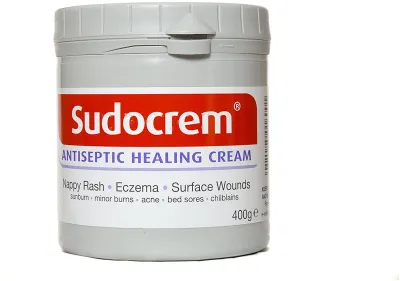

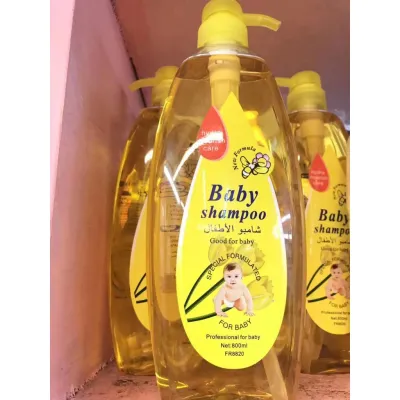
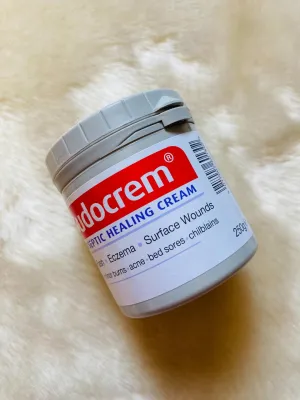

Prices are valid at publication and may change. Please refer to the product page for the latest price.
Before applying any product, always inspect your baby’s skin condition. Look for mild pinkness or dry patches that signal the start of irritation. Additionally, check the product label and manufacturer instructions on your specific tub or tube of Sudocrem. Different formulations may have specific age guidelines, ingredient concentrations, or usage restrictions that you must verify to ensure compatibility with your baby’s developmental stage.
Gathering Your Supplies for a Smooth Diaper Change
A smooth diaper change relies on preparation. Having all your supplies within arm’s reach prevents you from having to leave your baby unattended on a changing table, which is a critical safety hazard. Before you begin, gather fresh diapers, gentle baby wipes or a basin of warm water, and soft, clean drying cloths.

In tropical environments, ensuring the changing area is well-ventilated but free from direct, chilly drafts from air conditioning units helps keep your baby comfortable. Lay down a clean, padded changing mat that can be easily wiped down afterward.
Caregiver hygiene is just as important as the baby’s cleanliness. Wash your hands thoroughly with soap and water before touching any of the supplies or your baby’s skin. This simple step prevents the transfer of external bacteria to already vulnerable skin. Keep a hand sanitizer nearby for quick use, but rely on soap and water as your primary defense.
Step-by-Step Guide to Applying Sudocrem Correctly
To maximize the protective qualities of the cream, follow a structured, gentle application routine during each diaper change.
Step 1: Clean the diaper area gently. Start by removing the soiled diaper and wiping away any residue. Use a soft cloth dampened with warm water or alcohol-free, fragrance-free baby wipes. Avoid rubbing or scrubbing the skin, as friction can worsen existing irritation and damage the delicate skin barrier. Wipe from front to back, especially for baby girls, to prevent the spread of bacteria.
Step 2: Dry the skin completely. Moisture is the primary trigger for diaper rash, particularly in humid climates. After cleaning, allow the skin to air dry for a few minutes if possible. Alternatively, use a clean, dry towel to pat the skin gently. Pay close attention to the deep folds of the thighs and buttocks, as trapped moisture in these creases can quickly lead to chafing and fungal growth.
Step 3: Scoop a small amount of cream. Clean your hands once more, then take a small, pea-sized amount of Sudocrem on your fingertip. Because the cream is highly concentrated, a tiny amount goes a long way. Using too much product does not offer extra protection and can make cleanup more difficult during the next change.
Step 4: Spread a thin, even layer. Gently smooth the cream over the vulnerable or affected areas in a light, circular motion. The goal is to create a thin, translucent film on the skin. You should still be able to see the baby’s skin through the cream. Do not rub the cream in completely like a moisturizing lotion; it is designed to sit on the surface of the skin to act as a physical barrier against wetness.
Common Mistakes to Avoid During Application
One of the most frequent mistakes parents make is applying an excessively thick, white layer of cream. Many believe that a thicker layer provides better protection, but the opposite is often true. A heavy buildup of zinc-based cream can trap moisture underneath it, sealing wetness against the skin and exacerbating the rash. Furthermore, thick layers can clog the pores of disposable diapers, reducing their absorbency and causing leaks.
Another mistake is rubbing the cream aggressively into the skin. Diaper rash makes the skin highly sensitive and painful to the touch. Vigorous rubbing can cause micro-tears in the skin barrier, increasing discomfort and making the area more susceptible to infection.
Lastly, never apply the cream over damp, wet, or unclean skin. Doing so traps moisture and residual bacteria or yeast directly against the baby’s body. Always ensure the skin is completely clean and dry before laying down the protective barrier.
When to Stop Application and Consult a Pediatrician
While barrier creams are highly effective for standard diaper rash, some skin conditions require professional medical intervention. Parents must monitor the rash closely to identify when home care is no longer sufficient.
Stop using the cream and consult a pediatrician immediately if you observe signs of a potential infection. These signs include blistering, oozing yellow fluid, swelling, bleeding, or a bright red rash that spreads rapidly beyond the diaper area. A rash accompanied by a fever or extreme lethargy in your baby also demands immediate medical evaluation.
If the diaper rash does not show any signs of improvement after a few days of consistent, correct application, it may be a sign of a yeast infection or an allergic reaction. Yeast infections thrive in warm, moist diaper environments and require specific antifungal treatments that standard barrier creams cannot resolve. Additionally, if you notice increased redness, swelling, or signs of discomfort immediately after applying the cream, your baby may be sensitive to one of the ingredients. Discontinue use and seek professional advice to find an alternative solution.
Frequently Asked Questions (FAQ)
Can I use Sudocrem on my baby's face or other body parts?
Always check the specific product label and manufacturer guidelines before applying the cream to areas outside the diaper region. While some formulations are approved for minor skin irritations on other parts of the body, you must strictly avoid applying it near the eyes, nose, mouth, or on deeply broken skin. If your baby has facial scratches or drool rash, consult your pediatrician for recommended treatments suitable for sensitive facial skin.
How do I remove Sudocrem buildup from the skin?
Because barrier creams are designed to resist moisture, they can be difficult to wash away with water alone. To remove stubborn residue during a diaper change, apply a small amount of gentle baby oil or a mineral-oil-based wipe to a soft cloth. Gently wipe the area to lift the cream without scrubbing. Once the residue is lifted, clean the skin with warm water and pat dry before applying a fresh, thin layer.
Is it safe to use Sudocrem with cloth diapers?
Standard barrier creams containing zinc oxide or petroleum can leave a greasy residue on cloth diapers, which may clog the fabric fibers over time. This buildup can severely reduce the absorbency of the diapers, leading to leaks and trapped moisture. If you use cloth diapers, check the manufacturer’s care guidelines. You may need to use a disposable diaper liner to protect the fabric, or switch to a cloth-safe barrier alternative during treatment periods.
Community discussion
Share your experience or ask a question. Comments are reviewed before publication.