
Diaper rash is a common concern for parents in the Philippines, where the tropical climate, high humidity, and heat can quickly irritate a baby’s delicate skin. Managing a baby’s skin health in a warm climate requires a systematic approach to cleaning, drying, and barrier protection. To prevent diaper rash effectively, you must apply a thin, even layer of drapolene cream onto completely dry skin during diaper changes, especially before long sleep intervals. This creates a reliable barrier against moisture and biological irritants while maintaining the skin’s natural integrity.
In the Philippines, the combination of sweat and diaper friction can accelerate skin breakdown. When moisture is trapped inside a diaper, the skin becomes soft and vulnerable to chafing. Understanding how to apply barrier creams correctly is one of the most practical skills a caregiver can master to keep their baby comfortable and rash-free.
Why Drapolene Cream Works for Diaper Rash Prevention
Diaper rash, or diaper dermatitis, primarily develops when a baby’s sensitive skin is exposed to prolonged moisture, friction from diaper movement, and chemical irritants present in urine and stool. In a warm and humid environment, these factors are amplified, weakening the skin’s outer protective layer. When the skin barrier is compromised, it becomes highly susceptible to redness, chafing, and secondary infections.
Products mentioned in this guide
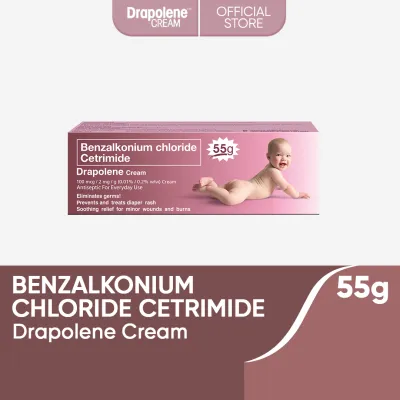
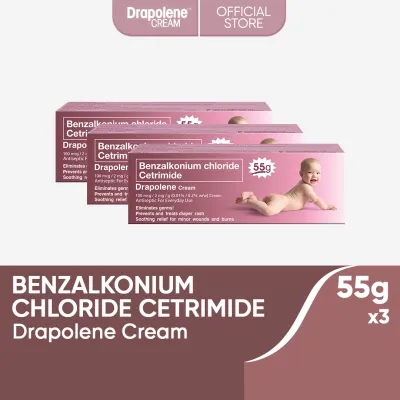

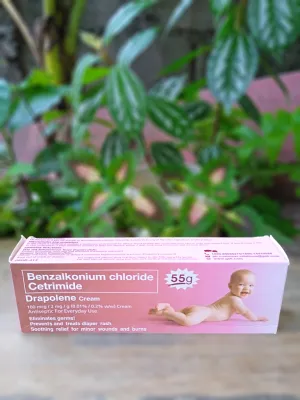
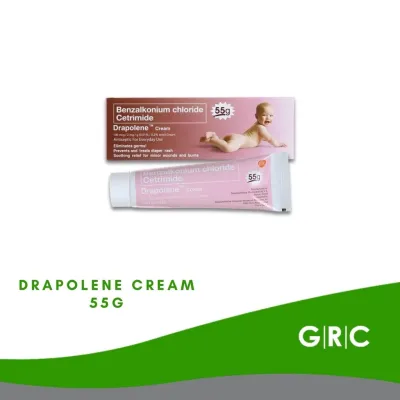
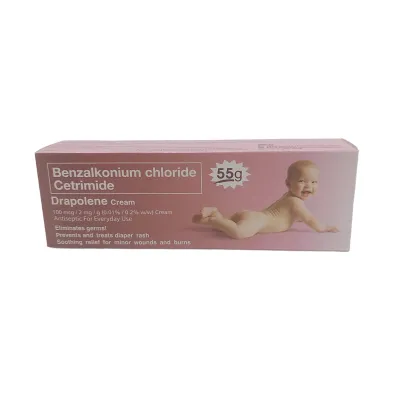
Prices are valid at publication and may change. Please refer to the product page for the latest price.
A barrier cream like drapolene cream functions by establishing a physical shield over the epidermis. This protective layer prevents acidic waste products, ammonia from stale urine, and digestive enzymes from stool from making direct contact with the skin. By preventing these irritants from penetrating the skin, the cream allows the skin to heal and remain intact.
However, while the cream provides an essential defensive barrier, it is not a standalone cure-all. For true prevention, you must pair the application of any barrier cream with strict hygiene practices and frequent diaper changes. No product can fully protect the skin if a soiled diaper is left on for an extended period.
Gathering Your Supplies for a Smooth Diaper Change
Before you begin changing your baby, it is essential to have all necessary items prepared and within arm’s reach. This preparation ensures you do not have to leave your baby unattended on a changing table or bed, which is a critical safety hazard. A baby can roll over in a split second, so keeping your hands on or near them at all times is paramount.

Keep your changing station organized with the following essentials:
- A fresh, clean diaper of the appropriate size and absorbency.
- A tube of drapolene cream.
- Gentle cleaning materials, such as lukewarm water and soft cotton cloths, or fragrance-free, alcohol-free baby wipes.
- A dry, clean towel for patting the skin dry.
- A clean change of clothes, just in case of unexpected leaks.
In the humid Philippine climate, keeping your supplies in a dry, well-ventilated area prevents mold and dust accumulation on your baby’s items. Having these supplies arranged beforehand streamlines the process, reducing the time your baby’s skin is exposed to open air or left soiled.
Step-by-Step Guide to Applying Drapolene Cream
Establishing a consistent, gentle routine during diaper changes is vital to minimizing friction and preventing skin irritation. The effectiveness of drapolene cream depends heavily on how well you prepare the skin before applying the product. Skipping steps or rushing through the cleaning process can trap harmful bacteria and moisture beneath the barrier cream, defeating its preventive purpose.
Step 1: Clean the Area Gently but Thoroughly
The first step in preventing diaper rash is removing all traces of urine and stool, which contain enzymes that break down skin proteins. Always wipe from front to back, particularly for baby girls, to prevent the transfer of fecal bacteria to the urinary tract. This simple practice is crucial for preventing urinary tract infections.
Use gentle patting or dabbing motions rather than dragging or rubbing wipes across the skin. Harsh friction can cause microscopic tears in the delicate skin barrier, making it more vulnerable to infection and rash. If your baby has a heavily soiled diaper, skip commercial wipes entirely; instead, use lukewarm water and a soft cotton cloth to wash the area gently. This minimizes friction and ensures a cleaner surface without stripping the skin’s natural oils.
Step 2: Pat Dry Completely Before Application
Applying a barrier cream over damp skin is a common mistake that can actually trigger or worsen diaper rash. Because barrier creams are designed to repel water, applying them to wet skin traps that moisture directly against the epidermis, leading to skin maceration, irritation, and a higher risk of fungal infections.
Gently pat the skin dry with a clean, soft towel, or allow the baby to air-dry for a few minutes. Pay close attention to the deep skin folds around the groin, thighs, and buttocks, as moisture easily accumulates in these creases, especially in humid tropical weather. Allowing your baby some “diaper-free time” to air-dry naturally is an excellent way to ensure the skin is completely moisture-free before you apply the cream.
Step 3: Apply a Thin, Protective Layer
Once the skin is completely dry, squeeze a small amount of drapolene cream onto your clean fingertips. You only need a thin, translucent layer to provide effective protection; applying a thick, heavy paste is unnecessary and can clog the diaper’s fibers, reducing its ability to absorb liquid.
Gently spread the cream over all areas that come into contact with the diaper, including the genitals, buttocks, and the creases of the thighs. Focus on areas where friction is most common, such as where the diaper elastic meets the skin. Always wash your hands thoroughly with soap and water both before you start the diaper change and immediately after you finish to prevent the spread of bacteria.
Step 4: Secure a Clean, Breathable Diaper
After applying the cream, place a fresh diaper under your baby. Fasten the diaper snugly enough to prevent leaks, but avoid pulling the tabs too tight, as some airflow is necessary to minimize heat and humidity buildup inside the diaper.
Ensure the absorbent core of the diaper is flat and properly positioned against the skin. This allows the diaper to efficiently wick moisture away from the baby’s body, complementing the protective barrier provided by the cream. If you notice red marks on your baby’s thighs or waist, it may be a sign that the diaper is too tight or that it is time to size up to a larger, more breathable option.
Determining the Right Application Frequency
Knowing how often to apply drapolene cream depends on your baby’s current skin condition and daily routine. During periods when your baby is prone to rashes—such as during teething, dietary changes, or bouts of diarrhea—applying a thin layer of cream at every single diaper change is highly recommended.
If your baby’s skin is healthy, clear, and dry, you can adjust the frequency. In these cases, you might limit application to specific times of high risk, such as before nighttime sleep or when you anticipate longer intervals between changes, such as during travel or outdoor activities.
The nighttime change is the most critical period for rash prevention. Because infants sleep for longer stretches, their skin remains in contact with moisture for extended periods, making a reliable barrier cream essential before bedtime. Applying a slightly more generous layer before putting your baby to bed can help protect their skin throughout the night.
Common Application Mistakes That Worsen Diaper Rash
Even with the best intentions, certain practices can inadvertently damage your baby’s skin or render the barrier cream ineffective.
- Trapping Moisture: Applying cream onto skin that is still damp or failing to clean away old, soiled cream before reapplying traps moisture and bacteria against the skin, which can lead to rapid irritation.
- Over-Scrubbing: If the previous layer of cream is clean and unsoiled, do not try to scrub it off completely during a diaper change. Vigorous scrubbing strips the skin's natural lipids and causes physical irritation.
- Relying Solely on Cream: No barrier cream can compensate for a soiled diaper left on too long. Frequent changes remain the primary defense against diaper dermatitis.
- Using Irritating Products: Scented soaps, bubble baths, and wipes containing alcohol or artificial fragrances can irritate sensitive skin and counteract the soothing properties of the cream. Avoid using traditional talcum powders (pulbos) alongside barrier creams, as they can clump together, trap moisture, and cause inhalation hazards for the baby.
Safety Boundaries: When to Seek Medical Advice
Drapolene cream is formulated for mild skin irritation and daily prevention, but it is not a treatment for severe, persistent, or infected skin conditions. Parents must be able to recognize when home care is no longer sufficient and professional medical intervention is required.
You must consult a pediatrician or qualified healthcare professional if you observe any of the following warning signs:
- A diaper rash that worsens, spreads, or does not improve after two to three days of consistent care.
- The presence of blisters, pus-filled bumps, open ulcers, bleeding, or oozing sores, which may indicate a secondary bacterial or fungal infection.
- Systemic symptoms, such as your baby developing a fever, appearing unusually irritable, lethargic, or showing signs of severe pain during diaper changes.
Additionally, check the product packaging for specific manufacturer warnings and ingredient lists to rule out known sensitivities. If you notice signs of an allergic reaction—such as immediate redness, swelling, or hives after application—stop using the product immediately and seek professional medical advice.
Frequently Asked Questions (FAQ)
Can I use Drapolene cream on newborns?
Always consult the product packaging for specific age recommendations and manufacturer warnings before use. Because a newborn’s skin is exceptionally thin, highly permeable, and sensitive, it is best to consult your pediatrician before introducing any new topical products to their daily skincare routine. They can provide guidance tailored to your newborn’s specific skin needs.
Should I wipe off the old cream before applying a new layer?
If the existing layer of cream is clean and only exposed to urine, you do not need to scrub it off. Simply pat the area dry and apply a fresh, thin layer over it. However, if the old cream is contaminated with stool, you must gently clean it away entirely using lukewarm water and a soft cloth before applying a clean layer to prevent trapping bacteria against the skin.
Community discussion
Share your experience or ask a question. Comments are reviewed before publication.