
Preventing diaper rash is a top priority for parents, especially in a tropical climate like the Philippines where high heat and humidity can quickly irritate a baby’s delicate skin. To apply Bepanthen Baby Ointment correctly, you must clean and dry the diaper area thoroughly, apply a thin, even pea-sized layer of the ointment at every diaper change, and let it sit on the skin’s surface without rubbing it in. This simple routine creates a reliable barrier that shields your baby’s skin from the primary causes of diaper rash.
Using a high-quality barrier ointment is one of the most effective ways to maintain skin integrity. However, the effectiveness of the product depends heavily on your application technique. By understanding how to prepare the skin, how much product to use, and how often to reapply, you can keep your baby comfortable, dry, and free from painful irritation.
Understanding the Role of Bepanthen Baby Ointment
To protect your baby’s skin effectively, it helps to understand how barrier ointments function. Unlike standard moisturizing lotions that are designed to absorb completely into the skin, a barrier ointment is formulated to sit on the surface. This creates a physical shield that prevents moisture, friction, and chemical irritants from making direct contact with the skin.
Products mentioned in this guide
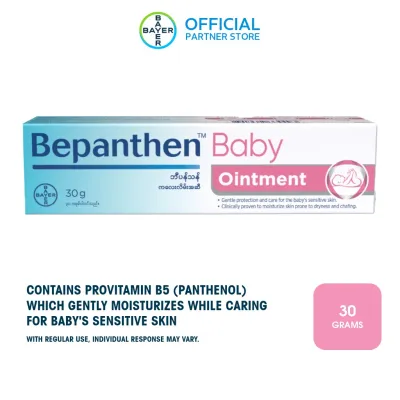
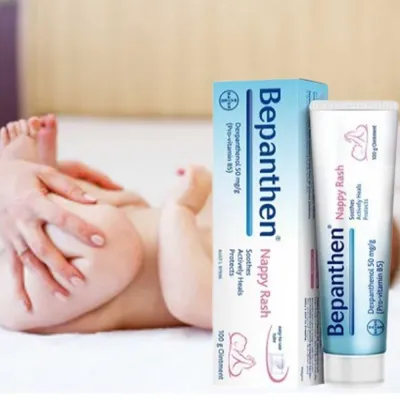
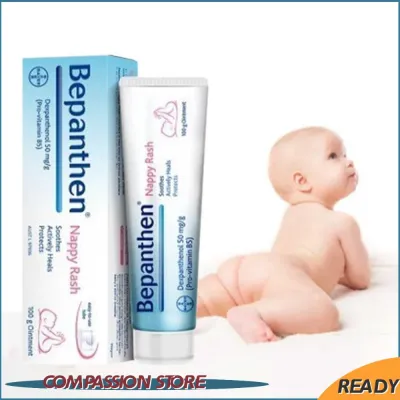

Prices are valid at publication and may change. Please refer to the product page for the latest price.
In a baby’s diaper, skin is constantly exposed to urine and stool. When these waste products break down, they release ammonia, which raises the pH level of the skin. This elevated pH activates digestive enzymes present in stool, leading to rapid skin breakdown and severe irritation. A protective layer of Bepanthen Baby Ointment acts as a defensive wall, blocking these harsh enzymes and moisture from penetrating the delicate outer layer of your baby’s skin.
It is important to clarify that Bepanthen Baby Ointment is formulated for daily protective use to help prevent diaper rash from occurring in the first place. It is not designed to treat severe, pre-existing medical conditions or deep infections. Using it consistently during daily diaper changes helps maintain the natural skin barrier, keeping the skin soft and resilient against everyday friction.
Before applying the ointment for the first time, always read the product label carefully. Verifying the ingredient list ensures that the formulation aligns with your baby’s specific skin needs and does not contain any components your baby might be sensitive to. Familiarizing yourself with the manufacturer’s instructions will help you get the best results from the product.
Preparing for a Safe Diaper Change
A successful and stress-free diaper change begins with proper preparation. Having all your materials ready beforehand prevents unnecessary delays and ensures that you can maintain constant focus on your baby’s safety. In a warm and humid environment, keeping the changing process quick and hygienic is key to preventing skin irritation.

Before you begin, gather all the essential supplies and place them within arm’s reach of your changing area. You will need:
- A fresh, clean diaper of the correct size.
- Gentle, alcohol-free baby wipes or a bowl of warm water with soft cotton balls.
- A clean, soft dry towel.
- A tube of Bepanthen Baby Ointment.
Next, prepare a safe, flat changing surface. This can be a dedicated changing table, a clean mat on the floor, or a secure spot on a bed. Wash your hands thoroughly with soap and water before you touch your baby or the ointment tube. This simple hygiene step is crucial for preventing the transfer of bacteria from your hands to your baby’s sensitive skin.
Never leave your baby unattended on an elevated changing surface, even for a split second. Babies can roll over unexpectedly, leading to accidental falls. By keeping all your supplies close at hand, you will never have to step away or turn your back, ensuring your baby remains safe and secure throughout the entire process.
Step-by-Step Application Guide
Applying the ointment correctly ensures that your baby’s skin receives maximum protection without unnecessary friction. Follow these clear, sequential steps during every diaper change to establish a highly effective protective barrier.
Step 1: Clean and Dry the Skin Thoroughly
The first and most critical step is ensuring the skin is completely clean and dry. Gently wipe the entire diaper area using your gentle wipes or cotton balls soaked in warm water. Always wipe from front to back, especially for baby girls, to prevent the transfer of bacteria from the stool to the urinary tract.
Once the skin is clean, pat it dry very gently with a soft towel. Avoid rubbing the skin, as friction can cause micro-tears in the delicate skin barrier, making it more vulnerable to irritation. If time permits, let your baby air dry for a few moments. In the Philippines, letting your baby have some “presko” (aired-out) time without a diaper is a highly recommended practice to ensure no moisture is trapped.
Important Warning: Never apply Bepanthen Baby Ointment over damp or wet skin. Because barrier ointments are highly effective at blocking moisture, applying them to wet skin will trap that moisture directly against your baby’s body. This trapped wetness can cause the skin to soften excessively and break down, which can quickly trigger or worsen diaper rash.
Step 2: Apply a Thin, Even Layer
Once the skin is completely dry, you can apply the ointment. Squeeze a small, pea-sized amount of Bepanthen Baby Ointment onto your clean finger. A little goes a long way, and you do not need to use a large amount of product to achieve excellent protection.
Gently spread the ointment in a thin, even layer over the areas that come into direct contact with the diaper. Pay close attention to the buttocks, the groin folds, and the lower belly where the edges of the diaper sit. These are the areas most prone to friction and wetness.
Do not rub the ointment vigorously into the skin. Unlike a standard moisturizing cream, a barrier ointment is designed to sit on top of the skin as a protective shield. Gently gliding your finger over the skin to distribute the product evenly is all that is required to create an effective barrier.
Step 3: Put on a Clean Diaper
With the protective barrier in place, you can now secure a fresh diaper. Place the diaper under your baby and fasten the tabs. Ensure the diaper is snug enough to prevent leaks, but not too tight. A diaper that is fastened too tightly restricts airflow and increases friction against the skin, which can lead to chafing and heat rash in warm weather.
As a general rule, you should be able to comfortably slide two fingers between the diaper waistband and your baby’s belly. This small gap allows for essential airflow, helping to keep the skin cool and dry. Once the diaper is securely fastened, dress your baby in loose, breathable clothing.
Immediately after completing the diaper change, wash your hands thoroughly with soap and warm water. This cleanses any remaining ointment from your hands and maintains excellent hygiene for the rest of your daily activities.
Best Practices for Application Frequency
To keep diaper rash at bay, consistency is the most important factor. Applying a barrier ointment sporadically will not provide continuous protection. You must maintain the moisture barrier consistently to prevent skin breakdown, especially during times when your baby’s skin is under increased stress.
If your baby is highly prone to diaper rash, or if they are currently experiencing mild redness, it is best to apply Bepanthen Baby Ointment at every single diaper change. This ensures that the protective shield is constantly replenished, leaving no opportunity for wetness or stool enzymes to irritate the skin.
If you prefer a more targeted approach, make it a priority to apply the ointment before bedtime. Babies often wear a single diaper for an extended period overnight, meaning their skin is exposed to moisture for several hours. Applying a slightly thicker, protective layer before putting your baby to sleep provides long-lasting defense throughout the night.
Always check the manufacturer’s packaging for any specific frequency guidelines or maximum daily usage limits. Additionally, if you use cloth diapers, verify the care instructions for both your diapers and the ointment. Some barrier ointments can leave a waterproof residue on cloth diaper fabrics, which may reduce their absorbency over time unless used with a compatible diaper liner.
Safety Boundaries: When to Stop and See a Doctor
While daily use of a barrier ointment is highly effective for preventing diaper rash, there are times when home care is not enough. Parents must be able to recognize the safety boundaries of home prevention and know when it is time to seek professional medical advice.
Discontinue the use of the product immediately and consult your pediatrician if you notice any of the following warning signs:
- Severe redness that does not improve after a few days.
- Bleeding, blisters, pus, or open sores in the diaper area.
- A rash that spreads rapidly beyond the diaper area to the abdomen, back, or limbs.
- Signs of an allergic reaction, such as sudden swelling, hives, or extreme fussiness and crying immediately after you apply the ointment.
It is vital to remember that barrier ointments are designed solely for prevention and the soothing of mild, non-infected skin irritation. They are not a substitute for prescribed medical treatments. If your baby develops a fungal (yeast) infection or a bacterial infection, a barrier ointment alone will not cure it.
Fungal diaper rashes often present as bright red, swollen patches with distinct outer borders and small “satellite” red spots nearby. These infections thrive in warm, moist environments and require specific antifungal creams prescribed by a healthcare professional. If you suspect an infection, always consult a doctor to get an accurate diagnosis and an appropriate treatment plan.
Frequently Asked Questions (FAQ)
Can I use Bepanthen Baby Ointment on newborns?
Always check the specific product packaging for age recommendations and suitability for newborns. While many barrier ointments are formulated to be exceptionally gentle, a newborn baby’s skin is highly sensitive, thin, and much more permeable than older infant skin. Verifying the product label carefully or consulting your pediatrician before the very first application is the safest and most reliable approach for your newborn.
Should I rub the ointment into the skin?
No, you should not rub the ointment deeply into the skin. Barrier ointments are formulated to sit on the surface of the skin to block external moisture and irritants, rather than absorbing deeply like a standard moisturizing lotion. Gently spread a thin, visible layer over the area instead. Rubbing the product in vigorously can cause unnecessary friction, which can irritate or further damage your baby’s sensitive skin.
Community discussion
Share your experience or ask a question. Comments are reviewed before publication.