
Wearing an adjustable baby carrier safely and comfortably requires a systematic approach to positioning, strap tension, and ergonomic alignment. By securing the waistband firmly at your natural waist, adjusting the seat panel to support your baby’s thighs from knee to knee, and tightening the shoulder straps to keep their weight close to your center of gravity, you can prevent back strain while keeping your little one secure. The ultimate goal is to achieve the ergonomic ‘M’ position for your baby’s hip development while ensuring their airway remains completely unobstructed at all times.
Preparing Your Carrier and Baby for a Safe Fit
Before you even lift your baby, you must verify that your specific carrier is appropriate for their current developmental stage. Check the manufacturer’s documentation, product labels, or user manual to confirm your baby meets the minimum weight and age requirements. Some carriers require specific infant inserts or seat adjustments for younger babies, and assuming suitability based on product name alone can compromise safety.
Next, perform a thorough physical inspection of the carrier itself. Examine all plastic buckles for cracks, check the webbing of the straps for fraying or tears, and inspect the seams for loose stitching. If you notice any structural damage or worn components, do not use the carrier; contact the manufacturer for guidance or replacement parts.
Products mentioned in this guide


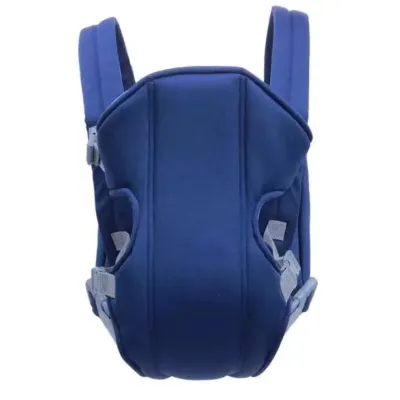

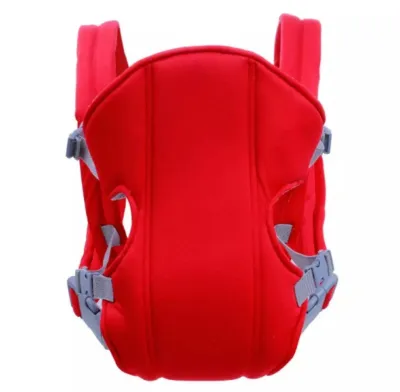
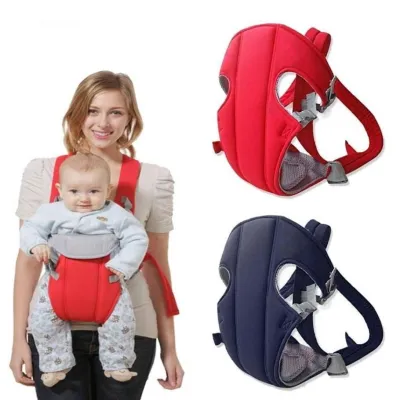
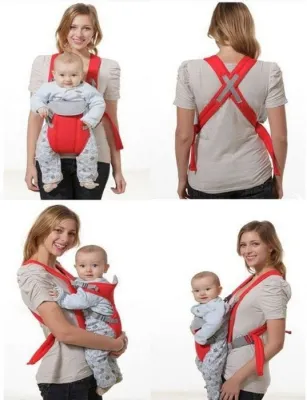
Prices are valid at publication and may change. Please refer to the product page for the latest price.
Dressing your baby appropriately is crucial, particularly in warm and humid tropical climates like the Philippines. Because the carrier acts as an extra layer of fabric and your body heat will transfer to your baby, dress them in lightweight, breathable clothing such as soft cotton onesies. Overheating is a significant risk, so monitor your baby’s temperature by feeling the back of their neck or chest, and avoid heavy blankets or bulky outfits inside the carrier.
Securing the Carrier to Your Body
Establishing a stable base begins with the waistband. Position the waistband flat against your torso, typically at your natural waist or slightly higher depending on your height and the baby’s size. Fasten the buckle securely and pull the webbing tight so the band sits snugly above your hips; this ensures that the baby’s weight is distributed to your pelvis rather than pulling down on your shoulders and lower back.

Once the waistband is secure, pre-adjust the shoulder straps and the sternum strap. Slide the sternum strap adjuster along its track so it sits roughly in the middle of your shoulder blades when the straps are on. Loosen the shoulder straps slightly so you have enough slack to slide your arms through easily once the baby is in position, but do not leave them so loose that the carrier flops forward.
To place your baby in the carrier, hold them securely against your chest in a natural upright position, keeping one hand firmly on their back at all times. With your free hand, bring the carrier’s back panel up over your baby’s back, ensuring their legs slide through the side openings. While maintaining a supportive hold on your child, slip your arms through the shoulder straps one at a time, then reach behind your neck to fasten the sternum strap buckle.
Adjusting the Seat for the Ergonomic 'M' Position
The seat width of an adjustable baby carrier must be tailored to your baby’s physical size to support healthy hip development. Adjust the seat panel width using the carrier’s built-in buttons, hook-and-loop tabs, or sliders so that the fabric extends fully from the back of one knee to the back of the other. The fabric should support the entire thigh but must not bunch up behind the knees or force the lower legs to bend awkwardly.
With the seat width properly adjusted, guide your baby’s hips into a deep squat, ensuring their knees are positioned slightly higher than their bottom. This alignment forms the recommended ‘M’ shape, which keeps the head of the femur securely inside the hip socket and reduces the risk of hip dysplasia. You can gently tilt the baby’s pelvis toward you (often called a pelvic tuck) to help them settle into this natural, ergonomic position.
The back panel of the carrier should support your baby’s spine in its natural, slightly curved shape. Avoid overtightening the panel to the point where it forces your baby’s back completely straight, as this can put unnecessary pressure on their developing spine. Ensure the top of the panel is adjusted to support their neck if they lack head control, but it must never ride up high enough to cover their nose or mouth.
Fine-Tuning the Fit to Prevent Parent Back Pain
To minimize physical strain on your body, you must eliminate any gaps between your baby and your chest. Tighten the shoulder straps evenly by pulling the webbing backward or forward, depending on the carrier’s adjustment direction, until your baby’s weight is held high and close to your torso. A helpful rule of thumb is that your baby should be positioned high enough on your chest that you can easily kiss the top of their head without straining your neck.
The sternum strap plays a critical role in distributing weight across your upper back and keeping the shoulder straps from slipping off your shoulders. Position this strap horizontally across the middle of your shoulder blades, and tighten it just enough to keep the shoulder straps parallel and secure. Avoid overtightening the sternum strap, as this can pull the shoulder straps inward, causing them to dig into your neck and restrict your breathing.
If you experience persistent discomfort in your lower back, shoulders, or neck, take a moment to make micro-adjustments. Often, a simple shift of the waistband slightly higher on your waist or a minor adjustment to the angle of the shoulder straps can relieve localized pressure points. Remember that as your baby grows and their weight increases, you will need to continuously adjust the tension and positioning of the straps to maintain an even distribution of weight.
Final Safety Checks and Stopping Conditions
Before you begin walking or performing daily tasks, perform a comprehensive visual and physical safety check. Ensure your baby’s face is fully visible at all times, with their nose and mouth completely clear of fabric, clothing, or your own body. Their chin should be tilted slightly upward and off their chest—a slumped position where the chin rests on the chest can restrict their airway and make breathing difficult.
Be vigilant for signs of a poor fit or potential hazards during use. If your baby begins to slump down, if the fabric covers their face, or if you experience persistent physical pain that does not resolve with minor adjustments, stop using the carrier immediately. Regularly monitor your baby’s breathing, skin color, and responsiveness while they are in the carrier, especially if they fall asleep.
There are clear boundaries where you must immediately remove your baby from the carrier. If your baby shows any signs of respiratory distress, lethargy, or overheating, take them out of the carrier right away. If you are unsure about the safety of your carrier’s fit, or if you experience ongoing physical discomfort, consult a certified babywearing educator or your pediatrician for professional guidance before attempting to use the carrier again.
Frequently Asked Questions (FAQ)
Can I use an adjustable baby carrier for a newborn?
Yes, many adjustable baby carriers are designed to accommodate newborns, but you must verify the specific weight and age limits on your product’s label or manual first. For a newborn, ensure the carrier provides adequate head and neck support, as infants do not have the muscle control to support their own heads. Additionally, verify that the seat can be narrowed sufficiently to support their hips in a gentle ‘M’ position without forcing their legs too far apart.
How do I know if the shoulder straps are too loose or too tight?
You can identify loose shoulder straps if there are visible gaps between the straps and your shoulders, or if your baby sags forward when you bend slightly. This loose fit transfers all the weight to your lower back and can cause the baby to slump. Conversely, if the straps are too tight, you may experience restricted arm movement, numbness in your fingers, or find the straps digging painfully into your neck; adjust them so the baby is held securely against your chest without pulling your shoulders forward.
Is it safe to breastfeed while wearing the baby carrier?
Breastfeeding in a carrier is possible, but it requires careful adjustment and constant supervision. To feed, loosen the shoulder straps or waistband slightly to lower your baby to the level of your breast, ensuring you maintain physical support with your hands. You must ensure your baby’s airway remains completely clear and their face is never pressed tightly against your body or the carrier fabric. Once feeding is complete, immediately return your baby to the upright, ‘high-and-tight’ carrying position and re-tighten all straps to ensure safety.

Community discussion
Share your experience or ask a question. Comments are reviewed before publication.