
In the intense tropical heat of the Philippines, where ambient temperatures often exceed 30°C, expressed breastmilk in a standard insulated cooler bag generally remains safe only as long as the ice packs inside stay completely frozen or solid. While standard international guidelines suggest that milk can remain safe in a well-insulated cooler bag with frozen ice packs for up to 24 hours, local humidity and extreme outdoor heat can significantly accelerate ice melt, reducing this safe window. Therefore, rather than relying on a strict hourly timer, you must monitor the physical state of your ice packs and the temperature inside the bag to ensure your baby’s milk remains safe for consumption.
Pumping while commuting, working, or running errands in the Philippines presents unique challenges. The combination of high humidity, crowded public transport, and long transit times means that maintaining a reliable cold chain is essential for preserving the nutritional quality of your breastmilk. Understanding how your cooler bag functions under these conditions allows you to make informed decisions and adjust your storage strategies accordingly.
Baseline Temperature Rules for Expressed Breastmilk
Expressed breastmilk is a living substance rich in antibodies and nutrients, but its biological composition also makes it susceptible to bacterial growth when exposed to warm temperatures. Standard pediatric and lactation guidelines generally recommend keeping freshly expressed milk at room temperature for only a limited number of hours before it must be chilled or frozen. For previously frozen milk that has been thawed, the safety window is even shorter, and it should never be refrozen once completely thawed. You should consult your pediatrician or a certified lactation consultant to verify the exact storage timelines that apply to your specific environment and your baby’s health needs, as individual circumstances and baby health profiles can vary.
Products mentioned in this guide
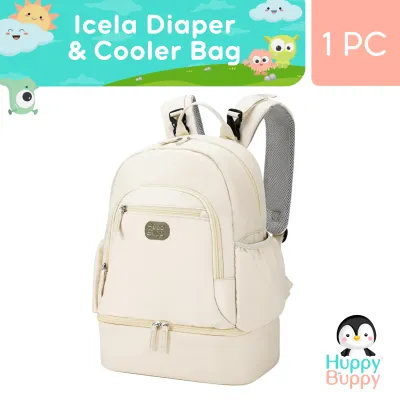
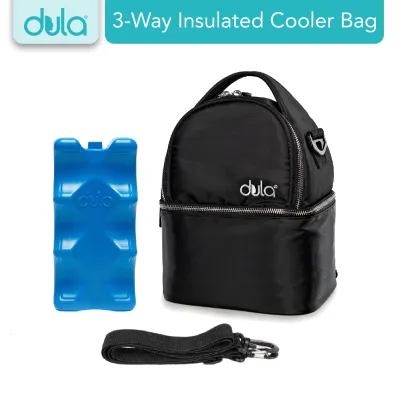
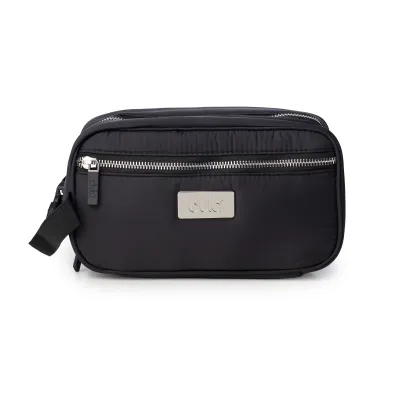
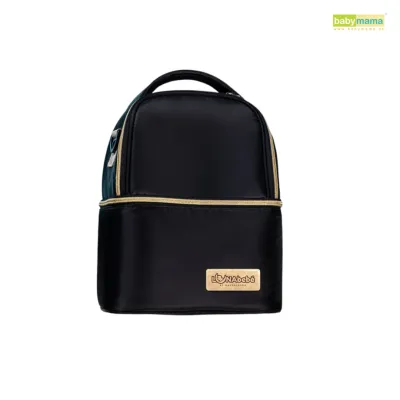
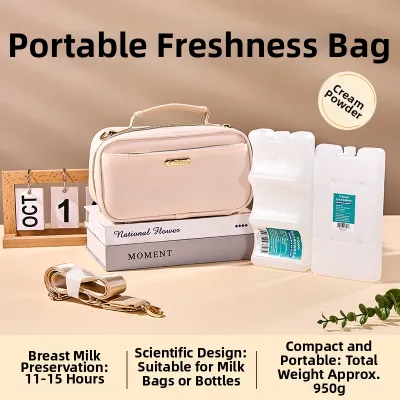
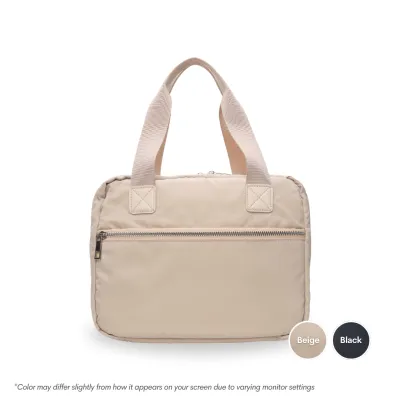
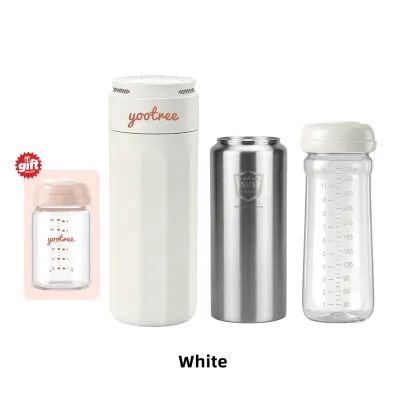
Prices are valid at publication and may change. Please refer to the product page for the latest price.
The tropical climate of the Philippines, characterized by high ambient temperatures and heavy humidity, creates an environment where bacteria can multiply much faster than in cooler climates. When room temperatures hover around 30°C or higher, the natural antibacterial properties of breastmilk can be overwhelmed quickly. This rapid bacterial proliferation can spoil the milk, making it unsafe for your baby and potentially causing digestive distress. Consequently, relying on room-temperature storage is highly risky during typical Philippine days, making active cooling or insulation a necessity.
It is crucial to understand that a standard cooler bag for breastmilk does not actively generate cold air like a refrigerator does. Instead, it functions purely as an insulator, designed to slow down the transfer of heat from the warm outside environment to the cool interior of the bag. The efficiency of this insulation depends heavily on the quality of the bag’s materials, the thickness of its thermal lining, and the presence of frozen ice packs. Without a sufficient cooling source inside, a cooler bag will quickly warm up to match the ambient outdoor temperature, failing to protect your stored milk.
Prepping Your Cooler Bag and Ice Packs for High Heat
To maximize the cooling duration of your insulated bag, preparation should begin long before you step out into the tropical heat. One highly effective strategy is to pre-chill your empty cooler bag by placing it in the refrigerator or a cool area shortly before use, or by placing a temporary ice pack inside to lower its internal temperature. Packing warm milk directly from a pumping session into a warm cooler bag will cause the ice packs to melt rapidly as they work to cool both the bag and the milk container. Whenever possible, chill your freshly expressed milk in a refrigerator first before transferring it to your travel cooler.

The choice of cooling elements plays a significant role in how long the interior of your bag remains cold. Solid plastic ice blocks generally retain their frozen state longer than flexible gel packs because their thick outer shells insulate the cold core and resist external heat transfer. Gel packs, while more flexible and easier to mold around bottles, tend to melt faster when exposed to high ambient temperatures. For a typical commute or a full day at the office, using a combination of solid ice blocks at the bottom and sides, along with contoured gel packs designed specifically for baby bottles, offers a balanced approach to temperature maintenance. You can also look for high-density ice packs that are specifically rated for extended cooling performance.
How you pack the interior of your cooler bag also directly affects its thermal efficiency. Air is a poor insulator when it is allowed to circulate freely, so minimizing empty space inside the bag is essential. Fill any remaining gaps with small clean towels, bubble wrap, or extra ice packs to prevent warm air from circulating when the bag is opened. Additionally, avoid placing milk storage bags directly against extremely cold ice blocks if you do not want the milk to freeze partially during transit, as partial freezing and thawing can affect the milk’s consistency and fat distribution.
Monitoring Milk Safety During Your Commute
Relying solely on a clock to determine if your breastmilk is safe can be misleading, especially when navigating unpredictable traffic or long commutes. A more reliable method is to place a small, dedicated digital or analog thermometer inside the cooler bag, positioned close to the milk containers. This allows you to check the internal temperature of the bag without keeping it open for too long, which would let warm air inside. If the thermometer indicates that the internal temperature is rising close to room temperature, you will know that the milk needs to be transferred to an active refrigerator immediately. This simple tool removes the guesswork and provides peace of mind during long journeys.
Another practical way to monitor safety is by physically assessing the state of your ice packs throughout your journey. As long as the ice packs contain solid ice—even if they have begun to melt around the edges—the temperature inside the bag is likely still within a safe, chilled range. However, once the ice packs have completely liquefied and no longer feel cold to the touch, the insulation barrier has been compromised. At this point, the temperature inside the bag will begin to rise rapidly to match the outside air, and the countdown for room-temperature storage safety begins.
You must also remain vigilant about the external conditions to which your cooler bag is exposed. Leaving your cooler bag inside a parked car, even for a few minutes, can expose it to extreme temperatures that far exceed the outdoor ambient heat. Similarly, placing the bag in direct sunlight while waiting for public transportation or sitting near a window on a bus will accelerate the melting of your ice packs. Always keep your cooler bag in the shaded, most well-ventilated part of your vehicle or carrying space, and avoid placing it near heat-generating engines or electronics.
Immediate Steps Upon Reaching Your Destination
The moment you arrive at your destination, whether it is your workplace, home, or a relative’s house, your primary task is to secure the cold chain. Immediately transfer all stored breastmilk from your cooler bag into a reliable refrigerator or freezer. Do not leave the milk inside the cooler bag thinking it will remain safe until the end of the day, as the ice packs will continue to melt and lose their effectiveness. If a refrigerator is not immediately available, prioritize finding fresh ice to replenish your cooler bag until a proper appliance can be accessed.
If you suspect that the cooling chain was broken during your journey—such as if the ice packs completely melted or the bag felt warm—you must carefully evaluate the milk before feeding it to your baby. Start with a visual inspection; spoiled breastmilk may look unusually clumpy, or the fat layer may fail to mix back into the liquid when gently swirled. Next, perform a sensory check by smelling the milk. Spoiled breastmilk typically has a distinctly sour, rancid, or off-putting odor that is easily distinguishable from the slightly sweet or soapy smell of fresh or high-lipase milk. If you are in doubt about the safety of the milk, consult a healthcare professional or lactation specialist before using it.
When managing multiple pumping sessions throughout the day, you might wonder how to combine different batches of milk safely. It is generally recommended to avoid pouring freshly pumped, warm breastmilk directly into a container of already chilled milk inside your cooler bag. Doing so can raise the temperature of the chilled milk, potentially encouraging bacterial growth. Instead, cool the freshly pumped milk in a separate container or compartment first, and only combine them once both batches have reached the same chilled temperature.
Troubleshooting Common Cooler Challenges in Tropical Weather
Long shifts at work or unexpected traffic delays on major roads can easily extend your travel time, causing your ice packs to melt much faster than planned. To troubleshoot this, consider keeping spare ice packs in your workplace freezer if one is available, allowing you to swap out melted packs before your commute home. Alternatively, you can purchase food-grade ice from a local convenience store or restaurant during your journey and place it in sealed plastic bags inside your cooler to maintain the cold temperature until you reach your destination.
Another common challenge when transporting breastmilk in tropical climates is dealing with pressure changes and liquid expansion, which can cause milk storage bags to leak or burst. When freezing breastmilk or packing it tightly into a crowded cooler, always leave a small amount of empty space at the top of the storage bag to allow for natural expansion. Ensure that the bags are stored upright and are not subjected to heavy pressure from solid ice blocks or other heavy items inside the cooler. Placing your milk storage bags inside a secondary clean plastic container or zip-top bag can also provide an extra layer of protection against accidental leaks.
The high humidity levels in the Philippines make cooler bags highly susceptible to mold and mildew growth if they are not maintained properly. After each use, condensation from the ice packs will leave moisture inside the bag’s lining. You must wipe down the interior of the bag with a clean, dry cloth and leave it completely unzipped in a well-ventilated area to air dry. Storing a damp cooler bag in a closed cabinet or leaving it zipped up while wet creates a breeding ground for mold, which can ruin the bag and pose a hygiene risk to your baby’s feeding equipment.
Frequently Asked Questions (FAQ)
Can I add freshly pumped warm milk to already chilled milk in the cooler?
No, it is not advisable to mix freshly expressed warm breastmilk directly with already chilled milk inside your cooler bag. The warmth of the newly pumped milk can raise the temperature of the chilled milk, creating a temporary warm zone that encourages rapid bacterial growth. To combine them safely, store the freshly pumped milk in a separate bottle or bag and place it in the cooler alongside your ice packs. Once both containers have reached the same cold temperature, you can safely combine them into a single container if needed.
How do I clean and maintain my cooler bag to prevent mold in humid weather?
To prevent mold and bacterial growth in humid tropical climates, you should clean your cooler bag after every single use. Wipe the entire interior lining with a soft cloth dampened with mild soapy water, then wipe it again with clean water to remove any soap residue. Avoid using harsh chemical cleaners or submerging the entire bag in water unless the manufacturer’s instructions explicitly permit it. Always leave the bag completely unzipped and place it in a well-ventilated, dry area away from direct sunlight until it is thoroughly dry before storing it.
Is it safe to use dry ice in a standard breastmilk cooler bag?
Using dry ice in a standard breastmilk cooler bag is generally not recommended and can be highly hazardous. Dry ice is extremely cold and can easily freeze your breastmilk solid, which may not be your intention if you plan to use it soon, and it can also damage or crack the plastic lining and insulation of standard cooler bags. Furthermore, dry ice releases carbon dioxide gas as it sublimates, which can cause pressure to build up inside an airtight bag, potentially leading to a dangerous rupture. Stick to standard reusable gel packs or solid plastic ice blocks designed for cooler bags to ensure safe and reliable transport.
Community discussion
Share your experience or ask a question. Comments are reviewed before publication.