
Preparing for childbirth is an exciting milestone, but the final weeks of pregnancy often bring a flurry of tasks. Packing your maternity bag hospital checklist early is one of the most effective ways to ease late-pregnancy anxiety. Having a well-organized bag ensures that you, your partner, and your newborn have all the essentials for labor, recovery, and the transition back home.
While hospitals typically provide basic medical supplies and immediate postpartum care items, personal comfort items and specific newborn gear remain the parents’ responsibility. A complete packing strategy covers five core categories: essential documentation, comfort items for labor and delivery, postpartum recovery supplies, newborn clothing, and safe going-home travel gear.
Because every birthing facility operates differently, it is highly recommended to request a list of provided amenities from your specific hospital or lying-in clinic. Some facilities provide comprehensive postpartum kits, while others expect parents to bring almost everything from home. Knowing what is already covered prevents you from overpacking and cluttering a compact hospital room.
Products mentioned in this guide
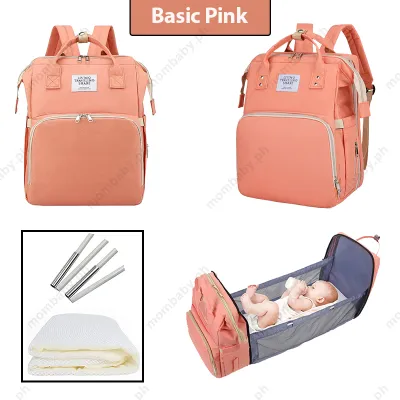
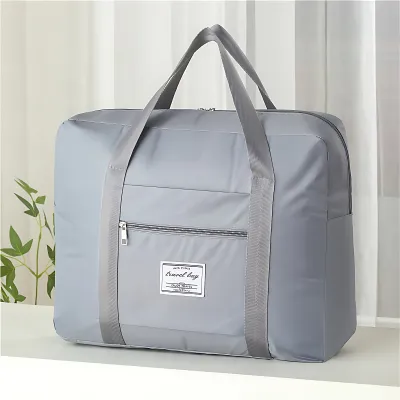
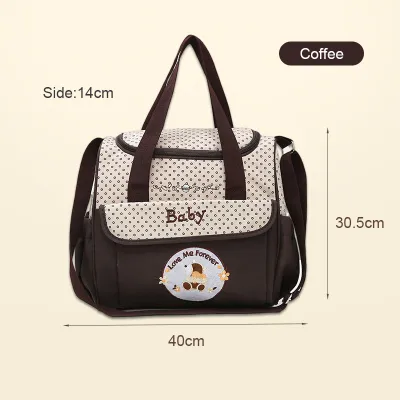
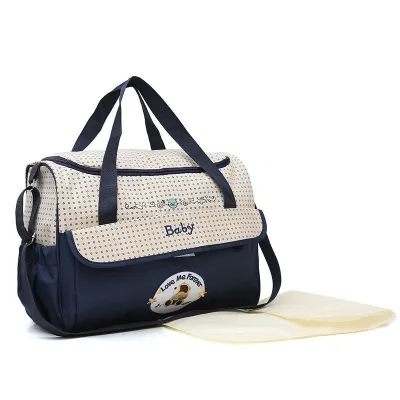
Prices are valid at publication and may change. Please refer to the product page for the latest price.
When and How to Organize Your Maternity Bag
Timing is everything when preparing for childbirth. It is generally recommended to have your primary maternity bag hospital checklist packed and ready to go by your 36th week of pregnancy. Babies occasionally arrive ahead of schedule, and having your bags waiting by the door or already placed in your vehicle prevents last-minute panic if labor begins unexpectedly.
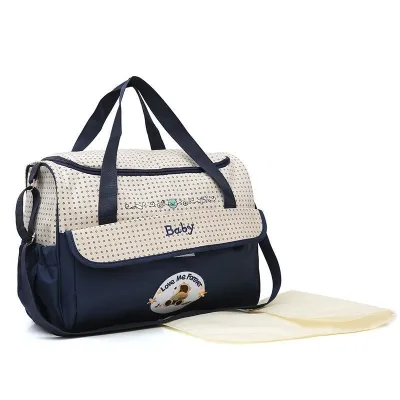
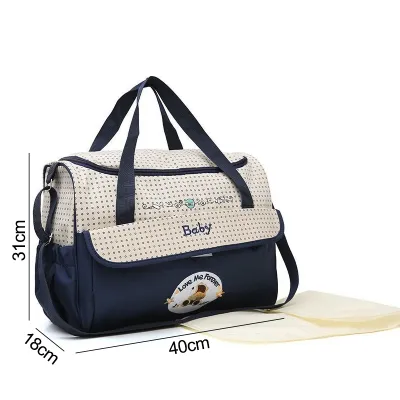
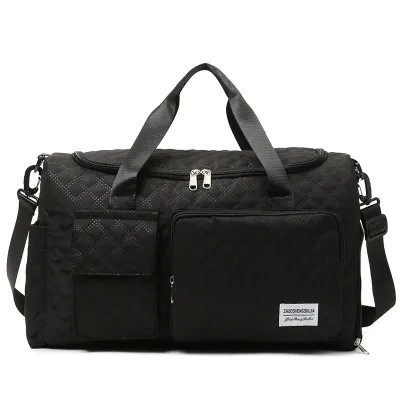
Selecting the right bag is the foundation of an organized hospital stay. Look for a durable, spacious diaper bag or a compact weekender bag made from water-resistant, easy-to-clean materials. Philippine weather can be highly humid, so selecting fabrics that resist moisture and odors is a practical choice. A bag with multiple interior and exterior compartments allows you to assign specific pockets to different needs.
To keep your items easily accessible, utilize a modular organization strategy. Color-coded packing cubes, zippered fabric pouches, or clear plastic toiletry bags work exceptionally well for separating items by category. You can label these pouches clearly: one for “labor and delivery,” another for “postpartum recovery,” and a dedicated pouch for “baby’s first outfits.” This system ensures your birth partner can quickly find a specific item without emptying the entire bag.
When loading your bag, place items in reverse order of when you will need them. Your going-home clothes and the baby’s transition outfit should go at the bottom. Frequently needed items, such as lip balm, hair ties, phone chargers, identification documents, and small snacks, should reside in the outer pockets or right at the top of the main compartment for immediate access.
Hospital Bag Checklist for Mom
Labor and Delivery Essentials
The active labor phase requires items that promote relaxation, physical comfort, and practical utility. Although hospitals provide standard patient gowns, many mothers prefer wearing their own loose-fitting, breathable cotton nightgowns or dedicated labor gowns. Choose a dark color to hide stains, and ensure it has front openings or shoulder snaps to facilitate immediate skin-to-skin contact and early breastfeeding attempts.

Hospital floors can be cold and slippery, making non-slip grip socks or lightweight, washable slippers essential for pacing the corridors during early labor. A supportive nursing bra without underwires provides comfort and gentle structure as your body prepares for lactation.
Environmental comfort items are equally important during long hours of labor. Hospital air conditioning can be drying, so pack a reliable lip balm and a hydrating facial mist. Bring a reusable water bottle with a built-in straw, which allows you to take small sips easily even while lying down or changing labor positions. To pass the time and manage stress, pack personal entertainment items such as headphones, a tablet preloaded with calming playlists, and extra-long phone charging cables.
Do not forget a dedicated waterproof folder containing all critical administrative documents. This folder should hold your valid government-issued identification cards, health insurance cards or PhilHealth documents, hospital admission forms, prenatal check-up records, and copies of your birth plan. Always consult your obstetrician-gynecologist regarding any specific medical items, medications, or dietary restrictions you must observe during active labor.
Postpartum Recovery Items
The days immediately following delivery require specialized personal care products designed to support your body’s healing process. High-absorbency maternity pads or heavy-flow sanitary napkins are essential for managing lochia, the postpartum bleeding that occurs after birth. Pair these with several pairs of disposable mesh underwear or comfortable, high-waisted dark cotton underwear that can accommodate bulky pads without pressing on a potential C-section incision.
Perineal care is a critical aspect of postpartum recovery. Pack a gentle perineal squeeze bottle (often called a peri bottle) to cleanse the area with warm water after using the restroom. Ensure you consult your healthcare provider or attending nurse regarding the proper use of perineal spray, medicated wipes, or wound care protocols before applying any topical treatments.
For breastfeeding preparation, pack a small tube of medical-grade lanolin or a safe, natural nipple cream to soothe dry or cracked skin during the initial latching phase. Nursing pads—either disposable or washable bamboo inserts—will help absorb unexpected leaks. While hospitals often have heavy-duty, hospital-grade electric breast pumps available for temporary use if a medical need arises, you may want to pack a manual breast pump or a simple silicone milk collector to help relieve engorgement.
Your apparel during the postpartum stay should prioritize ease of movement and nursing access. Button-down pajama sets, loose loungewear, and a lightweight robe allow you to breastfeed comfortably while remaining covered during visits from medical staff. Slip-on shoes or slides are highly practical for walking around the maternity ward, as pregnancy-related swelling in the feet and ankles can persist for several days after delivery. Always follow your obstetrician’s guidance on postpartum wound care, and avoid bringing unprescribed medications or herbal supplements without prior medical clearance.
Hospital Bag Checklist for Baby
In-Hospital Newborn Care
Newborn babies require very little gear, but the items you bring should be soft, safe, and easy to put on. Pack three to four newborn-sized sleepers or onesies. Opt for garments with zippers rather than traditional metal snaps; zippers make diaper changes significantly faster and less frustrating during late-night rooming-in sessions. A soft, breathable receiving blanket is excellent for swaddling and keeping your baby warm in air-conditioned hospital rooms.
Newborns have delicate, sharp nails and cannot yet control their hand movements. Pack two to three pairs of soft cotton mittens to prevent them from accidentally scratching their faces. A soft cotton beanie is useful for helping the baby regulate their body temperature during their first hours of life, alongside a few pairs of warm socks or booties.
For basic hygiene, pack a mild, fragrance-free baby wash, a gentle baby lotion, and a protective diaper rash cream. Before purchasing these items in bulk, verify with your chosen hospital in the Philippines whether they provide a newborn starter kit. Many private and public maternity wards include a package containing basic diapers, cotton balls, baby wipes, and a swaddle as part of their delivery packages, which can save valuable space in your diaper bag.
Going Home Outfit and Travel Gear
The journey from the hospital to your home is a major milestone, and safety must be the absolute priority. An infant car seat is a non-negotiable requirement for families traveling home by private vehicle. Before the baby’s birth, verify the manufacturer’s documentation to ensure the car seat is rated for newborns, paying close attention to the minimum weight and height limits.
Avoid using second-hand car seats unless you can verify their entire history, confirming they have never been involved in a collision, have not been recalled, and have not passed their expiration date. Read the manufacturer’s instruction manual thoroughly to understand how to install the base securely in your vehicle and how to adjust the internal harness system to fit a tiny newborn safely.
Because the Philippine climate can be hot and sunny, carry a lightweight, breathable cotton blanket to drape over the car seat carrier to shield your baby from direct sunlight and wind during the walk to the car. Never place thick blankets, bulky jackets, or aftermarket cushions behind the baby’s back or under the harness straps, as these compress during a sudden stop and can compromise the safety of the harness system.
What to Leave at Home and Checking Hospital Policies
Overpacking can turn your hospital room into a cluttered, stressful environment. Leave high-value items at home, including expensive jewelry, wedding rings, large amounts of cash, and unnecessary electronic gadgets. Hospital rooms see a constant rotation of medical staff, cleaners, and visitors, making it easy for small, valuable items to be misplaced.
Unless specifically advised by a pediatrician, certified lactation consultant, or your attending medical team, do not pack pacifiers, baby bottles, or infant formula. Introducing artificial nipples too early can interfere with establishing a healthy breastfeeding relationship, and local hospital policies heavily promote and support exclusive breastfeeding from birth.
Take the time to contact your hospital’s maternity department or check their official guidelines online regarding room policies. Many facilities have strict rules concerning the number of companion watchers allowed in the room, specific visiting hours, and restrictions on bringing in outside food. Additionally, some hospitals prohibit the use of personal electrical appliances—such as personal breast pumps, electric kettles, or heating pads—due to electrical safety regulations.
Hospital rooms, especially in shared semi-private wards, often have very limited storage space. Keeping your packing limited to one well-organized diaper bag for the baby and one compact weekender bag for yourself ensures that your living space remains tidy, safe, and easy for healthcare providers to navigate during check-ups.
Frequently Asked Questions (FAQ)
How many outfits should I pack for my newborn?
For a standard two- to three-day hospital stay, packing three to four complete outfits is generally sufficient. Newborns are prone to diaper leaks, spit-up, and temperature fluctuations, so having a few clean backups is highly practical. However, because most hospitals provide swaddling blankets and basic clothing during the immediate postpartum hours, you do not need to pack an extensive wardrobe. Keep the outfits simple, clean, and easy to change.
Do hospitals in the Philippines provide diapers and wipes?
Many private and public hospitals in the Philippines provide a basic newborn care kit upon admission, which typically includes a starter pack of newborn diapers, baby wipes, and a receiving blanket. However, the contents and brands vary widely depending on the facility and your chosen maternity package. It is best to call the hospital’s billing or maternity department ahead of time to confirm what is included, allowing you to pack a small backup supply of your preferred hypoallergenic diaper brand if necessary.
Community discussion
Share your experience or ask a question. Comments are reviewed before publication.