
To maintain a consistent milk supply while balancing work, family, and personal time, you need a breast pump that operates at peak efficiency. If you use a Horigen breast pump, understanding which horigen pump accessories are essential and which are optional upgrades is the key to a seamless pumping journey. The absolute essentials you need for daily operation are the parts that directly create suction and collect milk: properly fitted breast shields (flanges), silicone valves and diaphragms, secure tubing, and compatible collection bottles. Optional upgrades, such as silicone massage inserts, hands-free pumping bras, and specialized milk storage bags, are designed to enhance your comfort and convenience but are not strictly required to make the pump function.
By identifying your specific pumping routine—whether you are an exclusive pumper, transitioning back to an office, or pumping occasionally at home—you can build a targeted collection of spare parts. This approach prevents you from overspending on unnecessary items while ensuring you are never left stranded by a worn-out valve or a misplaced connector. Investing in the right accessories not only protects your milk supply but also makes the entire breastfeeding experience much more manageable and physically comfortable.
Assess Your Routine: What Dictates Your Accessory Needs
Every mother’s breastfeeding journey is unique, and your daily schedule is the primary factor that dictates which accessories you should buy. An exclusive pumper who expresses milk eight times a day requires a completely different setup than a parent who only pumps occasionally for relief or to build a modest freezer stash. If you pump multiple times a day, having several sets of duplicate parts is not a luxury; it is a practical necessity that saves you from constantly washing and sterilizing components between sessions.
Products mentioned in this guide
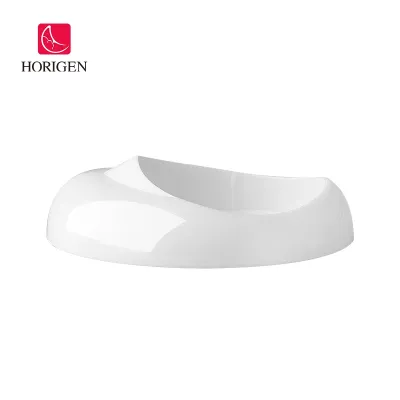
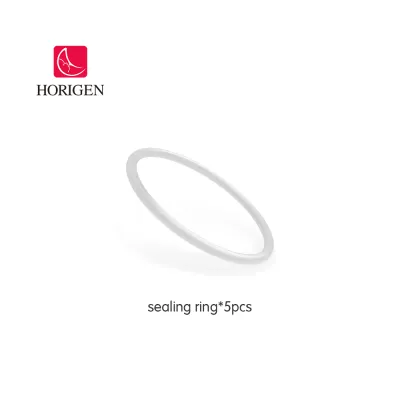
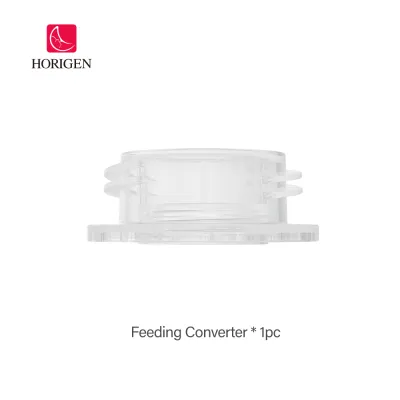
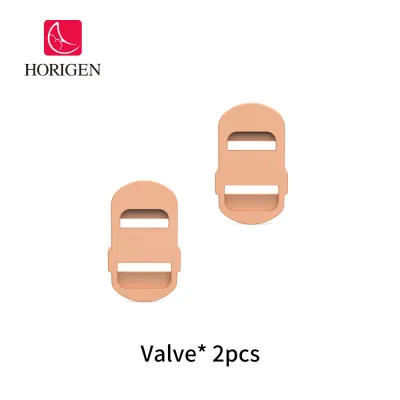
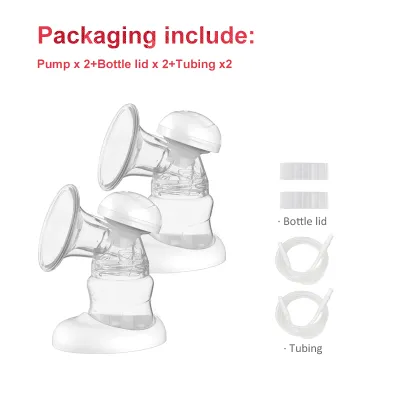
Prices are valid at publication and may change. Please refer to the product page for the latest price.
Your primary pumping environment also plays a massive role in shaping your accessory checklist. Pumping at a dedicated home station allows you to manage with fewer spare parts because you have immediate access to washing facilities and sterilizers. Conversely, commuting to an office or traveling requires a highly portable, self-contained kit that minimizes the weight of your bag while maximizing hygiene and discretion.
In a tropical climate like the Philippines, high humidity and ambient temperatures introduce specific challenges for milk storage and accessory maintenance. Warm weather accelerates bacterial growth, meaning that safe milk transport requires reliable cooling accessories, such as insulated bags and contoured ice packs, to keep expressed milk at safe temperatures during long commutes. Furthermore, high humidity can make it more difficult for washed tubing and silicone parts to air-dry completely, increasing the risk of mold if you do not have dry spares on hand.
Before rushing to purchase an array of extra components, always examine the baseline kit that came in your original breast pump box. Most Horigen pump models include a complete set of starting accessories, such as standard-sized flanges, a pair of valves, tubing, and bottles. This initial kit is usually sufficient for your immediate at-home needs during the first few weeks postpartum, allowing you to test the pump and determine your exact flange size before investing in duplicate parts.
The Non-Negotiables: Essential Horigen Pump Accessories
To keep your breast pump working safely and hygienically, certain core components are entirely non-negotiable. These parts are responsible for creating the vacuum seal, directing the airflow, and capturing your liquid gold. If any of these parts are damaged, worn out, or missing, your pump will lose suction or fail to operate entirely, which can quickly impact your milk supply and physical comfort.

Flanges (Breast Shields) and Sizing
The flange is the funnel-shaped plastic or silicone piece that fits directly over your breast, centering your nipple in the tunnel to draw out milk. Using the correct flange size is critical not only for your physical comfort but also for maximizing milk expression and preventing tissue damage. A flange that is too small can cause painful friction, swelling, and blocked milk ducts, while a flange that is too large can pull too much of your areola into the tunnel, reducing suction efficiency and causing bruising.
Do not assume that the default flange size included in your Horigen pump box is the correct fit for your body. Nipple sizes vary widely, and your body may even require a different size for each breast. To find your correct size, measure the diameter of your nipple base (excluding the areola) in millimeters before a pumping session, and add 2 to 3 millimeters to that measurement to find your ideal flange size. During a pumping session, observe how your nipple moves: it should move freely in and out of the tunnel without rubbing against the sides, and very little of the surrounding areola should be drawn inside. If you experience persistent pain, bleeding, or suspect mastitis, stop pumping immediately and consult a lactation consultant or a qualified healthcare professional.
Valves and Membranes (Duckbill Valves and Silicone Diaphragms)
These small, flexible silicone parts are the unsung heroes of your breast pump, acting as the physical mechanism that creates and releases the vacuum seal. Horigen pumps typically utilize either duckbill valves or a combination of valve heads and flat membranes, alongside silicone diaphragms that prevent milk from backflowing into the pump motor. Because these parts stretch and flex hundreds of times during a single pumping session, they naturally lose their elasticity over time.
A tiny, almost invisible micro-tear or a slight stretch in a duckbill valve or diaphragm is the most common culprit behind a sudden, frustrating loss of pump suction. If you notice that your pump feels weaker than usual, or if your milk output decreases despite feeling full, inspect these silicone parts immediately. Keeping a backup set of valves and membranes in your diaper bag or desk drawer is the best way to prevent an unexpected pumping emergency.
Tubing and Connectors
The air tubing connects your breast pump’s motor to the collection kits, delivering the vacuum pressure required to express milk. It is vital to understand that the tubing is designed to carry air, not milk. Keeping the inside of your tubing completely dry and free of moisture is essential for protecting the pump motor from water damage and preventing the growth of black mold, which can thrive in damp, enclosed spaces.
You should inspect your tubing regularly for any signs of condensation, water droplets, or physical damage. If you notice moisture inside the tube, run the pump for a few minutes with the tubing attached but without the collection kit connected to blow out the excess air and dry the interior. Replace the tubing immediately if you spot any mold spots, deep kinks that restrict airflow, or if the ends of the tubing have stretched out and no longer form a tight, secure seal with the connectors.
Collection Bottles, Caps, and Discs
The collection bottles attach directly beneath the flanges to catch and store your expressed milk safely. For maximum hygiene and safety, ensure you use bottles made from verified food-grade, BPA-free materials that are explicitly compatible with your Horigen pump’s thread size. Using mismatched bottles can lead to cross-threading, which can cause the bottle to drop off mid-session or leak precious milk from the collar.
In addition to the bottles themselves, secure sealing discs and caps are essential accessories for any pumping routine. Sealing discs fit inside the bottle collars to create an airtight, leak-proof barrier, allowing you to transport milk safely in your bag without worrying about spills. If you plan to feed your baby directly from the collection bottles, verify that you have compatible collars and nipples that match your baby’s current developmental stage and flow preference, as recommended by the manufacturer’s documentation.
Comfort and Convenience: Optional Horigen Upgrades
While the essential parts are required to make your pump work, several optional upgrades can transform your daily pumping routine from a tedious chore into a comfortable, hands-free experience. These accessories are not mandatory for milk extraction, but they offer significant physical relief and lifestyle flexibility.
Massage Cushions and Silicone Inserts
For mothers with sensitive breast tissue or those who find hard plastic flanges uncomfortable, silicone massage cushions and sizing inserts are excellent upgrades. Horigen offers soft silicone inserts that slip directly inside the standard plastic flange, creating a cushioned barrier that gently massages the breast to stimulate milk let-down. These inserts are also highly useful if you find yourself between standard flange sizes, as they can reduce the tunnel diameter of a larger flange to provide a snugger, more customized fit.
Before purchasing silicone inserts, verify that they are compatible with your specific Horigen breast shield model by checking the manufacturer’s product guide. Keep in mind that adding an insert will alter the internal tunnel diameter, so you must measure carefully to ensure your nipple still has adequate clearance to move freely without friction.
Hands-Free Pumping Bras and Adapters
Pumping multiple times a day can feel incredibly restrictive if you are forced to hold the breast shields in place for 20 to 30 minutes per session. A hands-free pumping bra is one of the most valuable convenience upgrades you can make, allowing you to multitask—whether that means typing at your computer, reading a book, or tending to your baby—while expressing milk. These specialized bras hold the flanges firmly against your breasts, maintaining the necessary seal without requiring manual support.
If you choose to use a hands-free bra, check the compatibility of your Horigen flanges with the bra’s openings. Some Horigen models feature wide, integrated breast shields that may require a bra with highly flexible or zippered openings, while other models with detachable connectors can easily slide into standard circular slots. Always ensure the bra fits snugly but comfortably; an overly tight bra can compress milk ducts and restrict milk flow.
Extra Bottle Sets and Milk Storage Bags
If you pump frequently, investing in extra collection bottles and pre-sterilized milk storage bags can dramatically reduce your daily washing workload. Having a rotating stock of four to six bottles means you do not have to wash, dry, and sterilize your only set of bottles immediately after every single session, which is especially helpful during exhausting late-night or early-morning pumps.
For long-term milk storage and freezing, pre-sterilized, single-use milk storage bags are a superior option compared to bulky plastic bottles. These bags are designed to lay completely flat in your freezer, saving valuable space and allowing for faster thawing when it is time to prepare a bottle. Always choose high-quality, double-zippered bags to prevent leaks, and write the date and volume clearly on the label before freezing.
Scenario-Based Accessory Kits: Work, Travel, and Home
To help you organize your gear efficiently, it is helpful to look at how your accessory needs change depending on where you are pumping. Tailoring your setup to your specific environment ensures you have exactly what you need without carrying unnecessary weight.
Below is a quick reference guide to help you build the perfect accessory kit for your daily routine:
Quick Reference: Accessory Kit by Scenario
| Scenario | Core Accessories Needed | Optional Add-ons | Key Considerations |
|---|---|---|---|
| Work / Office | 2 complete sets of flanges & valves, dry tubing, collection bottles, sealing discs | Hands-free pumping bra, discreet wet bag, compact bottle brush | Access to a clean sink, private pumping space, and a shared refrigerator. |
| Travel / On-the-Go | 1-2 complete sets of parts, manual pump handle (if compatible), sealing discs | Insulated cooler bag, contoured ice packs, sanitizing wipes | Portability, lack of electricity or running water, and high outdoor temperatures. |
| At-Home Comfort | 3+ complete sets of flanges & valves, multiple storage bottles | Silicone massage inserts, comfortable pumping bra, electric sterilizer | Focus on batch washing and sterilizing at the end of the day to save time. |
The Work or Office Pumping Kit
Transitioning back to an office environment requires a highly organized pumping strategy that minimizes stress and maintains your professional flow. In the Philippines, Republic Act 10028 (the Expanded Breastfeeding Promotion Act) mandates that workplaces must provide lactation stations and paid pumping breaks for nursing mothers. To make the most of this time and avoid the hassle of washing your pump parts in a communal office restroom, pack two complete sets of flanges, connectors, and valves in your bag. This allows you to use a fresh, sterile set for your morning session and a second clean set for your afternoon session, storing the dirty parts in a sealed, waterproof wet bag until you get home.
Your office kit should also include a dedicated hands-free pumping bra to let you work comfortably at your desk, along with secure sealing discs for your collection bottles to prevent leaks during your commute. If your office does not have a dedicated refrigerator for breast milk, you will also need a compact, insulated cooler bag to store your expressed milk safely until you return home.
The Travel and On-the-Go Kit
Pumping while traveling, running errands, or commuting in tropical heat requires a focus on portability and strict temperature control. When you are away from reliable electricity and clean running water, packing a manual pump adapter or ensuring your portable Horigen pump is fully charged is vital. You should also carry specialized quick-clean sanitizing wipes designed for breast pump parts, which allow you to wipe down accessories safely when a clean sink is unavailable.
The most critical component of your travel kit is a high-quality, insulated cooler bag paired with contoured, reusable ice packs. Breast milk must be kept cold to prevent bacterial growth, especially when navigating warm outdoor environments or sitting in traffic. Ensure your cooler bag is well-insulated and that the ice packs are fully frozen before you leave the house to guarantee your milk remains at a safe temperature until you reach your destination.
The At-Home Comfort Setup
When pumping at home, your primary goal is to maximize comfort and streamline your cleaning routine. Since space and weight are not constraints, you can invest in a larger stock of accessories—such as three or more complete sets of flanges, valves, and bottles. This abundance allows you to practice “batch washing,” where you collect all used parts throughout the day and wash and sterilize them all at once in the evening, rather than standing over the sink after every single session.
An at-home setup is also the perfect place to use soft silicone massage inserts and your most comfortable, full-coverage pumping bras. You can set up a dedicated, comfortable pumping station with a side table, a bottle of water, your pump charger, and a clean storage container to keep your sterilized accessories organized and dust-free.
Maintenance and Replacement: Keeping Your Pump at Peak Suction
Breast pump accessories are not designed to last forever. Because silicone is a soft, porous material, it gradually degrades, stretches, and wears down with regular use, washing, and sterilization. To protect your milk supply and maintain optimal hygiene, you must establish a routine for inspecting and replacing your Horigen accessories.
Perform a visual inspection of your silicone parts—specifically the duckbill valves, diaphragms, and flange inserts—at least once a week. Look closely for any signs of wear, such as tiny micro-tears along the edges of the valves, visible stretching, warping, or a cloudy, discolored appearance that does not go away after washing. If a duckbill valve no longer closes completely flat at the tip when at rest, it is stretched out and must be replaced immediately to restore full suction.
The frequency of your replacement cycle depends entirely on how often you pump. If you are an exclusive pumper expressing milk 6 to 8 times a day, your silicone parts undergo immense stress and should generally be replaced every 2 to 4 weeks. If you pump moderately (2 to 3 times a day), your valves and diaphragms may last 6 to 8 weeks, while occasional pumpers who only use the machine a few times a week can often wait 3 to 6 months before replacing parts. Hard plastic components, such as flanges and connectors, are more durable but should still be replaced every 6 months or sooner if they develop deep scratches, cracks, or chips.
Always consult your specific Horigen user manual for exact care instructions, approved sterilization methods, and manufacturer-recommended replacement timelines. When cleaning your accessories, always use a gentle dishwashing liquid and a soft, non-abrasive sponge or brush. Avoid using harsh chemical cleaners, bleach, or stiff, abrasive bottle brushes, as these can easily degrade delicate silicone surfaces and create microscopic scratches where harmful bacteria can harbor and multiply. Additionally, be aware that frequent use of UV sterilizers can degrade silicone accessories faster than traditional steam sterilization, causing them to become brittle or yellowed prematurely; inspect your parts more frequently if you use a UV device.
Frequently Asked Questions (FAQ)
Are Horigen pump parts compatible with other breast pump brands?
While some standard wide-neck bottle threads or universal tubing adapters may physically connect with other breast pump brands, critical suction components like Horigen’s proprietary duckbill valves, silicone diaphragms, and integrated breast shields are typically designed specifically for Horigen systems. Attempting to mix and match incompatible parts from different brands can compromise the airtight seal, lead to a severe drop in suction pressure, or cause milk backflow that can permanently damage your pump motor. To protect your physical safety, maintain hygienic milk collection, and avoid voiding your manufacturer’s warranty, always verify compatibility in the official Horigen product documentation or consult a qualified professional before using third-party accessories.
How do I properly clean and sterilize Horigen silicone accessories?
To clean your Horigen silicone accessories safely, disassemble all parts completely immediately after each pumping session and rinse them under cool water to prevent milk residue from drying and sticking. Wash the parts in warm, soapy water using a mild dish soap and a soft sponge, then rinse thoroughly with clean water. To sterilize, you can submerge the heat-resistant silicone parts in boiling water for the exact duration specified in your user manual (typically 3 to 5 minutes), or use a dedicated steam sterilizer. Always allow all accessories to air-dry completely on a clean, dedicated drying rack in a well-ventilated area before reassembling them. Never wash or submerge the air tubing in water unless explicitly instructed by the manufacturer, and ensure it is completely dry inside before connecting it to the motor.
Why is my Horigen pump losing suction even with new parts?
If you have recently replaced your accessories but are still experiencing weak suction, begin by systematically troubleshooting your assembly. First, verify that the duckbill valve is pushed firmly onto the connector and is pointing in the correct direction, and check that the silicone diaphragm or membrane is seated completely flat without any wrinkles, folds, or trapped moisture along the edges. Next, inspect the tubing connections at both ends to ensure they are plugged tightly into the ports without any air leaks, and check the length of the tubing for any tiny pinholes or sharp kinks. Finally, ensure that there is no dried milk residue or moisture blocking the air pathways inside the connectors, as even a minor obstruction can disrupt the vacuum seal and reduce the pump’s performance.
Community discussion
Share your experience or ask a question. Comments are reviewed before publication.