
Quick Answer: Which Horigen Breast Pump Should You Choose?
Selecting the right breast pump is a highly personal decision that depends on your daily schedule, milk production goals, and budget. There is no single model that fits every parent perfectly, but matching a pump to your specific lifestyle ensures a smoother breastfeeding journey.
- Choose a wearable or ultra-portable model if you are a busy parent who needs to pump discreetly while multitasking, commuting through busy city traffic, or working at an office desk without easy access to a private room.
- Choose a double electric model if you are exclusively pumping, need to maximize your milk output in a limited amount of time, or are focused on building a robust freezer stash quickly.
- Choose a single electric or manual model if you only pump occasionally to relieve engorgement, need a lightweight backup for travel, or are working within a strict budget.
Before making your purchase, always verify current model availability, local pricing, and warranty terms through authorized distributors or official brand stores in the Philippines. This ensures you receive authentic, food-grade materials and reliable after-sales support.
Key Decision Factors for Your Pumping Routine
To find the ideal pump, you must evaluate how a machine’s design aligns with your daily life. A pump that works wonderfully for one parent might feel cumbersome or inefficient for another. Consider these four essential factors before choosing your device.
Products mentioned in this guide
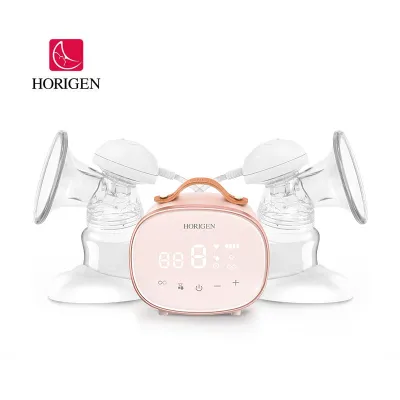
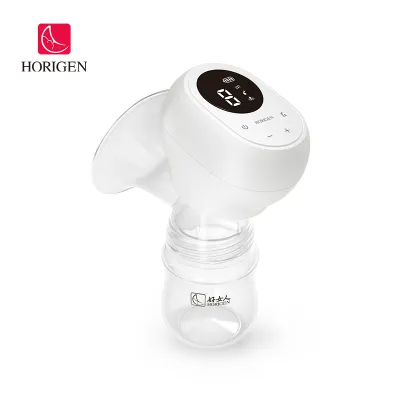
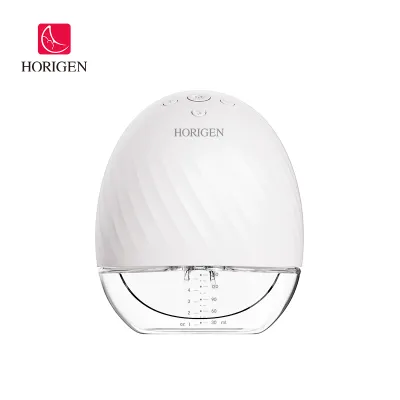
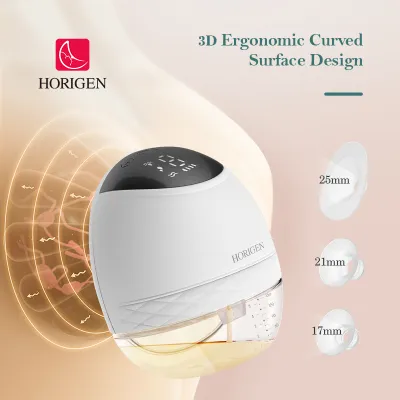
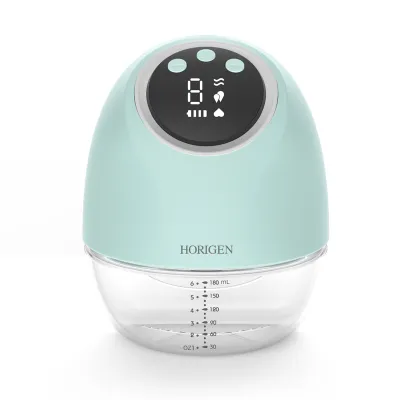
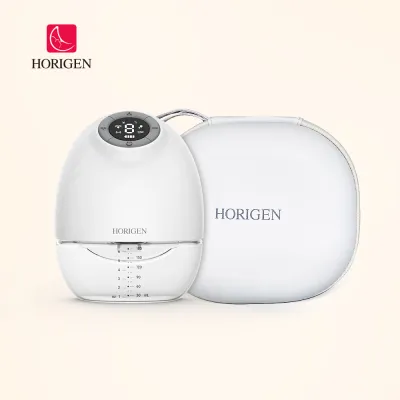
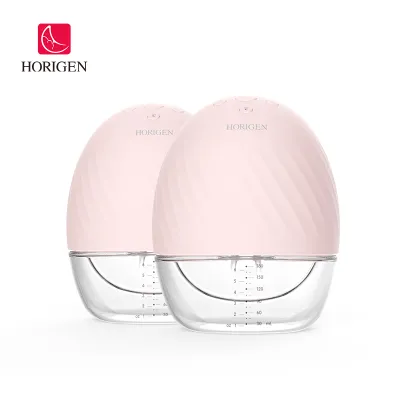
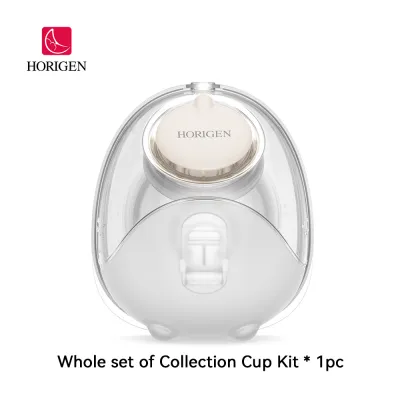
Prices are valid at publication and may change. Please refer to the product page for the latest price.

Lifestyle and Mobility
Your daily environment dictates how much mobility you require. Working mothers who face long daily commutes or spend hours in office meetings often benefit from hands-free, wearable pumps that slip directly into a nursing bra. These cordless units allow you to express milk without being tethered to a wall outlet. Conversely, stay-at-home parents or those with dedicated remote-work setups may prefer a robust tabletop double electric pump. While less portable, tabletop models often offer more precise control settings and stronger, more consistent motor performance.
Milk Production Goals
Your pumping frequency is directly linked to your milk supply goals. If you are exclusively pumping—meaning your baby receives all their breast milk via bottles—efficiency and motor durability are paramount. You will need a heavy-duty double electric pump that can withstand multiple daily sessions without losing suction power. If you are primarily direct-latching and only need to pump occasionally to build a small backup stash or relieve fullness, a simpler, single electric or manual pump is often sufficient and highly cost-effective.
Budget and Maintenance
While advanced features like touchscreens, custom memory settings, and dual-motor controls offer excellent convenience, they come with a higher upfront cost. It is also important to consider long-term maintenance. All breast pumps require consumable parts—such as silicone valves, diaphragms, and tubing—that stretch and wear out over time. Before buying, check the price and local availability of these replacement parts. Additionally, factor in your power access; if you live in an area prone to seasonal power interruptions, prioritizing a model with a long-lasting, USB-rechargeable battery is a practical safeguard.
Comfort and Fit
Effective milk expression relies heavily on comfort. Pain or discomfort during pumping can inhibit your body’s natural let-down reflex, leading to reduced milk output. Horigen pumps are known for their distinct suction technology designed to mimic a baby’s natural nursing actions. However, even the most advanced pump will not perform well if the breast shield (flange) is the wrong size. Using a flange that is too large or too small can cause friction, nipple damage, and blocked milk ducts. Always measure your nipple diameter and consult the manufacturer’s sizing guide to select the correct flange insert.
Comparing Horigen Breast Pump Types and Models
Horigen offers a diverse lineup of breast pumps designed to address different parenting scenarios. Understanding the functional categories of these models helps you narrow down the best option for your specific routine.
Wearable and Ultra-Portable Models
Wearable pumps represent a significant shift in modern lactation convenience. Models such as the Horigen Bebe or Horigen Elia are designed to be completely self-contained, with the motor, collection cup, and breast shield integrated into a single unit that fits inside your bra.
- Pros: These models offer unmatched freedom of movement. There are no external tubes, dangling bottles, or wires, allowing you to care for your baby, wash dishes, or work at your computer while expressing milk.
- Cons: Wearable units typically have a smaller milk collection capacity (often limited to 150ml per cup) compared to traditional bottles. Because the motor is worn on the breast, these units can also feel heavier and may not offer the ultra-precise suction adjustments found in larger tabletop models.
When evaluating a wearable Horigen model, always check the product label for battery runtime per charge, cup capacity, and the specific type of supportive bra required to hold the unit securely against your breast to prevent leaks.
Double Electric Models for Efficiency
For parents who need to express milk quickly and frequently, double electric pumps like the Horigen Chicture or Horigen Exquise are the standard recommendation. These units allow you to pump both breasts simultaneously, which can significantly reduce your total pumping time.
- Efficiency and Stimulation: Pumping both sides at once is not just a timesaver; research suggests it can also help stimulate higher levels of prolactin, the hormone responsible for milk production. These models typically feature dual phases: a rapid, shallow stimulation mode to trigger your let-down reflex, followed by a slower, deeper expression mode to draw out the milk.
- Hygiene and Safety: When selecting a double electric model, verify that it features a closed-system design. A closed system utilizes a physical silicone barrier (a diaphragm) to prevent milk from backing up into the tubing and motor. This is a critical hygienic feature, particularly in hot, humid climates where moisture trapped in tubing can quickly lead to mold and bacterial growth.
Single Electric and Manual Options
If your pumping needs are occasional or your budget is a primary constraint, single electric or manual options provide a reliable and straightforward solution.
- Simplicity and Portability: Single electric pumps are highly portable and easier to clean because they have fewer parts than double electric setups. Manual pumps require no electrical power at all, relying instead on a hand lever to create suction. This makes manual pumps exceptionally quiet, lightweight, and perfect for keeping in a diaper bag as an emergency backup.
- Limitations: The primary drawback is time. Pumping one breast at a time doubles the duration of your session. Additionally, manual pumping requires continuous hand action, which can become tiring during long sessions and may not stimulate your milk supply as effectively as an automated, multi-phase electric motor.
Feature Breakdown: Suction, Battery, and Comfort
To help you compare the practical specifications of these different categories, use the following structured checklist. Note that exact specifications can vary by production batch and specific regional model variants; always verify the details on the physical product packaging before use.
| Feature / Dimension | Wearable Models (e.g., Horigen Bebe) | Double Electric Models (e.g., Horigen Chicture) | Single / Manual Options |
|---|---|---|---|
| Suction Levels & Modes | Typically offers 5 to 9 adjustable levels; standard stimulation and expression modes. | Often features advanced multi-level settings (up to 9+ levels); independent left/right suction controls on select models. | Single electrics offer basic adjustable suction; manual models rely entirely on manual hand pressure and release. |
| Power Source | Built-in rechargeable lithium-ion battery; usually charges via standard USB. | Dual power options: built-in rechargeable battery or direct AC plug-in for consistent power. | Single electrics use USB or AA batteries; manual pumps require no electricity or batteries. |
| Portability & Weight | Highly compact and lightweight; fits entirely inside a standard nursing bra. | Moderate weight; requires a carrying bag for the motor unit, bottles, and tubing. | Extremely lightweight and compact; fits easily into a small handbag or diaper bag. |
| Noise Level | Designed with a quiet, integrated motor for discreet public use. | Motor is typically quiet but audible; some models feature sound-dampening casings. | Virtually silent operation (manual) or standard motor hum (single electric). |
| Included Accessories | Collection cups, basic flange inserts, and USB charging cables. | Multiple flange sizes, storage bottles, tubing, AC adapter, and sometimes a carrying bag. | Single bottle, manual handle assembly, or basic single tubing kit. |
| Hygienic Design | Closed system with integrated silicone barriers to prevent backflow. | Closed system with physical backflow protectors; check manufacturer label to confirm. | Closed system design; manual pumps naturally prevent backflow as there is no tubing. |
Note: If specific technical data is not visible on your product packaging, check the official manufacturer documentation or contact authorized customer support in the Philippines.
Matching Your Lifestyle: The Final Decision Framework
To make a confident and safe purchase, apply this final decision framework to match your daily realities with the right Horigen pump category.
Choose a Wearable or Compact Horigen Pump If:
- You are returning to a workplace that lacks dedicated lactation rooms and you need to pump discreetly at your desk.
- You frequently commute, travel, or need to manage household chores and care for an active baby while pumping.
- You prefer a minimalist setup with fewer cords, tubes, and bottles to assemble and clean.
Choose a Double Electric Horigen Pump If:
- You are exclusively pumping or managing a low milk supply and require maximum stimulation and efficiency.
- You need to express milk quickly during short, designated breaks at work.
- You want advanced features, such as dual-motor controls that let you adjust suction levels independently for each breast.
Choose a Single Electric or Manual Horigen Pump If:
- You primarily direct-latch your baby and only need to pump occasionally to relieve engorgement or prepare for short outings.
- You need an affordable, highly reliable backup pump that does not rely on wall outlets or battery charges.
- You are working within a tight budget but still want a safe, food-grade milk expression tool.
When a Standard Consumer Pump May Not Fit
It is important to recognize that standard consumer breast pumps may not be suitable for every situation. If your baby was born prematurely, is hospitalized, or if you are experiencing severe medical lactation challenges, you may require a heavy-duty, hospital-grade rental pump to establish your milk supply. In these circumstances, or if you experience persistent physical pain during pumping, stop use immediately and consult an International Board Certified Lactation Consultant (IBCLC) or your pediatrician for professional guidance.
To ensure your safety and the safety of your baby, purchase your breast pump and replacement parts only from official brand stores, authorized pharmacies, or verified flagship stores on major e-commerce platforms. This guarantees that the plastics and silicones used in the pump are certified BPA-free, authentic, and safe for storing breast milk.
Frequently Asked Questions (FAQ)
Are Horigen breast pump parts compatible with other brands?
As a general rule, you should avoid mixing breast pump parts from different brands unless the manufacturer explicitly states they are compatible. Breast pumps rely on precise vacuum pressure to express milk safely and effectively. Using a flange, valve, or backflow protector from another brand can cause a loss of suction, place undue strain on the motor, or compromise the closed-system barrier, leading to milk backflow and contamination. To maintain your pump’s performance and protect your warranty, always consult the official Horigen compatibility charts or contact their customer support team before using third-party accessories.
How do I clean and sterilize my Horigen breast pump?
Proper hygiene is vital to protect your infant from harmful bacteria. After every pumping session, completely disassemble all parts that come into contact with breast milk, such as flanges, silicone valves, diaphragms, and collection bottles. Wash these parts thoroughly in warm, soapy water using a dedicated basin and bottle brush, rinse them clean with fresh water, and allow them to air dry completely on a clean, dedicated drying rack.
Because the climate in the Philippines is highly humid, ensuring that parts dry completely is critical to prevent the growth of mold and mildew. Check your specific model’s user manual to verify sterilization limits; some silicone components can warp or degrade if subjected to excessive heat from boiling or high-temperature steam sterilizers. Never submerge, boil, or microwave the main electronic motor unit, power cords, or tubing, as doing so will damage the electronics and void your warranty.

Community discussion
Share your experience or ask a question. Comments are reviewed before publication.