
Parents looking at baby bath and skincare products, such as those featuring honey like Tiny Buds Honey, often wonder if this sweet ingredient offers genuine advantages for delicate infant skin. Honey has a long history in traditional care, but its modern role in manufactured baby skincare is highly specific. When formulated correctly, honey-infused products can help maintain skin hydration and support the skin barrier. However, understanding how these products work, what to look for on the label, and how to safely introduce them to your baby’s routine is essential for preventing irritation.
Why Honey Is Used in Baby Bath and Skincare Products
Honey is primarily valued in cosmetic formulations for its natural humectant properties. A humectant is a substance that attracts moisture from the surrounding air and locks it into the outer layers of the skin. Because infant skin is significantly thinner and loses moisture much faster than adult skin, maintaining a consistent hydration barrier is a primary concern for parents. By incorporating honey extracts into baby washes and lotions, manufacturers aim to prevent the drying effects of bathing and environmental exposure.
It is important to differentiate between raw food-grade honey and cosmetic-grade honey extracts used in manufactured skincare. Raw honey from the kitchen contains natural sugars, active enzymes, and potential impurities that are not optimized for topical application on infants. In contrast, cosmetic-grade honey extracts undergo rigorous purification and stabilization processes. This ensures the ingredient is free from microbial contaminants while preserving its beneficial properties for topical use.
Products mentioned in this guide
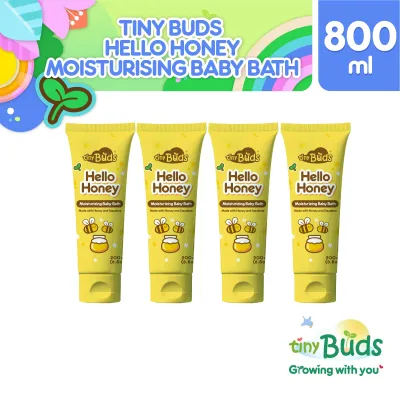
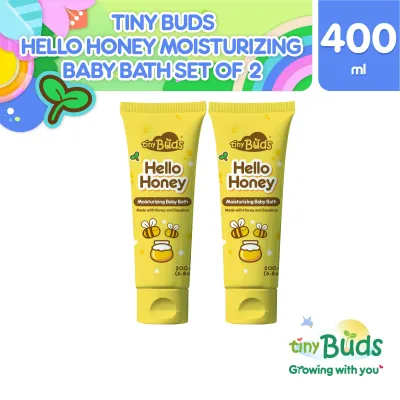
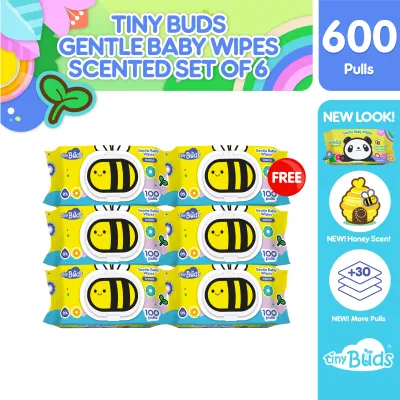
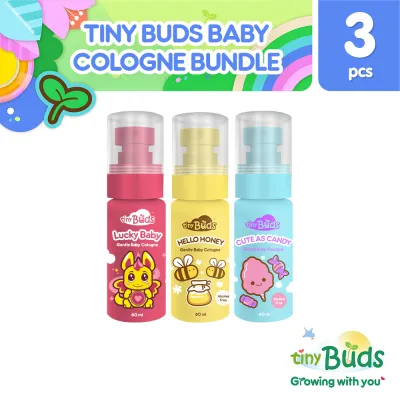
Prices are valid at publication and may change. Please refer to the product page for the latest price.
Ultimately, the benefits of any skincare product depend on the overall formulation rather than a single star ingredient. The presence of honey alone does not guarantee a product’s performance or safety. A well-designed baby skincare product uses honey as a supporting ingredient within a mild, non-stripping base. This base should consist of gentle surfactants, nourishing carrier oils, and pH-balanced components designed specifically to respect the delicate nature of infant skin.
Evaluating Honey-Based Products: What to Check on the Label
When shopping for honey-infused baby products, start by examining the ingredient list, which is typically ordered by concentration from highest to lowest. If honey or honey extract—often listed by its scientific name, Mel extract or Mel—appears near the very bottom of a long list, its concentration is likely minimal. Conversely, its position should be balanced with safe, nourishing carrier ingredients rather than harsh fillers. Understanding where the ingredient sits helps you make an informed decision about its potential efficacy.

Next, check the label for potential irritants that could counteract the soothing properties of honey. Even the gentlest honey-based wash can cause issues if it is packed with synthetic fragrances, artificial colorants, or strong essential oils. Infant skin is highly sensitive to added perfumes, which are a common trigger for contact allergies and dryness. Look for products labeled fragrance-free or those that use extremely mild, hypoallergenic scents, and avoid harsh sulfates like sodium lauryl sulfate (SLS) that strip natural oils.
Finally, always verify the manufacturer’s age recommendations, expiration dates, and specific product instructions on the packaging. Some products are formulated specifically for older babies, while others are suitable from birth. Additionally, check the expiration date or the period-after-opening (PAO) symbol, which looks like a tiny open jar with a number, to ensure the preservatives are still active and effective. Following these manufacturer guidelines is a crucial step in maintaining skincare safety.
How to Safely Introduce Honey Skincare to Your Baby's Routine
Before applying any new honey-infused lotion or bath wash to your baby’s entire body, perform a simple patch test. Apply a small, pea-sized amount of the product to a discreet area of your baby’s skin, such as the inner forearm or behind the ear. This step is essential for identifying any localized sensitivities before exposing larger areas of the body to a new formulation.
Leave the product on the test area and monitor the skin closely over a 24- to 48-hour period. Look for any signs of redness, swelling, tiny bumps, or itching. If any reaction occurs, wash the area immediately with plain water and do not use the product again. If the skin remains clear and calm after 48 hours, you can gradually introduce the product into their daily routine, starting with small amounts.
In warm, humid climates like the Philippines, baby skincare needs can change rapidly. High humidity can lead to sweat rash or clogged pores if heavy, occlusive creams are used excessively. For tropical environments, lightweight honey-infused lotions or gentle, rinse-off bath washes are often more comfortable for daily use than thick, heavy balms. Monitor how your baby’s skin reacts to the weather and adjust the frequency of application to keep their skin clean, dry, and comfortable.
When to Avoid or Stop Using Honey-Infused Skincare
Stop using any honey-based skincare product immediately if you notice signs of contact dermatitis, such as persistent redness, dry flaky patches, or raised hives. Infant skin can develop sensitivities over time, so a reaction can occur even after several successful uses. Continuing to use a product on irritated skin can worsen the condition and lead to secondary infections.
Never apply honey-infused skincare products, even those formulated for babies, onto broken skin, open scratches, oozing eczema patches, or severe diaper rashes. While honey is historically known for soothing properties, commercial cosmetic formulations are not sterile medical treatments and can cause stinging or introduce unwanted moisture to raw wounds. Keep the area clean and dry, and stick to products specifically recommended by a healthcare professional for damaged skin.
If your baby develops a persistent skin rash, severe dryness, or an allergic reaction that does not improve after discontinuing the product, consult a pediatrician or a pediatric dermatologist. Do not attempt to treat moderate to severe skin conditions with over-the-counter cosmetic products. A healthcare professional can provide an accurate diagnosis, identify specific allergens, and recommend appropriate, targeted treatments to restore your baby’s skin health.
Frequently Asked Questions (FAQ)
Can I use regular kitchen honey on my baby's skin instead of formulated products?
No, you should not use regular kitchen honey directly on your baby’s skin. Raw kitchen honey is highly sticky, which can trap dirt, sweat, and environmental allergens against your baby’s delicate skin, leading to irritation or clogged pores. Furthermore, raw honey is not formulated with cosmetic preservatives, meaning it can easily harbor bacteria or mold once exposed to air and moisture in a bathroom environment. Formulated baby products use purified, stabilized honey extracts designed to deliver benefits without the physical mess or microbial risks of raw food items.
Is honey in skincare safe for newborns under one month old?
Newborn skin under one month of age is exceptionally fragile, thin, and still developing its natural protective barrier. Most pediatricians recommend using only plain water or extremely mild, fragrance-free cleansers specifically formulated for newborns during the first few weeks of life. Before introducing any specialty ingredients, including honey extracts, check the manufacturer’s packaging for newborn-safe labeling and consult your pediatrician to ensure the product is appropriate for your baby’s specific skin development stage.

Community discussion
Share your experience or ask a question. Comments are reviewed before publication.