
Deciding whether to buy a home fetal doppler is a common crossroads for many expectant parents. While the idea of listening to your baby’s heartbeat from the comfort of your living room is highly appealing, a home fetal doppler is not a medical necessity. Regular prenatal checkups with a qualified healthcare professional remain the safest, most reliable way to monitor your baby’s development. While these handheld consumer devices can offer a temporary sense of connection, they cannot replace clinical assessments and carry risks of user error, false reassurance, and unnecessary anxiety.
Understanding Home Fetal Dopplers vs. Routine Prenatal Care
A consumer-grade home fetal doppler is a handheld device that uses ultrasound technology to detect movement within the womb, specifically translating the movement of blood through your baby’s heart into an audible sound. The device emits high-frequency sound waves that bounce off moving structures, like a beating heart, translating the frequency shift into a rhythmic sound. This is the same basic technology used in clinical settings, but consumer versions are designed with lower specifications for home use.
In contrast, routine prenatal care in a clinical setting is a comprehensive approach to monitoring both maternal and fetal health. During a standard prenatal visit, an obstetrician or midwife does far more than listen to a heartbeat; they measure blood pressure, track maternal weight, check urine samples, measure fundal height, and perform diagnostic ultrasounds to evaluate structural development and amniotic fluid levels. These visits provide a holistic view of the pregnancy that no single audio device can replicate.
Products mentioned in this guide
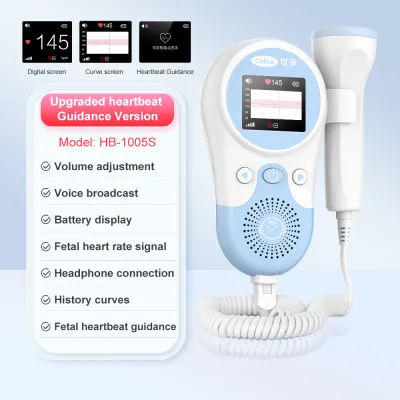
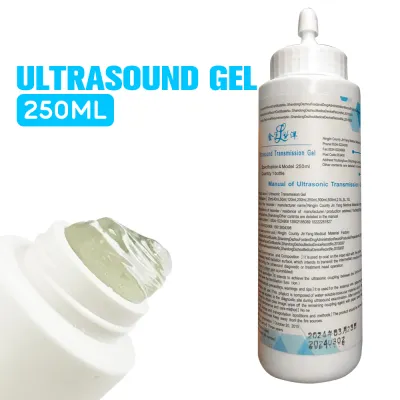
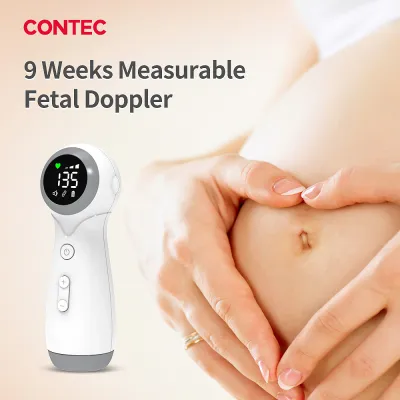
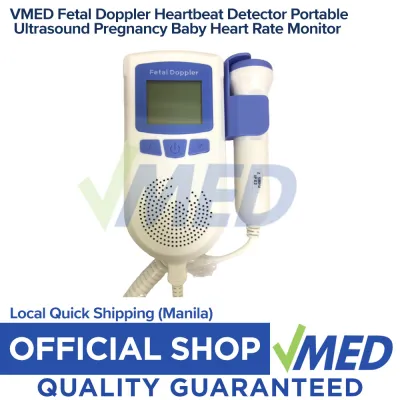
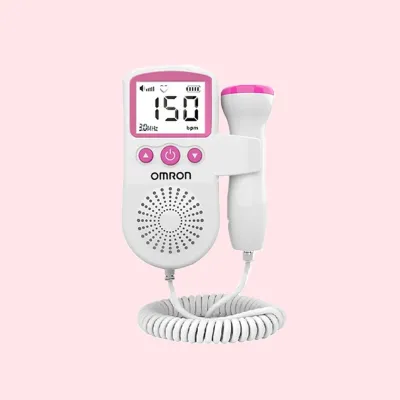
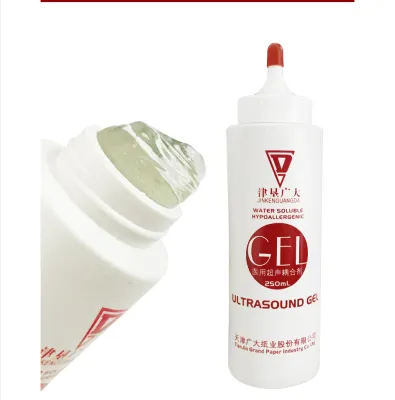
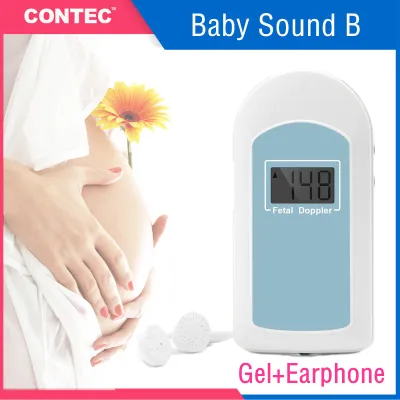
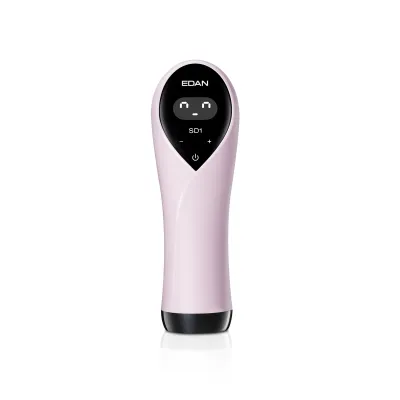
Prices are valid at publication and may change. Please refer to the product page for the latest price.
The equipment used in a clinic also differs significantly from over-the-counter devices. Medical-grade dopplers are highly calibrated, sensitive instruments. More importantly, they are operated by trained professionals who have undergone years of clinical education to accurately interpret what they hear. Consumer-grade devices sold on online marketplaces are often less sensitive, more prone to static interference, and lack the diagnostic precision required to make clinical judgments.
Signs a Home Fetal Doppler Might Be Right for You
For some expectant parents, a home fetal doppler can serve as a source of emotional reassurance between scheduled prenatal appointments. The weeks between clinical visits can feel incredibly long, especially during the second trimester before fetal movements, known as “quickening,” become regular. For those who have experienced previous pregnancy losses, hearing the heartbeat can offer a brief moment of comfort and help manage daily anxiety.

There is also emotional value in early family bonding. In the Philippines, sharing the sound of a baby’s heartbeat with partners, older children, or grandparents at home can make the pregnancy feel more real. It allows family members who cannot attend clinical appointments due to work schedules or clinic visitor limits to feel connected to the growing baby in a personal, relaxed setting.
In rare, specific high-risk pregnancy contexts, a healthcare provider might suggest or supervise the use of a home monitor as part of a structured care plan. However, this is always done under strict professional guidance. The doctor or midwife will typically train the parent on how to use the device, specify how often to use it, and outline exact protocols for what to do if an anomaly is suspected. Without this explicit medical recommendation, independent use is generally discouraged.
Risks, Limitations, and the Danger of False Reassurance
One of the primary challenges of using a home fetal doppler is the technical difficulty of locating the heartbeat. The pelvic and abdominal areas are filled with various sounds, including the maternal pulse, placental blood flow, and digestive noises. To an untrained ear, these sounds can easily be mistaken for the baby’s heartbeat, leading to confusion and incorrect assumptions about the baby’s state.
This difficulty leads directly to the most critical risk: the danger of false reassurance. If an expectant mother notices a decrease in fetal movement but uses a home doppler and mistakes another sound for a healthy heartbeat, she may delay seeking urgent medical attention. In reality, the baby could be in distress, and delaying clinical evaluation can have devastating consequences. A heartbeat sound alone does not guarantee that a baby is healthy.
Furthermore, international health authorities warn against the unregulated use of ultrasound technology at home. While diagnostic ultrasound is safe when performed by trained professionals for medical purposes, there is a lack of long-term safety data regarding frequent, prolonged, and unregulated exposure from consumer devices. The energy emitted by these devices, though low, still introduces acoustic energy into the body, and medical consensus advises keeping ultrasound exposure to a minimum.
It is vital to establish clear boundaries for when to stop using the device. If you experience warning signs such as vaginal bleeding, severe abdominal cramping, fluid leaking, or a sudden change or reduction in your baby’s movement patterns, you must stop trying to use the home doppler. These are urgent medical situations that require immediate professional evaluation at a hospital or clinic, regardless of whether you think you can hear a heartbeat at home.
Decision Checklist: Evaluating Your Need for a Home Monitor
To help you decide whether a home fetal doppler is a practical addition to your pregnancy journey, consider this evaluation framework. First, ask your OB-GYN or midwife directly for their professional opinion on whether a home doppler is appropriate for your specific pregnancy. If they agree, ask them to demonstrate the correct technique during your next clinic visit so you can learn how to position the probe and distinguish the fetal heartbeat from your own pulse.
Next, perform an honest self-assessment of your anxiety levels. Reflect on how you will react if you cannot find the heartbeat during a home session. If a temporary inability to locate the sound causes you to panic or experience severe stress, the device may negatively impact your mental health. A tool meant for reassurance should not become a source of daily anxiety.
Budget is another practical factor to weigh. A reliable, consumer-grade fetal doppler can cost anywhere from ₱1,500 to ₱4,500 on local ecommerce platforms. Consider whether this budget would be better spent on other pregnancy essentials, such as high-quality prenatal vitamins, preparing the nursery, or contributing to your delivery fund. Investing in professional prenatal care and regular checkups always yields a higher safety return than purchasing home gadgets.
Finally, explore alternative, evidence-based ways to monitor your baby’s well-being at home. In the later stages of pregnancy, typically starting around the 28th week, tracking daily fetal kick counts is a highly recommended, free, and non-invasive method. By paying close attention to your baby’s natural active periods and counting movements, you build a deep understanding of their unique patterns. This daily awareness is often far more clinically valuable for detecting potential issues than trying to interpret audio signals from a handheld doppler.
Frequently Asked Questions (FAQ)
Is it safe to use a fetal doppler every day?
Medical professionals generally advise against daily use of home fetal dopplers. Although ultrasound technology is safe when administered by trained clinicians for medical reasons, there is insufficient long-term safety data regarding frequent, unregulated exposure from consumer devices. To minimize any potential risks, it is best to limit use to occasional, brief sessions of a few minutes, or avoid home use entirely.
Can a home doppler replace regular prenatal checkups?
No, a home fetal doppler can never replace regular prenatal checkups. A home device only provides an audio representation of a heartbeat, which is just one small indicator of fetal health. It cannot measure fetal growth, assess amniotic fluid levels, check placental function, or diagnose structural abnormalities. Regular clinical visits are essential for comprehensive maternal and fetal assessments.
What should I do if I cannot find the heartbeat at home?
If you cannot find the heartbeat, do not panic, as this is very common. In early pregnancy, the baby is extremely small and can easily hide behind the pelvic bone. Even in later weeks, the baby’s position, the location of the placenta, or maternal tissue can temporarily block the signal. However, if you are experiencing reduced fetal movement, physical discomfort, or persistent worry, stop using the device and contact your healthcare provider immediately.
Community discussion
Share your experience or ask a question. Comments are reviewed before publication.