
Selecting the right formula milk for your child is a highly individualized decision that directly impacts their daily comfort and development. With numerous options on the shelves, parents often find themselves comparing prominent brands like HiPP, Nido, NAN, and Enfagrow. There is no single “best” formula milk for every child; the right choice depends on your baby’s current developmental stage, digestive tolerance, and your family’s budget. This guide compares the general positioning of these four brands, providing a structured framework to help you evaluate nutritional labels, calculate true feeding costs, and match a specific brand to your baby’s observable needs. Always consult your pediatrician before making significant changes to your baby’s diet.
Understanding the Core Positioning of HiPP, Nido, NAN, and Enfagrow
Each of these four brands approaches early childhood nutrition with a distinct formulation philosophy. HiPP is widely recognized for its emphasis on organic farming standards, utilizing ingredients sourced from certified organic farms that avoid synthetic pesticides and chemical fertilizers. This brand appeals to parents seeking a formulation closely aligned with European organic regulations.
Nido, on the other hand, is primarily positioned as a growing-up milk designed for older toddlers and school-aged children. Its formulations generally focus on providing a rich, whole milk-based taste fortified with essential micronutrients to support the high energy demands of active, growing kids.
Products mentioned in this guide
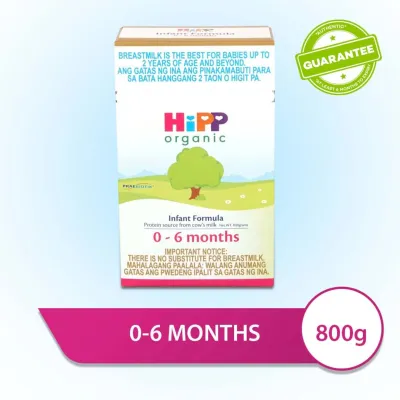
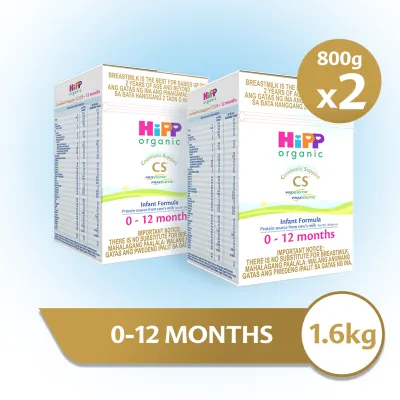

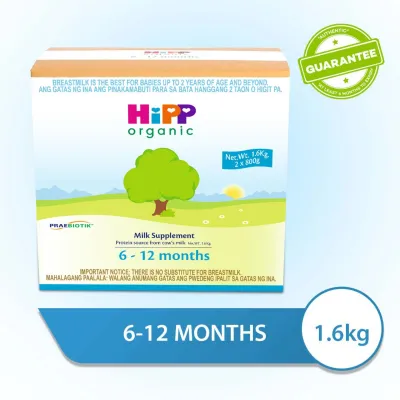
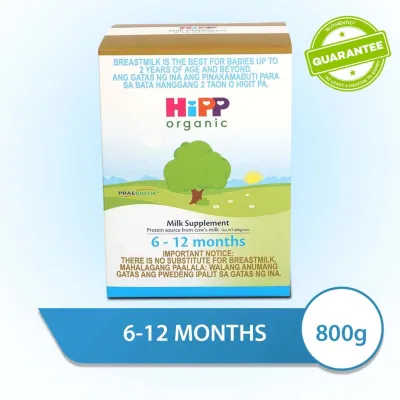
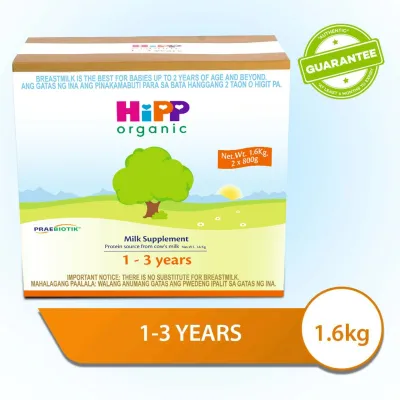
Prices are valid at publication and may change. Please refer to the product page for the latest price.
NAN focuses heavily on digestive comfort and gut health. Many of its variants incorporate specific probiotic strains or partially hydrolyzed proteins, which are designed to be easier on a developing infant’s sensitive digestive system.
Enfagrow centers its brand identity on cognitive development and brain growth. Its formulations typically highlight specific levels and ratios of docosahexaenoic acid (DHA) and arachidonic acid (ARA), which are key structural components of the brain and eyes.
While these general brand identities provide a helpful starting point, actual formulations vary significantly by stage, such as infant, follow-on, or growing-up milk. Because ingredients and nutritional values change across different variants, the ingredient list on the specific product packaging remains the only reliable source of truth.
Key Nutritional Dimensions to Compare on the Label
To make an objective comparison, you must look past front-of-pack marketing claims and analyze the detailed Nutrition Facts panel on the back of the tin.

Macronutrients and Essential Additions
When comparing formula tins, start by evaluating the macronutrient density per 100 grams of powder or per 100 milliliters of prepared feed. This allows you to compare the actual protein, fat, and carbohydrate ratios across different brands. Pay close attention to the protein source and the ratio of whey to casein, as whey is generally easier for young infants to digest.
Iron content is another critical metric, particularly for infants older than six months whose natural iron stores begin to deplete. Check the iron levels on the label and verify with your pediatrician whether the amount aligns with local pediatric recommendations for your baby’s age.
Additionally, look for explicit declarations of DHA and ARA amounts in the nutrient table. Rather than relying on generic claims of “brain-building nutrients,” compare the actual milligrams per serving to understand the exact nutritional value your child is receiving.
Sugar Content and Carbohydrate Sources
Carbohydrates provide the primary energy source in formula milk, but the type of carbohydrate used varies significantly between brands. Lactose is the natural sugar found in breast milk and cow’s milk, and it is generally the preferred carbohydrate source for healthy infants due to its mild sweetness and digestive profile.
Some formulas substitute or supplement lactose with other carbohydrates, such as sucrose, corn syrup solids, glucose syrup, or maltodextrin. These ingredients are often used to improve solubility, adjust texture, or provide a sweeter taste, but they may not be ideal for establishing healthy early taste preferences.
To identify the primary carbohydrate source, check the first three ingredients listed on the packaging. If lactose is listed first, it is the dominant carbohydrate; if maltodextrin or corn syrup solids appear early, they make up a significant portion of the carbohydrate content.
If a brand claims “no added sucrose,” always cross-reference this with the ingredient list to ensure that table sugar or sucrose is entirely absent from the formulation.
Evaluating Cost and Value for Your Family Budget
Comparing the retail price of different formula tins can be misleading because scoop sizes, preparation ratios, and net weights vary. To understand the actual financial impact on your household budget, you must calculate the true cost per feeding.
You can determine this by using a simple calculation. First, find the recommended serving size in grams on the preparation instructions (for example, 3 scoops of 4.3 grams each equals a 12.9-gram serving). Next, divide the total net weight of the tin by this serving size to find the total number of servings per tin. Finally, divide the retail price of the tin in ₱ by the total number of servings to find the cost per serving.
For example, if an 800-gram tin costs ₱1,200 and requires 13 grams of powder per bottle, the tin yields approximately 61 servings, resulting in a cost of roughly ₱19.67 per feeding. Performing this calculation reveals that a larger, more expensive tin may sometimes offer a lower cost per serving than a smaller, cheaper alternative.
To optimize your budget, compare prices across authorized physical supermarkets, local pharmacies, and official brand flagship stores on major online marketplaces. Buying in bulk or signing up for official subscription programs can lower your baseline cost, but always verify expiration dates to ensure the product remains fresh.
Matching the Formula to Your Baby's Specific Needs
Every child’s digestive system and nutritional requirements are unique, meaning the best formula is the one your baby tolerates and thrives on. You can use the following framework to match a brand to your child’s observable needs:
Choose HiPP if you prefer a formula that adheres to strict European organic standards, utilizes lactose as its primary carbohydrate, and your baby has no known sensitivities to standard cow’s milk proteins.
Choose Nido if your child is an older toddler who has transitioned well to solid foods, does not require specialized or hypoallergenic formulas, and you want an affordable, nutrient-fortified growing-up milk with a richer taste.
Choose NAN if your baby experiences mild digestive discomfort, gas, or colic, and you want to explore formulas that include specific probiotic strains or partially hydrolyzed proteins, under the guidance of your pediatrician.
Choose Enfagrow if you are focusing on specific developmental milestones where targeted DHA and ARA ratios are a priority, and your child shows excellent digestive tolerance to standard milk formulations.
Ultimately, your baby’s physical reaction is the most important indicator of suitability. Monitor their stool consistency, skin condition for any signs of rashes, and general behavior after feeding. If you observe persistent loose stools, constipation, vomiting, or unusual fussiness, stop using the formula and consult your pediatrician immediately.
Where to Buy Safely and Verify Authenticity in the Philippines
Ensuring the safety and authenticity of your baby’s formula is paramount, especially when purchasing in the Philippines where tropical humidity can impact product integrity. Always buy your formula from established physical supermarkets, reputable drugstores, or official online flagship stores to avoid counterfeit products.
When shopping online, verify that the product listing displays an FDA Philippines registration number. You should also check the seller’s profile to ensure they possess a valid License to Operate (LTO) issued by the Food and Drug Administration.
Upon receiving the product, perform a thorough physical inspection. Check that the safety seal is completely intact and shows no signs of tampering. Verify the expiration date printed on the tin, and ensure the packaging is not dented, rusted, or punctured, as even minor damage can expose the powder to moisture and lead to bacterial contamination.
Frequently Asked Questions (FAQ)
Can I mix two different formula brands in one bottle?
Mixing two different formula brands or stages in a single bottle is generally discouraged. Each formula is designed with a precise ratio of powder to water to deliver a specific concentration of nutrients and minerals. Mixing them can alter this balance, potentially leading to digestive upset, dehydration, or unnecessary strain on your baby’s developing kidneys. If you need to transition your baby to a new brand, consult your pediatrician for a safe, gradual transition plan that typically involves replacing one full feeding bottle at a time over several days.
How do I know if my baby is allergic to a specific formula?
An allergy to formula milk, such as a cow’s milk protein allergy, typically manifests through clear physical symptoms. Watch for persistent diarrhea, vomiting, blood or mucus in the stool, severe eczema or hives, and extreme, inconsolable fussiness immediately after feeding. If you observe any of these signs, stop using the suspected formula immediately and seek professional medical evaluation from a pediatrician or pediatric allergist to obtain a proper diagnosis and safe alternative recommendations.
Community discussion
Share your experience or ask a question. Comments are reviewed before publication.