
Choosing the right formula milk for your baby is one of the most significant decisions you will make as a parent. With options like HiPP, Nido, NAN, and Enfagrow lining grocery shelves and online marketplaces in the Philippines, the sheer volume of choices can feel overwhelming. Every brand presents a unique nutritional philosophy, targeting different developmental milestones, digestive needs, and household budgets.
The quick answer is that there is no single “best” formula milk for every child. The ideal choice depends entirely on your baby’s age, specific nutritional requirements, digestive tolerance, and your family’s financial plan. For instance, parents seeking certified organic ingredients often lean toward HiPP. Those focusing on gut health and gentle digestion frequently look to NAN. Families prioritizing cognitive development and high DHA levels often choose Enfagrow, while those seeking an affordable, accessible growing-up milk for toddlers over one year old find Nido to be a practical option.
Before making any changes, it is vital to remember that breast milk is the gold standard for infant nutrition, providing unmatched immunological and developmental benefits. Always consult your pediatrician before introducing or switching formula milk, especially for infants under 12 months of age. A medical professional can help you navigate your baby’s unique health profile to ensure safe, optimal growth.
Products mentioned in this guide
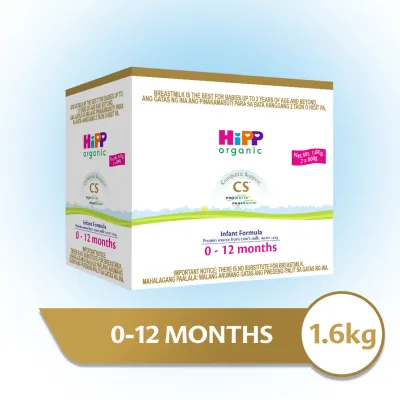
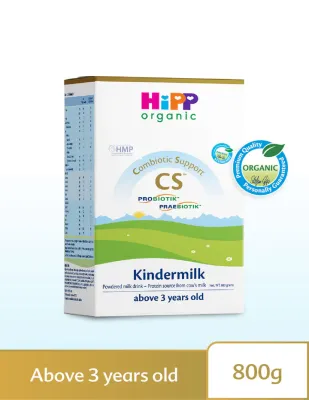
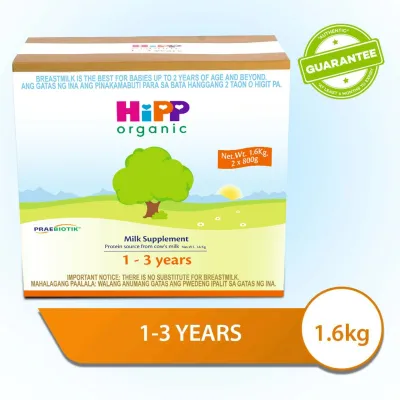
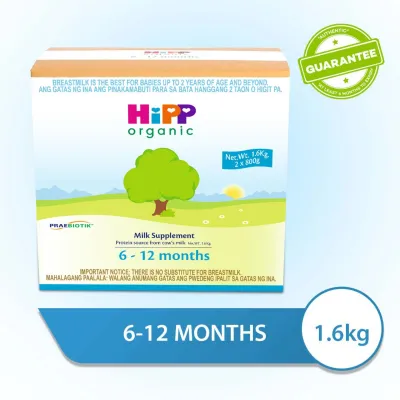
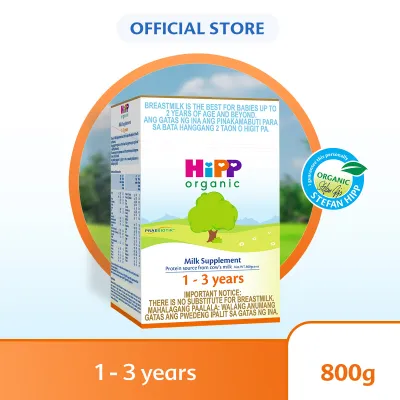
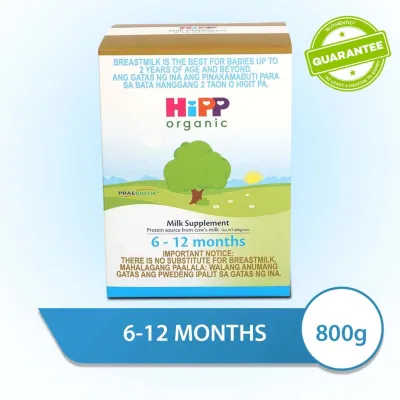
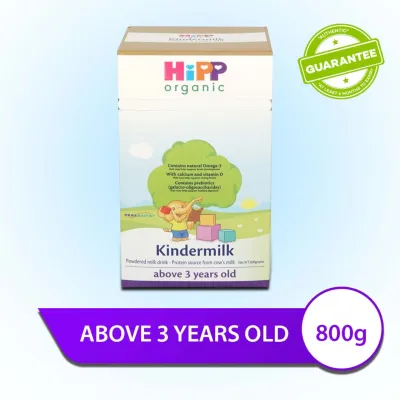
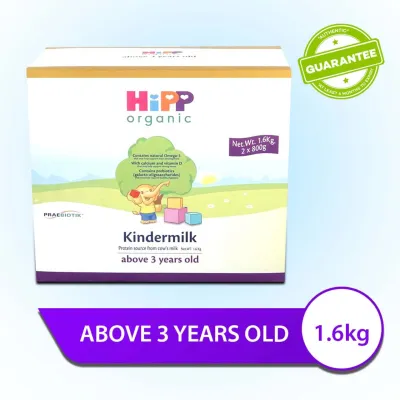
Prices are valid at publication and may change. Please refer to the product page for the latest price.
Understanding the Brands: Core Philosophy and Target Age
To make an informed decision, you must first understand what each brand stands for and who their products are designed for. Formula milk is not a one-size-fits-all product; manufacturers tailor their recipes to specific developmental stages.
HiPP: The Organic Pioneer HiPP is highly regarded for its strict adherence to European organic farming standards. The brand’s philosophy centers on working in harmony with nature, ensuring that the milk used comes from farms that do not use synthetic pesticides, chemical fertilizers, or prophylactic antibiotics. HiPP formulations focus on gentle, natural ingredients, often incorporating organic prebiotics modeled after those found in breast milk. When considering HiPP, you must verify the availability of specific stages (such as Stage 1 for newborns, Stage 2 for older infants, and Stage 3 for toddlers) in the local market, as imported stocks can sometimes fluctuate.
Nido: Accessible Growing-Up Nutrition Nido has established a massive presence in Filipino households as a reliable growing-up milk. Its core philosophy is to provide accessible, everyday nutrition packed with essential vitamins and minerals to support active toddlers. However, a critical safety distinction must be made: standard Nido powdered milk is not an infant formula substitute. It is formulated specifically for toddlers aged one year and older who are already transitioning to solid foods. Feeding standard Nido to an infant under 12 months can cause severe nutritional deficiencies and strain their immature kidneys. Always check the packaging for age-specific indicators like “1+” or “3+”.
NAN: The Digestive Specialist Produced by Nestlé, NAN focuses heavily on supporting a baby’s developing digestive system and strengthening their natural defenses. The brand’s philosophy is rooted in nutritional science, particularly in optimizing protein quality and incorporating active probiotic cultures, such as Lactobacillus reuteri. By focusing on easily digestible proteins and gut-friendly bacteria, NAN aims to minimize common infant discomforts like colic, gas, and constipation. This makes it a popular choice for parents whose babies have sensitive tummies.
Enfagrow: The Cognitive Development Advocate Enfagrow, a prominent brand under Mead Johnson, centers its entire philosophy on brain development and cognitive growth. The brand heavily emphasizes its inclusion of Docosahexaenoic Acid (DHA) and Arachidonic Acid (ARA), which are crucial structural components of the brain and eyes. Enfagrow is designed primarily for toddlers and older babies, aiming to support rapid mental, emotional, and physical milestones during the critical early years of life.
Actionable Advice for Parents Never purchase a tin of milk based on the brand name alone. You must carefully inspect the physical label to verify the target age stage. A brand like NAN offers Stage 1 (0–6 months), Stage 2 (6–12 months), and Stage 3 (1–3 years) formulas, each with vastly different protein-to-whey ratios and micronutrient levels. Buying the wrong stage can lead to digestive distress or inadequate nutrition.
Comparing Nutrition Profiles: How HiPP, Nido, NAN, and Enfagrow Stack Up
When you turn a tin of formula around to read the nutrition facts, the long list of ingredients and numbers can be confusing. To compare these brands effectively, you should focus on a few key areas: macronutrient sources, essential micronutrients, specialized additions, and the farming practices behind the milk.

Macronutrient Sources and Carbohydrate Quality The primary carbohydrate in breast milk is lactose, which provides essential energy and aids in calcium absorption. High-quality formulas, particularly those designed for infants, use lactose as their primary carbohydrate source. However, as you move to toddler formulas (Stage 3 and beyond), some conventional brands may introduce alternative carbohydrates like maltodextrin, corn syrup solids, or sucrose to manage costs or alter sweetness. When comparing HiPP, Nido, NAN, and Enfagrow, check the ingredient list. HiPP generally prioritizes organic lactose, while mainstream toddler brands like Nido or Enfagrow may utilize a blend of carbohydrates. If you prefer to avoid added sugars, look for products where lactose is the sole or primary carbohydrate listed.
Key Micronutrients: Iron, Calcium, and Vitamin D Your child’s micronutrient needs change rapidly as they grow. For infants under six months, iron levels in formula are carefully regulated to prevent anemia. For toddlers over one year, calcium and Vitamin D become paramount to support bone elongation and dental development. Nido and Enfagrow, being heavily geared toward toddlers, are fortified with robust levels of calcium and Vitamin D to complement a solid food diet. When evaluating these brands, compare the daily value percentages based on your pediatrician’s specific recommendations for your child’s age and dietary gaps.
Specialized Additions: Probiotics, Prebiotics, and DHA The inclusion of functional ingredients is where these brands diverge most significantly:
- Prebiotics and Probiotics: NAN is highly recognized for its inclusion of live probiotics, which actively colonize the gut to promote healthy digestion. HiPP utilizes organic prebiotics (galacto-oligosaccharides or GOS), which serve as food for beneficial gut bacteria. Both approaches aim to mimic the gut-supporting properties of breast milk.
- DHA and ARA: Enfagrow is famous for its high levels of DHA, positioning itself as a premium option for brain development. While HiPP and NAN also include DHA (as required by modern nutritional standards), Enfagrow often highlights its specific lipid blends designed to maximize cognitive support.
Organic vs. Conventional Sourcing The organic certification on HiPP tins represents a fundamental difference in sourcing. Organic farming means the dairy cows graze on pastures free from chemical pesticides and fertilizers, and the cows themselves are not treated with growth hormones. Mainstream brands like Nido, NAN, and Enfagrow use conventionally sourced milk. While conventional milk is entirely safe and strictly regulated to ensure it meets national food safety standards, parents who want to minimize their child’s exposure to trace agricultural chemicals often find the premium cost of organic sourcing worthwhile.
Safety Boundary and Verification Formula manufacturers update their recipes and ingredient sources frequently to comply with new scientific findings and local regulatory updates. Therefore, you should never rely solely on online comparison charts or historical brand reputation. Always read the exact nutritional panel on the physical tin you hold in your hands before purchasing to ensure it aligns with your baby’s current dietary needs.
Price and Availability in the Philippines
Managing the ongoing cost of formula milk is a practical reality for Filipino families. Because formula feeding is a daily, long-term commitment, understanding the price positioning and sourcing channels of these brands is essential for long-term budget planning.
Price Positioning and Cost-Per-Serving Calculations The brands fall into distinct pricing tiers in the Philippine market:
- Premium/Imported Tier: HiPP sits at the top of the price spectrum. Because it is imported from Europe and carries certified organic credentials, it commands a premium price.
- Mid-to-High Mainstream Tier: NAN and Enfagrow are positioned as premium mainstream options. They are more expensive than basic milk powders due to their specialized scientific formulations (like optimized proteins and high DHA levels), but they are generally more affordable than organic imports.
- Budget-Friendly/Value Tier: Nido is highly economical. It is designed to be an affordable daily growing-up milk for toddlers, making it highly accessible for middle-class and budget-conscious Filipino households.
To understand the true financial impact, do not just look at the price of the tin. Calculate the cost per serving. Look at the net weight of the tin (e.g., 800g vs. 900g) and the manufacturer’s recommended scoop-to-water ratio. A slightly cheaper tin that requires more scoops per bottle may end up costing more per week than a premium tin with a more concentrated serving size.
Availability Channels in the Local Market Finding your chosen brand consistently is crucial; sudden formula switches due to stockouts can upset your baby’s stomach. Nido, NAN, and Enfagrow enjoy widespread distribution across the Philippines. You can easily find them in local grocery aisles, major supermarkets, neighborhood drugstores, and general e-commerce platforms. HiPP, however, has a more limited distribution network. While it is increasingly available in premium supermarkets in major metropolitan areas, you may need to rely on specialized baby boutiques or official online flagship stores to secure a steady supply.
Authenticity, Storage, and Safety The tropical climate of the Philippines—characterized by high humidity and high temperatures—presents unique challenges for milk powder storage. When buying formula, especially from online marketplaces, only purchase from official brand stores or highly reputable, authorized distributors. Avoid suspiciously discounted listings, which may indicate counterfeit products, parallel imports not formulated for the local climate, or expired stock. Always inspect the physical tin upon delivery: ensure the safety seal is completely intact, the tin is not dented (which can compromise the inner lining), and the expiration date is clearly printed and valid.
Decision Framework: How to Make Your Final Choice
To help you finalize your decision, use this structured framework to match a brand’s unique strengths with your family’s specific priorities and your baby’s health profile.
Choose HiPP if:
- You prioritize certified organic ingredients and want to minimize your baby's exposure to synthetic pesticides and GMOs.
- Your household budget comfortably accommodates a premium-priced formula over several months or years.
- You live in an area with reliable access to premium supermarkets or are comfortable ordering regularly from official online distributors.
Choose NAN if:
- Your baby experiences mild digestive issues such as gas, bloating, or irregular bowel movements, and you want a formula focused on gut health.
- You want the benefits of active probiotics and optimized, easy-to-digest proteins.
- You prefer a widely available brand that balances advanced digestive science with mainstream accessibility.
Choose Enfagrow if:
- Your primary focus is supporting your growing toddler's cognitive, visual, and language development milestones.
- You want a formula with a strong, clinically focused emphasis on high DHA and ARA levels.
- You require a highly accessible brand that you can easily purchase during your regular grocery runs anywhere in the country.
Choose Nido if:
- Your child is a toddler over one year of age who is already eating a diverse, healthy diet of solid foods.
- You are looking for a highly cost-effective, everyday milk to supplement your toddler's nutritional intake.
- You want a reliable, widely distributed brand that fits a practical, everyday household budget.
Critical Medical Verification If your baby has been diagnosed with a specific medical condition, such as Cow’s Milk Protein Allergy (CMPA), severe lactose intolerance, or chronic reflux, standard commercial formulas from any of these brands are not suitable. Feeding standard formula to a baby with CMPA can cause severe intestinal inflammation, vomiting, and skin rashes. In these scenarios, you must bypass standard retail options entirely. Consult your pediatrician immediately so they can prescribe a specialized hypoallergenic, extensively hydrolyzed, or amino acid-based formula tailored to your baby’s medical needs.
Frequently Asked Questions (FAQ)
Can I mix HiPP with Nido, NAN, or Enfagrow in the same bottle?
You should strictly avoid mixing different formula brands or stages within the same bottle. Each manufacturer designs their formula with a precise balance of nutrients, proteins, and minerals, along with specific water-to-powder preparation ratios. Mixing them can alter the osmotic balance of the feed, leading to severe dehydration, kidney strain, or digestive issues like constipation and vomiting. If you need to switch brands, do so by replacing entire feeds gradually rather than blending powders in a single bottle.
How do I safely transition my baby from one brand to another?
To transition your baby safely and minimize digestive distress, implement a gradual transition plan over 5 to 7 days. Start by replacing just one feeding on the first day with the new formula, keeping the rest of the day’s feedings as the old formula. Gradually increase the number of new formula bottles over the subsequent days. During this transition period, closely monitor your baby for any signs of allergy, changes in stool consistency, excessive gas, or unusual fussiness. If you notice persistent discomfort, stop the transition and consult your pediatrician.
Does powdered formula need to be refrigerated after opening?
No, opened tins of powdered formula—including organic options like HiPP—should never be stored in the refrigerator. The cold environment of a refrigerator introduces condensation and moisture every time you open the tin, which causes the powder to clump, degrades the nutrients, and increases the risk of bacterial contamination. Instead, store the tightly sealed tin in a cool, dry cupboard away from direct sunlight and heat sources. Always follow the manufacturer’s instructions regarding how quickly the powder must be consumed after opening, which is typically within three to four weeks.
Community discussion
Share your experience or ask a question. Comments are reviewed before publication.