
Choosing the right toddler formula for a child aged 1 to 3 years is a significant decision for parents navigating the transition from breast milk or infant formula to solid foods. At this stage of development, a toddler’s nutritional needs shift dramatically as they become more active and begin to explore a wider variety of family foods. While solid foods should gradually become their primary source of nutrition, toddler milk can serve as a practical supplement to fill potential nutritional gaps.
In the Philippines, parents are faced with a diverse selection of toddler formulas, including HiPP Organic, Nido, Enfagrow, and NAN. Each of these brands targets different parental priorities, ranging from organic ingredient sourcing to specific brain-development nutrients or digestive support. Navigating these options requires understanding what to look for on the nutrition facts panel and how to match a formula’s profile to your child’s unique digestive system and taste preferences.
There is no single “best” formula for every toddler, as individual tolerance, dietary habits, and family budgets vary. Instead, the ideal choice is the one that your child digests comfortably, accepts readily, and fits sustainably into your household budget. Before making any changes to your child’s diet, it is essential to consult a pediatrician to ensure the chosen formula aligns with their growth and developmental milestones.
Products mentioned in this guide
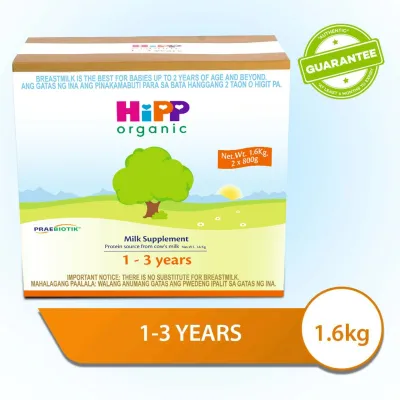
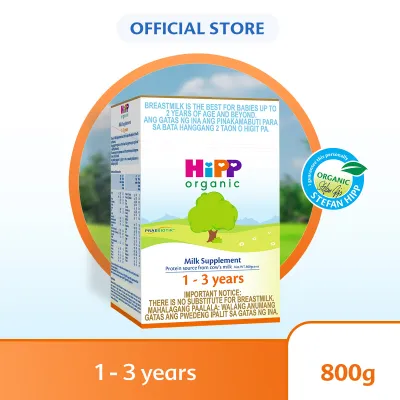
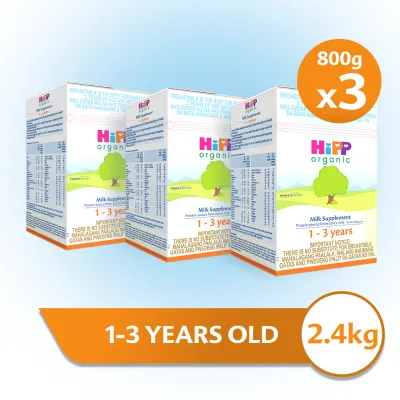
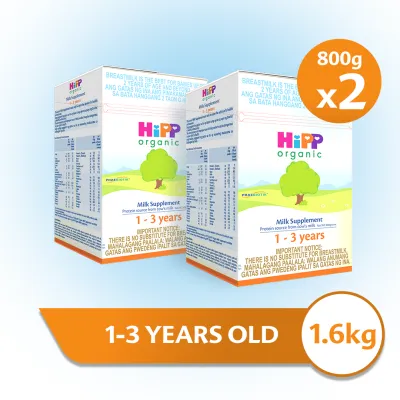
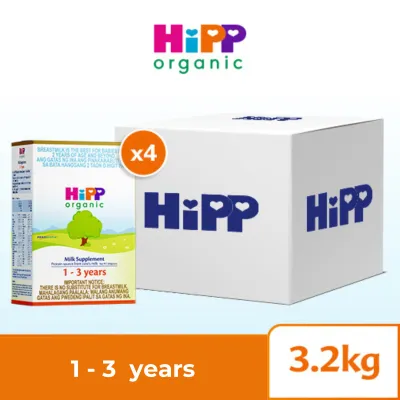
Prices are valid at publication and may change. Please refer to the product page for the latest price.
Key Criteria for Evaluating Toddler Formulas
When evaluating toddler formulas for children aged 1 to 3, it is important to recognize that these products are formulated specifically for the nutritional needs of older toddlers. Unlike infant formulas, which serve as a sole source of nutrition, toddler milks are designed to complement a diet of solid foods. They are often fortified with specific vitamins and minerals that toddlers might miss if they are going through a picky eating phase.
To make an informed comparison, parents should develop the habit of reading the ingredient list and nutrition facts panel on the packaging. Key elements to verify include the presence of organic certification logos, which indicate that the ingredients were produced without synthetic pesticides or chemical fertilizers. Additionally, check for added sugars, such as sucrose, corn syrup solids, or maltodextrin, as well as artificial flavorings, which can impact dental health and shape a child’s preference for overly sweet foods.
Essential nutrients to look for on the label include iron, calcium, vitamin D, and zinc, which support bone development, immune function, and cognitive growth. Some formulas also include specialized ingredients like docosahexaenoic acid (DHA), arachidonic acid (ARA), and prebiotics or probiotics. Because every child’s digestive system matures at a different rate, consulting a pediatrician is a crucial first step before introducing a new formula, particularly if your child has a history of food allergies, reflux, or sensitive digestion.
HiPP Organic vs Nido vs Enfagrow vs NAN: Feature Comparison
Comparing these four prominent brands requires looking closely at their ingredient sourcing, nutritional additions, and taste profiles. Each brand has established a distinct identity in the market, making them suitable for different parental preferences and nutritional goals.

Ingredient Sourcing
HiPP Organic distinguishes itself through its strict adherence to organic farming standards. The brand emphasizes that its milk comes from biodynamic farms, meaning the cows graze on pastures free from synthetic chemical fertilizers and pesticides. Parents interested in minimizing their child’s exposure to agricultural chemicals should look for the European Union organic leaf logo or other recognized organic certifications on the HiPP packaging. In contrast, Nido, Enfagrow, and NAN utilize conventional dairy sourcing. While conventional milk is highly regulated and safe, it does not carry organic certifications.
Nutritional Additions
When reviewing the nutrition facts panels, you will find that each brand emphasizes different functional ingredients. Enfagrow often highlights its focus on brain-support nutrients, featuring specific levels of DHA, iron, and zinc. NAN typically emphasizes digestive comfort, incorporating specific probiotic strains, such as Lactobacillus reuteri, alongside optimized protein blends. Nido frequently focuses on overall growth and immunity, fortifying its milk with vitamins A, C, and D, alongside zinc and iron. HiPP Organic includes prebiotic dietary fibers modeled on breast milk to support healthy gut flora. Parents should compare these labels directly to see which specific nutrient ratios align with their pediatrician’s recommendations.
Taste and Sweeteners
Taste acceptance is a major factor in whether a toddler will drink a formula. Some conventional brands may include added sugars or flavorings, such as vanilla, to make the milk more appealing to young children. While this can help with picky eaters, it is important to check the ingredient list for terms like sucrose or corn syrup solids. HiPP Organic generally avoids added sugars and artificial flavorings, relying on the natural sweetness of lactose. This can result in a milder, more natural milk taste, which may require an adjustment period if your child is used to sweeter conventional milks.
Comparison Table Outline
To help you organize your observations when shopping, use the following framework to compare the options available on store shelves. Note that specific formulations, packaging sizes, and preparation instructions can change, so always verify these details directly on the product packaging before purchasing.
| Feature | HiPP Organic | Nido | Enfagrow | NAN |
|---|---|---|---|---|
| Primary Sourcing | Certified Organic | Conventional | Conventional | Conventional |
| Key Label Claims | Organic certification, prebiotic fibers | Fortified for growth and immunity | Focus on DHA and brain development | Focus on probiotics and digestive comfort |
| Common Formats | Tins, cardboard boxes | Tins, flexible pouches | Tins, box packs | Tins |
| Sweeteners to Check | Lactose (natural milk sugar) | Verify sucrose or corn syrup on label | Verify maltodextrin or sucrose on label | Verify lactose or maltodextrin on label |
| Preparation Check | Refer to packaging scoop ratio | Refer to packaging scoop ratio | Refer to packaging scoop ratio | Refer to packaging scoop ratio |
Taste Acceptance and Digestibility Considerations
Introducing a new toddler formula can sometimes lead to resistance, especially if the child is accustomed to the taste of breast milk or a different brand. To ease this transition and improve taste acceptance, parents should employ a gradual transition strategy. Instead of switching abruptly, try mixing the old and new formula together over several days. Start with a ratio of three-quarters of the old formula to one-quarter of the new formula, gradually increasing the proportion of the new formula as the child adjusts to the taste.
During this transition period, it is vital to monitor your child for any observable signs of digestive discomfort. These signs can include a sudden change in stool consistency (such as diarrhea or severe constipation), excessive gas, abdominal bloating, or unusual fussiness during or after feedings. If you observe any of these symptoms, it is best to stop using the new formula and consult your pediatrician to determine if the reaction is a temporary adjustment or a sign of intolerance.
Parents must also be diligent about checking product labels for specific allergen warnings. Standard toddler formulas are derived from cow’s milk and contain lactose and milk proteins, which are common triggers for children with sensitivities. If your child has a diagnosed cow’s milk protein allergy or lactose intolerance, standard versions of HiPP Organic, Nido, Enfagrow, or NAN will not be suitable. In such cases, a healthcare professional must guide you toward specialized, hypoallergenic, or lactose-free alternatives.
Assessing Value and Product Authenticity
Evaluating the cost-effectiveness of a toddler formula involves more than comparing the retail price of the tin. Because scoop sizes and preparation instructions vary significantly between brands, the most accurate way to assess value is to calculate the cost per serving. To do this, check the preparation instructions on the back of the packaging to see how many grams of powder are required per serving, and divide the total net weight of the container by this amount to find the total number of servings per tin.
In the Philippine market, ensuring product authenticity is critical for your child’s safety. Counterfeit or improperly stored milk products can pose serious health risks. To guarantee you are purchasing genuine products, buy exclusively from authorized physical supermarkets, reputable pharmacies, or official brand stores on established e-commerce platforms. Avoid purchasing from unverified third-party online sellers who cannot guarantee the supply chain or storage conditions of the product.
Before purchasing or preparing any formula, perform a thorough physical check of the packaging. Ensure that the safety seal is completely intact, the tin is free of dents or rust, and the expiration date is clearly printed and has not been altered. In a tropical climate characterized by high heat and humidity, proper storage is essential. Once opened, formula tins must be stored in a cool, dry place—never in the refrigerator, as the temperature change can introduce moisture and lead to mold growth. Always use the opened powder within the manufacturer’s recommended timeframe, which is typically three to four weeks.
Decision Framework: Which Formula Fits Your Child?
To choose the right toddler formula, parents should weigh their family’s specific priorities, budget, and the child’s unique developmental needs. The following conditional guidelines can help you determine which brand may be the most suitable fit for your household.
- Choose HiPP Organic if: Your primary goal is to provide a diet made with certified organic ingredients, and you prefer a formula that avoids synthetic pesticides and added sugars. Be prepared to verify local availability and accommodate a premium price point in your monthly budget.
- Choose Nido if: You are looking for a highly accessible, cost-effective option that is widely available in local supermarkets and neighborhood stores, and your child prefers a classic, familiar milk taste.
- Choose Enfagrow if: You want a formula that places a strong emphasis on brain-support nutrients, such as DHA and iron, and you are comfortable verifying these specific nutritional levels on the product label.
- Choose NAN if: Your child requires a formula designed with digestive comfort in mind, featuring specific probiotic strains and optimized proteins, subject to approval from your pediatrician.
- Verify first if: Your child has a history of allergies, digestive sensitivities, or specific medical conditions. In these situations, always defer to a qualified healthcare professional before introducing any new milk product.
Frequently Asked Questions (FAQ)
Can I mix HiPP Organic with Nido, Enfagrow, or NAN?
Mixing different brands of toddler formula in the same bottle is generally not recommended. Each brand is formulated with a specific concentration of nutrients, and their corresponding scoops are calibrated to deliver the exact amount of powder needed for a precise volume of water. Mixing different powders can alter this delicate balance, potentially leading to a mixture that is too concentrated or too diluted, which can strain your toddler’s developing kidneys or cause digestive issues like constipation or diarrhea.
If you need to transition your child from one brand to another, it is safer to do so by alternating complete feeds rather than mixing the powders together in a single bottle. For example, you can offer the old formula for most feeds and introduce the new formula for just one feed a day, gradually increasing the frequency over a week. Always consult your pediatrician before initiating a transition to ensure it is done safely and matches your child’s digestive tolerance.
How long can I keep prepared toddler formula at room temperature?
Prepared toddler formula should be consumed or stored properly immediately after preparation. Under standard food safety guidelines, prepared formula should not sit at room temperature for more than two hours. In tropical climates with high ambient temperatures and humidity, bacteria can multiply much more rapidly, making it safer to use the prepared milk within one hour or discard it if left out.
If your child does not finish a bottle of formula, you must discard any remaining liquid within one hour of the start of the feeding. Do not save leftover formula in the refrigerator for later use. Once your child’s saliva mixes with the milk through the nipple or cup, bacteria are introduced into the liquid, and these bacteria can multiply quickly, posing a risk of foodborne illness if consumed later.
Is toddler formula necessary if my child is already eating solid foods?
Toddler formula is not a strict necessity for every child aged 1 to 3 years. It is designed as a nutritional supplement to complement a balanced diet of solid foods and water. If your toddler is already eating a wide variety of nutrient-dense solid foods—including fruits, vegetables, whole grains, proteins, and iron-rich foods—they may be getting all the essential vitamins and minerals they need without the aid of fortified milk.
However, for toddlers who are experiencing a picky eating phase, recovering from an illness, or showing signs of nutritional gaps, toddler formula can provide peace of mind by ensuring they receive adequate iron, calcium, and vitamins. It is highly recommended to discuss your child’s overall dietary intake and growth progress with a pediatrician, who can help you decide whether toddler formula is a beneficial addition to their daily routine.

Community discussion
Share your experience or ask a question. Comments are reviewed before publication.