
Quick Answer: Which Toddler Formula Should You Choose?
Choosing between HiPP Organic and mainstream brands like Nido, NAN, or Enfagrow depends on your family’s budget, sourcing preferences, and ingredient priorities. While certified organic formulas focus on minimally processed ingredients and strict farming standards, mainstream options prioritize targeted nutrient fortification and widespread local availability. Before purchasing any tin, always verify the exact age stage on the packaging—typically labeled as Stage 3 or specifically designated for toddlers aged 1 to 3 years—to ensure it matches your child’s developmental needs.
As toddlers transition from breast milk or infant formula to family foods, their nutritional requirements change. Toddler milks are designed to supplement a solid food diet rather than serve as a primary source of calories. If your priority is avoiding synthetic chemical residues and genetically modified ingredients, an organic option is highly suitable. If your priority is convenience, specific functional nutrients, and a budget-friendly daily cost, a mainstream brand is often the more practical choice.
Brand Positioning: Organic vs. Mainstream Formulas
Organic toddler milk is produced under strict agricultural standards that prohibit synthetic pesticides, chemical fertilizers, and genetically modified organisms (GMOs). HiPP Organic positions itself within this space, emphasizing biodynamic farming practices and a simplified ingredient list. For parents prioritizing a close-to-nature approach, these production methods offer peace of mind regarding environmental sustainability and chemical exposure. The brand focuses on maintaining a natural food chain, ensuring that the dairy cows are raised on pasture and fed an organic diet.
Products mentioned in this guide
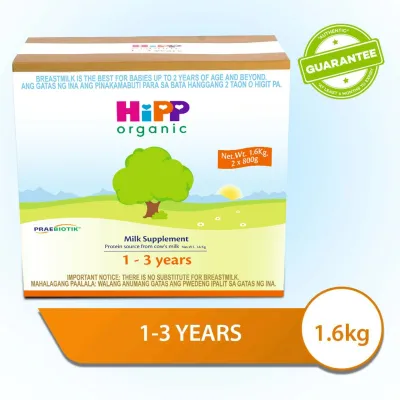
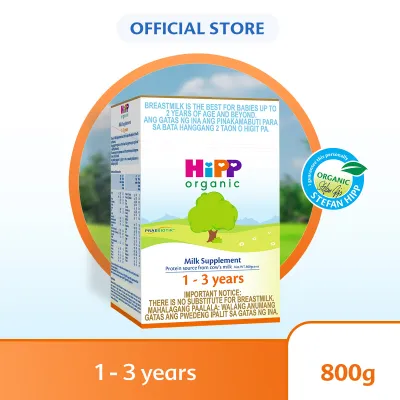
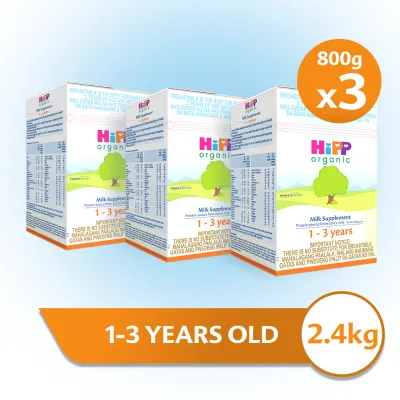
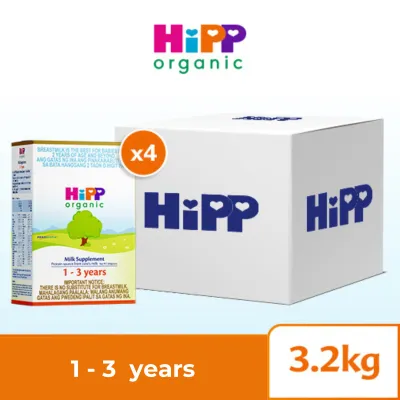
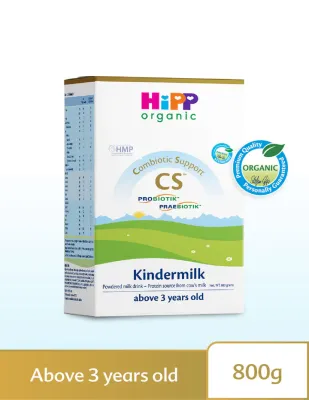
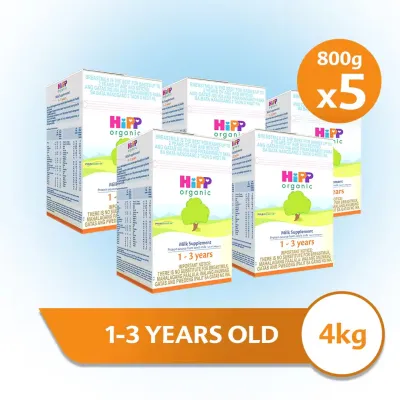
Prices are valid at publication and may change. Please refer to the product page for the latest price.

In contrast, mainstream brands like Nido, NAN, and Enfagrow focus heavily on targeted nutritional science and accessibility. These brands design their product lines to address common developmental milestones, incorporating specific blends of vitamins, minerals, and fatty acids. Their manufacturing processes allow for large-scale production, which translates to consistent supply chains and a presence in almost every local retail outlet. Rather than focusing on organic farming, these brands invest in proprietary nutrient blends, such as specialized prebiotic mixtures or clinically studied lipid profiles, to support growth and immunity.
When shopping, it is crucial to look past front-label marketing claims like “natural” or “pure.” Instead, turn the tin around to locate official organic certification logos, such as the European Union organic leaf or equivalent national regulatory seals. These certified marks guarantee that the product has met rigorous, legally binding organic standards from farm to shelf. Mainstream brands will not carry these organic seals, but they will display local regulatory approvals and detailed nutrient declarations that verify their compliance with food safety standards.
Comparing Nutrition Profiles and Ingredient Standards
Evaluating a toddler formula requires a careful reading of the nutrition facts panel on the back of the packaging. Parents should compare key macronutrients and micronutrients to see how they align with their child’s daily dietary intake. Pay close attention to the levels of iron, calcium, vitamin D, and docosahexaenoic acid (DHA), as these support bone development, cognitive function, and immune health during the active toddler years. Note that the source of these nutrients can vary; organic brands often derive them from natural sources, while mainstream brands may use synthetic fortifiers to achieve specific target levels.
Another critical factor is the presence of added sweeteners and flavorings. Mainstream formulas sometimes include sucrose, corn syrup solids, or vanilla flavorings to appeal to toddler taste preferences, whereas organic options generally rely on lactose as the primary carbohydrate source. Check the ingredient list carefully to identify any added sugars, especially if you prefer to establish low-sugar dietary habits early in your child’s life. The order of ingredients on the label is also telling, as ingredients are listed in descending order of weight.
Furthermore, the fat blend used in the formula deserves close inspection. Many brands use a mix of vegetable oils to mimic the fatty acid profile of breast milk, but the specific oils chosen—such as palm oil, coconut oil, or soy oil—can affect digestive comfort and nutrient absorption. Some parents prefer to avoid palm oil due to environmental concerns or potential impacts on calcium absorption, making it important to verify the fat sources on the ingredient list.
Because every child’s digestive system and nutritional requirements are unique, a standard comparison cannot account for individual health profiles. If your toddler has suspected food sensitivities, a family history of allergies, or requires specialized hypoallergenic options, consult a pediatrician. A healthcare professional can provide tailored guidance and recommend specific formulas designed for therapeutic or sensitive digestive needs, ensuring your child receives the correct nutritional support without triggering adverse reactions.
Price, Availability, and Sourcing in the Philippines
In the Philippines, managing the monthly household budget requires a practical look at the actual cost of feeding. Rather than comparing the retail price of the tin directly, calculate the cost per serving in ₱. You can do this by dividing the retail price by the total number of servings, which is calculated using the net weight of the tin and the recommended scoop-to-water ratio printed on the preparation instructions. This calculation often reveals that while a premium organic tin seems significantly more expensive upfront, the cost difference per day may be manageable depending on your feeding frequency.
Availability also plays a major role in your daily routine, especially during rainy seasons or humid months when travel to physical stores is less convenient. Mainstream brands like Nido, NAN, and Enfagrow are highly accessible, filling the shelves of local supermarkets, neighborhood groceries, and major pharmacies nationwide. Organic brands like HiPP are typically more specialized, often requiring a trip to high-end baby boutiques or orders through online marketplaces. Relying on a brand that is difficult to source can lead to stressful situations if a shipment is delayed or a local store runs out of stock.
When sourcing formula from online marketplaces or third-party sellers, vigilance is essential to protect your child’s health. Always verify the seller’s reputation, inspect the product photos for intact safety seals, and request confirmation of the expiration date before purchasing. Upon delivery, check the physical tin for any dents, rust, or broken seals, and store the product in a cool, dry place to prevent spoilage from tropical humidity. Once a tin is opened, it should be kept tightly sealed and used within the manufacturer’s recommended timeframe—usually three to four weeks—to maintain freshness and prevent insect contamination.
Decision Framework: Matching the Formula to Your Toddler's Needs
Selecting the right formula involves balancing your child’s physical tolerance with your family’s lifestyle and financial realities.
When to choose HiPP Organic:
- Organic Priority: You prioritize certified organic sourcing and want to minimize your child's exposure to synthetic pesticides, chemical fertilizers, or GMOs.
- Ingredient Preferences: You prefer European manufacturing standards and a formula that relies primarily on lactose without added sucrose, corn syrup, or artificial flavorings.
- Budget and Planning: Your household budget comfortably accommodates a premium price point, and you are willing to plan ahead for online ordering or specialty store visits to maintain a consistent supply.
When to choose Nido, NAN, or Enfagrow:
- Convenience and Access: You require a formula that is easily accessible at any local supermarket or pharmacy, ensuring you never run out unexpectedly during emergencies or bad weather.
- Targeted Fortification: You prefer products with highly publicized, targeted nutrient blends designed for specific developmental milestones, such as high DHA levels or specialized prebiotic fibers.
- Budget Sustainability: You need a cost-effective option that fits sustainably into a standard monthly grocery budget without causing financial strain.
Regardless of the brand you lean toward, stop and consult a healthcare professional before making a final decision if your toddler exhibits signs of lactose intolerance, chronic spit-up, skin rashes, or other digestive discomforts. A pediatrician’s evaluation is necessary to rule out underlying medical conditions before switching formulas. Always follow the manufacturer’s precise preparation instructions, using the correct water temperature and scoop measurements to ensure your toddler receives safe and balanced nutrition.
Frequently Asked Questions (FAQ)
Is toddler milk necessary for a 1 to 3-year-old?
Toddler milk is formulated as a nutritional supplement and is not a replacement for a diverse, balanced diet of solid foods. While it can help bridge nutritional gaps for picky eaters, many toddlers can obtain their necessary nutrients from whole cow’s milk and healthy meals. Consult your pediatrician to assess whether your child’s specific diet requires the additional fortification provided by toddler formula.
Can I mix different brands of toddler formula?
Mixing different brands in the same bottle or switching between them abruptly is generally not recommended, as it can cause digestive upset, gas, or changes in stool consistency. Each brand has a unique fat structure, protein ratio, and ingredient profile that your toddler’s sensitive stomach needs time to adjust to. If you must switch from a mainstream brand to an organic one, or vice versa, do so gradually over several days by slowly replacing one feeding at a time under the guidance of a healthcare professional.
Community discussion
Share your experience or ask a question. Comments are reviewed before publication.