
Transitioning your child to a toddler milk formula between the ages of 1 and 3 is a significant milestone. During this stage of rapid physical and cognitive development, active toddlers require a reliable balance of macronutrients, vitamins, and minerals to complement their solid food intake. As you browse the shelves of local supermarkets or scroll through official online flagship stores in the Philippines, you will likely find yourself comparing premium organic options like HiPP Organic with highly popular mainstream brands such as Nido, NAN, and Enfagrow.
Choosing the right formula is not about finding a single, universally ideal product, but rather identifying the option that aligns with your child’s digestive tolerance, your nutritional priorities, and your household budget. While some parents prioritize strict organic farming standards to minimize exposure to synthetic chemical residues, others look for specific functional ingredients, such as specialized prebiotic fibers or targeted brain-development nutrients. By learning how to analyze ingredient labels, calculate real-world feeding costs, and recognize your toddler’s unique digestive cues, you can confidently select a formula that supports their growth.
Understanding Organic vs. Mainstream Toddler Formulas
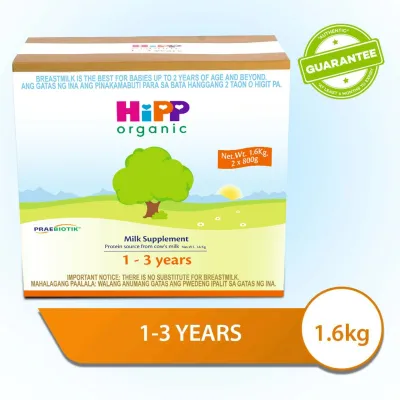
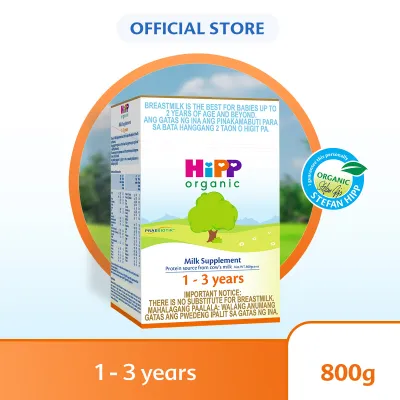
To make an informed choice, it is essential to understand the core differences in manufacturing philosophy between organic and mainstream toddler formulas. Organic certification, such as the European Union organic seal found on HiPP Organic 1-3 years packaging, requires strict adherence to ecological farming practices. This means the milk is sourced from dairy cows raised on organic pastures without the use of synthetic pesticides, chemical fertilizers, or prophylactic antibiotics. For parents who wish to minimize their child’s exposure to environmental contaminants and genetically modified organisms (GMOs), organic certification offers a verified standard of agricultural purity.
Products mentioned in this guide
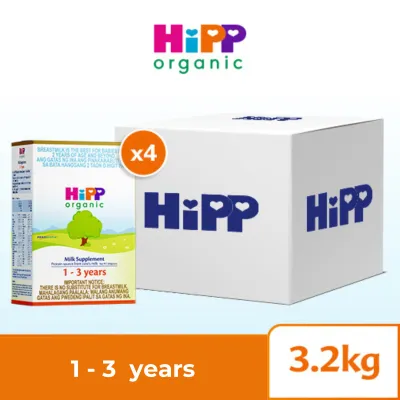
Prices are valid at publication and may change. Please refer to the product page for the latest price.
In contrast, mainstream brands like Nido, NAN, and Enfagrow focus their formulations on targeted nutritional science and functional additives. Rather than prioritizing organic sourcing, these brands design their products to deliver specific health benefits, such as immune support, cognitive development, or digestive comfort. They often fortify their formulas with proprietary prebiotic blends, specialized lipid complexes, or specific strains of probiotics that mimic the beneficial components found in human milk. These ingredients are carefully synthesized or extracted to meet strict food safety standards, though the base milk powder itself is sourced from conventional dairy farms.
When evaluating these claims, you should look closely at the packaging of each brand to verify their certifications and ingredient sources. Look for recognized organic certification logos, such as the Euro-leaf or national organic seals, which guarantee that the product has been audited by an independent third party. For mainstream formulas, examine the ingredient list to identify the specific sources of proteins, fats, and carbohydrates, ensuring that the marketing claims on the front of the tin match the actual components listed on the back.
How to Compare Nutritional Profiles for 1-3 Year Olds
Comparing the nutritional profiles of toddler formulas requires a systematic approach to reading the nutrition information panel. Start by examining the carbohydrate sources, which provide the primary energy for your active toddler. High-quality formulas typically use lactose, the natural sugar found in milk, as their primary carbohydrate source. However, some toddler formulas may contain added sugars or sweeteners, such as sucrose, corn syrup solids, maltodextrin, or glucose syrup, to improve taste or adjust texture. Checking the ingredient list for these added sugars is crucial, as a diet high in added sugars during early childhood can influence taste preferences and dental health.

Next, evaluate the protein and fat sources listed on the label. Toddler formulas for ages 1 to 3 years generally use cow’s milk protein, which may be adjusted in ratio or partially broken down (hydrolyzed) for easier digestion. The fat blend is equally important, as toddlers require healthy fatty acids for brain development and energy. Look for formulas that utilize high-quality vegetable oil blends, such as sunflower, coconut, or rapeseed oil, and check whether they are enriched with essential long-chain polyunsaturated fatty acids like Docosahexaenoic Acid (DHA) and Arachidonic Acid (ARA).
Finally, compare the levels of essential micronutrients, particularly iron, calcium, and vitamin D, which are critical for toddlers in the Philippines who may experience nutritional gaps during the transition to solid foods. Iron supports cognitive development and prevents anemia, while calcium and vitamin D are vital for strong bone and tooth formation. Note the exact milligram or microgram values per 100ml of prepared formula rather than relying on general marketing percentages. Additionally, check for functional additions such as prebiotics (like GOS or FOS) and probiotics (such as Lactobacillus or Bifidobacterium strains) on the specific 1-3 years variant label, as these support gut health and immune function.
Evaluating Digestive Tolerance and Allergen Factors
A toddler’s digestive system is still maturing, making digestive tolerance a primary consideration when choosing or switching formulas. Common allergens and intolerances, such as cow’s milk protein allergy (CMPA) or lactose sensitivity, can cause significant discomfort. Standard toddler formulas from HiPP Organic, Nido, NAN, and Enfagrow are based on cow’s milk and contain lactose, meaning they are not suitable for children with diagnosed cow’s milk protein allergies or severe lactose intolerance. If your child has a known allergy, you must look for specialized hypoallergenic or soy-based formulas under the direct guidance of a pediatrician.
To support daily digestion and prevent common issues like constipation or hard stools, different brands employ distinct formulation strategies. Some formulas include prebiotic dietary fibers that help soften stools by promoting the growth of beneficial gut bacteria. Others may incorporate active probiotic cultures to maintain a balanced gut microbiome, or utilize partially hydrolyzed proteins that are pre-digested into smaller, more manageable pieces for sensitive stomachs. When comparing brands, observe how your child reacts to these different digestive aids, as what works well for one toddler may cause mild gas or bloating in another.
As a caregiver, you must closely monitor your child for any signs of adverse reactions when introducing a new formula. While mild, temporary changes in stool consistency or color can occur during a transition, persistent symptoms require immediate attention. Stop using the formula and consult your pediatrician if your toddler exhibits signs of allergic reaction or severe intolerance, such as persistent vomiting, chronic diarrhea, blood or mucus in the stool, unexplained skin rashes or hives, or extreme fussiness and colic after feedings.
Calculating Cost, Availability, and Value in the Philippines
Feeding a toddler daily can represent a significant portion of your monthly household expenses, making it essential to calculate the true cost of each formula option. Rather than simply comparing the retail price of a single tin or box, you should calculate the cost per serving to understand the long-term financial commitment. To do this, use a simple formula: divide the retail price of the package by the total weight in grams, then multiply that number by the exact grams of powder required for a single standard serving as indicated on the preparation instructions. Multiply this single-serving cost by the number of servings your toddler consumes daily, and then by 30 to estimate your monthly expenditure.
This calculation often reveals that while a larger bulk pack of a mainstream brand like Nido or Enfagrow may have a higher upfront cost, its cost per serving may be significantly lower than a premium organic option like HiPP Organic, which is typically sold in smaller tins or boxes.
In addition to cost, local availability is a critical factor for families living in the Philippines. Mainstream brands like Nido, NAN, and Enfagrow are widely distributed and can be easily purchased at local supermarkets, neighborhood convenience stores, and pharmacies across the country. HiPP Organic, being a specialized premium import, may have more limited distribution, often requiring you to purchase from major high-end supermarkets, specialty baby boutiques, or official online flagship stores on major ecommerce platforms.
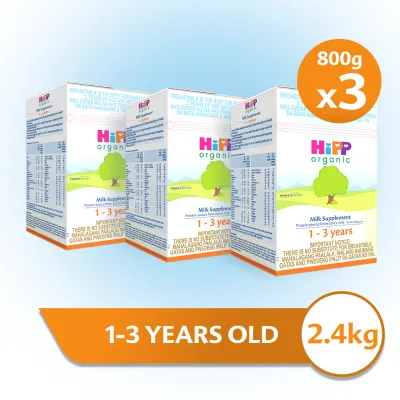
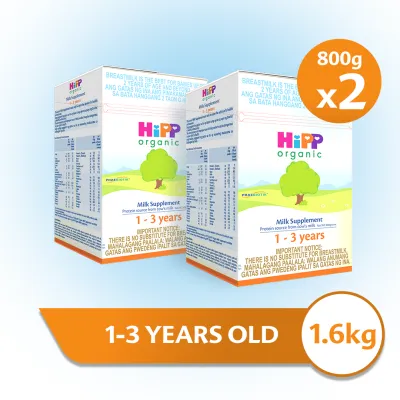
Consider the convenience of sourcing your chosen brand, especially during inclement weather, tropical typhoons, or shipping delays, to ensure you never run out of your toddler’s regular milk. To optimize your budget, look for bulk-buy options, bundle deals, or subscription discounts offered by authorized online distributors, while always verifying that the seller is an official partner to avoid counterfeit products.
Decision Guide: Choosing the Right Formula for Your Toddler
To make the final decision for your 1-3 year old, you must weigh your family’s specific priorities, lifestyle, and your child’s unique needs. There is no single formula that is ideal for every household, but establishing a clear decision framework can help you identify the most suitable option.
You should choose HiPP Organic if your primary goal is to provide a diet free from synthetic chemicals, GMOs, and artificial additives, and you are fully comfortable with paying a premium price per serving. Opting for this brand also means you are willing to manage your inventory closely, potentially purchasing in advance from specialized retailers or official online stores to avoid running out of stock due to limited local distribution.
Conversely, you should choose Nido, NAN, or Enfagrow if you prioritize advanced functional nutritional blends—such as specific prebiotic fibers, high levels of DHA, or specialized immune-support complexes—and prefer the convenience of buying your child’s milk at any local supermarket or pharmacy. These mainstream brands are also highly suitable if you need to manage your monthly household budget carefully, as they offer a lower cost per serving and are frequently available in economical bulk packaging.
Regardless of which brand you lean toward, you must consult your pediatrician before making any final changes to your toddler’s diet. A qualified healthcare professional can evaluate your child’s growth charts, assess their overall nutritional intake from solid foods, and provide personalized recommendations if your toddler has specific medical conditions, digestive sensitivities, or diagnosed dietary restrictions.
Frequently Asked Questions (FAQ)
Can I mix HiPP Organic with Nido, NAN, or Enfagrow?
Mixing different formula brands or types within the same bottle is generally discouraged by pediatricians and nutritionists. Each brand has a unique nutrient density, scoop size, and specific water-to-powder preparation ratio designed to deliver a precise balance of hydration and nutrition. Combining powders in a single bottle can alter these ratios, potentially leading to concentrated feeds that strain your toddler’s kidneys and digestive system, or diluted feeds that fail to provide adequate nutrition. If you need to use multiple brands, it is safer to alternate them by offering separate, fully prepared bottles of each brand at different times of the day, while closely monitoring your child for signs of digestive discomfort.
How do I safely transition my toddler to a new formula brand?
To minimize the risk of digestive upset, you should transition your toddler to a new formula brand gradually over a period of several days. Start by replacing just one feeding per day with the new formula, keeping the remaining feedings as the old formula. Over the next three to five days, slowly increase the number of new formula feedings while phasing out the old one. During this transition, it is normal to observe mild, temporary changes in your toddler’s stool consistency or gas levels as their gut microbiome adjusts. However, if you notice red flags such as vomiting, severe diarrhea, skin rashes, or persistent crying, stop the transition immediately and consult your pediatrician.
Community discussion
Share your experience or ask a question. Comments are reviewed before publication.