
Choosing the right formula for your baby during their first year is a highly personal decision. There is no single “best” formula that fits every infant. The ideal choice for your family depends on your baby’s digestive tolerance, your household budget, and your preferences regarding ingredient sourcing.
HiPP Organic is widely recognized for its focus on organic farming standards and specific carbohydrate profiles, such as utilizing lactose as the primary carbohydrate source. On the other hand, conventional brands like Nido, NAN, and Enfagrow offer established formulations that focus on targeted scientific fortification for immunity, brain development, or general physical growth. Because every infant’s digestive system is unique, you should always consult your pediatrician before introducing or switching formulas, especially if your baby has specific health conditions or requires specialized dietary management.
Core Differences: Organic Sourcing vs. Conventional Formulations
Organic sourcing versus conventional formulation represents two distinct manufacturing philosophies. Organic infant formulas, such as HiPP Organic, must adhere to strict agricultural standards. These standards typically require that the milk comes from dairy farms practicing biodynamic or organic husbandry, where cows graze on pesticide-free pastures and are not treated with synthetic growth hormones. For parents prioritizing minimal exposure to synthetic agricultural residues, these certifications offer peace of mind. You can verify these organic seals, such as the European Union organic logo, directly on the product packaging.
Products mentioned in this guide
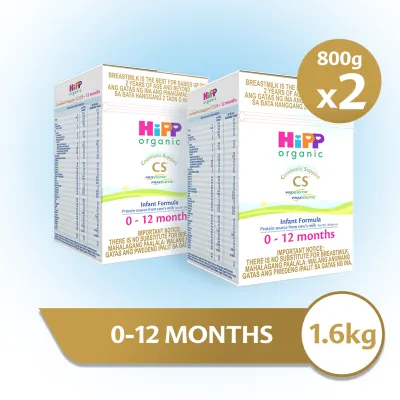
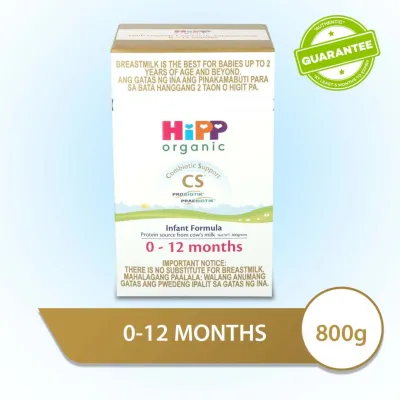
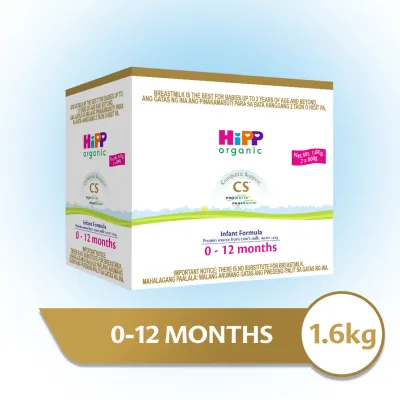
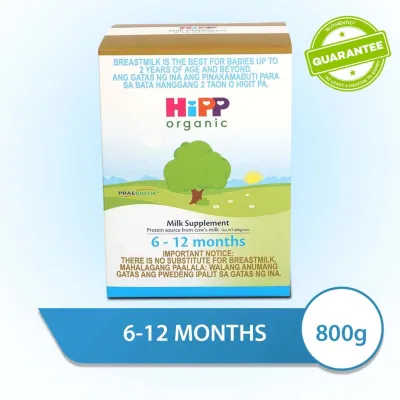
Prices are valid at publication and may change. Please refer to the product page for the latest price.
In contrast, conventional brands like Nido, NAN, and Enfagrow focus their manufacturing on precise, scientifically fortified nutrient blends. While their milk bases come from standard dairy farms, these brands emphasize optimizing the final product with specific bioactive compounds, structured lipids, and vitamins to match breast milk’s nutritional profile as closely as possible. This approach allows conventional manufacturers to offer highly specialized lines, such as hypoallergenic or comfort formulas, at scale.
Ultimately, the choice between organic and conventional sourcing comes down to your personal parenting priorities. If your goal is to minimize synthetic inputs and support sustainable farming, organic options align with that vision. If your priority is targeted, clinically studied nutrient additions designed for specific developmental milestones or digestive issues, conventional formulations provide a robust, highly accessible alternative. Always check the packaging of the specific tin you purchase to verify the current manufacturing standards and sourcing origins, as brands frequently update their supply chains.
Comparing Nutrition Labels: What to Look For in 0-12 Month Formulas
Reading and comparing nutritional panels is essential when evaluating formulas for the 0-12 month age group. During this rapid growth phase, your baby’s nutritional requirements shift dramatically, which is why manufacturers divide products into distinct stages. Stage 1 formulas are typically designed for infants from 0 to 6 months, focusing on easy digestion, while Stage 2 formulas cater to babies from 6 to 12 months, accommodating the introduction of solid foods.

When examining the macronutrient profile, pay close attention to the protein ratio. Breast milk has a higher whey-to-casein ratio in early lactation, which gradually shifts. Whey is easier for young infants to digest, while casein digests more slowly. Check the label of your chosen brand to see how they balance this ratio; some premium formulations adjust these levels specifically to mimic these natural transitions.
Carbohydrate sources also vary significantly between organic and conventional options. Premium organic formulas like HiPP Organic generally use lactose as their primary carbohydrate, mirroring the natural sugar found in breast milk. Conventional formulas or specialized comfort lines may substitute a portion of the lactose with maltodextrin, corn syrup solids, or starch. These alternative carbohydrates can make the formula thicker or easier to digest for babies with temporary lactase insufficiency, but some parents prefer to avoid them in daily feeding.
Fat blends are another critical component, as they provide the majority of your baby’s energy. Look for the specific oils used in the fat blend. Some brands use a combination of coconut, soy, sunflower, and safflower oils. You may also want to check if the formula contains palm oil; while palm oil provides palmitic acid, some pediatric studies suggest it can occasionally lead to harder stools in certain infants.
Micronutrient fortification is where conventional brands often highlight their proprietary blends. Look for the following key additions on the ingredient list:
- DHA and ARA: Docosahexaenoic acid and arachidonic acid are omega-3 and omega-6 fatty acids often included to support brain and visual development.
- Prebiotics and Probiotics: Look for ingredients like galacto-oligosaccharides (GOS) or specific live cultures like Lactobacillus reuteri to support gut health and comfortable digestion.
- Iron: Essential for supporting natural development, especially as natural iron stores begin to deplete around six months of age.
Always verify that you are purchasing the correct stage for your baby’s age, as feeding a Stage 2 formula to a newborn can overload their immature kidneys with excess protein and minerals.
Price, Availability, and Authenticity Checks in the Philippines
In the Philippines, managing the practical aspects of formula feeding involves balancing cost, convenience, and product safety. Conventional brands like Nido, NAN, and Enfagrow enjoy widespread distribution. You can easily find them on the shelves of local supermarkets, neighborhood groceries, and major pharmacy chains nationwide. This high availability makes them highly convenient for families who need to restock quickly without worrying about shipping delays.
HiPP Organic, particularly specialized lines like HiPP Organic CS or European-sourced versions, often requires more deliberate sourcing. While some local supermarkets carry official domestic distributions of HiPP, parents frequently turn to specialized online importers, official flagship stores on e-commerce platforms, or cross-border distributors. This can introduce variables such as shipping times, potential customs delays, and fluctuating stock levels, requiring you to plan your purchases well in advance.
When budgeting, avoid comparing only the upfront price of a single tin. Instead, use a cost-per-serving framework to understand the true monthly expense. You can calculate this using a simple formula:
- Step 1: Identify the total weight of the powder in the tin (e.g., 800 grams).
- Step 2: Check the preparation instructions to find the weight of a single scoop (typically around 4.3 to 4.5 grams).
- Step 3: Divide the total weight by the scoop weight to find the total number of scoops per tin.
- Step 4: Divide the retail price of the tin (in ₱) by the total number of scoops to determine the cost per scoop, then multiply by the number of scoops your baby consumes daily.
Given the tropical climate and high humidity in the Philippines, proper storage is vital to protect your investment. High humidity can cause formula powder to clump, spoil, or attract pests. Always store opened tins in a cool, dry place—never in the refrigerator, as the condensation can introduce moisture and promote bacterial growth.
Ensuring product authenticity is critical for your baby’s safety. When purchasing any formula, especially imported organic brands, perform these essential checks:
- Verify Batch Numbers: Ensure the batch number and expiration date printed on the bottom of the tin match the details on the outer carton or invoice.
- Inspect Seal Integrity: Never use a tin if the outer plastic seal is broken, the metal pull-tab is punctured, or the lid appears bloated.
- Buy from Authorized Sellers: Purchase exclusively from official brand stores, certified pharmacies, or highly rated, verified distributors on online marketplaces to minimize the risk of counterfeit products.
Decision Framework: How to Choose the Right Brand for Your Baby
To help you navigate these choices, use this structured framework to align a formula brand with your family’s specific circumstances.
Choose HiPP Organic if:
- You prioritize certified organic ingredients and want to avoid synthetic pesticides or genetically modified organisms.
- Your baby digests lactose-based formulas well and does not require specialized hypoallergenic proteins.
- You have a reliable sourcing channel and the budget to accommodate premium organic pricing.
Choose NAN or Enfagrow if:
- You want highly researched, scientifically fortified formulas with specific levels of DHA, ARA, and specialized prebiotics.
- Your baby has mild digestive sensitivities that benefit from partially hydrolyzed proteins or comfort blends.
- You prefer the convenience of buying formula at any local supermarket or pharmacy at a mid-to-high price point.
Choose Nido if:
- Your child has reached the appropriate age threshold specified on the packaging (note that many Nido formulations are designed for toddlers aged one year and older; always verify the age label before purchase).
- You require an affordable, widely accessible option for long-term nutritional support.
Verify first if:
- Your baby exhibits signs of severe reflux, colic, or a suspected cow's milk protein allergy. In these cases, standard organic or conventional formulas are not suitable, and you must consult your pediatrician for a specialized amino acid-based or extensively hydrolyzed formula.
When transitioning your baby to a new formula, do so gradually to allow their digestive system to adapt. Start by replacing one feed a day with the new formula, slowly increasing the proportion over a week while closely monitoring their reaction. Remember that your baby’s daily comfort, consistent weight gain, and regular diaper output (soft, formed stools) are the ultimate indicators of whether a formula is a good match.
Frequently Asked Questions (FAQ)
Can I mix HiPP Organic with Nido, NAN, or Enfagrow in the same bottle?
Mixing different formula brands or stages in a single bottle is highly discouraged. Each brand has a unique nutrient concentration and specific powder-to-water ratio designed to ensure safe hydration and nutrition. Combining them can alter the osmotic balance, potentially straining your baby’s kidneys or causing severe digestive upset. If you are transitioning between brands, prepare separate bottles of each formula and offer them at different feeding times throughout the day rather than mixing them together.
How do I know if my baby is allergic or intolerant to a specific formula?
Observable signs of formula intolerance or allergy typically manifest in digestion, skin, or behavior. Watch for excessive, inconsolable fussiness after feeding, frequent or forceful vomiting, severe abdominal bloating, or sudden skin rashes like eczema. Stool changes, such as blood or mucus in the diaper, or persistent watery diarrhea, are also clear warning signs. While mild gas is normal as a newborn’s digestive tract matures, severe or immediate reactions require you to stop using the formula and seek immediate pediatric guidance.
Does the water temperature for preparation differ between these brands?
Yes, preparation instructions and water temperatures can vary significantly between brands. Formulas containing live probiotics, such as certain lines of NAN or HiPP, often require water to cool down to around 37°C to 40°C to avoid killing the beneficial bacteria. Conversely, other guidelines recommend using water heated to at least 70°C to ensure the powder is reconstituted safely. Always read the exact preparation instructions printed on your specific tin to ensure you preserve the nutrients and prepare a safe feed.
Community discussion
Share your experience or ask a question. Comments are reviewed before publication.