
In the tropical climate of the Philippines, keeping a newborn comfortable is a daily priority for parents. When a baby aged 0 to 6 months experiences persistent crying, gas, or spitting up, the search for the right formula can feel overwhelming. Many parents find themselves comparing premium options like HiPP Organic Comfort Starter (CS) against established household names like Nido, NAN, and Enfagrow.
However, there is no single “best” formula for every infant with a sensitive stomach. Digestive discomfort during these crucial first six months can stem from a variety of developmental factors, including an immature gut, temporary lactase deficiency, or mild protein sensitivities. Choosing the right option requires understanding how each brand modifies its ingredients to target specific symptoms, consulting your pediatrician, and carefully reading the product labels.
Understanding Digestive Sensitivities in the First 6 Months
During the first six months of life, a baby’s digestive system is still developing, making them highly susceptible to various forms of discomfort. Parents often struggle to differentiate between common issues like colic, gas, constipation, and reflux. Colic is typically characterized by intense, inconsolable crying for hours, often occurring in the late afternoon or evening, with no obvious cause. Gas pain usually presents as a bloated, tight tummy, with the baby pulling their legs up to their chest and squirming. Constipation involves hard, dry, pebble-like stools that are difficult to pass, which can be exacerbated by the high heat and humidity of the tropical climate if fluid balance is not maintained. Reflux, or spitting up, occurs when the muscle at the top of the stomach does not close properly, allowing milk to flow back up the esophagus.
Products mentioned in this guide

Prices are valid at publication and may change. Please refer to the product page for the latest price.
To address these distinct issues, manufacturers modify the nutritional profiles of comfort and sensitive formulas. Partially hydrolyzed proteins are cow’s milk proteins that have been broken down into smaller, more digestible pieces, reducing the workload on an immature gut. Reduced lactose formulations replace a portion of the milk sugar with alternative carbohydrates to ease gas and bloating for babies who have difficulty processing lactose. Specific carbohydrate blends, such as those containing starch, are designed to thicken the formula in the stomach, helping to keep the liquid down and reduce reflux. Additionally, some formulas incorporate prebiotics or probiotics to support the development of healthy gut flora.
Before switching to any comfort formula, it is critical to have a pediatrician rule out Cow’s Milk Protein Allergy (CMPA). Unlike mild digestive sensitivity, CMPA is an immune system response that can cause severe symptoms such as blood or mucus in the stool, persistent vomiting, chronic diarrhea, severe eczema, or poor weight gain. Comfort formulas are not suitable for babies with CMPA, as they still contain cow’s milk proteins. A diagnosed allergy requires a specialized, extensively hydrolyzed or amino acid-based formula prescribed by a medical professional.
Comparing HiPP Organic CS, Nido, NAN, and Enfagrow
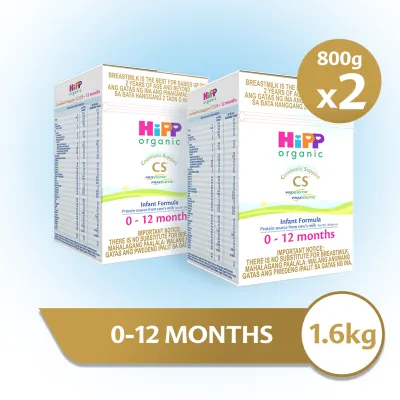
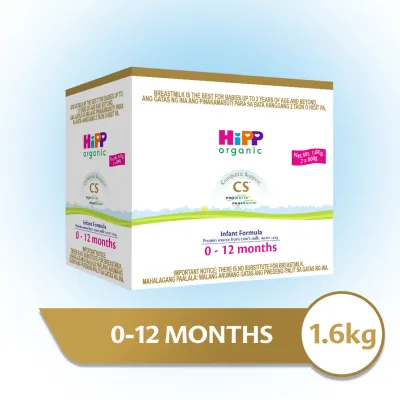
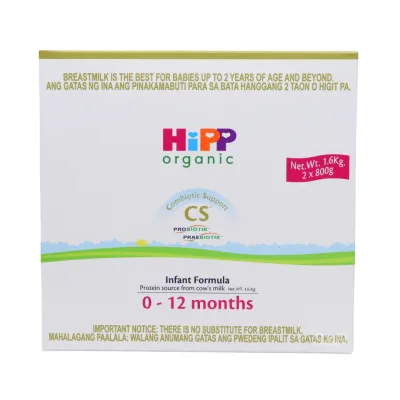
Evaluating the core formulation approaches of each brand helps clarify which option aligns with your baby’s specific digestive needs. HiPP Organic CS (Comfort Starter) is highly regarded for its organic positioning, sourcing ingredients from certified organic farms. Its formulation focuses on mild digestive support by utilizing a specific carbohydrate blend, which often includes starch to provide a slightly thicker consistency that can help reduce mild spit-up. It is designed to be gentle on the stomach while avoiding synthetic additives, making it a popular choice for parents who prioritize organic standards.

In contrast, sensitive and comfort variants from NAN, Enfagrow, and Nido rely on different biochemical modifications. Nestlé’s NAN comfort or sensitive variants typically feature partially hydrolyzed whey proteins and reduced lactose levels to address gas and colic. Mead Johnson’s Enfagrow family (specifically their infant-stage sensitive or Gentlease variants) also utilizes partially hydrolyzed proteins and a significantly reduced lactose profile, designed to ease fussiness and gas quickly.
When considering Nido, parents must exercise extreme caution. Standard Nido products available in the Philippines are formulated for toddlers aged one year and older. Feeding toddler milk to a newborn (0 to 6 months) can cause severe nutritional deficiencies and renal strain due to inappropriate protein and mineral levels. If a sensitive variant under the Nido brand family is considered, parents must verify that the packaging is explicitly labeled as a Stage 1 infant formula suitable from birth.
| Brand & Variant (0–6 Months) | Primary Ingredient Modification | Target Symptom / Focus | Key Verification Check |
|---|---|---|---|
| HiPP Organic CS (Comfort Starter) | Organic ingredients, specific carbohydrate/starch blends | Mild fussiness, spit-up, and general digestive comfort | Verify organic certification and starch content on label |
| NAN Sensitive / Comfort Variants | Partially hydrolyzed proteins, reduced lactose | Gas, colic, and mild protein digestion issues | Check lactose percentage and protein hydrolysis level |
| Enfagrow / Enfamil Sensitive Variants | Partially hydrolyzed whey proteins, specific prebiotic blends | Fussiness, gas, and crying within 24 hours | Confirm age-appropriateness (Stage 1 / 0–6 months) |
| Nido Sensitive / Infant Options | Lactose reduction or specific prebiotic blends (where available) | Constipation relief and mild lactose sensitivity | Crucial: Verify Stage 1 (0–6 months) label; do not use toddler variants |
Because “comfort” and “sensitive” labels are not standardized across the infant nutrition industry, parents must look beyond the front of the tin. Always check the actual ingredient list and nutritional information panel on the physical product packaging. This ensures you are purchasing the specific modification—whether it is hydrolyzed protein, reduced lactose, or added prebiotics—that matches your pediatrician’s recommendation for your baby’s symptoms.
Decision Framework: Which Formula Fits Your Baby?
To help navigate these options, parents can use a conditional framework to match their baby’s symptoms to the most appropriate formulation type:
- Choose HiPP Organic CS if: You prioritize organic ingredients, your baby has mild, general digestive fussiness or minor spit-up, and there is no suspected or diagnosed sensitivity to intact cow's milk proteins.
- Choose NAN or Enfagrow sensitive variants if: Your baby struggles with significant gas, bloating, colic, or mild protein digestion issues. These lines are specifically formulated with partially hydrolyzed proteins to make digestion easier on an immature gut.
- Choose Nido sensitive options if: Your pediatrician has recommended a specific lactose-reduced or prebiotic-enriched profile for mild digestive issues, and you have verified that the product is an officially certified Stage 1 infant formula (0–6 months) rather than a toddler milk.
- Neither may fit if: Your baby shows signs of CMPA, such as blood in the stool, severe eczema, or failure to thrive. In these cases, standard comfort formulas are unsafe, and your baby will require a specialized hypoallergenic or amino acid-based formula prescribed by a doctor.
Transitioning Formulas and Monitoring Your Baby
When switching your baby to a new comfort formula, a gradual transition is generally recommended to allow their delicate digestive system time to adapt. Unless your pediatrician advises an immediate switch due to a medical concern, you can gradually introduce the new formula over several days. This can be done by mixing the old and new formula in separate bottles and gradually replacing one feed per day, or by mixing the powders in a single bottle using a step-by-step ratio (e.g., 75% old and 25% new for the first two days, moving to 50/50, then 25/75, until the transition is complete). Always prepare each formula according to its specific manufacturer instructions to ensure correct dilution and nutrient density.
During the first one to two weeks of the transition, monitor your baby for positive signs of adaptation. These include a reduction in crying and fussiness during or after feeds, softer and more regular stools, less abdominal bloating, and improved sleep patterns. Keep in mind that a temporary change in stool color or consistency is common when introducing partially hydrolyzed proteins.
However, parents must remain vigilant for red flags that require stopping the new formula immediately and seeking urgent medical care. These include projectile vomiting, blood or mucus in the stool, a sudden skin rash or hives, extreme lethargy, or signs of dehydration. In the hot and humid climate of the Philippines, dehydration can occur rapidly; watch for dry diapers (fewer than six wet diapers in 24 hours), a sunken soft spot on the head, or crying without tears. Always consult your pediatrician if you observe any of these symptoms.
Frequently Asked Questions (FAQ)
Can I mix HiPP Organic CS with other formula brands?
Mixing different formula powders in the same bottle is generally not recommended unless specifically directed by a pediatrician. Each brand, including HiPP Organic CS, has a unique scoop size, powder density, and water-to-powder ratio designed to deliver precise nutrition and hydration. Mixing different formulations can alter the nutrient density and osmolality of the feed, potentially leading to severe dehydration, kidney strain, or digestive distress. If you are transitioning between brands, it is safest to prepare each formula in separate bottles according to their respective instructions before feeding.
How long should I wait to see if a new comfort formula works?
It typically takes about one to two weeks for a baby’s digestive system to fully adapt to a new formula. During this observation window, you may notice minor changes in stool consistency or frequency as the gut bacteria adjust to the new protein or carbohydrate structures. Changing formulas too frequently can actually worsen digestive upset, making it difficult to determine what is causing the discomfort. If your baby’s symptoms do not improve after two weeks, or if they worsen at any point during the transition, consult your pediatrician for further guidance.
Community discussion
Share your experience or ask a question. Comments are reviewed before publication.