
When your child reaches the age of three, their nutritional needs undergo a significant shift. As they transition from toddlerhood to early childhood, they become more active, and their daily nutrition is increasingly driven by solid foods. During this transition, choosing the right growing-up milk often comes down to a fundamental choice: do you prioritize organic purity, or do you opt for highly fortified, widely accessible mass-market options? HiPP Kindermilk represents the premium organic segment, while Nido, NAN, and Enfagrow are established household names known for their targeted nutritional profiles. Understanding how these brands compare across ingredients, sourcing, and digestibility will help you make an informed decision aligned with your child’s health and your family’s daily lifestyle.
Quick Answer: Which Growing-Up Milk Fits Your Child Best?
Choosing the ideal growing-up milk depends on your parental priorities, your child’s current diet, and your family’s budget. There is no single “perfect” milk for every child, but rather a best fit for specific household needs.
- Choose HiPP Kindermilk if you prioritize certified organic ingredients, wish to avoid added refined sugars and artificial flavorings, prefer a minimalist formulation that doesn't overload your child's system, and have reliable access to specialty baby stores or premium online retailers.
- Choose Nido, NAN, or Enfagrow if you want a highly accessible, budget-friendly growing-up milk that is fortified with specific nutrient complexes (such as high levels of DHA, iron, or specialized probiotics) and can be easily purchased at any local supermarket or neighborhood store in the Philippines.
- Verify first if your child has any diagnosed food allergies, lactose intolerance, or specific medical conditions. In these cases, always consult your pediatrician before introducing or switching to any new growing-up milk, as specialized therapeutic formulas may be required.
Nutritional Philosophies: Organic Premium vs. Conventional Fortification
The foundational approach to formulating growing-up milks differs dramatically between organic premium brands and conventional mass-market staples. These philosophies dictate not only the ingredients listed on the back of the tin but also how the milk is processed and how it interacts with your child’s developing body.
Products mentioned in this guide
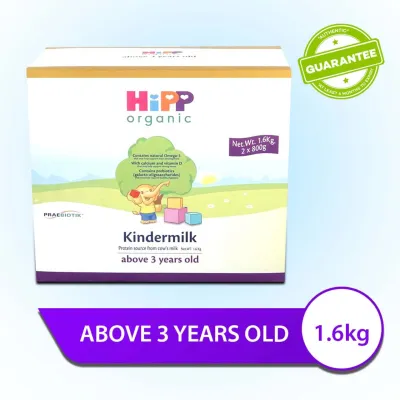
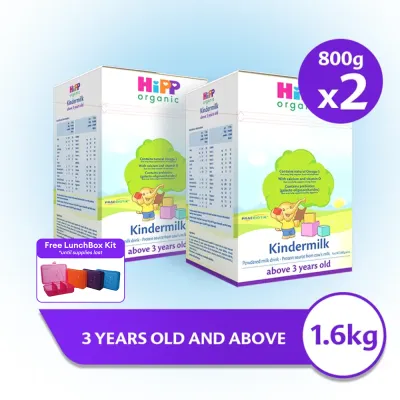
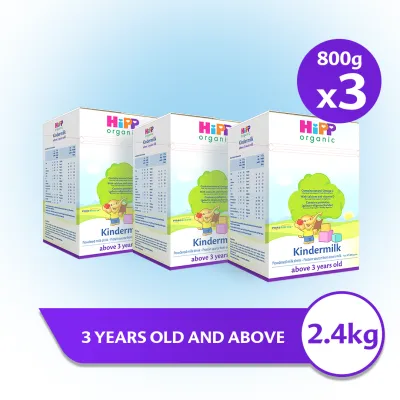
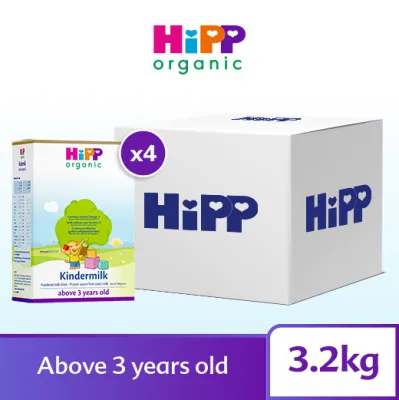
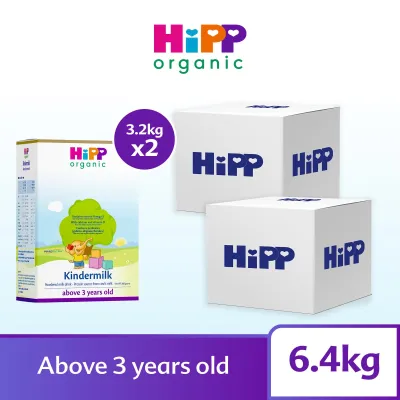
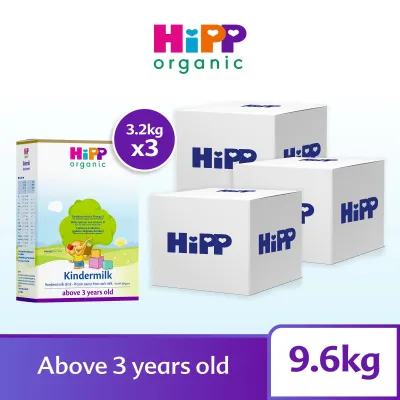
Prices are valid at publication and may change. Please refer to the product page for the latest price.

HiPP Kindermilk: The Organic and Minimalist Approach
HiPP Kindermilk is built on a philosophy of organic purity and minimalist formulation. The brand adheres to strict European Union organic farming standards, which parents should verify on the product packaging. These standards prohibit the use of synthetic chemical pesticides, synthetic fertilizers on pastures, and genetically modified organisms (GMOs). The dairy cows are raised on organic pastures and fed a natural diet, which directly influences the quality of the raw milk.
By focusing on organic ingredients, HiPP aims to reduce the chemical load on a toddler’s developing organs. The ingredient list is kept as simple and close to nature as possible. There are no added refined sugars, corn syrups, or artificial flavorings. Instead, the carbohydrate content is derived primarily from lactose, the sugar naturally found in breast milk and cow’s milk. This minimalist philosophy aims to provide clean nourishment without introducing unnecessary synthetic additives to a toddler’s developing body.
Nido, NAN, and Enfagrow: Targeted Conventional Fortification
In contrast, conventional brands like Nido, NAN, and Enfagrow are formulated with a philosophy of targeted fortification. Their primary goal is to act as a robust nutritional safety net for young children. Childhood dietary surveys in developing markets often highlight common nutritional gaps, particularly in iron, zinc, vitamin A, and vitamin D. Conventional brands address these gaps by engineering highly fortified milk powders.
These brands often feature proprietary nutrient complexes designed to support specific aspects of development. For example, NAN focuses on protein quality and digestive comfort, Enfagrow heavily emphasizes brain development through high DHA levels, and Nido targets immune support. To ensure children accept the taste, these formulas may incorporate added sweeteners, such as sucrose, maltodextrin, or corn syrup solids, along with flavorings like vanilla or honey. While this makes the milk highly palatable to picky eaters, it significantly increases the sweetness profile.
Key Comparison Dimensions for 3-Year-Olds
To make the best decision for your preschooler, it is helpful to compare these brands across specific dimensions that directly impact their daily health, taste preferences, and digestion.
Added Sugars and Flavorings
The sweetness of a growing-up milk is a critical factor that many parents overlook. Early childhood is a window of rapid taste preference development. If a child is consistently exposed to highly sweetened beverages, they are more likely to develop a preference for sweet foods and reject plain water, fresh vegetables, and unsweetened whole foods later in life.
Many conventional growing-up milks designed for children over three contain added sugars. Ingredients like sucrose, corn syrup solids, and maltodextrin are commonly used to enhance solubility and make the milk taste sweeter. Some brands also include artificial or natural flavorings, such as vanilla or honey, to appeal to toddlers. HiPP Kindermilk, on the other hand, contains no added refined sugars or flavorings, relying solely on natural lactose. Parents should carefully inspect the ingredient list on the physical packaging of the specific product stage they buy, as formulations can change and vary by region.
Brain, Bone, and Immune Support
As children over three grow rapidly, their brains and bodies require robust structural and cognitive support. Mass-market brands frequently highlight their high concentrations of Docosahexaenoic Acid (DHA) and Arachidonic Acid (ARA), which are essential fatty acids crucial for brain development. Enfagrow, for instance, is widely recognized for its high DHA content, marketing it as a key driver for cognitive growth. NAN also incorporates specific lipid profiles to support brain and eye development.
For immune and bone support, Nido and NAN pack their formulas with essential micronutrients like iron, zinc, calcium, and vitamins A, C, D, and E. These conventional milks are designed to provide a high percentage of the daily recommended intake for these nutrients in just a few servings. HiPP Kindermilk also provides these essential nutrients, but its focus is on maintaining a balanced, organic nutrient density rather than maximizing synthetic fortification levels. Parents are encouraged to check the nutrition facts panel on the packaging to compare the exact daily value percentages for these critical micronutrients.
Digestibility and Gut Health
A child’s digestive system is still maturing at age three. A healthy gut microbiome is essential not only for comfortable digestion but also for supporting the immune system, as a large portion of immune cells reside in the gut. To support this, many growing-up milks incorporate prebiotics and probiotics.
Prebiotics, such as Galacto-oligosaccharides (GOS) and Fructo-oligosaccharides (FOS), serve as food for beneficial gut bacteria. Probiotics are live beneficial microorganisms added to support digestion. NAN formulas are highly regarded for their incorporation of active probiotic cultures to promote gut health and reduce digestive discomfort. HiPP Kindermilk typically includes organic prebiotic fibers (GOS) derived from lactose to support healthy gut flora naturally. Parents should monitor their child’s digestion, stool consistency, and overall comfort when introducing any new milk. If you notice signs of digestive distress, such as chronic constipation, loose stools, or skin rashes, stop use immediately and consult a pediatrician.
Sourcing, Price, and Daily Practicality in the Philippines
In the Philippines, the practicalities of sourcing, cost, and storage are major considerations for busy parents. The tropical climate and local retail landscape play a significant role in how easily you can integrate a specific milk brand into your daily routine.
Conventional brands like Nido, NAN, and Enfagrow offer unmatched accessibility. They are widely available in almost every SM Supermarket, Robinsons Supermarket, Puregold, and local grocery store across the country. They can also be easily purchased at neighborhood convenience stores and on major local e-commerce platforms. These brands offer various packaging formats, including highly economical foil pouches (box packs) and large tin cans, allowing parents to choose options that fit their weekly or monthly budget.
HiPP Kindermilk, being a premium imported organic brand, is much harder to source. It is typically found only in high-end supermarkets in major metropolitan areas, specialized baby boutiques, or official flagship stores on local e-commerce platforms. This limited distribution means parents must plan their purchases in advance to avoid running out of milk unexpectedly.
The price difference is also substantial. HiPP Kindermilk represents a significant premium financial investment due to its organic certification, imported status, and strict manufacturing standards. On the other hand, conventional brands like Nido offer highly cost-effective daily options, making them a more practical choice for budget-conscious Filipino families who need a reliable daily staple.
Furthermore, the humid tropical climate of the Philippines presents unique storage challenges for powdered milk. High humidity can cause the powder to clump, lose nutritional potency, or spoil quickly if exposed to moisture. Foil pouches are particularly vulnerable once opened. Parents should store powdered milk in a cool, dry pantry away from direct sunlight. Once a foil pouch is opened, the powder should be transferred to a clean, dry, airtight tin can or container, and the scoop must always be kept dry to prevent moisture from introducing bacteria into the formula.
How to Verify Labels and Make the Final Switch
When transitioning your child to a new growing-up milk, safety and systematic verification should be your top priorities. Taking a methodical approach ensures your child’s nutritional needs are met without causing digestive upset.
First, verify the exact age stage on the label. Growing-up milks are carefully formulated to match specific developmental milestones. For children over three, look for products labeled as Stage 3, Stage 4, “Junior,” or “Pre-school” depending on the brand’s classification system. Never assume suitability based on the brand name alone; always read the age recommendation and manufacturer warnings on the packaging.
Second, check the label for allergen warnings, such as milk, soy, or fish oil, and look for any statements regarding cross-contamination in the manufacturing facility. Always check the expiration date to ensure the product is fresh.
Third, implement a gradual transition protocol over 5 to 7 days to allow your child’s digestive system to adapt to the new formula’s protein structure and taste.
- Days 1–2: Mix 75% of the current milk with 25% of the new milk in the same bottle or cup.
- Days 3–4: Mix 50% of the current milk with 50% of the new milk.
- Days 5–6: Mix 25% of the current milk with 75% of the new milk.
- Day 7: Transition completely to 100% of the new milk.
During this transition period, monitor your child’s stool consistency, skin condition, and general mood. If any unusual symptoms occur, revert to the previous milk and consult a healthcare professional.
Finally, remember that for children over three, growing-up milk is merely a supplement to a balanced, diverse solid-food diet. It should never replace regular meals consisting of fresh fruits, vegetables, whole grains, and healthy proteins.
Final Verdict: Matching the Milk to Your Family's Priorities
Choosing between HiPP Kindermilk and mass-market brands like Nido, NAN, and Enfagrow ultimately depends on your family’s specific priorities, budget, and lifestyle.
HiPP Kindermilk is the standout choice if your primary goal is organic purity, a clean-label ingredient profile, and a natural, less-sweet taste that prepares your child for a lifetime of healthy eating habits. This choice requires a higher budget and a willingness to shop at specialty or online retailers.
Nido, NAN, and Enfagrow are the practical, reliable winners if you prioritize targeted nutritional fortification, widespread availability in local Philippine stores, and a cost-effective price point that fits comfortably into a standard household budget.
Rather than searching for a single “perfect” milk, align your final decision with your child’s unique dietary needs, their taste preferences, and your family’s financial and logistical realities.
Frequently Asked Questions (FAQ)
Is growing-up milk necessary for a 3-year-old who already eats solid foods?
Growing-up milk is not strictly mandatory if your child is consuming a fully balanced, diverse diet of solid foods and drinking whole cow’s milk. However, it serves as a valuable nutritional safety net for picky eaters who may not be getting enough iron, zinc, or DHA from their meals. If you are unsure about your child’s nutritional intake, consult a pediatrician to evaluate their diet before deciding on a supplement.
Can I mix HiPP Kindermilk with a mass-market brand to balance cost and organic benefits?
It is not recommended to mix different brands of growing-up milk in the same serving. Each brand has a unique nutrient density, mineral concentration, and preparation instruction. Mixing them can alter the osmolarity of the drink, potentially straining your toddler’s kidneys or causing digestive upset. If you want to use both, it is safer to alternate them by serving different milks at different times of the day or on alternate days, while closely monitoring your child’s digestive comfort.
What should I do if my child refuses the taste of organic milk?
Organic milks like HiPP Kindermilk have a mild, natural taste because they lack the added sugars and artificial flavorings found in many mass-market brands. If your child is used to sweeter milks, they may initially reject it. To ease the transition, use a very gradual mixing ratio over a week or more. You can also try serving the milk at their preferred temperature, or blend it into healthy home-prepared snacks like oatmeal, chia pudding, or fruit smoothies to help them get accustomed to the natural flavor.
Community discussion
Share your experience or ask a question. Comments are reviewed before publication.