
Choosing the right carrier for baby depends on your child’s age, weight, and developmental milestones. Wraps are ideal for newborns who need snug, customizable support; structured carriers suit growing infants with emerging head control; and hip seats are designed for older babies and toddlers who can sit independently and have strong core stability. Matching the carrier type to these developmental stages ensures ergonomic support for your baby and comfort for you. In the warm, humid climate of the Philippines, fabric breathability and lightweight construction are also key factors to consider alongside developmental readiness.
Identify Your Baby's Current Age and Developmental Milestones
Before choosing a carrier for baby, observe their physical milestones. A newborn lacks head and neck control, requiring full, continuous support along the spine. As babies grow, usually around four to six months, they begin to hold their head up steadily and support their upper body.
Always check the manufacturer’s label for the specific weight and age thresholds of your carrier. These baselines are not suggestions; they are critical parameters set by the manufacturer to ensure the carrier’s structural integrity matches your baby’s size.
Products mentioned in this guide
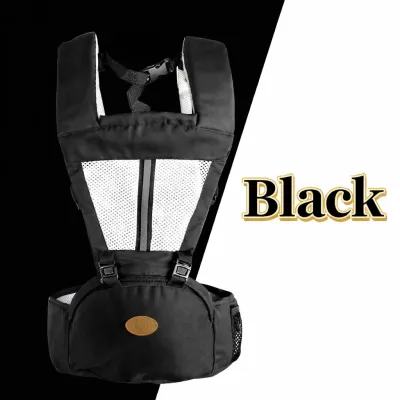
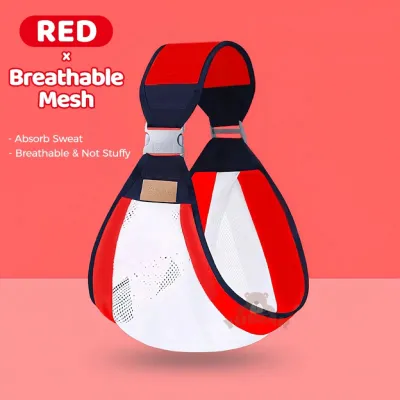
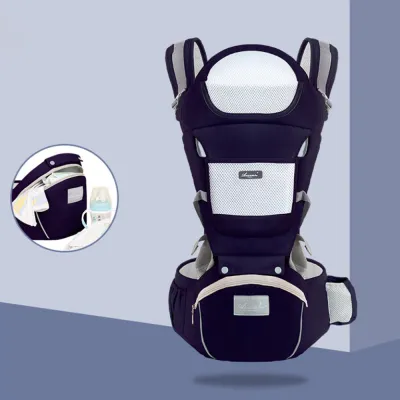
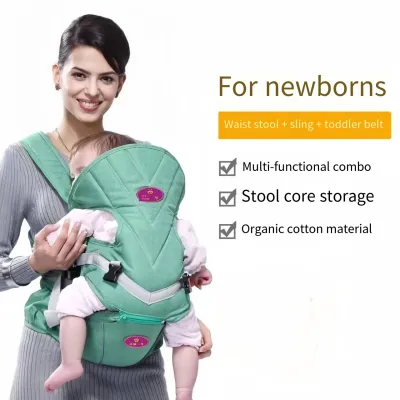
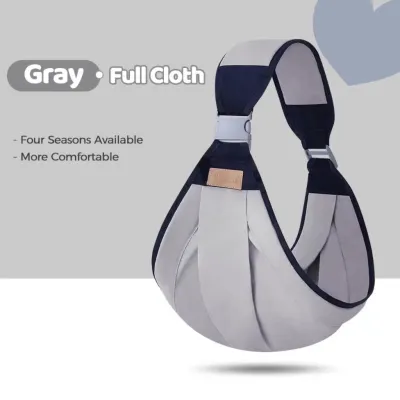

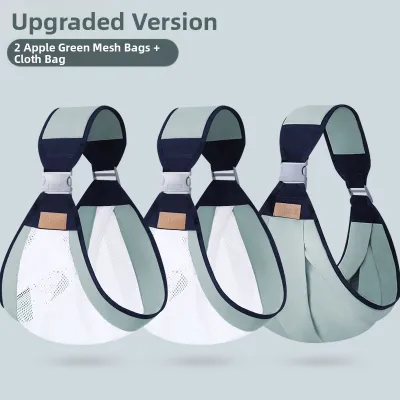
Prices are valid at publication and may change. Please refer to the product page for the latest price.
Early hip and spine development requires careful positioning. For young infants, the hips should naturally fall into an “M-position” where the knees are slightly higher than the hips, and the spine should curve in a natural “C-shape” or “J-shape” depending on the carrier style. Verifying these positions helps support healthy joint development during early growth phases.
Wrap Carriers: Assessing Suitability for Newborns and Young Infants
Wrap carriers, made of long pieces of woven or stretchy fabric, are highly valued during the first few months of life. Because they lack rigid structures, they mold precisely to your newborn’s body, providing a snug, womb-like environment that distributes weight evenly across your shoulders and back.

Airway safety is the most critical factor when using a wrap. You must ensure the baby’s face remains fully visible at all times, with the nose and mouth clear of fabric. The baby’s chin should never rest on their chest, as this position can restrict their airway; keep a space of at least one adult finger-width under their chin.
While wraps offer excellent closeness, they do have practical limitations. Stretchy wraps typically have lower weight limits than structured carriers, and the fabric can feel warm in humid tropical climates. Additionally, mastering the various tying techniques requires practice and patience before you can achieve a secure fit quickly.
Structured Carriers: Evaluating Fit for Growing Infants and Active Babies
Soft structured carriers are popular for growing infants who are transitioning into more active developmental stages. These carriers feature structured waistbands, padded shoulder straps, and buckles that make them quick to put on and adjust between different caregivers.
When evaluating a structured carrier, look for adjustable seat widths that support your baby’s hips from knee to knee as they grow. Lumbar support panels and thick shoulder padding help distribute your baby’s increasing weight, reducing strain on your back during longer walks or errands.
Before attempting advanced carrying positions, such as forward-facing or back-carrying, you must verify the manufacturer’s specific age and weight requirements. Forward-facing typically requires strong, consistent head and neck control, while back-carrying is generally reserved for older infants who can sit up independently.
The primary trade-off with structured carriers is their bulkiness. While they offer excellent support and quick buckle adjustments, they do not pack down as small as fabric wraps and can feel heavier to wear, especially in warm weather.
Hip Seats: Determining Readiness for Older Babies and Toddlers
Hip seat carriers feature a firm, shelf-like seat secured around the caregiver’s waist, designed to support older babies and toddlers. This style is highly convenient for children who frequently want to be picked up and put down as they explore their environment.
Before transitioning your child to a hip seat, they must demonstrate independent sitting and strong core stability. Using a hip seat before your baby can support their own torso can lead to poor posture and strain on their developing spine.
From an ergonomic standpoint, a hip seat shifts the child’s weight to your hips, which can relieve shoulder strain but may place pressure on your lower back if not positioned correctly. Ensure the waistband is fastened snugly above your hips to prevent the seat from tilting downward, which can alter your child’s natural hip alignment.
Always check the product manual to identify the maximum weight capacity of the hip seat. You will know your child has outgrown the format when their weight causes the waistband to sag significantly, or when their thighs no longer rest comfortably on the platform, indicating they have exceeded the carrier’s physical limits.
Verifying Safety Standards and Manufacturer Guidelines Before You Buy
Before finalizing your purchase of a carrier for baby, it is essential to verify its safety features and compliance with manufacturing standards. Start by carefully reading the product tags and user manuals to confirm that your baby’s current weight and height fall safely within the specified limits.
Look for visible safety certification marks on the packaging or product labels, which indicate the carrier has undergone testing for structural integrity and chemical safety. Since standards can vary, verifying these marks helps ensure you are purchasing a genuine, tested product rather than an unverified imitation.
If you are purchasing from a physical store, test the buckles, zippers, and seams in person to ensure they lock securely and show no signs of fraying. When shopping on an online marketplace, choose reputable sellers and carefully verify their return policies so you can inspect the carrier’s adjustability and fit at home before committing to its use.
Frequently Asked Questions (FAQ)
Can I use a structured carrier for a newborn without an infant insert?
Many structured carriers require a specific infant insert to safely accommodate a newborn. The insert lifts the baby higher in the carrier, ensuring their airway remains clear, while providing essential support to maintain proper hip and spine alignment. Always check your specific carrier’s user manual to verify the minimum weight guidelines and determine whether an insert is mandatory for your baby’s current size.
When should I stop using a wrap carrier and switch to a structured one?
You should consider transitioning from a wrap to a structured carrier when your baby approaches the wrap’s maximum weight capacity or when you begin to experience back fatigue from the stretching fabric. Additionally, as babies grow more curious, they may prefer the structured support that allows for outward-facing or back-carrying positions. Always consult your wrap’s product label to verify its exact weight limits rather than relying solely on general age estimates.

Community discussion
Share your experience or ask a question. Comments are reviewed before publication.