
Introducing solid foods to your baby is a major milestone that brings plenty of excitement, a fair share of mess, and a crucial decision: choosing where your little one will sit during meals. The right feeding chair for baby does more than just keep them contained; it supports their developing posture, keeps them safe, and fits seamlessly into your household’s daily rhythm.
With several distinct styles on the market, parents often find themselves choosing between a traditional high chair, a space-saving booster seat, or a highly portable clip-on chair. Each option has its own set of structural benefits, spatial requirements, and safety considerations. Making the right choice requires looking closely at your home layout, your family’s lifestyle, and your baby’s physical development.
In many households, dining rooms double as workspaces or high-traffic family hubs, making floor space a premium. Understanding how each chair type functions in real-world scenarios will help you select a safe, comfortable, and practical seat that makes mealtime enjoyable for both you and your baby.
Products mentioned in this guide
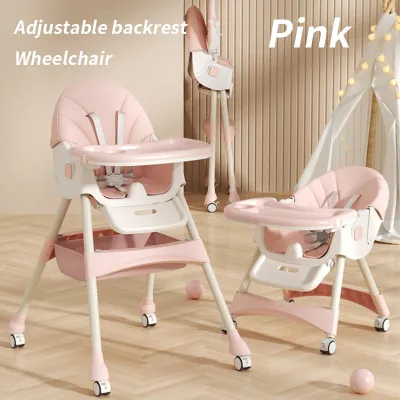
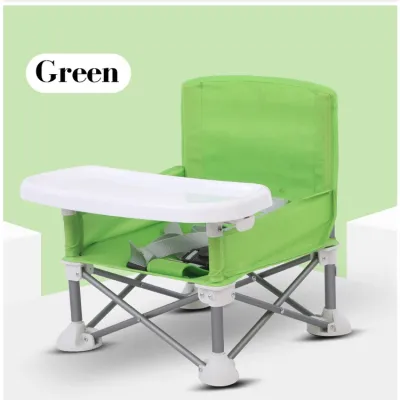
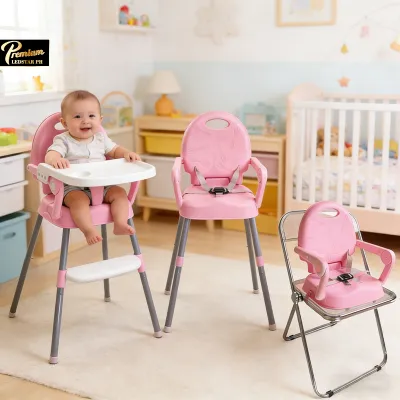
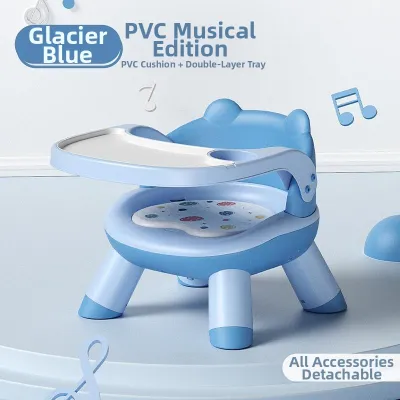
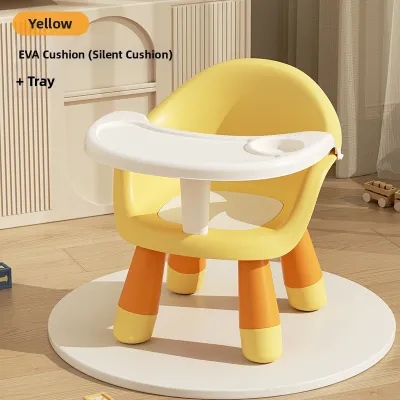
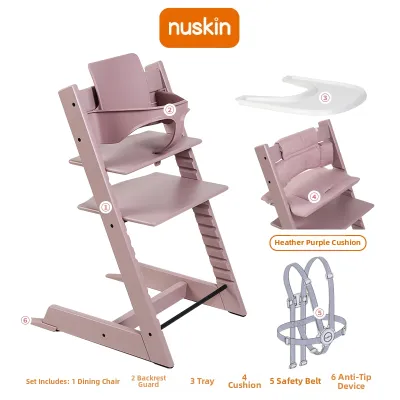
Prices are valid at publication and may change. Please refer to the product page for the latest price.
Quick Answer: Which Feeding Chair Should You Choose?
Selecting the ideal feeding chair depends on how you balance your available dining space, your travel habits, and your baby’s current developmental stage. There is no single correct choice for every family, but matching your specific living conditions to the right chair type will ensure long-term satisfaction.
- Choose a high chair if you have a dedicated dining area with ample floor space, prefer a freestanding unit with comprehensive features like adjustable height and recline, and want a highly stable, long-term seating solution.
- Choose a booster seat if you live in a compact home, want to utilize your existing dining chairs, prefer a seat that can easily travel to a relative's house, and want your child to sit directly at the family table.
- Choose a clip-on chair if you have a highly compatible, heavy-duty dining table, have zero extra floor space, and frequently dine out at restaurants or travel where portable seating is essential.
Ultimately, the best option is the one that aligns with your baby’s physical abilities and fits naturally into your home without creating physical obstacles or safety hazards.
High Chairs: The Stable, Full-Featured Option
Traditional freestanding high chairs are the classic choice for early childhood feeding, designed to provide a dedicated, secure environment for babies learning to eat. These chairs feature a wide, stable base that rests directly on the floor, ensuring the seat remains upright even when your baby becomes active or wiggly during meals. Because they do not rely on other furniture for support, they offer a self-contained feeding station that can be positioned anywhere in your dining area.

One of the primary advantages of a high chair is its robust suite of adjustable features. Many models offer multiple height adjustments, allowing you to align the tray with your dining table or lower it for comfortable feeding from a standard chair. Removable, double-layered trays are common, making it easy to pop off the top dirty layer for washing while leaving a clean surface underneath. Some high chairs also feature reclining backrests, which can be useful for very young infants who are not yet fully sitting upright but are starting supervised spoon-feeding.
However, these features come with a significant physical footprint. High chairs require a dedicated area in your kitchen or dining room, and their wide legs can easily become tripping hazards in narrow walkways. Even folding models can be bulky to store and cumbersome to set up multiple times a day. If you live in a smaller apartment or a home with tight corridors, a traditional high chair may feel overly intrusive.
Despite their size, many modern high chairs offer excellent long-term value through convertible designs. Some models can be reconfigured into toddler chairs, booster seats, or even small play tables and chairs as your child grows. This adaptability helps offset the higher initial cost and larger storage requirements, turning a single purchase into a piece of furniture that serves your child for several years.
Booster Seats: The Space-Saving, Portable Alternative
Booster seats offer a practical compromise for families who want the security of a structured seat without sacrificing valuable floor space. A booster seat is a compact unit that straps securely onto an existing adult dining chair, elevating your baby so they can join the family at the main table. By utilizing furniture you already own, booster seats eliminate the need for a wide, freestanding frame, making them an excellent choice for smaller dining rooms.
Portability is a standout benefit of the booster seat design. Most models are lightweight, feature built-in carrying straps, and fold down into a compact shape that fits easily into a car trunk or a large diaper bag. This makes them highly convenient for weekend trips, visits to grandparents, or dining at restaurants that may not have clean or available high chairs. They allow your baby to experience a familiar seating setup even when away from home.
To use a booster seat safely, you must have a compatible host chair. The adult dining chair must be highly stable, four-legged, armless, and feature a solid, flat seat and backrest. You must never attach a booster seat to folding chairs, bar stools, swivel chairs, or lightweight plastic chairs, as these do not provide the necessary structural support and can easily tip over. The booster seat relies entirely on the stability of the chair beneath it.
While many booster seats come with their own small, detachable trays, they are also designed to slide directly up to your dining table. This encourages social development, as your baby sits at the same height and proximity as the rest of the family. However, booster seats generally offer fewer height and recline adjustments than full-sized high chairs, meaning your baby must have strong, independent sitting skills before transitioning to this style.
Clip-On Chairs: The Ultra-Compact Travel Solution
Clip-on chairs, also known as hook-on or table-clamp chairs, represent the ultimate in minimalist design. These seats feature a robust clamping mechanism that locks directly onto the edge of your dining table, suspending your baby in the air and keeping the floor completely clear. This unique design is highly favored by families living in micro-apartments or those who travel extensively and need a seat that takes up virtually no storage space.
Because they fold completely flat and weigh very little, clip-on chairs are incredibly easy to transport. They allow your baby to sit right at the table with the family, fostering a close sense of connection during meals. For dining out, they are often much cleaner and more secure than restaurant-provided high chairs, provided the restaurant’s tables meet the necessary safety requirements.
However, clip-on chairs carry strict structural and material prerequisites that you must verify before every single use. They are not universally compatible, and using them on an unsuitable table can lead to catastrophic structural failures. You must carefully inspect the table’s thickness, edge profile, and construction material to ensure it can handle the weight of the child and the leverage of the clamp.
- Never use a clip-on chair on glass tabletops, single-pedestal tables, plastic folding tables, tile-top tables, or tables with loose leaves or drop-leaf extensions.
- Avoid tables with beveled, rounded, or decorative molded edges, as the clamps cannot grip the surface securely.
- Ensure the table is heavy, sturdy, and constructed from solid wood or thick, durable metal that will not bend, crack, or tip under the child's weight.
Additionally, clip-on chairs generally have lower weight limits than traditional high chairs or booster seats. This means your child will likely outgrow a clip-on chair much sooner, making it a shorter-term investment that will eventually need to be replaced by a booster seat or a standard chair.
Head-to-Head Comparison: Key Features at a Glance
To help you visualize the practical differences between these three options, the table below compares their core operational features.
| Feature | High Chair | Booster Seat | Clip-On Chair |
|---|---|---|---|
| Floor Space Required | Highest | Minimal (uses existing chair) | None (leaves floor clear) |
| Portability | Lowest | Moderate to High | Highest |
| Setup & Adjustment Time | Quick (freestanding) | Moderate (requires strapping) | Moderate (requires clamping) |
| Table Dependency | None (uses own tray) | Low to Moderate | Absolute (cannot function without table) |
| Typical Weight Limit Range | Highest | Moderate | Lowest |
| Longevity of Use | Longest (often converts) | Moderate to Long | Shortest |
How to Choose Based on Your Space, Lifestyle, and Baby's Age
Space & Layout
Before making a purchase, measure your dining area and observe the flow of traffic. If your dining table is positioned against a wall or sits in a narrow kitchen, a traditional high chair’s wide legs may block pathways and create a constant hazard. In these tight layouts, a booster seat or a clip-on chair keeps the floor clear and maintains open space. If you have a spacious, dedicated dining room, a full-sized high chair provides the most ergonomic and self-contained setup, keeping food messes concentrated in one designated spot.
Lifestyle & Mobility
Consider how and where your family eats. If you rarely travel and eat almost all meals at home, a sturdy, permanent high chair is highly convenient. However, if you frequently visit relatives, dine out on weekends, or move between temporary living spaces, portability should be your top priority. A booster seat is highly versatile for local travel, while a clip-on chair is the ultimate companion for air travel or frequent restaurant dining. Many families find success with a hybrid approach, using a full-featured high chair as their primary seat at home and keeping an inexpensive booster seat in the car for outings.
Age & Development
Your baby’s physical development must dictate when they can safely use each chair type. Around 6 months of age, when most babies begin solid foods, they require excellent head and neck control and the ability to sit upright with minimal support. If your baby is still slightly wobbly, a high chair with a supportive, slightly reclining backrest and a secure five-point harness is the safest option. As your baby grows into an active toddler (around 12 to 18 months), they may resist being buckled into a bulky high chair and prefer the independence of a booster seat that brings them directly to the adult table.
Always check the manufacturer’s specified minimum age, weight limits, and developmental milestones before placing your child in any feeding seat. Never rush the transition to a less supportive chair before your baby is physically ready.
Safety Checks and Maintenance for Every Feeding Chair
Harness Use
Regardless of the chair type you choose, you must use the safety harness during every single meal, without exception. A three-point or five-point harness is designed to prevent your baby from sliding down under the tray or climbing out of the seat, both of which are common causes of serious falls. Even if you are sitting right next to your baby or using a tray that feels snug, a quick, active child can wiggle out of a seat in a matter of seconds.
Regular Inspection
Make it a habit to inspect your feeding chair weekly. Check for loose screws, cracked plastic, frayed straps, and worn buckles. For booster seats, ensure the straps that wrap around the host chair remain tight and have not stretched or slipped. For clip-on chairs, inspect the rubber pads on the clamps to ensure they are not wearing down, which could compromise their grip on the table surface. If you notice any damage or missing parts, stop using the chair immediately and contact the manufacturer for replacement parts.
Safe Placement
Where you place the chair is just as important as how you buckle your baby. Always keep high chairs and booster seats a safe distance away from walls, kitchen counters, heavy tables, or appliances. An active baby can easily push their feet against these solid surfaces, causing the entire chair to tip backward. Additionally, ensure the chair is positioned far away from hazards like electrical cords, window blind cords, hot stovetops, and sharp kitchen utensils.
Cleaning and Hygiene
In warm, humid climates like the Philippines, food crumbs and liquid spills trapped in the crevices of a feeding chair can quickly breed mold, mildew, and harmful bacteria. After every meal, wipe down all plastic, metal, and wooden surfaces with a damp cloth and mild, baby-safe soap. Pay close attention to the seams of fabric seat pads, underneath the tray latch, and inside the harness buckle where crumbs accumulate. If your chair has removable fabric covers, wash them regularly according to the manufacturer’s instructions, ensuring they are completely dry before reassembling to prevent musty odors.
Always consult your specific product’s user manual for detailed assembly, weight restrictions, and care guidelines. Following these manufacturer instructions is the best way to ensure your feeding chair remains safe and functional throughout its lifespan.
Frequently Asked Questions (FAQ)
Can a 4-month-old use a high chair or booster seat?
Most babies are not physically ready to use a standard upright high chair or booster seat at 4 months old. To sit safely in these chairs, a baby must have strong head and neck control and the ability to sit upright with little to no assistance, milestones that typically develop around 6 months of age. While some specialized high chairs offer a deep recline feature designed for younger infants, you must verify the manufacturer’s specific age, weight, and developmental guidelines before use, and never use a standard upright seat for a baby who cannot sit unsupported.
Are clip-on chairs safe for everyday home use?
Clip-on chairs can be used safely at home on a daily basis, but only if your dining table strictly meets all of the manufacturer’s structural, material, and thickness requirements. Because these chairs exert significant leverage on the table edge, daily use can place continuous stress on both the table and the clamping mechanism. If you use a clip-on chair daily, you must inspect the table and the clamps before every meal to ensure nothing has slipped, loosened, or sustained damage, and be prepared for potential wear and tear on your table’s finish.
When should I transition my baby out of a feeding chair?
You should transition your child out of a baby feeding chair when they exceed the manufacturer’s maximum weight or height limits, or when they can sit comfortably and safely on a regular chair without risking a fall. Another key indicator is behavior; if your toddler is actively trying to climb out of their high chair or booster, or if their legs no longer fit comfortably under the tray, it is time to transition. Moving to a booster seat without a tray, a specialized toddler chair, or a standard dining chair with a supportive footrest is typically the next step.
Community discussion
Share your experience or ask a question. Comments are reviewed before publication.