
When your baby transitions to solid foods, choosing the right seating arrangement is a major milestone that impacts your daily routine for years. The market offers two primary paths: a dedicated, freestanding high chair or a compact, chair-mounted booster seat. Your choice of a baby chair seat feeding setup will fundamentally shape your daily mealtime routine, cleaning habits, and dining room layout. Making an informed decision requires looking beyond aesthetics to evaluate safety features, developmental readiness, and the physical constraints of your home.
Quick Answer: Which Feeding Chair Fits Your Family?
The ideal feeding chair depends on your baby’s developmental stage, your available dining space, and your family’s lifestyle. Choose a full-size high chair if you have dedicated dining space and want a highly stable, long-term feeding station from infancy. Choose a booster seat if you have limited space, travel frequently, or need a portable solution for an older baby who can already sit upright unassisted. Both options serve the core purpose of safe feeding when used correctly and in accordance with manufacturer guidelines.
Defining the Options: Full-Size High Chairs vs. Booster Seats
A full-size high chair is a freestanding, dedicated piece of nursery furniture with its own legs. It usually features an adjustable seat height, multiple recline positions, a footrest, and an attached, removable tray. Because it stands independently of your existing dining set, it creates a self-contained feeding environment that can be positioned anywhere in your home.
Products mentioned in this guide
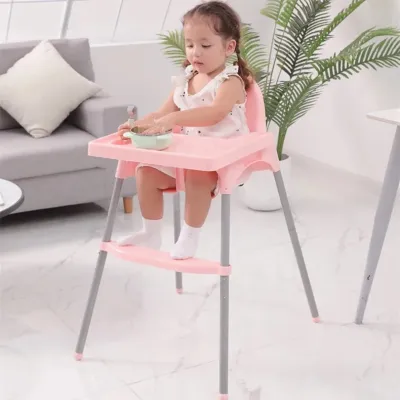
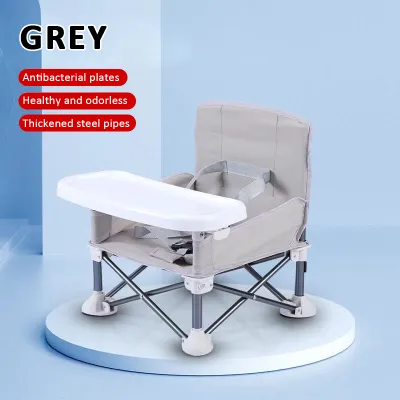
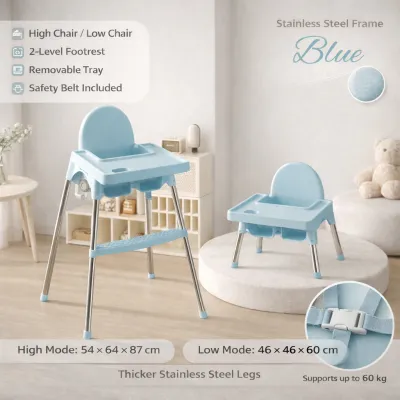
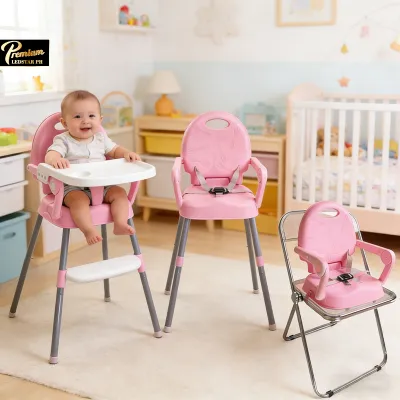
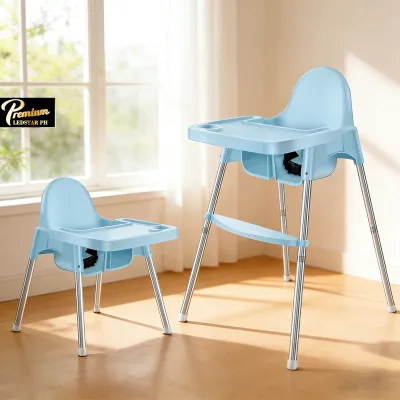
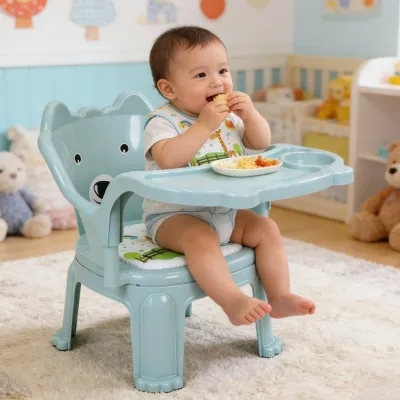
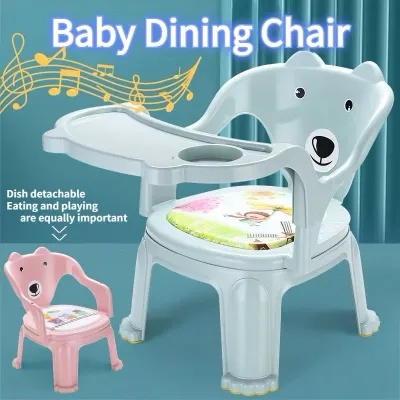
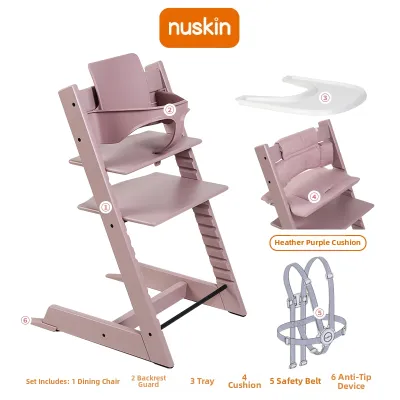
Prices are valid at publication and may change. Please refer to the product page for the latest price.

A booster seat is a compact, backless or low-back seat designed to be strapped securely onto an existing adult dining chair. It elevates the child to table height, allowing them to eat either from an attached mini-tray or directly from the family dining table. This design relies entirely on the host chair for its stability and height, making it a highly space-efficient alternative.
Convertible high chairs represent a popular hybrid category that transitions from a full-size high chair to a booster seat, toddler chair, or youth stool. While these multi-functional designs offer excellent long-term versatility, they should be evaluated under the high chair umbrella during the initial weaning phase. This is because they carry the same large physical footprint and structural weight as standard high chairs when first assembled.
Core Comparison: Finding the Right Baby Chair Seat Feeding Solution
Developmental Readiness and Age Limits
Before introducing any solid foods or placing your child in a feeding seat, they must meet the universal developmental milestone of sitting upright unassisted with excellent head and neck control. This milestone typically occurs around six months of age, though every child develops on their own timeline. Placing a baby who lacks sufficient trunk control into an upright feeding chair can compromise their airway and increase choking risks during meals. Always observe your child’s physical development and consult your pediatrician if you are unsure whether they are ready for an upright feeding seat.
Full-size high chairs are often highly adaptable for younger infants. Many models feature reclining backrests that allow babies who are not yet sitting fully unassisted to join the family at the table for bottle feeding or early sensory play. These chairs also tend to have robust support structures, including built-in crotch posts and highly adjustable harnesses, which help keep smaller babies securely positioned. High chairs generally feature higher weight and height limits, allowing them to safely accommodate children well into their toddler years.
Booster seats, by contrast, strictly require the child to sit completely unassisted with absolute stability. Because booster seats rely on the structure of an existing adult chair, they offer less lateral support and do not feature recline mechanisms. It is vital to check the manufacturer’s specific minimum age, weight, and height requirements on the product label before introducing a booster. Some boosters are rated for infants as young as 12 months, while others are designed strictly for toddlers aged two years and older who no longer require a high backrest or extensive side support.
Space Constraints and Portability
The physical footprint of your dining area is one of the most practical factors in this decision. Full-size high chairs require a significant amount of dedicated floor space. Their legs often splay outward to create a wide, stable base, which can easily become a tripping hazard in smaller dining rooms or narrow walkways. Before purchasing, measure your dining area carefully and check if the high chair’s base will interfere with your table legs or block the flow of traffic. If space is at a premium but you still prefer a freestanding option, look for foldable high chairs that can be collapsed and leaned against a wall or stored in a closet between meals.
Booster seats excel in compact living environments, such as apartments, condominiums, or multi-generational households where space is shared. Because they strap directly onto your existing dining chairs, they require zero additional floor space when in use. When mealtime is over, many booster models can be tucked completely under the dining table or detached and stored in a pantry.
Portability is another major advantage of the booster seat. If your family travels frequently, visits grandparents regularly, or enjoys dining out, a lightweight booster seat is highly practical. Many models fold down compactly and feature integrated carrying straps, making them easy to transport in a car trunk. A full-size high chair, even a folding one, is far too bulky for regular transport and is strictly intended to remain a stationary fixture in your home.
The integration with your existing dining setup also differs. A high chair creates a self-contained dining zone, which can be positioned anywhere in the room. A booster seat, however, requires a compatible adult dining chair. You must ensure that your dining table’s height allows the booster (with the child in it) to slide comfortably underneath if you plan to use it without its tray, and that the chair’s seat dimensions match the booster’s base requirements.
Safety, Stability, and Harness Systems
Safety is the paramount consideration when selecting any baby gear. Full-size high chairs achieve their stability through heavy-duty frames, wide leg spans, and a low center of gravity. If the model features wheels for easy movement, it must have reliable, independent locking mechanisms to prevent the chair from rolling during a meal. A common hazard with high chairs occurs when a toddler places their feet against the edge of the dining table and pushes backward; a high-quality high chair must have a base wide enough to resist tipping under this force.
Booster seat security relies entirely on a dual-strap system. One set of straps must wrap tightly around the bottom of the adult chair’s seat, while a second set must secure firmly around the backrest. Never, under any circumstances, use a booster seat on a backless stool, a bench, a folding chair, or an unstable or slippery seating surface. If the host chair slides or tips, the booster seat and your child will fall with it. Always check the booster seat’s manual to ensure your dining chairs meet the minimum structural and material requirements.
The harness system is your primary defense against falls. Full-size high chairs typically feature a 5-point harness that secures the child at the shoulders, hips, and crotch, preventing them from climbing or sliding out. Booster seats often utilize a 3-point harness, which secures around the waist and crotch. While a 3-point harness is generally sufficient for older, more cooperative toddlers, younger babies benefit from the extra upper-body restraint of a 5-point system. Regardless of the chair type, always inspect the strap routing and buckle mechanisms to ensure they are secure and functioning correctly before every use.
Cleaning Ease and Maintenance in Humid Climates
Mealtimes with babies are notoriously messy, and the ease of cleaning your feeding chair will directly impact your daily stress levels. Trays that are easy to remove with one hand make it much simpler to lift a messy child out of the seat without spreading food everywhere. Many modern chairs feature dishwasher-safe tray liners that can be popped off and washed, which is a major convenience. Fixed trays, on the other hand, require tedious manual wiping and can trap food particles in their attachment joints.
In the tropical, humid climate of the Philippines, material selection is critical for hygiene. Thick, plush fabric cushions on high chairs can easily trap moisture, sweat, spilled milk, and food crumbs, creating a breeding ground for mold, mildew, and unpleasant odors. For humid environments, look for feeding chairs made of smooth, non-porous plastic, sealed wood, or lightweight metal frames that can be wiped dry instantly. If you choose a model with a seat cover, ensure the material is water-resistant, easy to wipe down, or completely machine-washable. Always verify the care labels on fabrics to ensure they can withstand frequent washing without degrading.
Pay close attention to the physical design of the chair. Models with excessive crevices, deep seams, hinges, and exposed screw holes will inevitably collect food crumbs and spilled liquids. A streamlined, minimalist design with smooth surfaces and minimal seams will save you hours of scrubbing and help maintain a sanitary dining environment for your baby.
Quick Comparison Table: High Chair vs. Booster Seat
| Feature | Full-Size High Chair | Booster Seat |
|---|---|---|
| Space Required | Large floor footprint; requires dedicated space | Minimal footprint; mounts on existing dining chair |
| Portability | Low; designed to remain stationary | High; lightweight, compact, and travel-friendly |
| Minimum Developmental Stage | Often suitable from infancy (with recline) or ~6 months (sitting unassisted) | Strictly requires sitting unassisted (typically 12+ months; verify manufacturer label) |
| Harness Type | Typically 5-point harness | Typically 3-point harness (verify product manual) |
| Cleaning Ease | Varies; models with fabric cushions require more effort in humid climates | Generally high; mostly plastic with fewer fabric parts |
| Typical Lifespan | High; often converts to toddler chair or youth stool | Moderate; used until child can sit on a regular chair |
Cost, Longevity, and Value for Money
Investing in baby gear requires balancing your budget against the product’s useful lifespan. Full-size high chairs generally represent a higher upfront financial investment, with prices in the Philippines typically ranging from mid-range options around ₱3,000 to premium, multi-functional models exceeding ₱8,000. However, this higher cost can be offset by their longevity. Many high chairs are designed to grow with your child, featuring adjustable footrests, multiple height positions, and convertible frames that transition into toddler chairs or study desks, extending their utility for several years.
Booster seats are a highly budget-friendly alternative, with basic models starting below ₱1,500 and premium portable options staying well under ₱4,000. While their standalone lifespan is shorter—typically used from around one to three years of age—they offer exceptional value for money, especially as a secondary chair for travel or for use at a grandparent’s house. When calculating value, consider how many years you expect to use the chair, whether you plan to have more children, and the ease of storing the item when it is not in use.
The Decision Framework: Which One Should You Buy?
To help you make the final decision, use this structured framework to match your home environment and lifestyle to the ideal feeding chair.
Choose a High Chair if:
- You have a spacious dining room or kitchen with a dedicated area for the chair's footprint.
- You are starting the weaning process early (around 6 months) and want a highly stable, dedicated feeding station with a supportive 5-point harness.
- You want a single, robust piece of furniture that can adjust to your growing child's height and developmental needs over several years.
- You prefer a self-contained feeding environment where the tray keeps all messes contained away from your main dining table.
Choose a Booster Seat if:
- You live in a compact home, condo, or apartment where floor space is limited and must be maximized.
- Your child is already an older toddler (typically 12 months or older) who can sit completely upright with excellent core stability.
- You travel frequently, dine out often, or need a highly portable feeding solution that can easily fit into a car trunk.
- You want your child to sit directly at the family dining table, fostering social interaction and mimicking adult dining habits early on.
Verify first if:
- If you are leaning toward a hybrid or convertible model, always verify the specific weight limits, transition steps, and safety configurations required for each stage. Ensure that the conversion process is straightforward and does not compromise the stability of the chair in either mode.
Non-Negotiable Safety Rules for Any Feeding Chair
Regardless of which option you choose, certain safety practices are absolute and non-negotiable to protect your child from injury.
Never leave your baby unattended: This is the golden rule of baby safety. Even if your child is securely strapped into a 5-point harness, a caregiver must remain within arm’s reach at all times during meals. Choking is silent, and falls can happen in a split second if a child attempts to climb out.
Position the chair safely: Keep the feeding chair a safe distance away from walls, kitchen counters, heavy tables, and electrical cords. A child can easily push their feet against these surfaces, causing the high chair or host dining chair to tip backward.
Always use the harness: Never rely on the tray or a crotch post alone to keep your child in the seat. Always fasten the safety straps snugly and correctly according to the manufacturer’s instructions before every feeding session.
Inspect the chair regularly: Periodically check the chair for signs of structural wear, loose screws, cracked plastic, or worn-out straps. If you notice any damage or if a locking mechanism fails to secure properly, stop using the chair immediately and consult the manufacturer or a qualified professional for repair or replacement. Never attempt to modify the safety straps or structural components yourself.
Frequently Asked Questions (FAQ)
Can I strap a booster seat to any regular dining chair?
No, booster seats are not universally compatible with all chairs. They must only be mounted on stable, four-legged adult dining chairs with a solid, high backrest. Never strap a booster seat to a plastic folding chair, a bar stool, a swivel chair, a bench, or any seating surface that is unstable, lightweight, or slippery. The straps must be able to pull tight and lock securely without the host chair flexing or sliding. Always consult the booster seat’s instruction manual for the precise chair dimensions and material requirements needed for safe operation.
Is it safe to use a high chair without the tray?
Yes, but only under specific safety conditions. The tray itself is not a restraint device and will not prevent your child from sliding out of the seat. If you remove the tray to pull the high chair directly up to the family table, you must ensure the child is securely fastened in the 5-point harness. The high chair must be positioned so that the child cannot push their feet against the table and tip the chair backward. Always check your specific high chair’s manual, as some models rely on the tray to lock other structural components in place or to maintain optimal stability.
Community discussion
Share your experience or ask a question. Comments are reviewed before publication.