
At one year old, your baby is transitioning from a dependent infant to an active, curious toddler. Choosing the right chair for a 1-year-old baby depends entirely on whether your immediate priority is structured feeding, independent floor play, or a single piece of furniture that grows with your child. There is no single option that fits every household, as each type of seat serves a distinct purpose in your daily routine. By evaluating your child’s physical milestones and your home’s layout, you can select a chair that supports their development while keeping your daily tasks manageable.
Understanding Your 1-Year-Old's Developmental Needs
At twelve months, babies undergo rapid physical and behavioral shifts. Most 1-year-olds can sit independently without support, have developed a stronger core, and are actively transitioning to a wider variety of solid foods. This physical readiness means they require a seat that supports upright posture, especially during meals when proper alignment is crucial for safe swallowing.
Behaviorally, a 1-year-old is characterized by a shorter attention span and a strong desire to explore their surroundings. They are no longer content sitting still for long periods, which means any chair you choose must balance secure containment with the freedom to move their arms and interact with objects.
Products mentioned in this guide
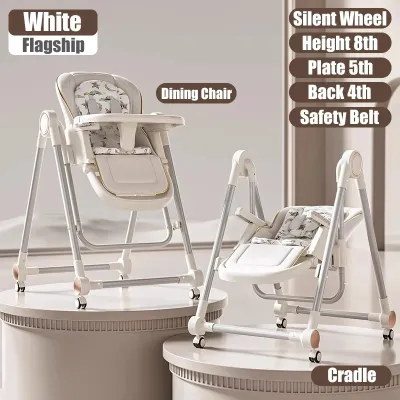
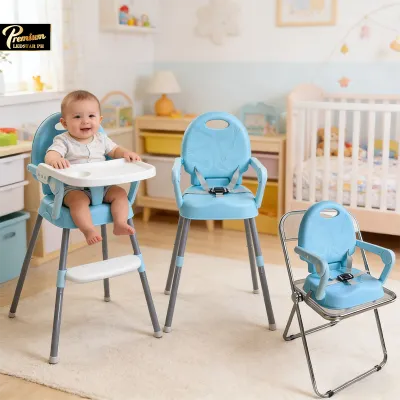
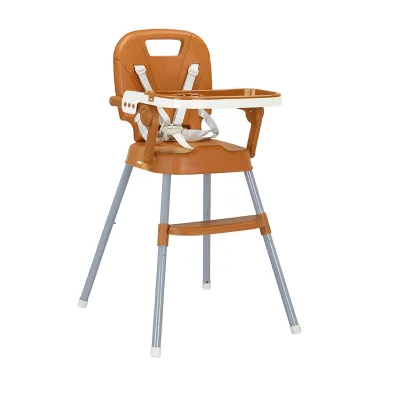
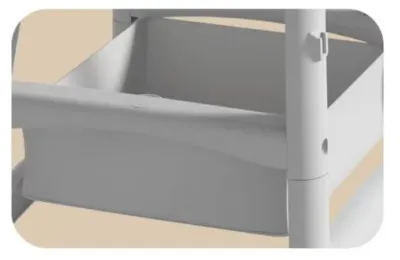
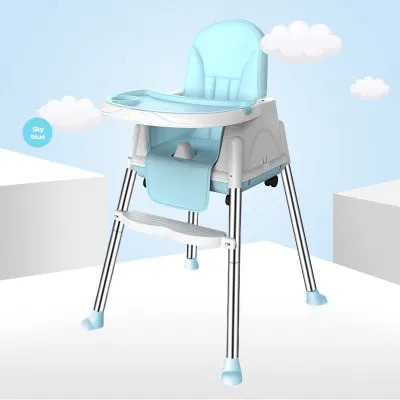
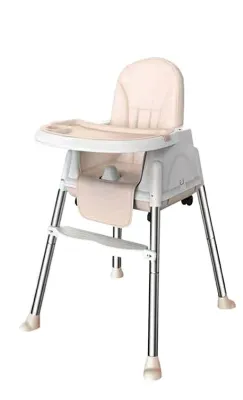
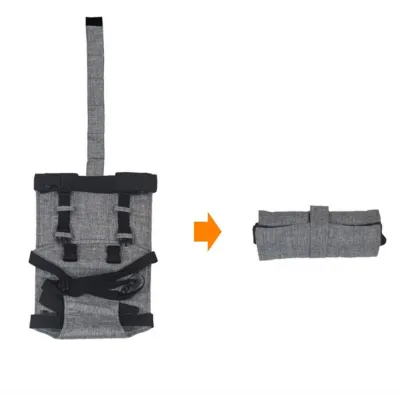
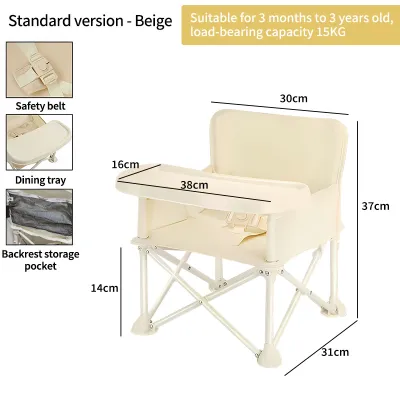
Prices are valid at publication and may change. Please refer to the product page for the latest price.
Your home environment also plays a major role in this decision. In tropical climates like the Philippines, where humidity can make certain materials feel sticky or warm, you must consider how easy a chair is to wipe down after a messy session with tropical fruits or purees. Additionally, evaluating your dining area’s floor space will help you decide if a bulky, permanent fixture or a compact, multi-functional design fits best.
High Chairs: The Dedicated Mealtime Solution
Traditional high chairs are designed with one primary goal: structured, mess-contained family feeding. These chairs position your baby at the optimal height to join the family dining table, fostering social interaction and helping them learn eating habits by observing adults.

A key benefit of a dedicated high chair is its focus on mealtime utility. They typically feature large, removable trays that contain spills, along with secure harness systems designed to keep active eaters safely in place. For parents dealing with sticky fingers and spilled milk, a high chair with smooth, easily wipeable surfaces and a detachable tray is highly practical.
However, traditional high chairs come with clear limitations. They often have a larger physical footprint, with wide-angled legs designed for stability that can easily become tripping hazards in smaller dining areas. They also offer limited utility beyond the toddler years, meaning the chair will eventually need to be stored away or replaced once your child outgrows the high chair stage.
This option is ideal for families with ample dining space who want to establish a clear, hygienic boundary between eating and playing. If you prefer your baby to sit at eye level with the rest of the family during meals and want a dedicated space that is easy to clean after every feeding, a classic high chair is a reliable choice.
Activity Chairs: The Play and Learning Hub
Activity chairs are designed to support your baby during play, learning, and sensory exploration. These chairs are typically positioned lower to the ground, allowing older toddlers to eventually climb in and out independently, though a 1-year-old will still require close supervision and assistance.
The core benefit of an activity chair is its focus on engagement. Many models feature built-in toy attachments, sensory panels, or flat drawing surfaces that keep your child occupied in a safe, contained space. This low-profile design encourages floor-level play, making it easier for you to interact with your baby while sitting on the floor beside them.
Despite these benefits, activity chairs are not a substitute for a dedicated feeding seat. They generally lack the adjustable height needed to bring your baby to a standard dining table, and their fabric or interactive components can be difficult to clean if exposed to messy foods. Furthermore, they may not provide the rigid, upright postural support required for safe swallowing during solid food meals.
An activity chair is best suited for parents who want a designated, safe spot for their baby to play or engage in quiet activities while caregivers manage household tasks nearby. It serves as an excellent secondary seat in the living room or play area, rather than a primary dining solution.
Convertible Chairs: The Long-Term Adaptable Choice
Convertible chairs, also known as multi-stage or grow-with-me chairs, are engineered to adapt to your child’s changing physical dimensions over several years. These systems typically transition from a fully supported infant high chair to a booster seat, and eventually into a standalone toddler chair or study seat.
The primary advantage of a convertible chair is its exceptional longevity. Instead of purchasing separate seats for feeding, toddlerhood, and early school years, a single convertible model can fulfill all these roles. This adaptability makes it a highly sustainable choice for families looking to minimize clutter and reduce the frequency of furniture purchases.
On the downside, convertible chairs often require a higher initial financial investment. They can also be more complex to clean, as the various adjustment mechanisms, slots, and joints can trap food crumbs and liquids, requiring regular disassembly to maintain hygiene. Some models can also feel heavier or bulkier due to the robust materials needed to ensure the chair remains stable across multiple configurations.
This type of chair is ideal for budget-conscious families who view baby furniture as a long-term investment. If you prefer a single piece of furniture that evolves alongside your child’s milestones and are willing to perform the regular maintenance required to keep the moving parts clean, a convertible chair offers excellent value.
Feature Comparison: Matching the Chair to Your Routine
To help you visualize how these options fit into your daily life, the table below compares the three main chair types across key practical dimensions.
| Chair Type | Primary Function | Space Requirement | Cleaning Ease | Estimated Lifespan |
|---|---|---|---|---|
| High Chair | Structured feeding and family dining | Moderate to high footprint | High (wipeable trays and seats) | Toddlerhood only |
| Activity Chair | Floor-level play and sensory learning | Low footprint | Moderate (depends on toy attachments) | Early toddlerhood |
| Convertible Chair | Multi-stage feeding, seating, and study | Moderate footprint | Moderate (more crevices to clean) | Infancy through early childhood |
When evaluating these options, remember that specific weight limits, age recommendations, and harness configurations vary significantly by model. Always verify these specifications directly on the manufacturer’s label or user manual before making a purchase.
Additionally, prices in Philippine Pesos (₱) can vary widely depending on the materials used, brand reputation, and local retail availability. Rather than focusing solely on the upfront cost, consider the long-term utility and how well the chair’s materials will withstand daily use and humid tropical conditions.
Final Decision Framework: Which Chair Should You Choose?
To make your final decision, consider how your family’s daily routine aligns with the following scenarios:
Choose a high chair if your primary goal is to establish a structured, mess-contained routine for family meals, you have a dedicated dining area, and you want your baby to sit at eye level with you during breakfast, lunch, and dinner.
Choose an activity chair if you already have a feeding solution and need a safe, low-to-the-ground spot in the living room or play area where your baby can engage in sensory play, look at books, or stay contained while you complete nearby chores.
Choose a convertible chair if you want to maximize your investment with a single piece of furniture that adapts from a high chair to a booster seat and toddler chair, saving you from buying multiple seats as your child grows.
Regardless of the type of chair you select, safety must remain your top priority. Always verify that the chair has a wide, stable base to prevent tipping, a functional harness system (preferably a 5-point harness for younger toddlers), and no accessible pinch points that could trap tiny fingers. Inspect the chair regularly for signs of wear, loose screws, or damaged straps. Stop using the chair immediately and consult the manufacturer if you notice any structural damage, missing parts, or if your child exceeds the maximum weight and height limits specified in the instruction manual.
Community discussion
Share your experience or ask a question. Comments are reviewed before publication.