
Choosing the right seat for baby can feel overwhelming with the sheer variety of high chairs, bouncers, and feeding seats filling the market. The key to making the right choice lies in matching the seat to your baby’s current developmental stage, your home’s layout, and your daily routine. Instead of buying every option available, you can streamline your nursery setup by identifying which seat serves your immediate needs and which can wait.
In the Philippines, where tropical humidity and varying home layouts play a significant role in daily comfort, selecting gear that is easy to clean and fits your living space is essential. Whether you live in a compact urban condo or a spacious multi-generational household, the right seat should keep your baby secure, comfortable, and properly supported during play or mealtimes. By focusing on developmental readiness and practical usability, you can make a smart investment that fits your family’s lifestyle.
Assess Your Baby's Developmental Readiness
Before introducing any seat for baby, you must evaluate their physical milestones to ensure their safety and comfort. Placing a baby in a seat they are not physically ready for can strain their developing spine and compromise their airway. Always prioritize physical readiness over age guidelines, as every child develops at their own pace.
Products mentioned in this guide
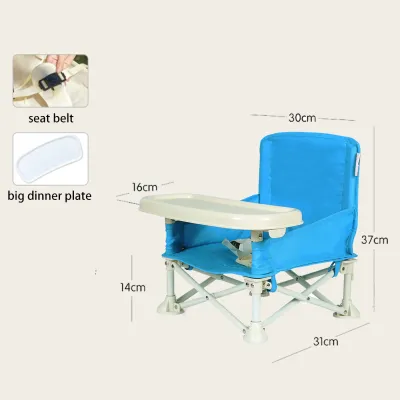

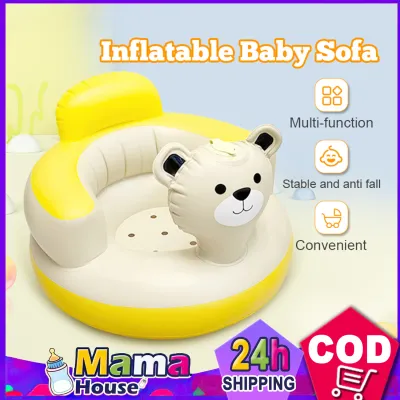

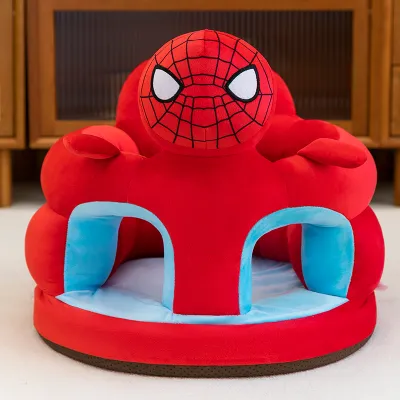
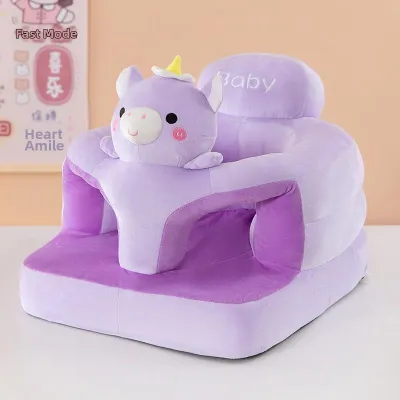
Prices are valid at publication and may change. Please refer to the product page for the latest price.
For upright high chairs and floor feeding seats, your baby must demonstrate strong neck control and the ability to sit upright independently. Independent sitting means the baby can hold their head up steadily and maintain a seated posture without slumping forward or to the side. This milestone typically emerges around six months of age, coinciding with their readiness for solid foods.
Bouncers, on the other hand, are designed for younger infants who cannot yet sit up on their own. You must check the specific product labels for age, weight, and developmental limits, as bouncers are meant to support a reclined posture. Once your baby begins attempting to sit up, roll over, or exceeds the manufacturer’s weight limit, you must stop using the bouncer immediately to prevent tipping hazards.
Recognizing the physical signs of readiness for starting solid foods is crucial for timing your primary mealtime seat purchase. These signs include sitting with minimal support, showing interest in food, and losing the tongue-thrust reflex. Ensuring your baby meets these milestones before placing them in a high chair or feeding seat reduces choking risks and makes mealtimes a safer, more enjoyable experience.
Evaluate Your Space and Daily Routine
Your living environment and lifestyle are just as important as your baby’s developmental stage when choosing a seat. A bulky high chair might work perfectly in a dedicated dining room but can quickly become an obstacle in a compact kitchen or a cozy apartment.

Measure your available floor space and storage constraints before making a decision. Traditional high chairs often have a wide footprint for stability, which can crowd smaller dining areas. If space is limited, look for compact, foldable feeding seats or booster models that attach directly to your existing dining chairs, allowing you to reclaim valuable floor space when the seat is not in use.
Consider your family’s portability needs if you travel frequently, visit relatives, or need to move the seat between rooms. A lightweight bouncer is excellent for keeping your baby close while you fold laundry in the bedroom or prepare meals in the kitchen. For families on the go, a portable feeding seat that folds flat and fits into a travel bag is highly practical for out-of-home dining.
Finally, evaluate your dining table height and seating arrangements to ensure the chosen seat allows your baby to safely join family meals. Some high chairs offer adjustable height settings to match different table levels, while booster seats bring the baby directly to the family table. Ensuring a proper fit with your existing furniture helps foster social interaction during meals while keeping your baby securely positioned.
Compare High Chairs, Bouncers, and Feeding Seats
Understanding the distinct functions, limitations, and ideal use cases of each seat category will help you finalize your purchase decision. Each option serves a specific purpose in your baby’s daily routine, and comparing them directly highlights which ones are essential for your household.
High chairs are dedicated mealtime solutions designed for long-term adjustability and easy cleaning. They typically feature removable, washable trays, wipeable seat pads, and adjustable footrests that grow with your child. Because they position the baby at eye level with seated adults, they are ideal for establishing a structured mealtime routine, though they do require a larger dedicated space in your home.
Bouncers are designed for soothing, entertainment, and temporary placement under direct caregiver supervision. They respond to your baby’s natural movements with a gentle bouncing motion, making them excellent for relaxing after a wake window. However, bouncers are not designed for feeding, and you must adhere to strict safety boundaries, ensuring the baby is never left unattended or allowed to sleep in the bouncer.
Feeding seats, which include booster seats and floor seats, serve as space-saving alternatives to traditional high chairs. Floor seats are designed for babies who are just learning to sit upright, while booster seats secure directly to standard dining chairs using safety straps. These seats are highly versatile and portable, but you must verify that your dining chairs meet the manufacturer’s stability and size requirements before securing a booster seat.
Verify Safety Standards and Usage Limits
Safety must be your top priority when selecting and using any seat for baby. Establishing a thorough checklist before purchasing or using a seat ensures that the product meets current safety expectations and is used correctly.
Always inspect the seat for a secure multi-point harness system—a five-point harness is generally recommended for high chairs to prevent the baby from climbing or sliding out. Check that the base of the seat is wide and stable to prevent tipping, and examine the frame for any potential pinch points that could catch tiny fingers.
Read all manufacturer warnings regarding maximum weight limits, recline angles, and fall hazards. Never place a bouncer or a floor feeding seat on elevated surfaces like tables, countertops, or sofas, as sudden movements can cause the seat to slide or tip over. Always use the seat on a flat, level floor as directed by the product instructions.
Identify clear conditions for when to stop using a bouncer or transition out of a specific seat type based on your child’s growth. For example, when your child reaches the maximum weight limit or can sit up unassisted, it is time to transition them out of the bouncer. Regularly review the manufacturer’s guidelines to ensure your growing child remains within the safe operating limits of their seat.
Frequently Asked Questions (FAQ)
Can I use a bouncer for feeding my baby?
No, you should not use a standard reclined bouncer for feeding your baby solid foods. Feeding a baby in a reclined position significantly increases the risk of choking and aspiration, as they need to be fully upright to swallow safely. Always check your specific product manual to see if the manufacturer offers an approved, fully upright feeding attachment or setting, and transition your baby to a proper high chair or upright feeding seat once they begin solids.
Do I need both a high chair and a portable feeding seat?
Whether you need both depends entirely on your lifestyle, space, and budget. A single, adjustable high chair is often sufficient if your family primarily eats at home and has ample dining space. However, if you travel frequently, have a compact home, or regularly visit family, a portable feeding seat serves as an excellent, space-saving backup that can easily transition from your dining room to an outing.
Community discussion
Share your experience or ask a question. Comments are reviewed before publication.