
Navigating baby gear can feel overwhelming, especially when trying to figure out which items are truly essential. Among the most common purchases is the baby chair, a broad category encompassing high chairs, bouncers, and activity seats. Each option serves a distinct purpose in your baby’s daily life, from feeding and playing to resting. However, you do not need to purchase every single seating option available to raise a happy, healthy baby.
Choosing the right baby chair depends on your child’s physical development, your daily routines, and your living space. By understanding the specific functions, safety guidelines, and developmental windows for each seat, you can make an informed, budget-conscious decision that keeps your baby safe and comfortable.
Step 1: Check Your Baby’s Developmental Milestones
Before using any baby chair, you must assess your baby’s physical readiness. While manufacturers print age estimates on packaging, these numbers are only general guidelines. Your baby’s physical milestones, particularly neck control and torso stability, are the true indicators of whether a seat is safe. Placing a baby in a chair before their muscles are ready can strain their developing spine and compromise breathing.
Products mentioned in this guide
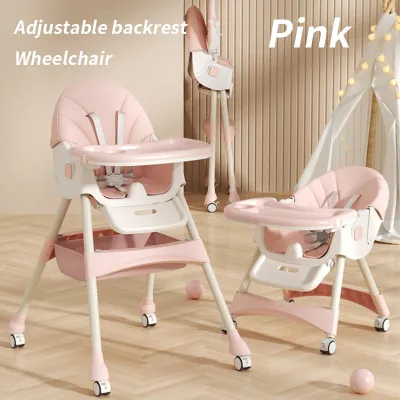
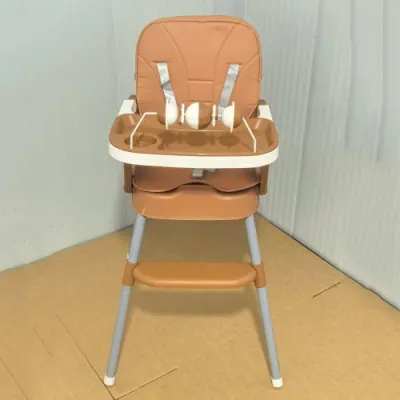
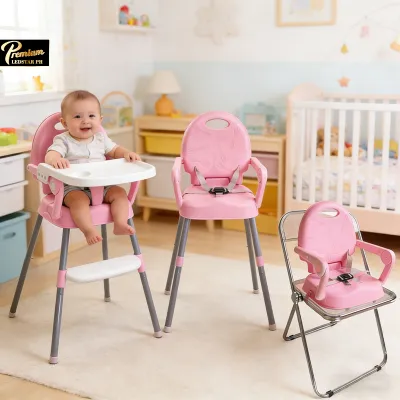
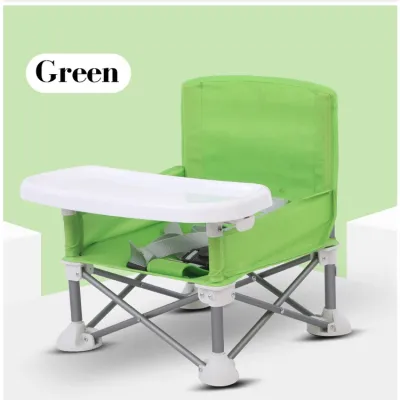
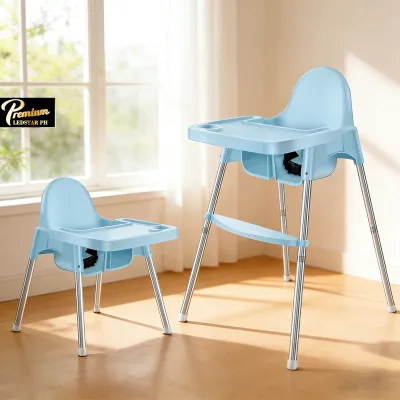
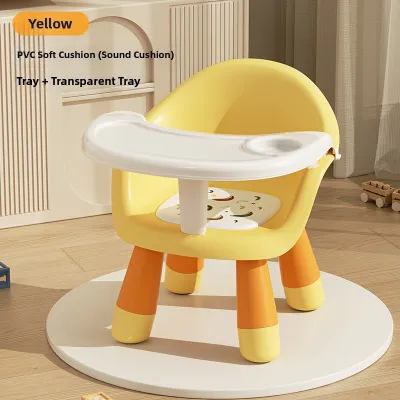
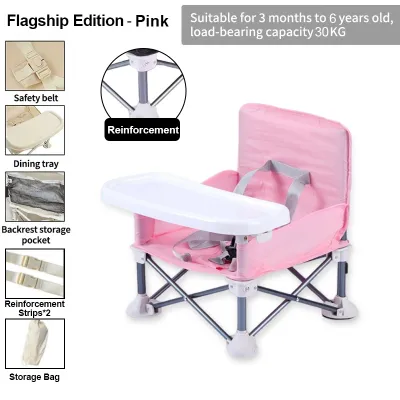
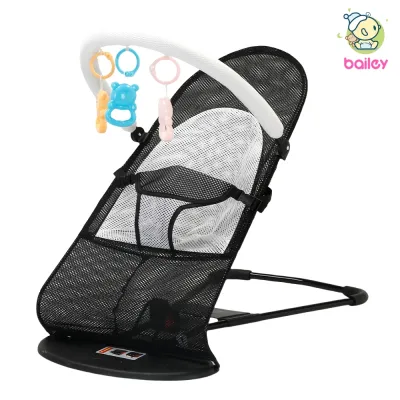
Prices are valid at publication and may change. Please refer to the product page for the latest price.
To determine readiness, observe how your baby behaves during floor play. For upright seats like high chairs and activity centers, your baby must hold their head steady without bobbing and sit upright with minimal support. If your baby slumps forward or to the side, their trunk muscles are not yet strong enough to support their weight safely.
Before introducing any seating product, always perform a thorough verification of the manufacturer’s specific guidelines. Check the product label or user manual for the exact weight, height, and developmental limits. Never assume a chair is safe simply because your baby falls within the estimated age range. If your baby’s physical development does not match the product’s requirements, delay using the seat and consult your pediatrician or a physical therapist.
High Chairs: When Mealtime Becomes the Priority
The primary purpose of a high chair is to provide a safe, upright space for your baby as they transition to solid foods and join family mealtimes. This transition typically begins around six months of age, but the exact timing depends entirely on your baby’s physical readiness. Sitting upright is a critical safety requirement that allows your baby to swallow solid foods safely and reduces the risk of choking.

Before placing your baby in a high chair, ensure they can sit up with minimal assistance and maintain steady head control for the duration of a meal. If your baby tires quickly or leans heavily to one side, they are not yet ready. For safety, feeding should never take place in a reclined seat, as this posture increases the risk of food entering the airway.
When evaluating high chair models, consider these key decision factors:
- Available Floor Space: In compact living environments, such as urban apartments, a traditional full-sized high chair can quickly crowd your dining area. If space is limited, look for folding models or space-saving booster seats that secure directly to your existing dining chairs.
- Ease of Cleaning: Feeding babies is messy. Look for high chairs with seamless designs, wipeable materials, and machine-washable straps. In warm, humid tropical climates, food crumbs and moisture trapped in fabric crevices can quickly lead to mold and mildew growth, making easy-to-clean materials essential for hygiene.
- Harness Systems: A secure multi-point harness is critical to prevent your baby from slipping down or climbing out. Verify that the harness buckles securely and can be adjusted to fit your baby snugly as they grow.
- Longevity: Many models are designed to transition from a baby high chair to a toddler booster seat, offering several years of daily utility.
Bouncers: For Soothing and Short-Term Comfort
A baby bouncer is designed to soothe your baby through gentle, natural bouncing motions triggered by the baby’s own movements or a soft manual push. This type of seat provides a safe, comfortable spot to place your baby for short periods when you need your hands free to complete quick household tasks, while keeping your baby nearby under active supervision.
The developmental window for a bouncer is relatively short. It is typically suitable from birth until your baby begins showing signs of trying to sit up unassisted, or until they reach the manufacturer’s maximum weight limit. Once your baby can roll over or push themselves up, using a bouncer becomes a safety hazard, as their movements can cause the seat to tip over.
It is crucial to establish strict safety boundaries when using a bouncer. Bouncers and other angled seating devices are not safe for unsupervised sleep or prolonged resting. According to established safe sleep guidelines, babies must always sleep on a flat, firm surface to prevent positional asphyxiation, which can occur if a baby’s head falls forward and restricts their airway. If your baby falls asleep in a bouncer, immediately transfer them to a flat, firm crib, bassinet, or playpen.
When setting up a bouncer, always check the stability of its base and ensure the seat is placed exclusively on a flat, level floor. Never place a bouncer on elevated surfaces such as tables, countertops, sofas, or beds. A baby’s movements can cause the bouncer to slide or tip off elevated surfaces, leading to severe fall injuries.
Activity Seats: For Upright Play and Engagement
Activity seats are designed to keep your baby entertained in an upright position, offering a 360-degree view of their surroundings and built-in interactive toys. These seats are particularly appealing to babies who are curious about their environment but have not yet mastered the ability to sit independently on the floor. They provide a contained play space that can keep your baby engaged for brief intervals.
However, the transition point for an activity seat arrives quickly. As soon as your baby can sit unassisted, begins pulling themselves up to a standing position, or demonstrates the ability to climb out of the seat, you must stop using it immediately. Continuing to use the seat past this developmental stage increases the risk of the unit tipping over or the baby falling out.
Before purchasing an activity seat, consider the practical trade-offs. These seats tend to have a large footprint, taking up significant floor space. Because the window of safe use is relatively short—often lasting only a few months—an activity seat may offer less value for money compared to a long-term high chair. Additionally, pediatric experts generally recommend limiting the time your baby spends in stationary activity centers to short sessions of 15 to 20 minutes per day, ensuring they still get plenty of unrestricted floor play and tummy time to develop their motor skills naturally.
Do You Need to Buy All Three? Matching Chairs to Your Routine
With so many baby products marketed as daily essentials, it is easy to feel pressured to buy every type of baby chair available. However, you do not need to purchase all three. Many families find that they can easily manage daily routines with just one or two carefully selected seating options, saving both money and valuable home space.
To prioritize your purchases, evaluate your daily routine and your baby’s unique temperament:
- The Mealtime Essential: A high chair is generally non-negotiable once your baby starts solid foods, as safe feeding requires a dedicated, upright, and secure seat.
- The Soothing Alternative: If your baby prefers being held, enjoys resting on a flat play mat, or if you already own a baby swing, you can comfortably skip the bouncer.
- The Playtime Decision: Before investing in an activity seat, wait and observe your baby's development. If your baby is content practicing their physical milestones on a clean floor mat with loose toys, an activity seat may be entirely redundant.
If you live in a compact home, consider multi-functional baby furniture. Some modern high chairs are designed to convert into toddler chairs or play seats, while space-saving booster seats can serve as both a high chair alternative and a portable seat for travel. Waiting to observe your baby’s preferences before buying temporary gear prevents clutter and ensures you only spend money on products your baby actually enjoys.
Essential Safety and Maintenance Checks for Any Baby Chair
Regardless of which baby chairs you choose to bring into your home, regular safety and maintenance checks are vital to protect your child from preventable accidents. Over time, daily use can loosen fasteners, wear down plastic components, and compromise the integrity of fabric harnesses.
Establish a routine to inspect your baby’s seating equipment weekly:
- Inspect Hardware and Buckles: Check that all screws, bolts, and joints are tightly secured. Examine the harness buckles to ensure they click firmly into place and do not release easily under pressure.
- Check Non-Slip Feet: Ensure that the rubber or plastic non-slip pads on the bottom of the chair's legs are clean and intact. Dust, pet hair, and floor wax can make these feet slippery, reducing the chair's stability.
- Prevent Mold and Mildew: In humid environments, sweat, spilled milk, and food crumbs can quickly foster mold growth on fabric covers and harness straps. Always refer to the manufacturer's care instructions before cleaning. Wash removable fabric covers on a gentle cycle and wipe down plastic or metal frames with mild, baby-safe soap and water. Ensure every component is completely dry before reassembling the chair.
The golden rule of baby chair safety is to monitor your child’s growth continuously. Always stop using any chair immediately if your baby exceeds the manufacturer’s stated weight or height limits, or if they demonstrate the physical ability to climb out of the harness.
Frequently Asked Questions (FAQ)
Can my newborn sleep in a bouncer?
No, newborns should never sleep in a bouncer. Angled seating positions carry a risk of positional asphyxiation, where a baby’s heavy head can tilt forward onto their chest, blocking their airway. If your baby falls asleep in a bouncer, gently move them to a flat, firm sleep surface, such as a crib or bassinet, immediately.
At what age should I transition from a bouncer to a high chair?
The transition is determined by physical milestones rather than a specific age. You should transition your baby to a high chair once they can sit upright with minimal support and are ready to begin solid foods, which typically occurs around six months of age. Always check your bouncer’s maximum weight limit to ensure your baby has not outgrown it.
Are floor seats better than elevated activity seats?
Neither is universally better; they serve different purposes. Floor seats keep your baby close to the ground, which can encourage independent sitting, but they often have tight leg openings that restrict natural hip movement. Elevated activity seats offer a higher vantage point and interactive toys, but they have a short lifespan and take up more space. Whichever you choose, limit use to short sessions to prioritize unrestricted floor play.
Community discussion
Share your experience or ask a question. Comments are reviewed before publication.