
Choosing the right baby furniture is one of the most significant decisions expectant and new parents face. The debate between purchasing a combined high chair and changing table unit versus buying separate, dedicated pieces often comes down to balancing daily convenience with the physical realities of your living space. Both configurations offer distinct advantages, but the optimal setup for your family depends on your home’s layout, your budget flexibility, and your preferred caregiving workflow.
While a multi-functional combo unit is an excellent way to maximize limited floor space in compact living areas, separate pieces of furniture provide unmatched flexibility in placement and a longer overall lifespan. Before making a final decision, it is essential to measure your designated nursery, bedroom, or dining area to understand how each option will fit into your daily routine. By evaluating your specific household constraints, you can select a setup that ensures safety, comfort, and practicality for both you and your baby.
Evaluating Space and Layout in Philippine Homes
Living arrangements in the Philippines vary widely, from spacious multi-generational suburban homes to compact urban condominiums and townhouses. In many modern city dwellings, open-plan layouts combine the living, dining, and kitchen areas into a single cohesive space. When floor space is at a premium, the physical footprint of your baby furniture becomes a critical consideration. A high chair and changing table combo unit consolidates two major pieces of furniture into one, allowing you to preserve valuable floor space and maintain clear pathways for foot traffic.
Products mentioned in this guide
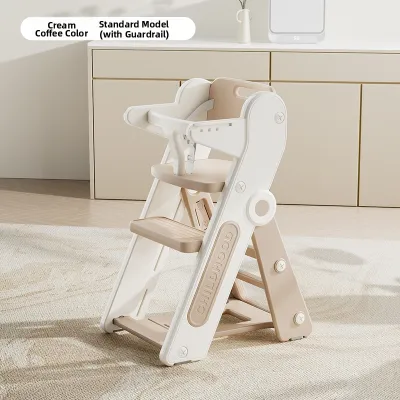
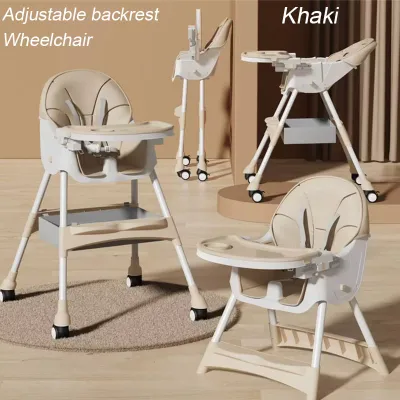
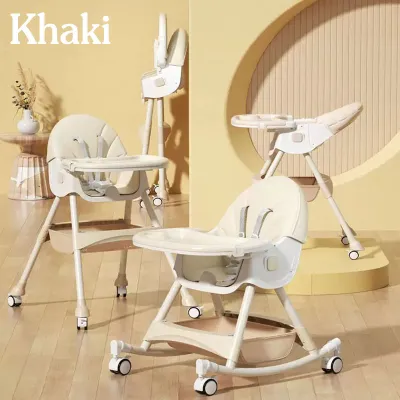
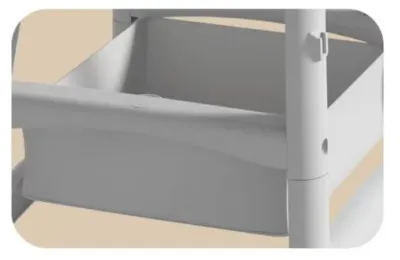
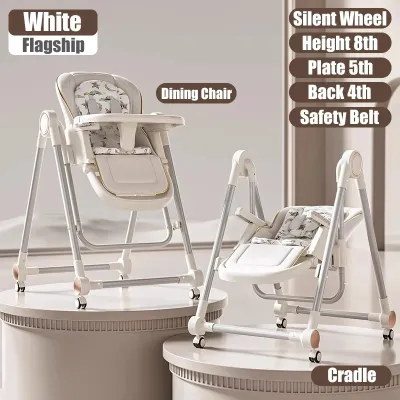
Prices are valid at publication and may change. Please refer to the product page for the latest price.
However, a combo unit requires a permanent, dedicated spot that can accommodate both activities. This means you must have enough room in or near your dining area to handle diaper changes, or conversely, enough room in your bedroom to manage mealtime cleanups. Separate units, on the other hand, allow you to distribute the furniture across different rooms according to their natural functions. You can place a dedicated changing table in a quiet bedroom for private, sanitary diaper changes, while keeping a standalone high chair permanently positioned at the dining table.
When planning your layout, you must measure the dynamic clearance of the furniture rather than just its static footprint. For a high chair, this means ensuring there is enough space to pull the chair back from the table, comfortably seat your baby, secure the safety harness, and clean up the inevitable food spills. For a changing table, you need sufficient clearance to stand directly in front of the unit, open drawers or storage bins, and access essential supplies like wipes and diapers without twisting or straining. Ensure there is at least 60 to 90 centimeters of unobstructed space around the active areas of these units to prevent accidents and ensure comfortable movement.
Visual clutter and airflow are also important factors in tropical climates. Heavy, solid furniture can block natural light and restrict air circulation, making a room feel warmer and more cramped. A single, streamlined combo unit can help reduce visual clutter in a small room, but a bulky, non-folding model might feel imposing. In contrast, choosing a lightweight, folding high chair paired with a simple, open-shelved changing table can keep your living spaces feeling airy, bright, and easy to navigate.
Comparing Budget and Long-Term Value
Investing in baby furniture requires a careful look at your upfront budget and the long-term utility of each item. High-quality baby furniture is an investment, and comparing the total ₱ price of a combo unit against the combined cost of two separate pieces is a practical starting point. A premium combo unit may carry a higher initial price tag than a basic standalone high chair, but it often proves more economical than purchasing a high-quality separate high chair and a dedicated changing table individually.

To determine the true value of your purchase, consider the usable lifespan of each configuration. A high chair is typically introduced around six months of age, when a baby can sit upright independently, and is used daily until the child is approximately three years old. Many standalone high chairs are designed with longevity in mind, featuring adjustable heights and removable trays that allow them to transition into toddler booster seats or even small study chairs. This adaptability ensures you get several years of continuous use out of a single purchase.
In contrast, a changing table has a much shorter functional window. Most parents stop using a dedicated changing table once potty training is well underway, usually between two and three years of age, or when the child becomes too active to safely remain on an elevated changing surface. If you choose a combo unit where the changing platform is permanently integrated, that portion of the furniture becomes obsolete relatively quickly. If the unit cannot be easily reconfigured or converted into another useful piece of furniture, you may find yourself with a bulky item that no longer serves your family’s needs.
Resale value and hand-me-down potential are also worth considering. Standalone baby items are generally easier to store, transport, and sell on local secondhand markets. A lightweight, folding high chair can be easily packed away in a closet or attic for a future sibling, or sold to another family when no longer needed. Bulky, heavy combo units are more challenging to store and transport, and they may have a smaller pool of interested buyers because subsequent owners must have the exact space and desire for a combined feeding and changing setup.
Assessing Daily Workflow, Cleaning, and Safety
Your daily caregiving routine is heavily influenced by the placement and design of your baby furniture. Consider the logistical workflow of moving your baby between feeding and changing areas. Diaper changes occur frequently throughout the day and night, requiring a quiet, hygienic, and private environment. Feeding, however, is a social and often messy activity centered around the kitchen or dining room. A combo unit forces you to choose one location for both activities, which can create practical challenges.
If you place a combo unit in the dining room, you may find yourself performing diaper changes in close proximity to where your family eats, which presents obvious hygiene concerns. If you place the combo unit in a bedroom to maintain privacy during diaper changes, you will need to carry meals, snacks, and drinks into the bedroom multiple times a day, increasing the risk of spills on bedroom carpets or rugs. Separate units allow you to keep these two distinct activities completely isolated, preserving the sanitary boundary between your food preparation areas and your diaper-changing zones.
Cleaning and sanitization are particularly critical in warm, humid tropical environments, where bacteria, mold, and mildew can thrive. High chairs are notorious for collecting food crumbs, spilled milk, and sticky purees in every crevice, seam, and strap. If your high chair is physically attached to your changing table, you must be exceptionally diligent about deep cleaning. Any food residue left in the joints or fabric of a combo unit can attract household pests or lead to mold growth, compromising the hygiene of the adjacent changing surface. Separate units simplify your cleaning routine by keeping food messes confined to the dining area, where they can be easily wiped down and sanitized without affecting your diapering setup.
Safety must always be your top priority when selecting baby furniture. Before purchasing any unit, perform a thorough safety verification based on the manufacturer’s specifications:
- Weight Limits: Verify the maximum weight capacity for both the high chair and changing table functions, as these limits often differ significantly on combo units.
- Harness Systems: Ensure the high chair features a secure, adjustable three-point or five-point safety harness that is easy for a caregiver to operate but secure against a curious toddler.
- Structural Stability: Look for a wide, stable base that prevents the unit from tipping over when your baby moves or climbs. For combo units, check that all locking mechanisms are robust and cannot be accidentally disengaged.
Decision Guide: Choosing the Right Setup for Your Family
To help you finalize your decision, evaluate your household’s specific needs against the following practical scenarios.
Choose the combo if…
- Space is extremely limited: You live in a compact apartment, studio, or condominium where every square meter of floor space must be carefully managed.
- You prefer a consolidated look: You want to minimize visual clutter by keeping your essential baby gear contained within a single, multi-functional footprint.
- Your home layout is centralized: Your living, dining, and sleeping areas are close enough that a single location for both feeding and changing does not disrupt your daily routine.
Choose separate pieces if…
- You have multiple rooms: Your home features a distinct dining area and separate bedrooms, allowing you to keep diaper changes private and meals social.
- You prioritize long-term utility: You want a high chair that can transition into a toddler chair or booster seat, and you prefer to retire the changing table once potty training is complete.
- Hygiene management is a priority: You prefer to keep feeding messes and diaper changes completely isolated in different parts of the home to simplify your cleaning and sanitization routines.
- You plan to store or resell the items: You want lightweight, easily transportable furniture that can be stored individually for future children or sold easily on the secondhand market.
Verify first if…
Before completing your purchase at a local baby store or through an online marketplace, always verify the manufacturer’s product manual for safety certifications, exact weight and height limits, and assembly instructions. Ensure that all materials, especially fabric seat pads and changing mats, are water-resistant, easy to wipe clean, and durable enough to withstand regular sanitization in a humid climate.
Frequently Asked Questions (FAQ)
Can I use a regular table as a changing table to save money?
Using a standard household table, desk, or countertop for diaper changes poses significant safety risks. Standard tables lack the raised safety barriers, contoured changing pads, and secure safety straps designed to prevent an active baby from rolling off the edge. If you want to save money or space, a sturdy, low-profile chest of drawers can be safely adapted into a changing station. To do this safely, you must purchase a dedicated, slip-resistant changing pad, secure it firmly to the dresser top using the manufacturer’s hardware, use the safety strap during every change, and never leave your baby unattended for any reason.
When should I transition my baby out of the high chair?
Most children transition out of a traditional high chair between 18 months and three years of age, but this transition should be guided by physical milestones rather than age alone. You should begin the transition if your child has reached the manufacturer’s maximum weight or height limit, is constantly attempting to climb out of the safety harness, or can sit comfortably and safely at the family dining table using a booster seat. Always consult your specific high chair’s product manual to verify the exact weight and height thresholds recommended for safe operation.
Community discussion
Share your experience or ask a question. Comments are reviewed before publication.