
Choosing the right large diaper for your baby is a highly individualized decision that depends on your child’s unique body shape, skin sensitivity, and wetting patterns. While global household names like Pampers and Huggies offer highly specialized sub-lines with widespread availability, regional options like Hey Tiger and budget-focused brands like Equator present distinct alternatives. In tropical climates where high heat and humidity are constant factors, finding a diaper that balances breathability, reliable absorbency, and a comfortable fit is essential for preventing skin irritation and ensuring uninterrupted sleep. Rather than relying on marketing claims, parents can make an informed choice by physically inspecting diaper construction, conducting structured at-home trials, and calculating the true cost per piece.
To find the best option among Hey Tiger, Pampers, Huggies, and Equator in the large size, you must evaluate how each brand aligns with your household budget and your baby’s daily routine. A diaper that works perfectly for a highly active toddler during daytime play might not provide the overnight protection needed for a heavy wetter. By understanding the structural differences between these brands and learning how to perform simple, objective checks at home, you can identify the most reliable and cost-effective diapering setup for your family.
Understanding the Four Brands: What to Look for on the Label
Before purchasing a large pack of diapers, it is essential to understand how each brand positions its products and what specific features are listed on their packaging. Diaper manufacturers frequently update their designs, materials, and sub-lines, meaning that a brand’s performance can vary significantly depending on the specific product tier you select.
Products mentioned in this guide
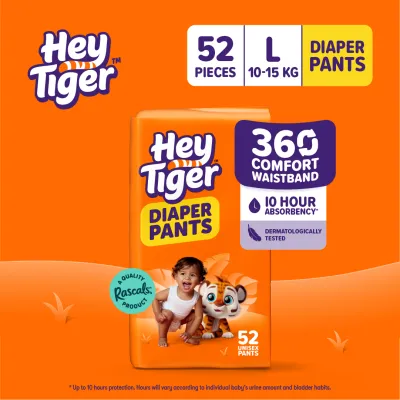
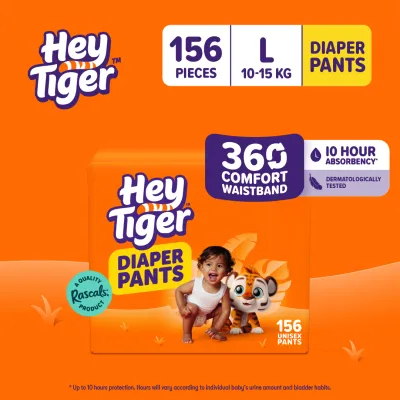
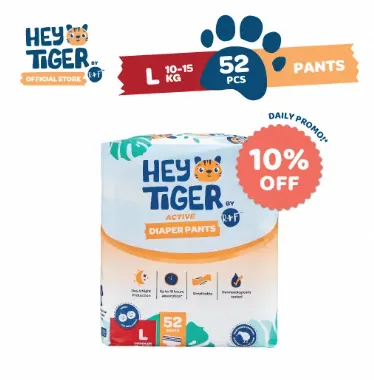
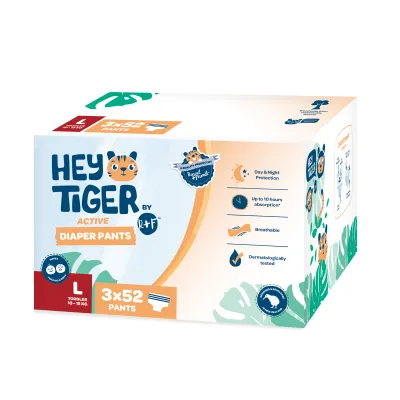
Prices are valid at publication and may change. Please refer to the product page for the latest price.
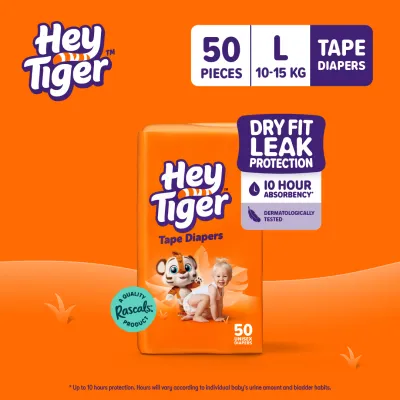
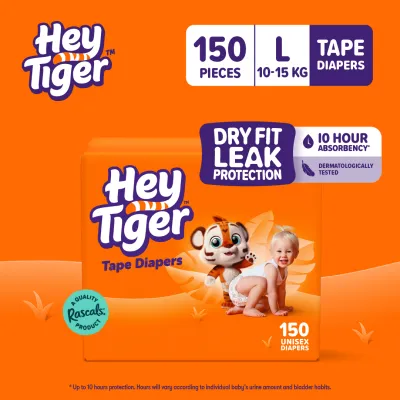
Hey Tiger diapers are often marketed with a focus on modern, minimalist designs and specific material choices. When evaluating Hey Tiger in the large size, inspect the packaging for details regarding its core construction, breathability claims, and regional manufacturing standards. Because this brand may have different distribution channels, check the label to confirm the importer or distributor details to ensure you are purchasing authentic products from a reliable source.
Pampers and Huggies are global industry leaders that offer multiple sub-lines, ranging from standard everyday options to premium, organic, or sensitive-skin variants. For these brands, the specific sub-line matters just as much as the brand name itself. Carefully read the packaging to identify whether the pack is designed for active daytime wear, maximum overnight dryness, or extra-gentle skin protection, as the absorbent materials and elastic structures differ across these tiers.
Equator diapers generally target budget-conscious households, focusing on essential functionality and straightforward construction. When examining an Equator pack, look for basic structural promises such as the presence of a wetness indicator, the type of fastening tape used, and the overall thickness of the diaper. This helps you establish a baseline expectation of what the diaper offers relative to its lower price point.
Regardless of the brand you choose, always perform a quick quality check on the physical packaging before opening it. Verify the manufacturing date, batch number, and any official safety warnings or usage instructions printed on the exterior. Checking these details ensures that the diapers have been stored correctly and are within their optimal usage window, reducing the risk of degraded adhesive tapes or compromised absorbent materials.
Evaluating Absorbency and Leak Protection at Home
Absorbency is the primary function of any disposable diaper, especially as babies grow into the large size and begin consuming larger volumes of liquids. To assess how Hey Tiger, Pampers, Huggies, and Equator handle heavy wetting, you can perform a physical inspection of their internal structures and run a simple at-home trial.

Start by opening a clean diaper from each brand and examining the interior lining. Look for the presence of standing leak guards—the raised elastic barriers along the leg openings—and check how high they sit, as taller guards provide better containment for sudden, heavy wetness. Additionally, feel the waistband to see if there is an integrated pocket or barrier at the back, which is crucial for preventing blowouts when your baby is sitting or lying down.
Next, check the packaging labels for descriptions of the absorbent core technology. Most modern diapers utilize superabsorbent polymer (SAP) gel beads mixed with wood pulp to lock moisture away from the skin. Some premium lines feature specialized channels that distribute liquid evenly across the diaper, preventing the core from sagging and clumping in one spot as it fills.
To conduct a practical at-home trial, use one brand exclusively for two to three days and keep a simple log of its performance. Note the frequency of leaks, how damp the outer surface feels after several hours, and whether the diaper sags excessively when full. A high-performing diaper should keep your baby’s skin dry to the touch even when the absorbent core is moderately full.
Keep in mind that a baby’s absorbency needs are dynamic and will change as they grow, transition to solid foods, and alter their sleeping patterns. A brand that provides excellent daytime protection might require a more absorbent overnight alternative to prevent sleep disruptions. Regularly observing how each diaper handles your baby’s specific wetting patterns will help you decide if you need to adjust your diapering strategy.
Checking Fit, Comfort, and Skin Compatibility
A diaper can have excellent absorbency, but if it does not fit your baby’s unique body shape, leaks and skin irritation are highly likely to occur. Large-sized diapers are designed for babies who are increasingly active, meaning the diaper must stretch and flex with their movements without shifting out of place.
To evaluate fit and comfort, physically stretch the waistbands and leg cuffs of each brand to compare their elasticity and flexibility. The elastic bands should feel soft and highly stretchable, allowing for a snug fit that does not constrict your baby’s movements. Check the fastening tabs as well; they should be sturdy enough to grip the front panel securely, even when your baby crawls, rolls, or walks.
Skin compatibility is another critical factor, particularly in warm, humid climates where trapped moisture can quickly lead to diaper rash. Review the ingredient and material labels on the packaging to check for the presence of added lotions, fragrances, or specific dermatological testing claims. If your baby has highly sensitive skin, you may want to prioritize brands that explicitly state they are free from elemental chlorine, latex, and synthetic fragrances.
During your trial period, closely monitor your baby’s skin for any signs of redness, chafing, or localized rashes. Pay close attention to the areas around the thighs, hips, and waist where the elastic makes direct contact with the skin. Deep red marks or indentations indicate that the elastic is too tight or that the diaper’s cut is incompatible with your baby’s body shape.
If you notice persistent fit issues, it is important to distinguish between a poor fastening technique and an incorrect diaper size. Sometimes, adjusting the angle of the fastening tabs or ensuring the leg cuffs are fully flared outward can resolve minor leaks. However, if the diaper consistently sits too low on the waist or the fastening tabs barely reach the front panel, it is usually a clear sign that it is time to size up.
Calculating True Value and Price per Diaper
When comparing diaper brands, looking only at the retail price of a pack can be highly misleading. Because pack sizes vary significantly between brands and sub-lines, the most accurate way to evaluate cost is to calculate the price per individual diaper.
To find the true cost, divide the total price of the pack by the exact number of diapers inside to determine the price per piece (₱). For example, a pack costing ₱500 containing 40 diapers results in a unit price of ₱12.50 per diaper. Performing this simple calculation allows you to make direct, objective comparisons between budget-friendly options like Equator and premium offerings from Pampers, Huggies, or Hey Tiger.
Additionally, consider how purchasing in different volumes affects your overall expenses. Standard packs sold in local convenience stores or supermarkets often carry a higher price per piece compared to bulk boxes or promotional bundles available on online marketplaces. If you find a brand that works consistently well for your baby, purchasing larger bulk boxes or waiting for major online sales events can yield substantial long-term savings.
It is also vital to factor in the hidden costs associated with diaper performance. A cheaper diaper that leaks frequently or causes skin irritation can quickly become more expensive than a premium option. Frequent leaks require more diaper changes, extra laundry cycles, and the purchase of specialized diaper rash creams, which quickly offsets any initial savings on the retail price.
To optimize your household budget, track price fluctuations over a few weeks across different physical retailers and ecommerce platforms. Many parents find that maintaining a small stock of their preferred brand allows them to avoid emergency purchases at high convenience-store prices, ensuring they always get the best possible value per piece.
Final Decision Guide: Which Brand Fits Your Needs?
Choosing the right large diaper involves matching a brand’s specific characteristics with your baby’s physical needs and your household’s financial priorities. Because no single diaper is universally perfect, your final choice should be guided by the observable results of your at-home trials and careful cost calculations.
You may want to choose Hey Tiger if you prefer a modern design, find its specific fit compatible with your baby’s body shape, and have reliable access to its distribution channels. This brand is suitable for parents who appreciate a streamlined aesthetic and are satisfied with its overall absorbency and material feel during daily use.
Consider choosing Pampers or Huggies if you require widely available diapers with specialized sub-lines tailored for specific needs. These global brands are excellent options if you need highly absorbent diapers designed specifically for extended overnight wear, or if your baby has sensitive skin that benefits from their premium, fragrance-free product lines. Their widespread availability also makes them highly convenient for families who travel or prefer buying from local supermarkets.
Opt for Equator if maximizing your household budget is your primary goal and your baby does not experience frequent heavy leaks or skin sensitivities. This brand offers a highly economical solution for daytime diapering, especially when paired with frequent, regular changes to maintain skin dryness and hygiene.
Before making a final commitment to any brand, verify if your baby has any specific skin conditions, persistent rashes, or allergies. If your baby experiences chronic skin irritation that does not improve with regular diaper changes, consult a qualified pediatrician. A medical professional can recommend specialized, hypoallergenic, or medical-grade diapering options tailored to your baby’s specific dermatological needs.
Frequently Asked Questions (FAQ)
How do I know if my baby needs to move up to an extra-large diaper?
Transitioning to a larger diaper size is usually indicated by physical signs rather than weight guidelines alone. Look for persistent red marks or elastic indentations around your baby’s thighs, hips, or waist, which suggest the diaper is too tight. Frequent leaks, even when the diaper is fastened correctly, or a waistband that sits significantly below the belly button also indicate that the diaper’s capacity and coverage are no longer sufficient. Finally, if the fastening tabs struggle to reach the designated landing zone on the front panel, it is time to transition to an extra-large size.
Can I mix different diaper brands for daytime and nighttime use?
Yes, mixing different diaper brands is a highly practical and cost-effective strategy used by many parents. You can use a budget-friendly brand like Equator for daytime use, when diaper changes are more frequent, and switch to a highly absorbent, premium brand like Pampers or Huggies for overnight sleep. This approach helps balance your household budget while ensuring your baby remains dry and comfortable during long stretches of sleep. If you adopt this strategy, monitor your baby’s skin closely to ensure they do not experience adverse reactions from switching between different materials and elastic designs throughout the day.

Community discussion
Share your experience or ask a question. Comments are reviewed before publication.