
Selecting the right diaper for your baby is rarely about finding a single, globally superior brand. Instead, it requires matching your baby’s unique body shape, skin sensitivity, and daily activity level with your household budget. Because every baby’s physical build and skin chemistry are unique, a diaper that works perfectly for one infant might cause leaks or irritation for another.
To find the most suitable option, consider this condition-based decision framework:
- Choose Pampers if you prioritize a slim, flexible fit that allows active babies to crawl and walk without bulky restriction.
- Choose Huggies if you require heavy-duty absorbency and specific design features, such as a pocketed waistband, to prevent messy overnight blowouts.
- Choose Equator if you are looking for a highly economical, budget-friendly option for frequent daytime changes when diapers are replaced every few hours.
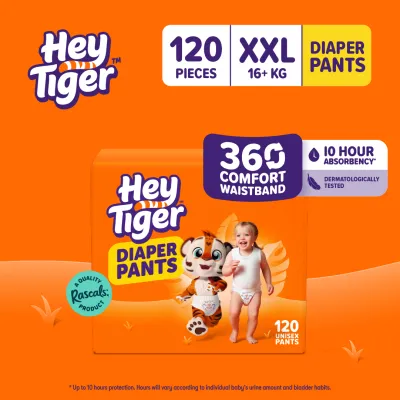
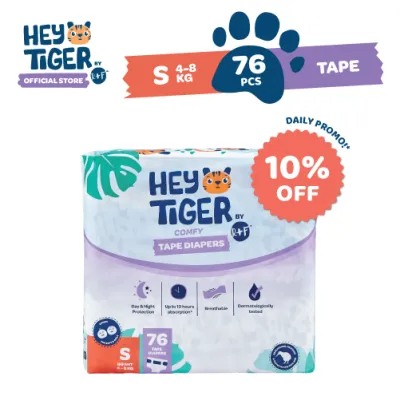
- Choose Hey Tiger if you want to test a newer alternative that focuses on contemporary, minimalist design and everyday comfort.
Before purchasing any brand in bulk, always check the product packaging to verify the recommended weight range, age suitability, and specific material safety certifications. Manufacturers frequently update their designs, sizing charts, and ingredient formulations, making it essential to inspect the current label of the specific pack you are buying.
Products mentioned in this guide
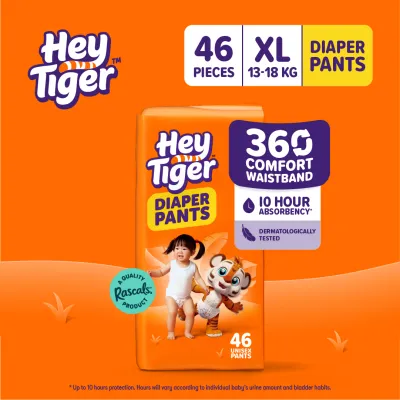
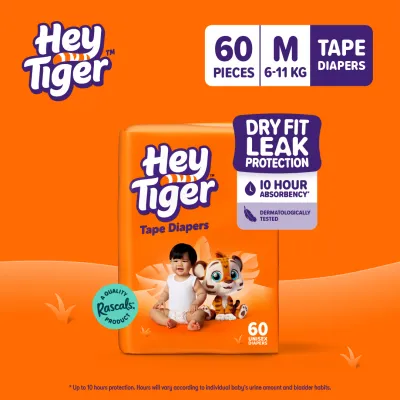
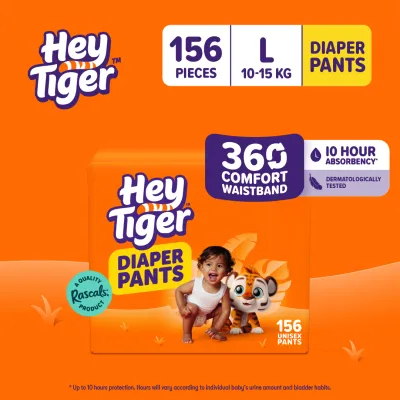
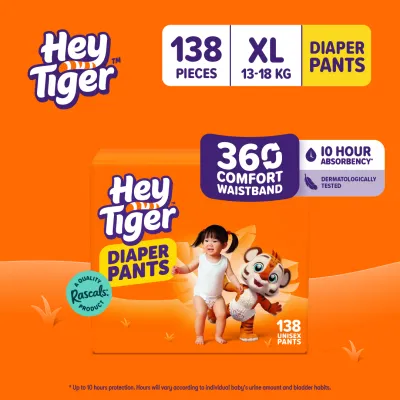
Prices are valid at publication and may change. Please refer to the product page for the latest price.
Core Comparison Factors for Tropical Climates
Caring for a baby in a hot and humid environment like the Philippines introduces specific challenges for diaper performance. High ambient temperatures and humidity can accelerate skin irritation, making material choice and breathability critical factors in your decision.
Absorbency and Lock-away Technology
A diaper’s primary job is to draw moisture away from the skin rapidly and keep it locked within the core. When evaluating different brands, look closely at the packaging for descriptions of their absorbent core technology, such as channels or superabsorbent polymer (SAP) layers. A high-quality core prevents wetness from resurfacing when your baby sits, rolls, or crawls. Many modern diapers feature a wetness indicator—a colored line on the outside that changes hue when wet—which helps you monitor when a change is needed without opening the diaper.
Breathability and Skin Health
In tropical climates, trapped heat and moisture can quickly lead to diaper dermatitis or heat rash. To maintain skin health, prioritize diapers that feature a breathable outer cover or backsheet, which allows vapor to escape while keeping liquid contained. Check the product labels for terms like “dermatologically tested,” “hypoallergenic,” or “free from elemental chlorine.” If your baby has highly sensitive skin, verifying the absence of added fragrances, latex, and parabens on the ingredient list is a vital step in preventing allergic reactions.
Fit and Leak Protection
An effective diaper must seal reliably around the waist and legs without restricting your baby’s movement or circulation. Look for wide, stretchy waistbands that distribute tension evenly across the abdomen. Double-layered leg cuffs, often called leg gushers, provide an extra barrier against liquid runoff. When fitting a diaper, you should be able to slide two fingers comfortably between the waistband and your baby’s tummy. If you notice deep red marks on your baby’s thighs or waist, the diaper is either fastened too tightly or it is time to move up to the next size.
Brand-by-Brand Breakdown: What to Verify Before Buying
To make an informed choice, it helps to understand what to look for on the packaging and what to observe during actual use for each of the four brands.

Hey Tiger Diapers
As a newer option in the market, the hey tiger diaper appeals to parents seeking modern diaper designs. When evaluating this brand, read the label carefully to verify its material composition, core construction, and specific weight guidelines.
What to Verify on the Packaging:
- Check for specific claims regarding chlorine-free processing or the absence of added fragrances and lotions, which are important for sensitive skin.
- Review the size and weight chart, as newer brands may have slightly different sizing boundaries compared to traditional legacy brands.
What to Observe During Use:
- Assess how the diaper behaves when it reaches capacity; check whether the core sags excessively or clumps together, which can restrict an active baby's movement.
- Observe the fastening tabs to ensure they remain securely anchored even when exposed to high humidity and baby oils.
- Monitor your baby's skin during the first few days of use for any signs of redness or localized irritation.
Pampers
Pampers is a long-established brand known for its focus on a lightweight, contoured fit. It offers several distinct product lines, making it necessary to match the specific variant to your baby’s needs.
What to Verify on the Packaging:
- Look for the specific variant name, such as Premium Care or Baby-Dry, as these lines target different priorities. Premium Care typically emphasizes softness and skin protection, while Baby-Dry focuses on long-lasting dryness.
- Check the ingredient list for any added lotions or mild fragrances, especially if your baby has a history of skin sensitivities.
What to Observe During Use:
- Note how well the slim-fit design conforms to your baby's body during high-activity periods like crawling or pulling up to stand.
- Watch the wetness indicator to see how quickly it responds to light wetness, helping you avoid unnecessary changes while preventing prolonged moisture exposure.
- Check if the thin core successfully holds wetness overnight without swelling to an uncomfortable volume.
Huggies
Huggies is widely recognized for its robust construction and heavy-duty leak protection barriers. It is a popular choice for parents dealing with frequent nighttime leaks or blowouts.
What to Verify on the Packaging:
- Identify the specific variant, such as Dry, Ultra Comfort, or Natural, and check for unique features like a pocketed waistband designed to trap runny stool at the back.
- Look for explicit labels regarding hypoallergenic testing or certifications from dermatological organizations.
What to Observe During Use:
- Examine the effectiveness of the pocketed waistband during bowel movements, observing whether it successfully prevents upward leaks.
- Check the elasticity of the waistband and grip tabs; they should allow for a snug, secure fit that does not slip down when the diaper becomes heavy.
- Assess the thickness of the diaper under clothing to ensure it does not restrict natural hip alignment or leg movement.
Equator
Equator serves as a highly practical, utility-focused option. It is designed primarily for parents who prioritize frequent diaper changes to keep their baby clean and dry without high per-unit costs.
What to Verify on the Packaging:
- Check the basic absorbency specifications and recommended weight limits on the outer pack.
- Verify whether the inner lining contains any specific skin-soothing additives or if it relies on a simple, fragrance-free design.
What to Observe During Use:
- Monitor how quickly the diaper feels damp to the touch on the outside, which indicates when it has reached its optimal capacity.
- Inspect the fastening tabs during diaper changes to ensure they can be unpeeled and refastened securely if you need to check for wetness.
- Pay close attention to the softness of the inner sheet against your baby's skin, ensuring it remains comfortable during active daytime play.
Price and Value: Calculating the True Cost Per Diaper
Comparing diaper prices simply by looking at the price tag of a pack can be misleading because pack counts vary wildly between brands and sizes. To find the true cost, you must calculate the price per individual piece.
To calculate this, use the following simple formula:
$$\text{Price Per Diaper} = \frac{\text{Total Pack Price in ₱}}{\text{Number of Diapers in the Pack}}$$
For example, a pack of diapers costing ₱650 containing 50 pieces results in a cost of ₱13.00 per diaper. If another pack costs ₱800 but contains 80 pieces, the cost is ₱10.00 per diaper. Keep in mind that as your baby grows and moves into larger sizes (such as Large or XL), the number of pieces per pack decreases, which naturally increases the price per diaper.
You can optimize your spending by utilizing several purchasing strategies:
- Bulk Buying and Subscriptions: Purchasing mega-packs or setting up recurring delivery subscriptions on major online marketplaces often yields significant per-unit discounts.
- Double-Day Sales: Watch for monthly promotional events on ecommerce platforms to stock up on your preferred brands at lower prices.
- The Hybrid Strategy: Many families find balance by using budget-friendly diapers like Equator during the day, when changes occur every two to three hours, and reserving premium, highly absorbent options like Huggies or Pampers for overnight sleep or long outings.
Final Decision Framework: Matching the Diaper to Your Baby
Because diaper fit is highly dependent on your baby’s unique shape, committing to a large bulk purchase immediately can lead to wasted money if the diaper leaks or causes skin irritation.
Before buying in bulk, use this practical checklist:
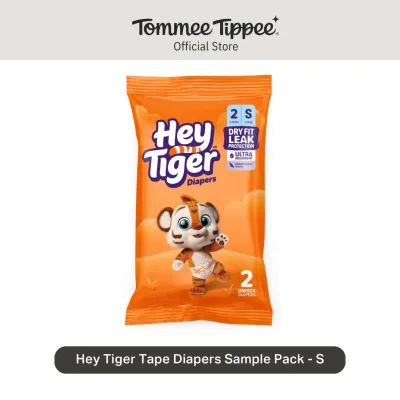
- Buy a Trial Pack First: Purchase the smallest pack available (often 2 to 10 pieces) to test the fit, absorbency, and skin compatibility over a few days.
- Verify the Weight Range: Do not rely solely on age labels (e.g., "6-12 months"). Always match your baby's current weight in kilograms to the range listed on the packaging.
- Check Dates and Adhesives: Inspect the package for manufacturing or expiration dates. In hot, humid climates, very old diaper stock can suffer from degraded adhesive tabs or reduced elastic tension.
- Review Retailer Policies: Confirm if the seller or online store allows exchanges for unopened packs if your baby suddenly outgrows a size.
When to Switch Brands or Sizes
Even if a brand has worked well for months, you may need to make a change if you observe specific warning signs. If you experience frequent leaks or blowouts more than twice a week, it is usually a sign that the diaper is either too small or the shape no longer matches your baby’s developing body. Persistent red marks around the thighs or waist indicate that the elastic is under too much tension, requiring an immediate size upgrade. Finally, if your baby develops an unexplained rash that does not clear up with standard diaper cream and frequent changes, stop using the current brand immediately and consult a pediatrician or qualified healthcare professional to rule out contact allergies.
Frequently Asked Questions (FAQ)
How do I know if a diaper is too small or too large for my baby?
A diaper is likely too small if you cannot easily fit two fingers under the closed waistband, if the diaper rise sits well below the belly button, or if you notice deep, persistent red marks on your baby’s thighs. Conversely, a diaper is too large if there are visible gaps around the legs or waist when the baby moves, or if you experience frequent leaks despite fastening the tabs snugly. Always refer to the manufacturer’s weight guidelines on the packaging as a primary reference, but adjust based on your baby’s specific body proportions.
Are premium diapers worth the extra cost for overnight use?
Premium diapers often feature advanced absorbent cores and specialized distribution layers designed to hold larger volumes of liquid over a 10-to-12-hour period. For overnight use, investing in a premium variant can keep your baby’s skin dry and prevent sleep interruptions caused by wetness. If household budget constraints are a priority, using a premium diaper exclusively for nighttime and switching to a more economical diaper for frequent daytime changes is a highly effective way to manage costs.

Community discussion
Share your experience or ask a question. Comments are reviewed before publication.