
Finding the right medium diaper for your baby depends on their unique body shape, skin sensitivity, and your daily routine. While Hey Tiger, Pampers, Huggies, and Equator all offer medium-sized options, there is no single “best” brand for every child. The ideal choice relies on how each diaper performs in absorbency, fit, and comfort for your specific needs. This guide breaks down the key dimensions you should evaluate to make an informed decision for your baby.
In the tropical climate of the Philippines, choosing the right diaper involves more than just picking a size off the shelf. High humidity and heat can quickly turn a minor fit issue into a painful heat rash or a messy leak. As babies grow into the medium size range, they typically become much more active, transitioning from rolling over to sitting up and crawling. This increased movement means their diaper must flex and stretch with them while maintaining a secure seal against leaks.
Navigating the crowded diaper aisle can feel overwhelming with so many competing claims about dryness and comfort. By focusing on objective evaluation criteria—such as weight ranges, waistband elasticity, material breathability, and cost-per-piece—you can cut through the marketing and find a diaper that keeps your baby dry and comfortable. Let us explore how to systematically compare these four popular brands to find the perfect match for your little one.
Products mentioned in this guide
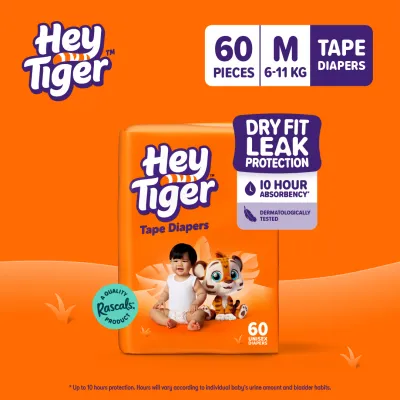
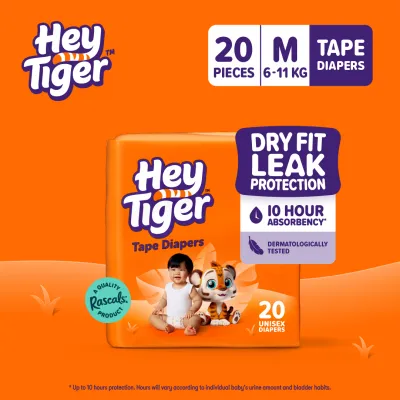
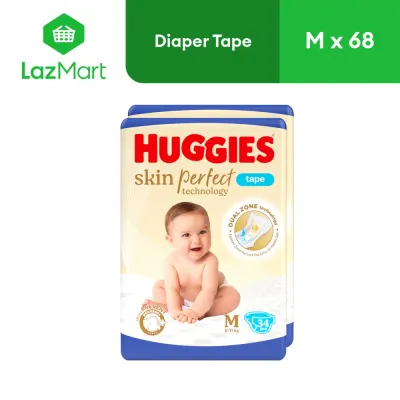
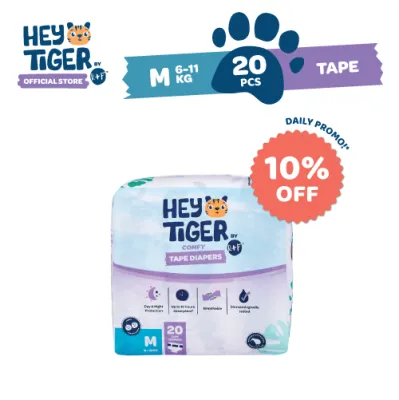
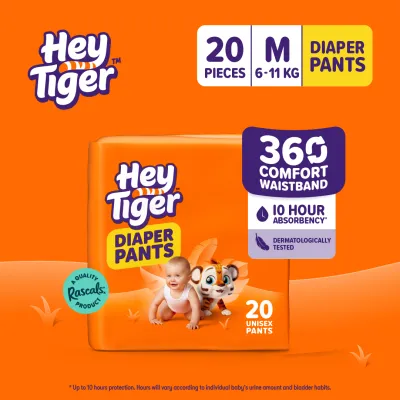
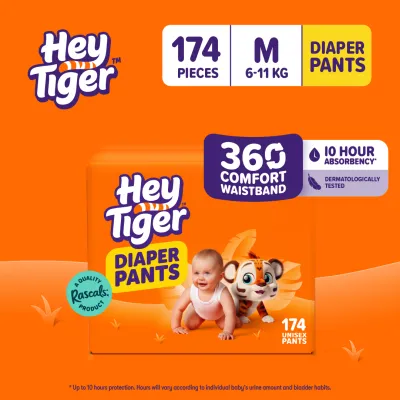
Prices are valid at publication and may change. Please refer to the product page for the latest price.
How to Evaluate Medium Diaper Fit and Sizing
Check the manufacturer’s stated weight range on the packaging for each brand to ensure baseline compatibility. While “medium” is a standard industry term, the actual weight limits can vary significantly between manufacturers. For instance, one brand might design its medium diaper for babies weighing 6 to 11 kilograms, while another might target a range of 7 to 12 kilograms. Always verify your baby’s current weight against the specific package guidelines before purchasing a large quantity.
Observe the elasticity of the waistband and leg cuffs to prevent red marks or gaps that lead to leaks. A high-quality medium diaper should feature a stretchy, flexible waistband that conforms to your baby’s tummy as they breathe and move. When fastening the diaper, you should be able to slide two fingers comfortably between the waistband and your baby’s skin. If you notice deep red indentations on their waist or thighs after wear, the diaper is likely too tight or the elastic is too stiff.
Inspect the leak-guard barriers and ensure they sit flat against the baby’s skin without folding inward. These inner leg cuffs are your primary defense against blowouts, especially when your baby is sitting or crawling. After securing the tape fasteners, always run your finger along the inside of the leg openings to flare the outer ruffles outward. If these barriers fold inward, they lose their effectiveness and can cause moisture to bypass the absorbent core entirely.
Note that “medium” dimensions can differ slightly between brands, requiring a physical fit check rather than relying solely on the size label. Some brands are cut narrower through the crotch, which can be ideal for long, lean babies but may cause leaks on babies with rounder thighs. Conversely, a wider cut might bunch up on a slender baby, creating gaps at the legs. Testing a small trial pack of Hey Tiger, Pampers, Huggies, or Equator will help you observe how the physical cut matches your baby’s unique proportions.
Comparing Absorbency and Leak Protection
Examine the core structure and distribution channels for even fluid dispersion and to prevent sagging. Modern disposable diapers utilize superabsorbent polymers mixed with wood pulp to lock away moisture. However, the way this material is distributed inside the diaper matters. Look for designs that feature channels or pathways; these help distribute liquid evenly from front to back, preventing the diaper from clumping or sagging heavily between your baby’s legs when wet.

Evaluate surface dryness by checking for pooling or dampness after typical wear times. A diaper’s primary job is to keep wetness away from your baby’s delicate skin. You can perform a simple check during diaper changes by gently pressing a dry tissue against the inner lining of a moderately wet diaper. If the tissue remains dry, the topsheet is successfully drawing moisture away; if the tissue dampens, the core may be saturated or slow to absorb, which increases the risk of skin irritation.
Differentiate between daytime breathability needs and overnight high-capacity requirements. During the day, your baby is active, and you will likely change their diaper every three to four hours. A lighter, more flexible diaper that prioritizes mobility and airflow is often ideal for these hours. For overnight sleep, however, you need a high-capacity diaper that can absorb multiple wettings over ten to twelve hours without leaking, allowing both you and your baby to enjoy uninterrupted rest.
Look for wetness indicators on the packaging or the diaper itself to help time changes accurately. Many modern diapers feature a convenient line down the center that changes color when exposed to moisture. This visual cue is incredibly helpful for caregivers, allowing you to monitor the diaper’s status at a glance without having to unfasten the tabs or disturb a sleeping baby.
Assessing Comfort and Skin Sensitivity
Compare the softness and texture of the inner topsheet against the baby’s skin to minimize chafing. The inner lining is in direct, constant contact with your baby’s skin, making material texture a critical factor. In the warm, humid climate of the Philippines, friction from a rough or plastic-like topsheet can quickly lead to painful chafing. Look for diapers that describe their inner sheets as cottony-soft or feature textured patterns designed to minimize direct skin contact.
Verify the presence of a breathable backsheet to allow air circulation and reduce heat buildup. The outer cover of the diaper should not feel like solid plastic; instead, it should utilize micro-porous materials that allow heat and moisture vapor to escape while keeping liquid safely contained. Good airflow is essential for keeping the diaper area cool, which significantly reduces the likelihood of diaper rash and heat rash in tropical weather.
Check product labels for fragrance-free, hypoallergenic, or dermatologically tested claims. Added perfumes and lotions can sometimes trigger allergic reactions or irritate sensitive skin, especially if your baby is already prone to eczema. If your baby has highly reactive skin, prioritizing diapers that are free from chlorine processing, fragrances, and parabens is a prudent step.
Monitor the baby’s skin for any signs of irritation after switching to a new brand or material. Even if a diaper claims to be hypoallergenic, every baby’s skin chemistry is unique. If you notice persistent redness, small red bumps, or dry patches in the diaper area, it may indicate a sensitivity to that specific brand’s materials. If skin irritation persists or worsens despite frequent changes and barrier creams, stop using the diaper and consult a pediatrician or qualified healthcare professional.
Price and Value Considerations
Calculate the cost per piece (₱) by dividing the total pack price by the exact diaper count. It is easy to be misled by the overall price of a package, but different brands package their medium diapers in widely varying quantities. To find the true cost, always divide the retail price by the number of diapers inside. Keeping a small log of this cost-per-piece metric allows you to make objective financial comparisons between Hey Tiger, Pampers, Huggies, and Equator.
Compare standard packs versus bulk or box formats available in local supermarkets and online stores. Buying in bulk or purchasing mega packs online often yields a lower cost per diaper than buying small convenience packs. However, avoid buying bulk boxes of a new brand or size until you have thoroughly tested a small pack and confirmed that the fit and absorbency work well for your baby.
Factor in the frequency of changes needed, as a cheaper diaper might require more frequent changes if its absorbency capacity is lower. A budget-friendly diaper that costs less per piece might seem economical, but if it leaks frequently or saturates quickly, you may find yourself changing your baby twice as often. In such cases, a slightly more expensive, highly absorbent diaper can actually save you money and reduce your laundry load.
Consider the availability of the brand in your area to avoid stockouts and forced purchases of more expensive alternatives. If a specific brand is only available at a single specialty store or occasionally on online marketplaces, you may run out unexpectedly. Choosing a brand that is consistently stocked in your local supermarket or neighborhood grocery store ensures you can always replenish your supply without hassle.
Decision Framework: Which Brand Should You Choose?
Choose Hey Tiger if you prioritize specific local design features, material preferences, or support for regional brands. This brand is often selected by parents who appreciate modern, minimalist designs and want to explore alternative options outside the traditional market leaders. It is a great choice if you prefer a diaper that focuses on a soft feel and unique aesthetic appeal.
Choose Pampers if you need a widely available option with a strong focus on surface dryness and quick absorption. This brand is highly accessible across the Philippines, making it easy to purchase whether you are in a major city or a provincial area. It is particularly suitable for parents who value a proven track record of moisture distribution and want a reliable diaper that is easy to find during travels.
Choose Huggies if your baby has a chunkier build and requires a more contoured, stretchy fit around the legs and waist. The elastic waistband and snug-fit features of this brand are excellent for active babies who need a diaper that moves with them. If your baby frequently experiences leaks around the thighs or back due to a rounder tummy, the contoured design of this brand may provide the secure seal you need.
Choose Equator if you are looking for a budget-friendly option for frequent daytime changes where maximum overnight capacity is not required. This brand offers a practical, cost-effective solution for managing daily household expenses. It is ideal for daytime hours when you are changing your baby frequently anyway, allowing you to save your premium diapers for nighttime use.
Verify first if your baby has known skin allergies, requires specialized medical-grade barriers, or if the chosen brand’s medium size runs unusually small or large for your child’s current weight. No single diaper brand is universally perfect for every infant. Always prioritize your baby’s comfort, monitor their skin health closely, and consult a pediatrician or qualified healthcare professional if you encounter severe diaper rash or persistent skin issues.
Frequently Asked Questions (FAQ)
How do I know if it is time to size up from medium diapers?
Look for persistent red marks on the thighs or waist after removing the diaper. These marks indicate that the elastic is stretching to its limit and putting too much pressure on your baby’s skin. You should also monitor for frequent leaks or blowouts despite correct fastening and appropriate changing intervals. Finally, check if the baby’s weight has consistently exceeded the upper limit printed on the medium packaging. If your baby is near or past the top of the weight range, transitioning to a large size will provide better coverage and protection.
Can I mix different diaper brands for day and night use?
Yes, mixing brands is safe as long as both fit the baby properly and do not cause skin irritation. Many parents successfully use multiple brands to balance performance and budget. We suggest using a lighter, budget-friendly option for frequent daytime changes to manage costs, as babies are changed more often during waking hours. Conversely, we recommend reserving premium, high-capacity diapers for uninterrupted overnight sleep to prevent leaks and ensure rest, supporting better sleep quality for both baby and parents.

Community discussion
Share your experience or ask a question. Comments are reviewed before publication.