
Quick Answer: Is Heger Baby Lotion the Right Choice?
Choosing the ideal skincare product for your infant requires balancing environmental factors, budget, and individual skin needs. If you are considering hegerbaby lotion, it serves as a practical option for daily, lightweight moisture maintenance, provided its specific ingredient list aligns with your child’s skin profile. However, there is no single “best” lotion for every infant, as baby skin reacts uniquely to different formulations and environmental conditions.
For routine hydration in a warm climate, a lightweight, fast-absorbing lotion is often highly effective. If your baby has normal to mildly dry skin and no known contact allergies, this product can support daily skin barrier health. Conversely, if your child has been diagnosed with a clinical skin condition such as moderate-to-severe atopic dermatitis, eczema, or extreme barrier depletion, you should look toward specialized, pediatrician-recommended therapeutic creams. Always prioritize clinical formulations with targeted active ingredients over standard cosmetic lotions when managing compromised skin.
Essential Criteria for Choosing a Baby Lotion in a Tropical Climate
The tropical climate of the Philippines introduces distinct environmental variables that directly impact infant skin health. High year-round temperatures and elevated humidity levels cause infants to perspire frequently, which can easily lead to sweat retention, clogged pores, and heat rash, locally known as bungang-araw. At the same time, an infant’s skin barrier is significantly thinner and more fragile than an adult’s, making it highly susceptible to rapid moisture loss when exposed to indoor air conditioning or frequent daily baths. Consequently, a baby lotion designed for tropical use must deliver effective hydration without forming a heavy, suffocating barrier that traps heat and sweat.
Products mentioned in this guide
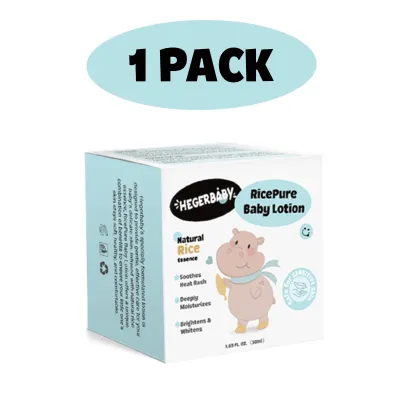
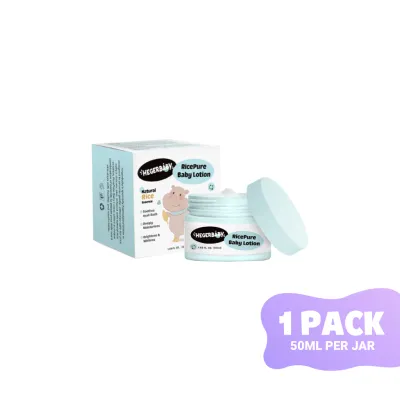
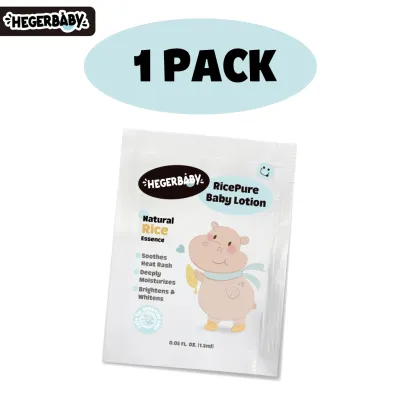
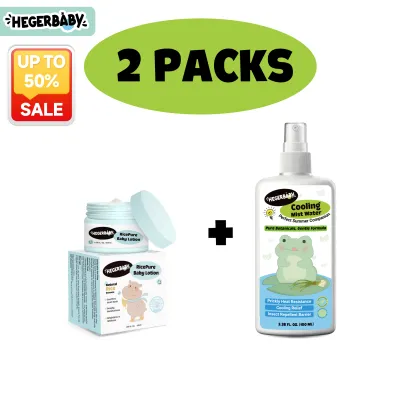
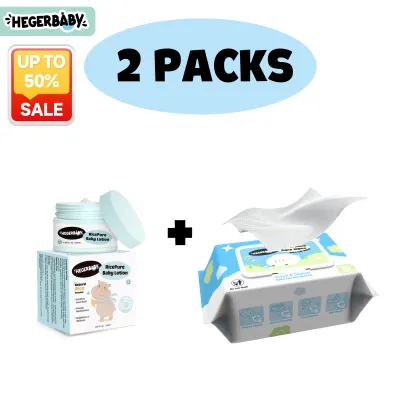
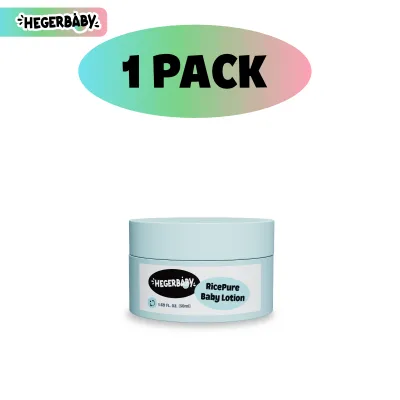
Prices are valid at publication and may change. Please refer to the product page for the latest price.

When evaluating any baby lotion brand in this environment, you should focus on several core comparison dimensions, starting with ingredient transparency. A high-quality formulation should clearly list its ingredients, allowing you to identify beneficial hydrating agents such as glycerin, light plant-based lipids, or skin-identical ceramides. It is equally important to identify and avoid potential irritants, including harsh synthetic preservatives, parabens, phthalates, and intense artificial fragrances, which are common triggers for contact dermatitis and respiratory sensitivities in young children.
Texture and absorption speed represent another critical factor for tropical skincare. Heavy, occlusive ointments and thick creams can feel uncomfortable in humid weather and may exacerbate sweat-related skin issues. In contrast, lightweight, fluid lotions that absorb rapidly allow the skin to breathe while still locking in essential moisture. These fast-absorbing formulations are generally preferred for full-body application after a bath, while heavier creams are best reserved for localized, exceptionally dry patches.
Finally, understanding how to interpret dermatological and hypoallergenic claims is essential for making a safe choice. A label marked “hypoallergenic” indicates that the manufacturer has formulated the product with ingredients less likely to trigger allergic reactions, but it does not serve as an absolute guarantee of safety. Because every baby’s skin chemistry is unique, mild adverse reactions can still occur even with highly rated products. Parents should treat these marketing labels as helpful indicators rather than definitive proof of compatibility, always verifying the ingredient list against their baby’s known sensitivities.
Evaluating Hegerbaby Lotion: Label Reading and Key Features
To make an objective assessment of hegerbaby lotion, you must look beyond promotional claims and carefully examine the physical packaging and manufacturer documentation. Understanding how to read the product label empowers you to make an informed decision based on your baby’s specific developmental stage and skin requirements.
Begin by scrutinizing the ingredient list on the back of the bottle, keeping in mind that ingredients are listed in descending order of concentration. Identify the primary moisturizing agents, which typically include water and humectants like glycerin near the top of the list. Take note of any added botanical extracts, oils, or preservatives, and cross-reference them with any ingredients your pediatrician has advised you to avoid. If your baby has highly reactive skin, verifying the absence of synthetic dyes and strong perfumes is a crucial step in preventing localized flare-ups.
Next, look for the manufacturer’s explicit age and usage recommendations on the packaging. Skincare requirements change as an infant grows; newborns have exceptionally delicate skin that may require minimal topical intervention, whereas older babies may benefit from more robust barrier support. Ensure the packaging explicitly states whether the product is suitable for newborns or if it is intended for infants of a specific age. Additionally, check whether the lotion is cleared for full-body use or if it is restricted to specific areas, such as the body only.
Dermatological testing statements and safety certifications should also be verified directly on the physical product or through official brand channels. Do not assume a product has undergone specific clinical trials or holds organic certifications unless the certifying body is clearly named and recognizable on the label. Because product formulations and certifications can be updated over time, checking the physical bottle in your hand is the most reliable way to confirm the current safety standards of the batch you purchased.
Lastly, pay close attention to the storage instructions printed on the container, which are particularly important in a tropical environment. High heat and humidity can compromise the stability of a lotion, causing the emulsion to separate, the active ingredients to degrade, or preservative systems to weaken. The label will typically specify a recommended temperature range or advise storing the product in a cool, dry place away from direct sunlight. Adhering to these storage guidelines ensures the lotion remains stable, effective, and safe for your baby’s skin throughout its usage life.
Heger vs. Other Popular Brands: A Decision Framework
Navigating the wide array of baby lotions available in Philippine supermarkets, pharmacies, and online marketplaces requires a structured comparison. To help you evaluate hegerbaby lotion against other common market alternatives, you can utilize a clear decision framework based on texture, ingredient profile, target skin type, and overall cost-effectiveness.
The following comparison matrix outlines the primary categories of baby lotions you will encounter, helping you map your options based on your baby’s specific skin needs and your household budget:
| Lotion Category / Profile | Texture & Consistency | Key Ingredients to Verify | Best For Skin Type | Price Bracket (PHP per mL) |
|---|---|---|---|---|
| Lightweight Daily Lotions (e.g., Heger Baby Lotion) | Fluid, lightweight, absorbs rapidly without sticky residue | Glycerin, water-based base, mild emollients | Normal to mildly dry skin; ideal for humid tropical days | Moderate (₱0.50 to ₱1.20 per mL) |
| Standard Mass-Market Brands | Medium consistency, easy to spread, mild scent | Mineral oil, petrolatum, light fragrances | Normal, non-sensitive skin with no history of eczema | Budget-friendly (₱0.30 to ₱0.60 per mL) |
| Clinical & Therapeutic Creams | Thick, rich emulsion or dense cream barrier | Ceramides, colloidal oatmeal, shea butter, fragrance-free | Sensitive, highly reactive, or eczema-prone skin | Premium (₱1.50 to ₱4.00+ per mL) |
When to Choose Heger Baby Lotion
Selecting Heger Baby Lotion is a logical decision if your examination of the physical label confirms that the ingredients match your baby’s skin profile and contain no known triggers. This lotion is particularly well-suited for routine, post-bath hydration for infants with normal to mildly dry skin who do not require specialized medical dermatological care. Its lightweight, fluid texture is a significant advantage in the warm, humid climate of the Philippines, as it provides essential moisture without leaving a greasy film that could trap sweat and irritate the skin.
Additionally, this option is highly practical if you are looking for a reliable, everyday moisturizer that fits comfortably within a moderate household budget. It serves as an excellent choice for families seeking a balance between ingredient transparency and daily cost-effectiveness. If your baby enjoys regular baths to stay cool in the tropical heat, applying a light layer of this lotion can help maintain a healthy skin barrier without the risk of over-moisturization or follicular blockage.
When to Consider Alternative Brands
You should look toward alternative brands or specialized product categories if your baby has been diagnosed with a clinical skin condition, such as atopic dermatitis, severe eczema, or extreme barrier damage. These conditions require intensive barrier repair that standard daily lotions cannot provide. In such cases, you should prioritize clinical-grade formulations that feature targeted active ingredients, such as synthetic ceramides to rebuild the lipid barrier or colloidal oatmeal to soothe intense itching and inflammation.
Furthermore, if your baby shows any signs of localized redness, itching, swelling, or discomfort during an initial patch test, you must immediately discontinue use of the product. Under these circumstances, you should consult a pediatrician or a pediatric dermatologist to obtain a professional recommendation tailored to your child’s specific skin condition. A professional medical diagnosis and treatment plan should always take precedence over general consumer product comparisons, especially when dealing with highly sensitive or compromised infant skin.
How to Test Suitability and Maximize Value
Introducing any new skincare product to your infant’s routine requires a cautious, methodical approach to ensure safety and prevent widespread skin irritation. By following a standard patch test protocol and learning how to calculate the true financial value of a product, you can protect both your baby’s skin and your household budget.
Before applying hegerbaby lotion or any other new brand to your baby’s body, you should perform a localized patch test. Apply a pea-sized amount of the lotion to a small, clean area of healthy skin where the baby is unlikely to rub it off, such as the inner forearm or the space behind the ear. Leave the product on the skin for twenty-four hours, keeping the area clean and dry while avoiding the application of other soaps or creams. Monitor the test site closely for any signs of an adverse reaction, including localized redness, swelling, tiny bumps, warmth, or signs of itching. If any of these symptoms appear, wash the area immediately with cool water, discontinue use of the product, and consult a healthcare professional if the irritation persists.
To evaluate the true cost-effectiveness of different baby lotions, you should look beyond the upfront retail price displayed on the shelf. Instead, calculate the price per milliliter by dividing the total price in Philippine Pesos (₱) by the volume of the bottle in milliliters (mL). This calculation allows you to compare different bottle sizes and brands accurately, as larger pump bottles often offer a significantly lower price per milliliter than smaller travel tubes. By tracking this metric, you can make an informed financial decision that ensures you are paying for the actual product volume rather than expensive, single-use packaging.
To maximize the benefits of your chosen baby lotion, you must also practice proper application techniques and storage habits. The optimal time to apply lotion is within three minutes of taking a bath, while your baby’s skin is still slightly damp. Gently pat the skin with a soft towel, leaving a tiny amount of surface moisture, and immediately smooth on a thin, even layer of lotion to lock in that hydration. Additionally, always store the lotion bottle in a cool, dark cupboard away from direct sunlight and heat sources, which is especially important in tropical households to prevent the formulation from breaking down or losing its moisturizing efficacy.
Frequently Asked Questions (FAQ)
Can I use baby lotion on a newborn's face?
A newborn’s facial skin is exceptionally thin, delicate, and highly sensitive as it transitions to the environment outside the womb. It is common for newborns to experience temporary skin adjustments, such as mild peeling, infant acne, or temporary redness, which often resolve naturally without heavy topical products. Before applying any lotion to your newborn’s face, you must check the physical product packaging to confirm if the manufacturer has explicitly cleared the formulation for facial use. If the label does not specify that it is safe for the face, or if you are unsure, it is highly recommended to consult your pediatrician before application. When cleared for use, apply only a tiny, pea-sized amount, taking extreme care to avoid the delicate areas around the eyes, nostrils, and mouth to prevent accidental ingestion or contact irritation.
How often should I apply lotion to my baby in a humid climate?
In the warm, humid climate of the Philippines, the frequency of baby lotion application should be tailored to your child’s specific skin type and daily environment. For an infant with normal skin, a single, lightweight application once daily—ideally right after their daily bath—is usually sufficient to maintain a healthy skin barrier. If your baby spends a significant portion of the day in air-conditioned rooms, which can strip moisture from the air and dry out the skin, you may find it helpful to apply a light layer twice daily. However, you should avoid applying heavy, thick layers of lotion during hot, humid afternoons or when your baby is sweating, as excess product can trap sweat against the skin, clog pores, and lead to heat rash or prickly heat. Always monitor your baby’s skin visually and adjust the frequency based on observable dryness or comfort.

Community discussion
Share your experience or ask a question. Comments are reviewed before publication.