
When searching for the ideal diaper pants for your baby, you will quickly find that there is no single, universally superior brand. The best diaper pants for your little one depend entirely on their unique body shape, skin sensitivity, and daily activity levels. Because every baby is built differently, a diaper that fits one infant perfectly might cause leaks or red marks on another. Without direct clinical trials comparing Happy Baby, Pampers, and Huggies, parents must rely on matching each brand’s specific design philosophies and observable features to their baby’s daily routine.
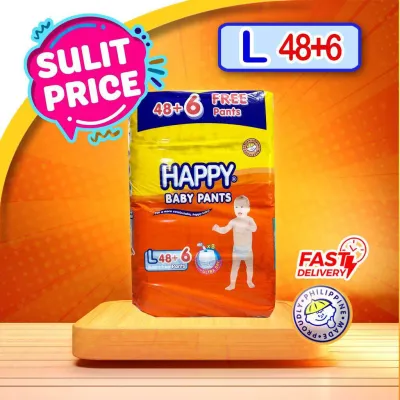
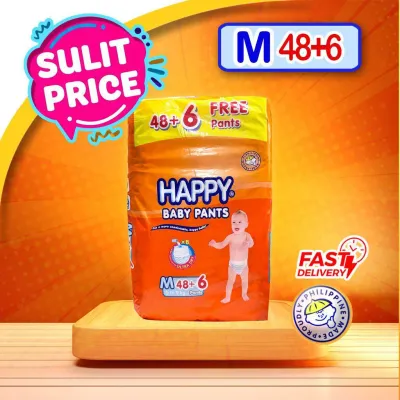
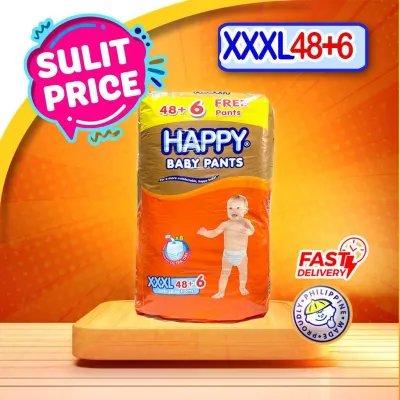
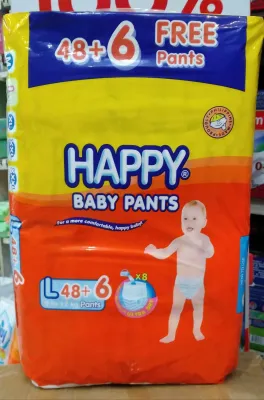
In the local market, these three brands occupy distinct spaces based on their packaging claims and design focuses. Happy Baby is widely recognized as an accessible, budget-conscious option designed for frequent daytime changes. Pampers is known for its slim, lightweight profile and integrated wetness indicators, making it a popular choice for parents who prefer a less bulky fit. Huggies focuses heavily on robust waistbands and secure leg gathers designed to handle active movement. Before committing to a large bulk box of any brand, starting with small trial packs is the safest and most practical way to evaluate how a diaper performs on your baby.
Evaluating Absorbency and Leak Protection
Absorbency is the cornerstone of any reliable diaper pant, especially in a warm and humid tropical climate where trapped moisture can quickly lead to discomfort. When evaluating Happy Baby, Pampers, and Huggies, parents should start by carefully reading the packaging labels for specific absorbency claims. Look for terms indicating multi-channel distribution, absorbent gel cores, or dry-feel layers. These features are designed to draw liquid away from the skin quickly and distribute it evenly across the core, preventing the diaper from sagging heavily in one spot.
Products mentioned in this guide
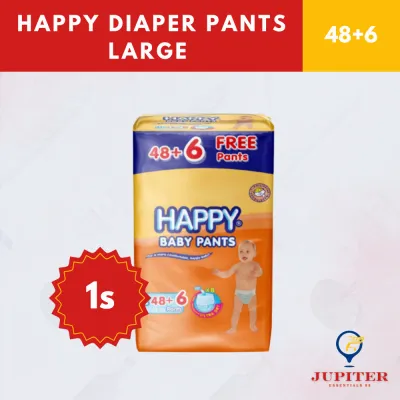
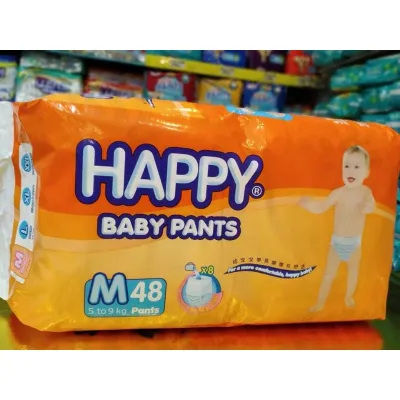
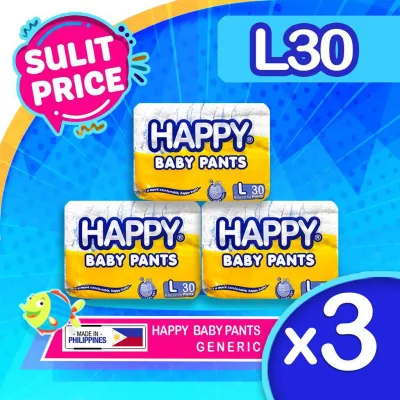
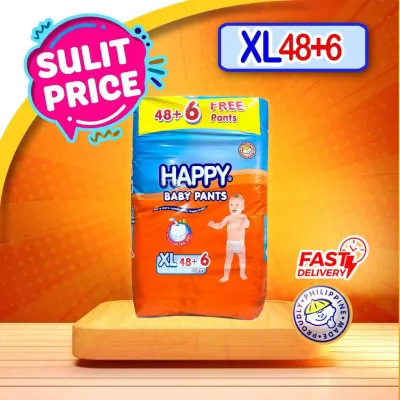
Prices are valid at publication and may change. Please refer to the product page for the latest price.
To assess leak protection in real-world conditions, you must perform a few simple, observable checks on the diaper itself. First, examine the leg cuffs. High-quality diaper pants typically feature double-layered elastic barriers that sit snugly in the groin creases. Gently run your finger along the inner cuff after putting the diaper on your baby to ensure the elastic is flared outward rather than tucked inward. Second, check the waistband stretch. A secure waistband should expand and contract smoothly as your baby breathes and moves, preventing liquid from escaping through the back during naps. Finally, observe the diaper core after use; a well-designed core will hold its shape and keep the surface relatively dry to the touch, even when full.
The choice of diaper pants also depends heavily on whether they are intended for daytime or nighttime use. During the day, babies are active, crawling, or walking, which requires a flexible diaper that moves with them without shifting out of place. For nighttime, the primary requirement is high capacity to ensure uninterrupted sleep. If you notice consistent leaks during the night, it may not mean the brand is failing; instead, it is often a sign that you need to size up. Sizing up provides a larger absorbent core and higher containment walls, which can handle a larger volume of liquid overnight without requiring a switch to a completely different brand.
Comparing Fit, Comfort, and Skin Sensitivity
A diaper’s fit and comfort directly impact your baby’s daily happiness and skin health. Because babies come in all shapes and sizes—some with round tummies, others with chubby thighs or long, lean builds—the cut of the diaper pant is crucial. When comparing these brands, observe the waistband width and the overall cut of the chassis. A wider, higher waistband can offer a more secure fit for babies with prominent bellies, while a slimmer, narrower cut may suit babies with leaner frames. If the diaper is too loose around the legs, leaks will occur; if it is too tight, it will leave deep red marks.

Comfort in a tropical environment like the Philippines requires materials that promote airflow. High humidity means that heat and sweat can easily build up inside a diaper, leading to irritation. When opening a new pack, feel the inner lining with your hand to assess its softness. Look for packaging claims that highlight breathable outer covers or micro-pores that allow hot air to escape while keeping wetness locked inside. A diaper that feels stiff or plastic-like to the touch may trap heat more easily, making it less suitable for long hours of wear during hot afternoons.
Skin sensitivity is another critical factor that requires careful label verification. Parents should inspect diaper packaging for terms such as “hypoallergenic,” “fragrance-free,” or “free from elemental chlorine.” These indicators suggest that the materials have been processed to minimize common skin irritants. However, because every baby’s skin chemistry is unique, even a highly rated diaper can occasionally cause a reaction. If you observe persistent redness, raised bumps, or a severe diaper rash that does not improve with regular barrier creams, stop using the brand immediately. In such cases, it is essential to consult a qualified pediatrician to identify the underlying cause and receive appropriate medical guidance.
Decision Framework: Matching the Brand to Your Baby
To simplify your selection process, it helps to view Happy Baby, Pampers, and Huggies through a conditional decision framework. Rather than searching for a universal winner, you can match each brand’s observable design characteristics to your specific parenting priorities, budget, and baby’s physical profile.
Choose Happy Baby if:
- Your priority is finding a highly budget-friendly diaper pant for frequent daytime changes.
- You prefer a brand that is widely available in local supermarkets and neighborhood stores for easy restocking.
- Your baby does not have extreme skin sensitivities, and you are comfortable verifying the current packaging specifications and fit with a small trial pack first.
Choose Pampers if:
- Your baby has a slimmer, longer body shape and benefits from a lightweight, less bulky diaper design.
- You highly value a clear wetness indicator strip that changes color to let you know exactly when a change is needed without opening the diaper.
- You prefer a soft, flexible waistband that conforms gently to a leaner torso without adding unnecessary bulk under lightweight tropical clothing.
Choose Huggies if:
- Your baby is highly active, crawling, or walking, and requires a wide, highly stretchable waistband that stays securely in place during vigorous movement.
- Your baby has chubby thighs or a rounder tummy that requires deep, elasticized leg gathers to prevent red marks and leaks.
- You prefer robust, structured leak guards along the edges of the diaper core to contain sudden, heavy wetness.
Neither may fit if:
- You observe consistent leaking across all three brands, which often indicates that your baby is between sizes or requires a different style of diaper altogether, such as a tape-style diaper that allows for custom waist adjustments.
- Your baby develops deep, painful red marks around the waist or thighs that do not disappear shortly after diaper removal, suggesting the elastic tension is too high for their current body shape.
- Your baby experiences recurring allergic reactions or severe diaper dermatitis, which requires you to stop use immediately and seek professional pediatric advice to find a specialized, medical-grade alternative.
Smart Buying: Where to Shop and What to Verify
Smart shopping for baby products in the Philippines involves balancing cost-efficiency with safety and product authenticity. To ensure you are getting genuine diaper pants that have been stored in clean, temperature-controlled environments, always purchase from official brand stores, authorized supermarkets, or reputable flagship stores on major e-commerce platforms. Buying from unauthorized third-party sellers or informal online marketplaces increases the risk of acquiring counterfeit, expired, or improperly stored diapers that may have lost their absorbency or structural integrity.
Before purchasing large quantities or bulk boxes, make it a habit to perform a few quick pre-purchase checks. Inspect the outer packaging to ensure the plastic seal is completely intact and free from punctures. Locate the manufacturing date and batch codes, which are typically printed on the bottom or side of the pack. Diapers do not have a strict expiration date like food, but their elastic components and absorbent materials can degrade over several years, especially when exposed to high tropical humidity.
To find the true value of a diaper pack, do not rely solely on the retail price tag. Instead, calculate the cost per piece by dividing the total price in Philippine Pesos (₱) by the number of diapers inside the pack. For example, a bulk box might have a higher upfront cost but offer a significantly lower ₱ cost per piece compared to a small convenience pack. However, this calculation only makes sense once you are certain the brand fits your baby. Buying small trial packs first is a crucial step that prevents you from getting stuck with a large, expensive box of diapers that your baby has already outgrown or that causes skin irritation.
Frequently Asked Questions (FAQ)
Can I mix different diaper pant brands for day and night use?
Yes, mixing different diaper pant brands is a highly practical strategy used by many parents to balance their budget and their baby’s comfort. For instance, you might choose a lighter, more economical brand like Happy Baby for active daytime hours when you change diapers frequently anyway. Then, you can switch to a higher-capacity option from Pampers or Huggies for overnight sleep to ensure your baby stays dry and comfortable for longer stretches. When introducing a second brand into your daily routine, monitor your baby’s skin closely for a few days to ensure they do not experience any adverse reactions or friction rubs from the alternating diaper shapes.
How do I know if I need to size up in Happy Baby, Pampers, or Huggies?
Knowing when to transition to the next diaper size is essential for preventing leaks and ensuring your baby’s comfort. You should look for clear physical signs rather than relying solely on the weight guidelines printed on the packaging, as these ranges often overlap. If you notice deep red marks or indentations around your baby’s thighs or waist, the elastic is too tight. Frequent leaks at the leg cuffs, a waistband that sits too far below the belly button, or a diaper that struggles to stretch fully over your baby’s bottom are all strong indicators that it is time to size up. A larger size will provide a more comfortable fit and a larger absorbent core to handle your growing baby’s needs.
Community discussion
Share your experience or ask a question. Comments are reviewed before publication.