
Finding the right 4XL diaper for a larger toddler requires looking beyond the size label, as “4XL” is not a standardized measurement across brands. When comparing Hanmac, Pampers, Huggies, and Equator, there is no single universal winner; the best choice depends on your child’s specific weight distribution, activity level, and skin sensitivity. This guide helps you evaluate the actual specifications, structural features, and cost-effectiveness of each brand so you can make an informed, condition-based decision for your toddler’s comfort and leak protection.
Understanding 4XL Sizing and Weight Limits Across Brands
When your child transitions into larger sizes, relying solely on the “4XL” label can lead to fit issues. Diaper manufacturers design their sizing charts based on different proprietary databases of child growth standards. A 4XL diaper from one brand might target toddlers starting at 18 kilograms, while another brand might design its 4XL cut for children weighing 22 kilograms or more. To avoid leaks and discomfort, you must check the specific weight range printed on each package before making a purchase.
Physical dimensions vary significantly between Hanmac, Pampers, Huggies, and Equator. The maximum stretch limit of the waistband and the width of the leg cuffs are critical indicators of how the diaper will perform during active play. Some brands prioritize a highly elastic, gathered waistband that hugs the lower back, while others focus on wider, flatter side panels that distribute tension across the hips.
Products mentioned in this guide
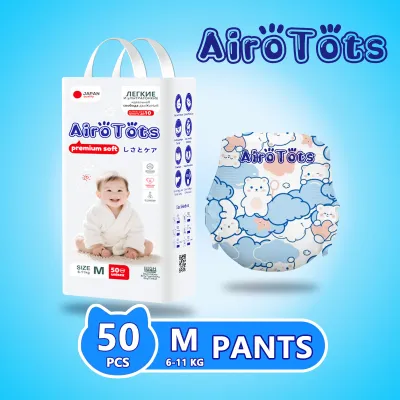
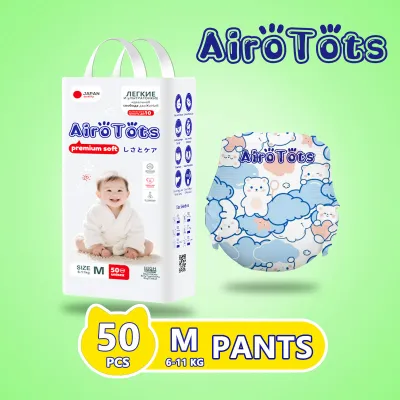
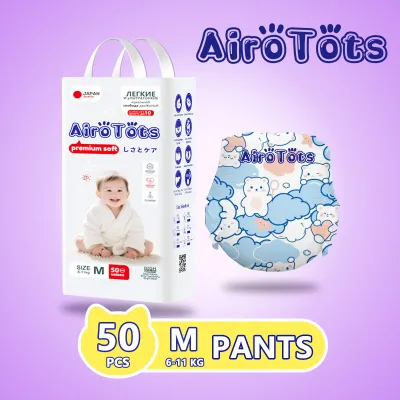
Prices are valid at publication and may change. Please refer to the product page for the latest price.
Larger toddlers often exhibit distinct weight distributions that standard diaper cuts do not always accommodate. For instance, a toddler with thicker thighs but a relatively narrow waist requires a diaper with highly flexible leg openings that do not pinch, even if the waist fits perfectly. Conversely, a child with a rounder belly and slimmer legs needs a secure, non-slip waistband that prevents the diaper from sliding down when wet, without requiring you to overtighten the fastening tabs.
To find the ideal fit, take a few moments to measure your child’s waist and upper thighs using a soft measuring tape. Compare these measurements against the detailed size guides often found on the manufacturer’s official website or product packaging. Doing this before buying bulk packs prevents the common frustration of holding a large inventory of diapers that either leave deep red marks or sag excessively.
Evaluating Absorbency and Leak Protection Features
Absorbency is the core function of any diaper, but for larger toddlers who produce greater volumes of liquid, the structural design of the leak-prevention features is just as important as the raw capacity. Start by inspecting the standing leg cuffs, also known as leak guards, on the diapers you are considering. These inner barriers should stand upright when the diaper is opened and possess enough elasticity to form a gentle seal against your toddler’s skin. Look for double-layered or reinforced leg cuffs, which provide an extra line of defense against sudden, high-volume wetness.

Next, examine the packaging for descriptions of the absorbent core technology. Modern disposable diapers utilize various configurations of superabsorbent polymers (SAP) and cellulose fibers. Some brands, like Pampers or Huggies, often highlight channel designs that distribute liquid evenly across the core to prevent sagging and pooling in one spot. Other brands may rely on multi-layer padding or dense gel bead configurations. Check the product labels for any stated maximum hold capacity or claims regarding dry-touch layers that pull moisture away from the skin rapidly.
Wetness indicators are another practical feature to verify. These color-changing strips run along the outer center of the diaper, shifting from yellow to blue or green when exposed to moisture. While highly common in smaller sizes, wetness indicators are sometimes omitted or simplified in larger sizes like 4XL. Check the packaging of Hanmac, Pampers, Huggies, and Equator to confirm if this feature is present, as it helps caregivers monitor wetness without constantly pulling at the waistband.
To verify real-world performance without risking a major blowout, you can conduct a simple, controlled at-home test. Pour a measured amount of lukewarm water (approximately 150 to 200 milliliters, simulating a typical toddler void) onto the center of a dry diaper. Observe how quickly the liquid absorbs, whether it pools on the surface, and if the outer cover feels damp to the touch after a few minutes. Press a dry paper towel against the wet core to check for moisture return; a high-performing core should keep the paper towel dry, indicating that moisture is locked away from your child’s skin.
Comparing Fit, Comfort, and Skin Sensitivity Considerations
Active toddlers require a diaper that moves with them without causing friction. The elasticity of the waistband and the strength of the fastening tabs are crucial for maintaining a secure fit during running, climbing, and sitting. Examine whether the diaper uses a hook-and-loop fastening system or standard adhesive tape. Hook-and-loop tabs are generally more reliable for larger sizes, as they allow for multiple adjustments and resist peeling when exposed to sweat or baby oil.
The inner lining material must be evaluated for softness and breathability, especially for toddlers with sensitive skin. Check the diaper packaging for specific dermatological testing claims, hypoallergenic certifications, or statements indicating the absence of elemental chlorine, latex, and fragrances. A breathable outer cover is essential for allowing heat and moisture vapor to escape, which directly impacts skin health.
In a tropical climate like the Philippines, high humidity and heat accelerate the risk of diaper rash and friction irritation. When a diaper does not breathe well, sweat and urine combine to break down the skin’s natural barrier, leading to painful chafing. Monitor your child’s skin closely, particularly around the waistband and thigh creases, for signs of heat rash or redness. If you notice persistent irritation despite frequent changes, it may be necessary to switch to a brand that utilizes more breathable materials or a looser, more ventilated cut.
Recognizing the physical signs of a poor fit helps you make timely adjustments before skin damage occurs. Deep red marks or indentations on your toddler’s thighs or waist indicate that the elastic is too tight or the diaper is too small, even if the weight range on the box suggests otherwise. If the diaper sits too low on the lower back or if you find yourself pulling the fastening tabs past the designated landing zone to keep it secure, the diaper’s cut is likely incompatible with your child’s body shape.
Assessing Price and Availability per Diaper
Managing the household budget requires a clear understanding of the true cost of larger-sized diapers. As diaper sizes increase to 4XL, the number of pieces per pack typically decreases, which can significantly raise the cost per individual diaper. To determine the actual value, always calculate the exact cost per piece by dividing the total pack price in ₱ by the number of diapers inside. A pack that appears cheaper on the shelf may actually cost more per use if it contains fewer pieces or requires more frequent changes due to lower absorbency.
Availability is another critical factor to consider. A diaper brand is only practical if you can reliably purchase it when needed. Evaluate how easily you can find Hanmac, Pampers, Huggies, and Equator in your local supermarkets, neighborhood pharmacies, and preferred online marketplaces. Some brands maintain a strong presence in physical retail stores across the Philippines, making them easy to grab during a weekly grocery run, while others may be primarily available through official online stores or specialized distributors.
To optimize your spending, look for bulk-buy discounts, bundle offers, or subscription services offered by manufacturers or authorized online retailers. Purchasing larger cartons or multi-pack bundles often reduces the per-piece cost significantly. However, avoid buying bulk quantities of a new brand or size until you have thoroughly tested a single pack to ensure it fits your toddler comfortably and performs well.
Ultimately, the most cost-effective diaper is one that balances upfront price with reliable performance. If a cheaper diaper leaks frequently or sags after a single wet, you will end up using more diapers per day, alongside the added costs of extra laundry and rash creams. Investing slightly more per piece in a diaper that offers superior absorbency and a secure fit can actually save money over time by reducing the total number of daily changes.
Decision Framework: Which 4XL Diaper Fits Your Toddler?
Selecting the right 4XL diaper involves matching your toddler’s physical needs and your family’s lifestyle to the specific characteristics of each brand. Use the following conditional guidelines to help narrow down your choice:
- Choose Hanmac 4XL if: Your primary goal is finding a specific budget-friendly price point per piece, and your initial measurements confirm that the physical cut of the leg openings and waistband aligns well with your toddler's thigh and waist dimensions.
- Choose Pampers 4XL if: You require a brand that is widely available in local physical retail stores and online marketplaces, and you prefer a design with a proven absorbent core structure that distributes moisture evenly to accommodate your child's specific wetting patterns.
- Choose Huggies 4XL if: Your toddler is highly active or has thicker thighs, and you need a diaper with robust waistband elasticity and secure leg cuff structures that prevent leaks during vigorous movement.
- Choose Equator 4XL if: You find a highly favorable cost-per-diaper ratio in your preferred local shopping channels, and the material specifications on the packaging meet your standards for softness and breathability.
Before committing to a specific brand, verify if your child is currently transitioning between sizes, as a temporary overlap in fit can cause unexpected leaks. If your toddler has a history of contact dermatitis or highly sensitive skin, prioritize checking the ingredient list and material certifications on the packaging. Finally, if you are experiencing persistent nighttime leaks despite using the correct size, consider whether you need to adjust the diaper’s positioning or explore dedicated overnight options.
Frequently Asked Questions (FAQ)
How do I know if my toddler needs to size up from 4XL?
You can identify the need to size up by observing how the diaper fits during daily activities. Look for deep red marks or skin indentations around your toddler’s thighs and waist, which indicate the elastic is under too much tension. Frequent leaks around the leg cuffs, fastening tabs that fail to reach the designated front landing zone, or a waistband that sits too low on the hips are also clear signs that the diaper no longer provides adequate coverage. If the diaper sags heavily or leaks after a single wet, your child may require a larger size with a higher absorbent capacity.
Can I use standard 4XL diapers overnight for heavy wetters?
Standard 4XL diapers can work overnight, but you must evaluate their specific absorbency limits and your child’s wetting habits. Check the product packaging to see if the manufacturer specifies extended wear or overnight protection. If you experience morning leaks, you can improve performance by ensuring a snug fit before bedtime or by adding a compatible diaper booster pad to increase overall capacity. If leaks persist despite these adjustments, transitioning to a dedicated overnight diaper designed for prolonged moisture retention may be necessary.
Community discussion
Share your experience or ask a question. Comments are reviewed before publication.