
Finding the right diaper for your baby is rarely a matter of choosing a single, universally superior brand. When comparing Hanmac, Pampers, Equator, and Huggies, the ideal choice depends entirely on your baby’s unique body shape, skin sensitivity, and urination habits. In a warm and humid tropical climate like the Philippines, factors such as breathability, fit, and moisture management become even more critical to prevent discomfort and skin irritation. Rather than relying on marketing slogans, parents can make an informed decision by learning how to extract and verify critical specifications directly from the product packaging.
Every baby’s physical build is different, meaning a diaper that fits one infant perfectly might cause leaks or red marks on another. Similarly, some babies have highly sensitive skin that reacts to specific materials or fragrances, while others can wear a wider variety of brands without issue. By understanding the structural features, material compositions, and sizing guidelines of Hanmac, Pampers, Equator, and Huggies, you can systematically evaluate which diaper aligns best with your household budget and your baby’s daily needs.
Key Features to Compare Across Hanmac, Pampers, Equator, and Huggies
To begin your comparison, look closely at the core absorbency technology and material descriptions printed on each manufacturer’s packaging. Many modern diapers utilize Super Absorbent Polymers (SAP) mixed with wood pulp or structured into thin, channel-based cores designed to distribute liquid evenly. Pampers often highlights its channel designs aimed at keeping wetness away from the skin, while Huggies frequently emphasizes its pocketed waistbands and dense absorbent layers. Hanmac and Equator also utilize advanced absorbent cores, often focusing on ultra-thin profiles or high-capacity designs that cater to budget-conscious families looking for reliable daily performance.
Products mentioned in this guide
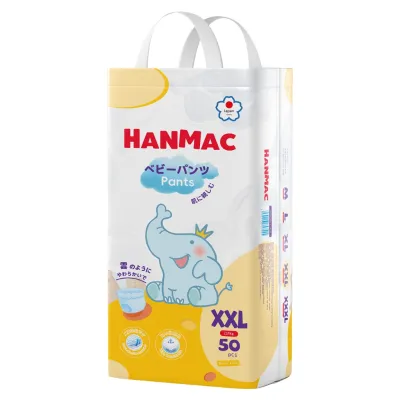

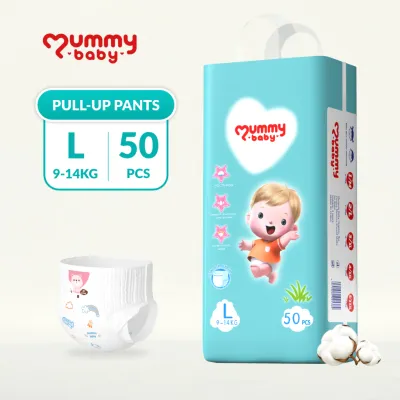
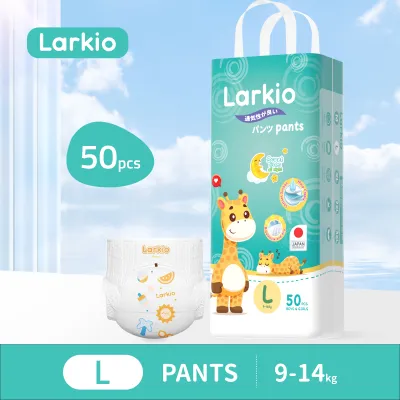
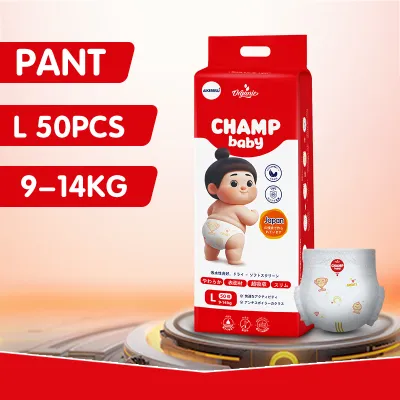
![[BUY 1 TAKE 1] Ultra-Thin Breathable Baby Diaper Pants Super Absorbent Comfort Fit Unisex 100-Pack M/L/XL/XXL](https://img.lazcdn.com/g/p/31be5c52cac582deba93f044e7e5d5e6.png_400x400q80.png_.webp)
Prices are valid at publication and may change. Please refer to the product page for the latest price.
Sizing is another critical dimension where these brands can differ significantly, even when labeled with the same size category (such as Small, Medium, or Large). Always refer to the specific weight ranges and sizing charts provided on the back of each diaper pack. A diaper’s fit is determined not just by the baby’s weight, but also by the cut of the leg openings and the elasticity of the waistband. For instance, a baby with chubby thighs might require a different cut or a size upgrade sooner than a leaner baby of the exact same weight.
Breathability and wetness indicators are essential features to monitor during use, especially in high-humidity environments. Most premium and mid-tier diapers now feature a wetness indicator strip that changes color—typically from yellow to blue-green—when exposed to moisture. Additionally, look for packaging terms that describe the outer cover’s breathability, such as “micro-porous backsheet” or “breathable outer layer.” These features allow heat and vapor to escape, which is vital for keeping your baby’s skin dry and cool throughout the day.
Assessing Absorbency and Leak Protection in Daily Use
Evaluating how a diaper performs in real-world scenarios requires careful observation during a trial period. One of the first things to monitor is the speed and accuracy of the wetness indicator line after your baby urinates. A responsive indicator helps you identify exactly when the diaper has been soiled, preventing prolonged contact between wet materials and your baby’s delicate skin. If the indicator changes color immediately but the outer surface of the diaper feels damp to the touch, it may suggest that the outer cover lacks sufficient moisture-barrier properties.

Next, pay close attention to the fit, elasticity, and seal of the leg cuffs and waistband while your baby is actively moving. The leg cuffs, often referred to as leak guards, should stand upright and wrap snugly around the thighs without gaping. During crawling, rolling, or walking, these elastic barriers must flex with your baby’s movements to contain both liquid and solid waste. If you notice gaps forming when your baby bends their legs, or if the waistband slides down, the diaper’s structural design may not match your baby’s current developmental stage or body shape.
Overnight wear and extended use provide the ultimate test for a diaper’s core saturation limits. Track how well each brand manages heavy wetness during long sleep stretches without leaking or sagging excessively. A high-performing absorbent core should lock moisture deep inside, leaving the inner lining feeling dry to the touch even when the diaper is heavy. If you frequently encounter morning leaks or find that the diaper’s core clumps together and breaks apart when full, it indicates that the specific brand’s absorbency capacity is being exceeded.
Evaluating Comfort, Fit, and Skin Sensitivity
A diaper must not only keep your baby dry but also remain comfortable during hours of continuous wear. Immediately after removing a diaper, inspect your baby’s waist and thighs for any red marks, deep indentations, or chafing. These marks are clear signs that the elastic bands are too tight, the material is too stiff, or the diaper’s cut is too narrow for your baby’s build. A well-fitting diaper should leave only minimal, temporary impressions on the skin, indicating a secure yet gentle seal.
In addition to physical marks, closely observe the inner lining and skin contact areas for signs of friction, redness, or diaper rash. The tropical heat can trap sweat and moisture inside the diaper, creating a breeding ground for bacteria and yeast. If you notice localized redness on the lower abdomen, buttocks, or groin, the inner lining material may be causing friction, or the diaper may not be drawing moisture away from the skin quickly enough. Some brands incorporate lotion-treated topsheets or hypoallergenic materials to minimize this risk, which you can verify by checking the ingredient list on the packaging.
You can often resolve minor fit issues by adjusting how you fasten the diaper’s adhesive or hook-and-loop tabs. For babies with a rounder tummy, angle the tabs slightly downward to relieve pressure on the stomach while keeping the leg openings secure. Conversely, if your baby has thicker thighs but a slim waist, fastening the tabs at a slight upward angle can help tighten the leg cuffs without constricting the waist. Experimenting with these adjustments during your trial of Hanmac, Pampers, Equator, or Huggies will help you determine which brand’s shape naturally complements your baby’s proportions.
Calculating True Value and Cost per Diaper
To establish a realistic diapering budget, you must look beyond the initial retail price of a pack and calculate the true cost per diaper. Divide the total price of the pack by the number of pieces inside to find the unit cost in ₱. For example, a jumbo pack bought on an online marketplace or at a local supermarket might offer a lower cost per piece than a small travel pack. Keep in mind that prices fluctuate based on promotional bundles, subscription discounts, and seasonal sales, so tracking the cost per piece over time is the most accurate way to compare Hanmac, Pampers, Equator, and Huggies.
However, the cheapest diaper per piece does not always result in the lowest overall monthly expenditure. If a lower-priced diaper leaks frequently, you will find yourself changing your baby’s clothes, washing bedsheets, and using more diapers per day than you would with a slightly more expensive, highly absorbent brand. For instance, if Brand A costs ₱7 per piece but requires 8 changes a day due to leaks, it costs ₱56 daily. If Brand B costs ₱10 per piece but only requires 5 changes a day because of superior capacity, it costs ₱50 daily, making it the more economical choice.
Additionally, factor in the potential cost of secondary skin care products like diaper rash creams, barrier ointments, or medicated powders. If a diaper lacks adequate breathability or causes friction, you may end up spending significantly more on soothing creams to treat persistent rashes. A diaper that keeps the skin dry and healthy naturally reduces the need for these extra products, saving you money and keeping your baby comfortable.
Decision Framework: Matching the Brand to Your Baby's Needs
Choosing the right diaper brand involves balancing your baby’s physical comfort with your household’s financial priorities. Hanmac diapers are often a suitable choice if they fit within your daily budget and your baby’s skin shows no signs of irritation or redness during regular use. They can serve as an excellent daytime option when changes are frequent, allowing you to maintain hygiene without overspending.
Pampers or Huggies may be the preferred choice if your baby experiences frequent leaks during overnight sleep or active play, and you require a diaper with highly specialized absorbent channels or pocketed waistbands. These established brands offer a wide range of sub-lines, from basic dry options to premium soft selections, making it easier to find a specific cut that matches your baby’s unique leak patterns.
Equator diapers are highly practical if your primary goal is securing reliable bulk value and consistent availability in your local area or preferred ecommerce platform. They are well-suited for households looking for a dependable, straightforward diaper that performs consistently during standard daytime wear intervals.
Regardless of the brand you choose, safety and skin health must always come first. If your baby develops a persistent, bright red rash, skin peeling, or pustules that do not improve after a few days of frequent diaper changes and the application of barrier creams, stop using the current diaper brand immediately. Consult a qualified pediatrician to rule out yeast infections, severe allergic contact dermatitis, or other underlying skin conditions that require medical treatment.
Frequently Asked Questions (FAQ)
Can I alternate between different diaper brands?
Yes, alternating between different diaper brands is a highly practical strategy used by many parents to manage costs. You might choose a highly absorbent, premium diaper from Huggies or Pampers for overnight use to ensure uninterrupted sleep, while using a more budget-friendly option like Hanmac or Equator for daytime wear when changes are more frequent. When mixing brands, monitor your baby’s skin closely during the transition periods to ensure their skin does not react negatively to the different materials or elastic designs.
How do I know when it is time to size up?
Several physical signs indicate that your baby has outgrown their current diaper size, even if their weight still falls within the range printed on the packaging. If you notice frequent leaks, blowouts, or if the diaper’s waistband sits significantly below your baby’s belly button, it is likely time to size up. Other clear indicators include red marks around your baby’s thighs or waist, difficulty fastening the tabs to the designated landing zone, or the diaper appearing tight and restrictive during movement.

Community discussion
Share your experience or ask a question. Comments are reviewed before publication.