
Finding the best green wipe for sensitive skin in the Philippines is not about identifying a single, universally perfect brand, but rather about understanding how different formulations interact with your baby’s unique skin barrier under tropical conditions. In a climate characterized by high humidity and intense heat, diaper rash, sweat irritation, and friction are constant challenges. A wipe that works wonders for one infant might trigger redness or dry patches in another. To make an informed decision, parents must look past green-colored packaging and botanical marketing, focusing instead on ingredient transparency, material texture, and rigorous local verification.
By learning how to decode ingredient lists, evaluate physical wipe characteristics, and safely source authentic products, you can protect your baby’s skin while supporting eco-friendly practices. This guide provides a practical framework to help you compare the green wipe brands available in the local market and select the safest option for your child.
What "Green" Means for Baby Wipes and Sensitive Skin
The term “green” is highly popular in baby care marketing, but it does not carry a single, standardized medical definition. When evaluating green wipes, it is essential to distinguish between three distinct components: eco-friendly packaging, plant-based wipe materials, and hypoallergenic liquid formulations. A brand may use a fully biodegradable, plant-based cloth but soak it in a solution containing potential skin irritants. Conversely, a highly gentle, skin-safe liquid formula might be paired with a standard synthetic polyester wipe that does not degrade easily.
Products mentioned in this guide
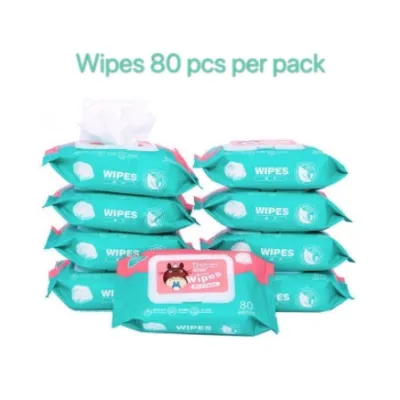
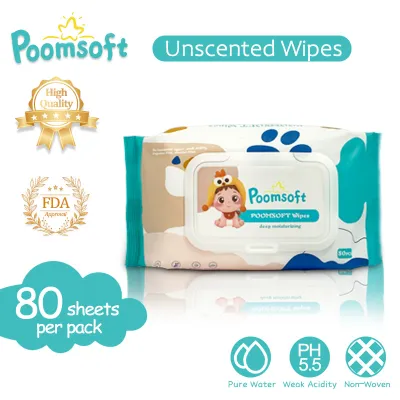
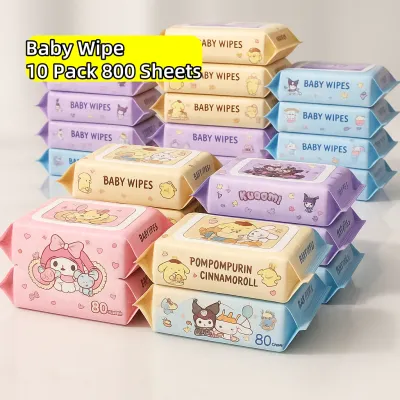
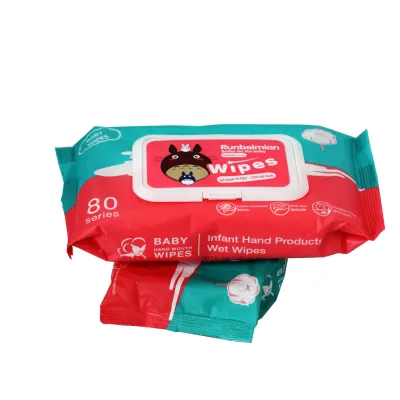
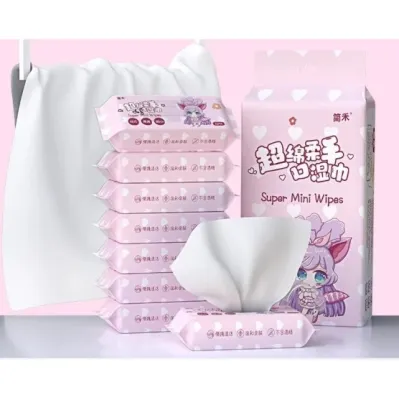
Prices are valid at publication and may change. Please refer to the product page for the latest price.
Many parents assume that “natural” or “organic” ingredients are inherently safer for sensitive skin. However, botanical extracts and plant-derived ingredients can still trigger allergic contact dermatitis or irritate a compromised skin barrier. For babies prone to eczema or heat rash, simple synthetic or highly purified formulations are often much safer than complex mixtures of plant oils. Green marketing should never be treated as a guarantee of skin compatibility.
Instead of relying on green packaging, botanical imagery, or leaf icons, look for specific, verifiable dermatological testing labels. Phrases like “dermatologically tested” or “hypoallergenic” indicate that the product has undergone basic safety evaluations, though you should still verify the specific testing standards claimed by the manufacturer. For highly reactive skin, prioritize brands that seek independent certifications from recognized dermatological organizations.
Essential Label Checks for Sensitive Skin Ingredients
When comparing green wipe brands, the ingredient list on the back of the pack is your most reliable tool. A high-quality sensitive skin wipe should feature an incredibly simple ingredient list, often starting with highly purified water as the primary component, typically comprising 99% or more of the formulation. Look for soothing base ingredients such as aloe vera or chamomile extract, but ensure they are positioned low on the ingredient list, indicating a mild, non-irritating concentration.

Be highly cautious of potential irritants that frequently hide in natural formulations. Essential oils, such as lavender, tea tree, or citrus oils, are often added to green wipes to provide a pleasant scent or natural antibacterial properties. Unfortunately, these oils are common sensitizers that can cause redness, itching, and allergic reactions on delicate baby skin. Similarly, complex botanical blends increase the likelihood of a skin reaction, as it becomes difficult to isolate which specific plant extract is causing the irritation.
It is also critical to understand the difference between “unscented” and “fragrance-free” products. An unscented wipe may still contain chemical masking agents designed to neutralize the natural smell of the ingredients, which can irritate sensitive skin. A truly fragrance-free wipe contains no added fragrance chemicals or masking agents whatsoever. Always prioritize products explicitly labeled as fragrance-free, and double-check the ingredient list to ensure no synthetic perfumes or aromatic essential oils are present.
Evaluating Wipe Texture, Thickness, and Moisture
The physical properties of a baby wipe play a direct role in protecting the skin barrier. Friction from wiping is a primary contributor to diaper rash and skin irritation, especially in the folds of a baby’s skin where sweat and moisture accumulate. Smooth wipes are generally best for daily, light cleanups on highly sensitive areas, as they glide easily across the skin. Textured wipes, which often feature raised dots or patterns, are designed to grab mess more efficiently, reducing the number of wipes needed and minimizing overall friction during heavy cleanups.
Moisture levels must also be carefully balanced. Wipes that are too dry require more physical pressure and rubbing, leading to mechanical irritation and micro-tears in the skin. On the other hand, wipes that are excessively wet can leave a heavy liquid residue on the skin. In the humid Philippine climate, excess moisture trapped in diaper folds can quickly lead to fungal infections, such as candidiasis, or worsen heat rash. The ideal wipe should feel damp to the touch but leave the skin dry within a few seconds of use.
To assess the thickness and durability of a wipe without relying on vague brand claims, look for the material weight, often measured in grams per square meter (GSM). A higher GSM indicates a thicker, loftier wipe that is less likely to tear, stretch, or allow waste to transfer to your hands during use. Thicker wipes also retain moisture more evenly throughout the pack, preventing the top sheets from drying out while the bottom sheets become waterlogged.
Verifying Brand Claims and Sourcing in the Philippines
The local market offers a wide variety of imported and locally manufactured green wipe brands, but sourcing them safely requires caution. To avoid the risk of counterfeit products, which may contain unauthorized chemicals or lack proper quality control, purchase your wipes exclusively from official brand stores, authorized physical baby boutiques, or verified flagship stores on major e-commerce platforms. Authentic products will always display clear batch numbers, manufacturing dates, and expiry dates on the packaging.
It is also wise to cross-reference the ingredient list on the local packaging with the manufacturer’s official global website. Occasionally, brands modify their formulations for different regional markets, sometimes substituting preservatives to accommodate the high heat and humidity of tropical countries. Verifying that the local formulation matches the globally recognized, sensitive-skin-approved version ensures you are getting the exact product you expect.
Finally, evaluate the long-term value of premium sensitive-skin options by calculating the cost per wipe rather than comparing pack prices directly. To do this, divide the total price of the pack by the number of individual sheets inside. For example, a pack costing ₱150 containing 80 wipes results in a cost of ₱1.88 per wipe, whereas a premium pack priced at ₱200 containing only 60 wipes costs ₱3.33 per wipe. This simple calculation helps you budget effectively for daily use without compromising on your baby’s skin safety.
Decision Framework: Choosing the Right Wipe for Your Baby
To finalize your choice, use this conditional framework to match a green wipe brand to your baby’s specific needs:
- Choose a high-water-content, ultra-simple formula if: Your baby is a newborn, has highly reactive skin, or is currently recovering from an active diaper rash flare-up. These formulas minimize the risk of chemical irritation.
- Choose a thicker, textured plant-based wipe if: Your baby has transitioned to solid foods, requiring a more robust wipe that can clean heavy messes quickly with minimal friction.
- Verify first if: The wipe contains natural preservatives (such as sodium benzoate or citric acid) or botanical extracts, especially if your baby has a family history of eczema or contact allergies.
Before introducing any new green wipe brand to your baby’s daily routine, perform a localized patch test. Gently wipe a small, clean area of healthy skin on your baby’s inner arm or upper thigh using the new product. Repeat this twice daily for three consecutive days, monitoring the area closely for any signs of redness, swelling, tiny bumps, or unusual dryness. If the skin remains clear, the product is likely safe for general use.
If you observe any signs of irritation, redness, or discomfort during or after the patch test, stop using the wipes immediately. Wash the affected area with clean, lukewarm water and pat it dry. If the irritation persists, spreads, or is accompanied by broken skin or fever, consult a pediatrician or a pediatric dermatologist for professional guidance.
Frequently Asked Questions (FAQ)
Are Green Wipes Safe for Newborns?
Newborn skin is up to 30% thinner than adult skin, making it highly permeable and exceptionally sensitive to external chemicals. While many green wipes are marketed as safe for newborns, you must verify that the specific product has an extremely simple ingredient list, ideally consisting of 99% purified water and minimal, food-grade preservatives. Always check the manufacturer’s packaging for explicit age recommendations, and consult your pediatrician before introducing any commercial wipe to a newborn’s daily care routine.
How Should I Store Preservative-Free Green Wipes?
Green wipes that use mild, natural preservatives are highly susceptible to microbial growth, especially in the hot and humid climate of the Philippines. To maintain their safety and freshness, store unopened packs in a cool, dry place away from direct sunlight and heat sources. Once a pack is opened, ensure the plastic lid or adhesive seal is pressed down firmly after every single use to prevent the wipes from drying out and to keep airborne contaminants from entering. If you notice any change in the smell, color, or texture of the wipes, discard the pack immediately.

Community discussion
Share your experience or ask a question. Comments are reviewed before publication.