
When preparing a nursery, choosing the right breast feeding chair is one of the most critical decisions you will make for your daily comfort and physical recovery. Feeding sessions can consume up to eight hours a day in the early weeks, making ergonomic support an absolute necessity. While gliders, traditional rockers, and recliners can all serve as nursery seats, gliders and recliners generally offer superior armrest stability and height for supporting a nursing pillow compared to classic rocking chairs.
The ideal choice for your home depends on several factors: your nursery space, your postpartum recovery needs, your budget, and whether you prioritize smooth, quiet motion or full-body reclining for late-night cluster feeding. If you are recovering from a cesarean delivery, a power recliner that does not require abdominal strength to close may be your best option. If you have limited space and want a gentle, consistent motion to soothe a fussy baby, a glider is often the most practical solution. This guide breaks down the specific ergonomic, functional, and safety differences among these three popular styles to help you make an informed decision.
Meet the Contenders: Gliders, Rockers, and Recliners
Before comparing specific features, it is helpful to understand the mechanical differences that define each chair type. Each style offers a distinct motion profile, structural design, and footprint, which directly affects how you interact with your baby during feeding sessions.
Products mentioned in this guide
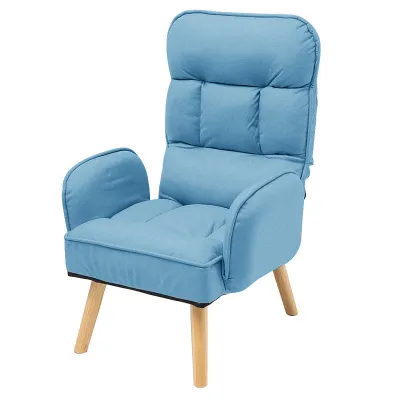
Prices are valid at publication and may change. Please refer to the product page for the latest price.
Gliders: Smooth and Steady Motion
Gliders operate on a specialized internal track mechanism that allows the seat to slide forward and backward in a smooth, linear motion. Unlike traditional rocking chairs, the frame of a glider remains completely flat on the floor while the seat moves independently. This design minimizes the risk of tipping and provides a highly consistent, quiet movement that requires minimal physical effort to maintain.
For breastfeeding, the linear motion of a glider is exceptionally stable. Because the chair does not tilt your body backward or forward as it moves, your center of gravity remains constant. This stability makes it much easier to keep a nursing pillow properly positioned without constantly adjusting your posture. Many modern gliders also feature a locking mechanism that stops the sliding motion entirely, which is incredibly useful when you are trying to stand up safely while holding a sleeping baby.
Rockers: The Classic Rhythmic Arc
Traditional rocking chairs are built on curved wooden or metal legs, known as rockers or runners, which rest directly on the floor. This classic design relies on a simple shifting of your body weight to create a rhythmic, sweeping arc. Rockers have been a staple of nurseries for generations due to their timeless aesthetic and generally lower price point compared to mechanically complex gliders and recliners.
However, the classic rocking motion has distinct physical trade-offs for breastfeeding mothers. The shifting angle of the chair means your body is constantly tilting, which can make it more challenging to maintain a stable latch, especially when balancing a structured nursing pillow on your lap. Additionally, the curved legs present a potential pinching hazard for curious pets or older toddlers playing on the floor, and they can sometimes scuff hardwood floors or get caught on thick nursery rugs.
Recliners: Maximum Lounging and Back Support
Recliners focus heavily on customizable comfort, offering adjustable backrests and extendable footrests that allow you to transition from an upright sitting position to a semi-reclined or fully laid-back posture. Recliners come in manual versions, which use a lever or body tension to push the chair back, and power versions, which use electric motors to adjust the angles at the push of a button.
For postpartum recovery, a recliner offers unparalleled physical support. Elevating your legs helps reduce postpartum swelling in your feet and ankles, which is a common concern in tropical climates like the Philippines. The ability to recline also allows you to practice laid-back breastfeeding, a position that encourages natural infant reflexes and can make latching easier for newborns. However, manual recliners can be difficult to close postpartum, as they often require significant abdominal and leg strength to lock the footrest back into place.
Crucial Comparison Dimensions for Your Breast Feeding Chair
To find the best breast feeding chair for your nursing routine, you must evaluate how each option performs across several physical and practical dimensions. These factors directly impact your daily comfort, physical health, and the overall usability of your nursery setup.

Armrest Height and Width
When breastfeeding, your arms bear the weight of your baby’s head and body for extended periods. Without proper support, this weight pulls your shoulders forward and strains your neck, leading to painful shoulder and neck tension. A high-quality breast feeding chair must have wide, flat, and well-padded armrests that sit at a height where your elbows can rest naturally without your shoulders being pushed upward or sagging downward.
Gliders and recliners typically feature wide, upholstered armrests that provide a stable platform for a C-shaped or wrap-around nursing pillow. This flat surface prevents the pillow from sliding outward or dropping down during a feeding session. In contrast, traditional rockers often feature narrow, curved wooden armrests. These narrow rails offer minimal padding and can cause the nursing pillow to slip, forcing you to tense your arm and shoulder muscles to keep the baby in the correct position.
Seat Depth and Lumbar Support
Proper spinal alignment is crucial during long feeding sessions. The seat depth of your chair should allow your back to rest firmly against the backrest while your knees bend comfortably over the front edge of the seat, with your feet flat on the floor or on a supportive ottoman. If the seat is too deep, you will be forced to slouch forward, which strains your lower back and tailbone.
Recliners often provide excellent built-in lumbar support, especially when partially reclined, as they distribute your body weight evenly across the entire backrest. Gliders also tend to have supportive, upright backs designed specifically for nursing ergonomics. Rockers, however, often have deep, sloped seats that can cause you to sink backward, making it difficult to maintain an upright posture without placing extra lumbar rolls or decorative cushions behind your lower back. If you experience persistent lower back or pelvic girdle pain postpartum, consult a physical therapist or healthcare provider for personalized ergonomic guidance.
Upholstery and Cleanability
In the warm, humid climate of the Philippines, the choice of upholstery fabric is both a comfort and a maintenance consideration. Nursery chairs are highly prone to milk spills, spit-up, diaper leaks, and sweat, meaning the fabric must be durable and easy to clean.
- Cotton and Linen Blends: These natural fibers are highly breathable and comfortable in tropical weather, preventing you and your baby from overheating during skin-to-skin contact. However, they absorb liquids quickly and can be difficult to spot-clean, making them susceptible to staining and mold or mildew if not dried thoroughly.
- Microfiber and Performance Fabrics: These synthetic materials offer a great balance of comfort and durability. Performance fabrics are often treated to repel liquids, allowing you to wipe away spills before they soak into the cushion. They are soft to the touch and hold up well to frequent spot-cleaning.
- Faux Leather and Polyurethane (PU) Leather: These materials are incredibly easy to wipe clean with a damp cloth, making them highly hygienic. However, they can feel sticky and hot against bare skin in humid conditions, especially if your nursery does not have consistent air conditioning. If you choose faux leather, using a breathable cotton receiving blanket as a barrier between your skin and the chair can improve comfort.
Space and Footprint
Before purchasing any nursery furniture, you must measure your available floor space and account for the chair’s full range of motion. A chair that fits perfectly when stationary may become unusable or unsafe when fully extended or rocked.
Traditional rockers require significant clearance both in front of and behind the chair to accommodate their sweeping motion. Gliders require a moderate amount of clearance behind them, though some compact models are designed with specialized tracks that minimize the rear footprint. Recliners have the largest overall footprint; manual and standard power recliners must be placed far away from the wall to allow the backrest to lean back. If you are working with a small nursery, look for a “wall-hugger” or “zero-clearance” recliner design, which slides forward as it reclines, requiring only a few inches of wall clearance.
Feature Comparison at a Glance
The following table summarizes how gliders, traditional rockers, and recliners compare across key functional and ergonomic dimensions to help you identify which style aligns best with your nursery priorities.
| Feature | Glider | Rocker | Recliner |
|---|---|---|---|
| Motion Type | Smooth, linear forward-and-backward gliding on a fixed track. | Classic, sweeping rhythmic arc on curved wooden or metal runners. | Upright stationary sitting with adjustable reclining backrest and footrest. |
| Armrest Support for Pillows | Excellent; wide, flat, and heavily padded upholstered armrests. | Fair to Poor; often narrow, unpadded, or curved wooden arms. | Excellent; thick, plush, and wide armrests that secure pillows easily. |
| Space Required | Moderate; needs a clear path for forward and backward gliding. | High; requires ample clearance in front and behind to rock safely. | Very High; requires significant front clearance for footrest and rear clearance for backrest. |
| Best For | Parents seeking smooth, quiet motion, high stability, and a consistent center of gravity. | Budget-conscious buyers who prefer a classic aesthetic and have a larger room. | Parents recovering from difficult births who need leg elevation and maximum back support. |
| Potential Drawbacks | Internal track mechanisms can be heavy and difficult to move during room cleaning. | Risk of tipping, potential floor scuffing, and lack of built-in arm support. | Large footprint, higher price point, and manual models can be hard to close postpartum. |
How to Choose the Right Chair for Your Routine
Selecting the perfect breast feeding chair is a highly personal decision that should be tailored to your physical needs, nursery layout, and budget. Use the following guidelines to determine which option is the right fit for your daily routine.
Choose a Glider if:
- You prioritize smooth, quiet transitions: If your baby is easily startled by sudden movements or squeaky noises, the silent, linear motion of a glider is ideal for soothing them to sleep.
- You want maximum stability for nursing pillows: If you plan to use a structured nursing pillow for every feed, the flat, stationary base of a glider ensures your pillow stays level and secure.
- You have moderate nursery space: Gliders offer a more predictable footprint than rockers and often come in compact, space-saving designs.
Choose a Rocker if:
- You prefer a classic, timeless aesthetic: If you want a traditional nursery look and plan to repurpose the chair in a living room or bedroom once your child grows up, a classic wooden rocker is a beautiful choice.
- You are working with a tighter budget: Simple rocking chairs are generally more affordable than mechanically complex gliders or power recliners, leaving more room in your budget for other nursery essentials.
- You do not mind using extra pillows: If you are comfortable adding support cushions for your lower back and elbows, you can easily overcome the ergonomic limitations of a standard rocker.
Choose a Recliner if:
- You are recovering from a cesarean delivery or difficult birth: The ability to elevate your legs and recline without using your abdominal muscles (especially with a power-operated model) is incredibly beneficial for physical healing.
- You anticipate long, late-night feeding sessions: If your baby goes through phases of cluster feeding where they nurse for hours at a time, the deep comfort and leg support of a recliner will prevent body fatigue.
- You have ample floor space: If your nursery is spacious enough to accommodate a large piece of furniture without blocking walkways or closet doors, a recliner is a highly comfortable investment.
Verify First Before Buying
Regardless of the style you choose, it is highly recommended to test the chair in person before making a final purchase. When testing a chair, bring your preferred nursing pillow with you. Sit in the chair and place the pillow on your lap; check if your elbows rest naturally on the armrests without forcing your shoulders upward. Ensure your feet can touch the floor comfortably when sitting upright, as this is essential for maintaining proper leverage and posture during feeds.
Always verify the manufacturer’s specified weight capacity, age recommendations, and specific safety warnings from the product documentation before purchase. Additionally, check for any recent product recalls or safety certifications from recognized consumer protection agencies to ensure the model meets current safety standards. If you are purchasing online, carefully review the manufacturer’s dimensions, weight capacity limits, and return policies to ensure a proper fit.
Safety and Setup Tips for Your Nursing Station
Creating a safe, functional, and comfortable environment around your breast feeding chair is just as important as choosing the chair itself. Proper setup protects both you and your baby from preventable strain and hazards.
Placement and Clearance
When positioning your chair in the nursery, ensure there is adequate clearance around its entire range of motion. Keep the chair well away from windows with blind cords, as these present a severe strangulation hazard for infants and toddlers. Ensure all electrical outlets are safely covered, and keep power cords for electric gliders or recliners tucked away to prevent tripping. Position the chair away from walls, cribs, and changing tables to eliminate pinch points where small fingers or toes could get caught as the chair moves.
Ergonomic Posture
To protect your lower back and neck during long feeding sessions, always maintain an ergonomic posture. Your knees should be positioned at or slightly above hip level to relieve pressure on your lumbar spine. If your chair does not have a built-in footrest or ottoman, use a separate nursing footstool or a small wedge cushion to elevate your feet. Avoid slouching or leaning over your baby; instead, use your nursing pillow to bring the baby up to the level of your breast, keeping your spine straight and your shoulders relaxed.
Safe Sleep and Supervision
While a comfortable breast feeding chair is wonderful for soothing a baby, it is not a safe environment for infant sleep. Never leave a baby unattended on a glider, rocker, or recliner, as they can easily roll off or become wedged in the cushions.
Furthermore, caregivers must avoid falling asleep with a baby in a nursing chair. Sleeping with an infant on an upholstered chair or sofa significantly increases the risk of sudden infant death syndrome (SIDS) and accidental suffocation due to positional asphyxia. If you feel yourself becoming drowsy during a late-night feed, immediately transition your baby to a safe, flat, and firm sleep surface, such as a crib or bassinet, in accordance with pediatric safe sleep guidelines.
Frequently Asked Questions (FAQ)
Do I really need a dedicated breast feeding chair?
While a dedicated breast feeding chair is highly convenient and offers excellent ergonomic support, it is not a strict necessity. Any comfortable chair in your home can work for breastfeeding, provided it has sturdy back support and armrests that allow you to hold your baby comfortably. If you choose to use an existing household chair, you can improve its ergonomics by adding a firm lumbar support pillow, using a structured nursing pillow to support your baby’s weight, and placing a small stool under your feet to keep your knees elevated.
Can I use a regular recliner from the living room for nursing?
Yes, you can repurpose a regular living room recliner for nursing, which is an excellent way to save money. However, there are a few practical trade-offs to keep in mind. Living room recliners are often much larger and deeper than nursery-specific chairs, which can make it difficult for shorter users to sit upright without slouching or to reach the floor. Additionally, living room fabrics may not be treated for stain resistance, making them harder to clean when exposed to milk spills or spit-up. If you choose this option, consider using a machine-washable slipcover to protect the upholstery and adding extra cushions to customize the seat depth.
Community discussion
Share your experience or ask a question. Comments are reviewed before publication.