
Choosing the right baby bottle for your newborn is one of the first major decisions you will make as a parent. With options ranging from traditional glass to modern plastics like PPSU and flexible silicone, the choice can feel overwhelming. Each material offers distinct advantages in terms of safety, durability, and ease of cleaning, but they also come with specific trade-offs that affect your daily feeding routine. To make the best choice, you must balance your lifestyle, budget, and feeding preferences.
Quick Guide: Matching Bottle Materials to Your Newborn's Needs
When selecting a baby bottle material, matching the physical properties of the bottle to your daily routine is essential. Glass, PPSU (polyphenylsulfone), and silicone each serve different parenting priorities and feeding styles.
If your primary concern is a material that will not scratch, stain, or retain odors over months of heavy use, glass remains an excellent choice. For parents seeking a lightweight, shatterproof option that can withstand frequent high-temperature sterilization without degrading, PPSU offers a premium medical-grade plastic alternative. Meanwhile, silicone provides a soft, squeezable texture that closely mimics the feel of breastfeeding, making it a popular option for babies transitioning between breast and bottle.
Products mentioned in this guide
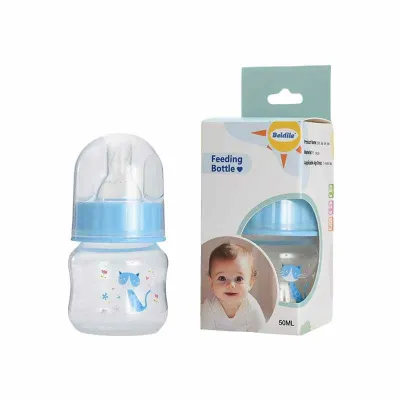
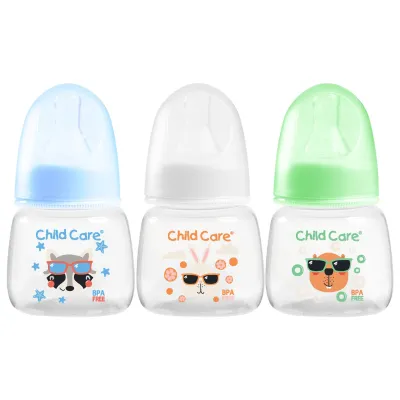
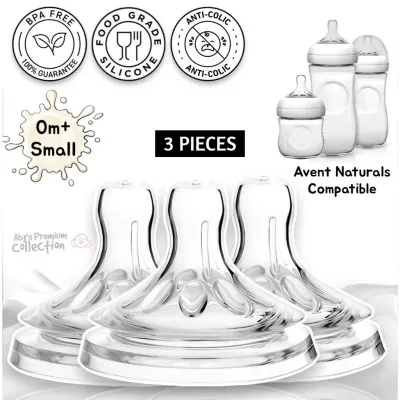
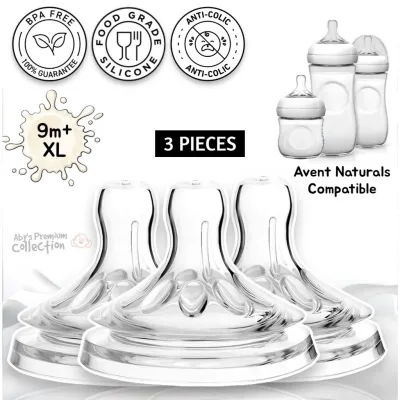
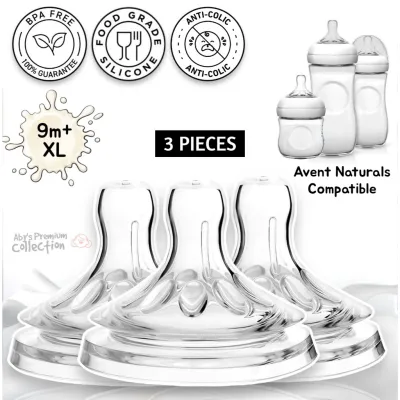
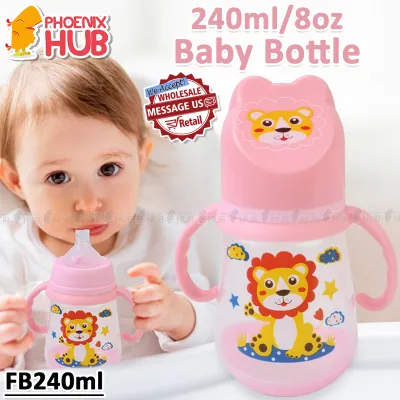
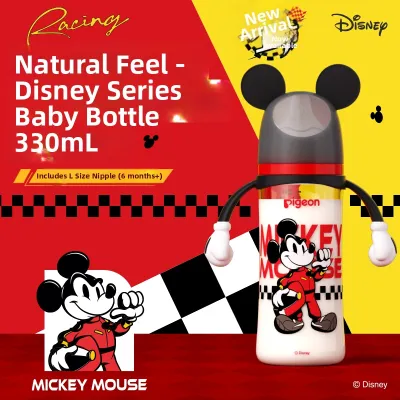
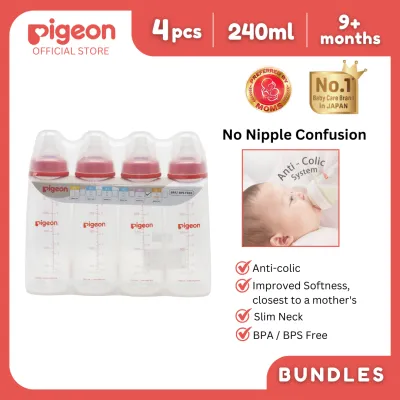
Prices are valid at publication and may change. Please refer to the product page for the latest price.
Your decision should also factor in who will be handling the bottle and where feedings will take place. If grandparents or hired caregivers frequently assist with feedings, lightweight and drop-resistant materials like PPSU or silicone can reduce the risk of accidental breakage. Additionally, consider your sterilization setup, as some materials require more careful temperature monitoring during steam or UV sterilization cycles.
Glass Baby Bottles: Durability, Safety, and Daily Handling
Glass baby bottles have been a trusted household staple for generations, primarily valued for their exceptional material stability and hygiene. Because glass is non-porous, it is naturally resistant to scratches, stains, and lingering odors from breast milk or infant formula. This scratch resistance is a significant safety benefit, as micro-scratches in plastic bottles can sometimes harbor bacteria or milk residue despite thorough washing. When purchasing glass bottles, parents should verify that the packaging explicitly states the product is made from high-quality borosilicate glass, which is designed to withstand rapid temperature changes without cracking.

Despite these benefits, the physical limitations of glass require careful consideration in a busy household. Glass bottles are significantly heavier than their plastic and silicone counterparts, which can cause hand fatigue during long, late-night feeding sessions. Their fragility is also a primary concern; a single drop on a hard tile floor can result in dangerous shards. To mitigate this risk, many parents choose to use protective silicone sleeves, which improve the caregiver’s grip and provide a cushioning layer against minor impacts.
Ultimately, glass bottles are ideal for supervised home use where feedings occur in a controlled environment. If you plan to feed your newborn primarily at home and do not mind the extra weight, the long-term durability and ease of cleaning make glass a highly reliable investment. However, you must always inspect the bottle for hairline cracks or chips before every single feeding session to ensure infant safety.
PPSU Baby Bottles: Heat Resistance, Weight, and Longevity
Polyphenylsulfone, commonly known as PPSU, is a high-performance, medical-grade plastic that has become increasingly popular in modern baby care. The standout feature of PPSU is its remarkable heat resistance, often withstanding temperatures up to 180°C or higher, though you must always verify the exact limit printed on the manufacturer’s packaging. This high thermal tolerance allows PPSU bottles to undergo repeated steam, boiling, or UV sterilization cycles without warping, clouding, or releasing unwanted chemical compounds.
In addition to heat resistance, PPSU is incredibly lightweight and virtually shatterproof. This makes it an excellent option for active families who frequently feed their babies on the go, travel, or navigate busy outdoor environments. Unlike standard plastics, PPSU does not easily absorb odors or colors from milk, and its natural honey-colored tint gives it a distinct, premium appearance. It combines the lightweight convenience of plastic with many of the hygienic benefits typically associated with glass.
However, PPSU is not entirely immune to wear and tear. Over months of continuous use and scrubbing, the inner surface can develop micro-scratches, especially if you use stiff or abrasive cleaning brushes. Additionally, PPSU bottles generally carry a higher upfront cost compared to standard polypropylene (PP) bottles, reflecting their medical-grade durability. For parents who want a long-lasting, lightweight bottle that can survive accidental drops on concrete or hardwood floors, the investment in PPSU is often highly justified.
Silicone Baby Bottles: Flexibility, Feeding Experience, and Care
Silicone baby bottles represent a modern innovation in infant feeding, characterized by their soft, flexible, and tactile design. The squeezable body of a silicone bottle allows parents to gently assist with paced feeding, helping to control the flow of milk to match a newborn’s natural sucking rhythm. This unique flexibility also provides a skin-like texture that many babies find comforting, which can be particularly helpful for infants who struggle to transition between breastfeeding and bottle-feeding.
Because silicone is naturally BPA-free and highly resistant to temperature extremes, it can safely undergo standard sterilization methods. The material is lightweight and completely shatterproof, eliminating any worries about breakage during travel or late-night feedings. Its wide-neck design, common to most silicone bottles, also makes them exceptionally easy to hand-wash without needing specialized narrow brushes.
On the downside, the soft surface of silicone has a natural tendency to attract household dust, pet hair, and lint, requiring parents to rinse the exterior frequently. Silicone is also more prone to retaining food odors or the scent of dishwashing soap if not cleaned promptly with mild, fragrance-free detergents. Furthermore, because the bottle body is flexible, some parents find it slightly more challenging to measure precise water volumes when mixing formula, as squeezing the bottle can temporarily distort the measurement markings.
Decision Matrix: Comparing Glass, PPSU, and Silicone for Newborns
To help you weigh these options, comparing the physical characteristics and practical demands of each material side-by-side can clarify which bottle fits your lifestyle. The table below outlines the key differences across essential performance categories.
| Material | Weight | Drop Resistance | Heat Tolerance Verification | Relative Price Range |
|---|---|---|---|---|
| Glass | Heavy | Low (Fragile) | High (Verify borosilicate rating) | ₱₱ – ₱₱₱ |
| PPSU | Very Lightweight | High (Shatterproof) | Very High (Verify up to 180°C) | ₱₱₱ |
| Silicone | Lightweight | High (Shatterproof) | High (Verify manufacturer limits) | ₱₱ – ₱₱₱ |
While glass offers the lowest risk of scratching and the longest potential lifespan if handled carefully, the initial investment in PPSU or silicone often pays off in convenience and safety during travel. When choosing a bottle system, it is also crucial to check the compatibility of the bottle shape with your existing baby gear. Not all wide-neck silicone bottles will fit standard bottle warmers, and some proprietary collar designs may limit your ability to swap nipples across different brands. Always verify these dimensions and compatibility guidelines before purchasing a complete set.
Sterilization and Maintenance Rules for Each Material
Proper cleaning and sterilization are vital to protecting your newborn’s developing immune system, and each material requires specific care to maintain its structural integrity. Before sterilizing, always wash all bottle parts thoroughly in warm, soapy water. For plastic and silicone bottles, avoid using abrasive cleaning tools like steel wool or stiff plastic bristle brushes, as these can create microscopic scratches where bacteria can multiply. Instead, opt for soft silicone brushes or sponge cleaners designed specifically for delicate baby gear.
When it comes to sterilization, you must consult the manufacturer’s instructions to verify the approved methods and temperature limits for each component. While glass and PPSU can easily withstand the high temperatures of boiling water and electric steam sterilizers, some silicone components or plastic collars may have lower heat thresholds. If you use a UV sterilizer, check if your bottle manufacturer advises against it, as prolonged UV exposure can sometimes accelerate the discoloration or degradation of certain plastics and silicone formulations.
Regardless of the material you choose, regular inspection is the most critical step in bottle maintenance. Examine your bottles weekly under good lighting. For glass, look for any hairline cracks, chips, or rough edges, and discard the bottle immediately if any are found. For PPSU and silicone, check for persistent cloudiness, a sticky texture, deep scratches, or stubborn odors that do not fade after washing. Replacing worn-out bottles promptly ensures a safe and hygienic feeding experience for your baby.
Frequently Asked Questions (FAQ)
Can I mix different bottle materials for my newborn?
Yes, many parents successfully use a mix of different bottle materials depending on the situation, such as using glass bottles at home and lightweight PPSU or silicone bottles when traveling. However, you must ensure that the nipples, collars, and caps are compatible if you plan to swap them between different bottle bodies. Additionally, when sterilizing mixed batches, always set your sterilizer or water temperature to accommodate the material with the lowest heat tolerance to prevent accidental warping or damage to the more sensitive components.
How do I know if a PPSU or silicone bottle needs replacing?
Unlike glass, which can theoretically last indefinitely unless chipped, PPSU and silicone bottles have a limited lifespan and should be replaced when they show signs of wear. Inspect the bottles regularly for deep scratches, persistent cloudiness, a sticky or tacky surface texture, or strong odors that remain even after thorough cleaning. If you notice any of these changes, or if the bottle’s structural integrity feels compromised, it is time to retire the bottle and replace it according to the manufacturer’s recommended timeline.
Are glass bottles safe for newborns to hold?
Newborns do not possess the motor skills or strength required to hold a baby bottle independently, so a caregiver must always hold the bottle and supervise the feeding session. Because glass bottles are heavy and fragile, unsupervised use poses a significant safety risk of dropping and breaking. To make glass bottles safer and easier for caregivers to handle, consider using protective silicone sleeves, which provide a non-slip grip and help absorb the impact if the bottle is accidentally knocked over or dropped onto a hard surface.
Community discussion
Share your experience or ask a question. Comments are reviewed before publication.