
Choosing the right milk bottle for a two-year-old is vastly different from selecting one for a newborn. At this stage, your child is highly active, asserting their independence, and testing their physical limits—which often means bottles are dropped, tossed, or left rolling across the floor. There is no single “best” material that fits every household; instead, the ideal choice depends on your toddler’s drop frequency, grip strength, and your daily cleaning routine.
As toddlers transition toward independent feeding, the physical characteristics of their bottle play a major role in their comfort and safety. Understanding how glass, plastic, and silicone perform under the daily pressures of toddlerhood will help you select a material that keeps up with your child’s active lifestyle while simplifying your kitchen chores.
Key Factors for a 2-Year-Old's Milk Bottle
At two years of age, a child’s physical and behavioral development dictates which bottle materials are practical. Toddlers are constantly on the move, and their milk bottles often go wherever they do. This high level of activity makes shatter resistance a primary consideration, as a bottle dropped onto hard kitchen tiles or outdoor pavement can quickly become a safety hazard.
Products mentioned in this guide
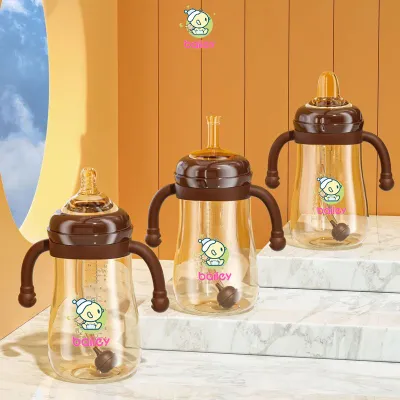
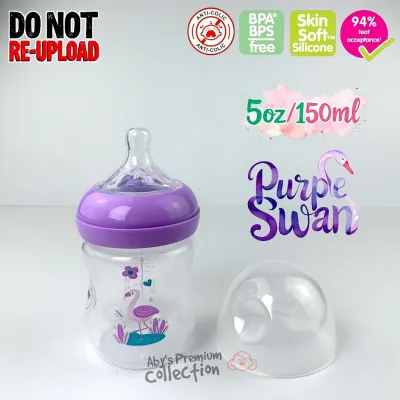
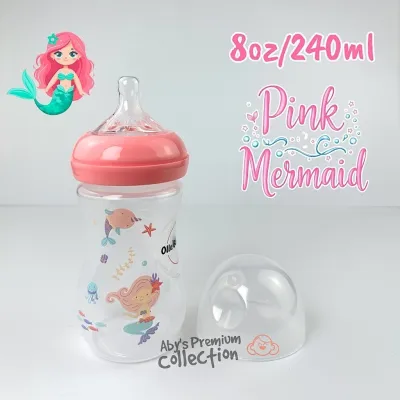
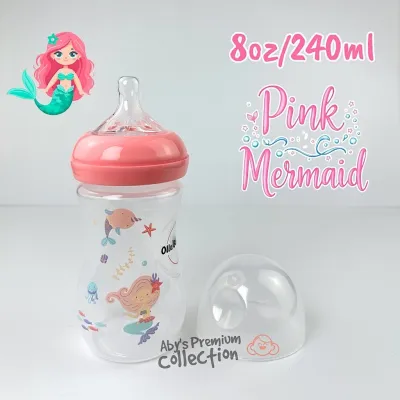
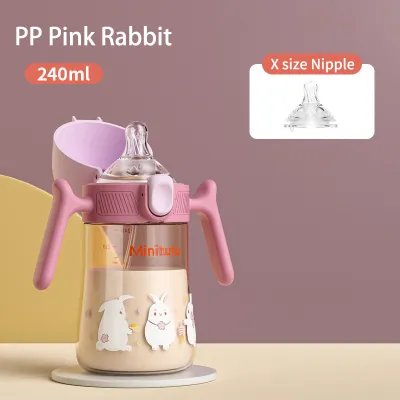
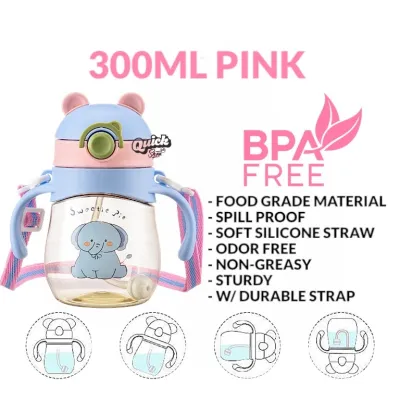
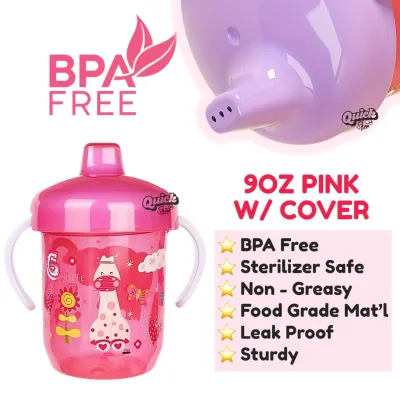
Prices are valid at publication and may change. Please refer to the product page for the latest price.
While toddlers are rapidly developing their grip strength, their hands are still small, and their coordination is still maturing. A bottle that is too heavy or slippery can cause hand fatigue, leading to more frequent drops. In tropical climates where high humidity is common, condensation on the outside of a cold bottle can make it even harder for small hands to hold securely.
It is also important to consider where your child is on their developmental timeline. Many toddlers at this age are beginning the transition away from bottles toward open cups or straw cups. Because of this, the bottle you choose now may serve as a short-term transitional tool rather than a long-term investment, which may influence how much you want to spend on a new bottle system.
Glass Bottles: Hygiene vs. Breakage Risk
Glass has long been favored for its exceptional hygiene and durability under repeated washing. Because glass is non-porous, it is highly resistant to retaining milk odors, stubborn stains, and micro-scratches over time. This is a significant advantage in warm, humid environments where milk residues can quickly spoil and leave lingering smells if a bottle is not cleaned immediately.

However, the weight of glass is a notable drawback for a self-feeding two-year-old. Glass bottles are substantially heavier than plastic or silicone alternatives, which can tire out a toddler’s hands during a feed. A tired toddler is more likely to let the bottle slip, increasing the risk of drops.
The most significant concern with glass is the risk of breakage. Even thermal-shock-resistant glass can crack or shatter when dropped from a high chair or thrown onto a hard floor. If you choose to use glass bottles for an active toddler, it is absolutely necessary to check for thick, shock-absorbing silicone sleeves. Always verify that the sleeve fits snugly and covers the areas most vulnerable to impact before handing the bottle to your child.
Plastic Bottles: Lightweight but Prone to Wear
Plastic bottles are highly popular for toddlers due to their lightweight and shatterproof nature. They are easy for small hands to lift, carry, and hold independently, even when filled to capacity. If a plastic bottle is dropped or thrown, it will bounce harmlessly, eliminating the immediate safety worries associated with broken glass.
Despite their convenience, plastic bottles have a shorter functional lifespan because they are prone to wear and tear. Over time, repeated scrubbing with bottle brushes can create micro-scratches on the inner walls. These tiny crevices can harbor bacteria, milk fats, and moisture, which are difficult to sanitize completely. Plastic is also highly susceptible to cloudiness and absorbing strong odors.
When selecting plastic bottles, safety checks are essential. Always inspect the packaging to verify that the product is explicitly labeled as BPA-free and BPS-free. Additionally, make it a habit to regularly inspect the interior of the bottles under a bright light; if you notice deep scratches, persistent cloudiness, or a lingering sour odor that does not go away after washing, it is time to replace the bottle.
Silicone Bottles: Soft Grip and Drop Survival
Silicone bottles offer a modern, flexible alternative that combines some of the best features of plastic and glass. They are virtually unbreakable, easily surviving high-impact drops without cracking. The soft, squeezable texture of silicone provides a natural, skin-like grip that is highly tactile and easy for toddlers to hold, which can be comforting for children who are transitioning from breastfeeding.
However, silicone has unique trade-offs that parents should consider. The material has a naturally tacky surface that easily attracts static dust, pet hair, and lint from household surfaces, meaning it may require more frequent external rinsing. Furthermore, because silicone bottles are less common than standard plastic ones, finding replacement parts like collars, caps, or specific nipple sizes can sometimes be more challenging and may require ordering directly from specialized retailers.
When shopping for silicone bottles, prioritize safety by verifying the product labels for explicit food-grade or medical-grade purity certifications. These certifications help ensure that the material is free from unwanted fillers and is safe for holding warm liquids.
Quick Comparison Checklist for Toddler Bottles
To help you quickly evaluate your options, the following matrix summarizes the core trade-offs of each bottle material based on real-world toddler use:
| Material | Relative Weight | Drop-Survival | Stain & Odor Resistance | Cleaning Ease | Key Accessories Needed |
|---|---|---|---|---|---|
| Glass | Heavy | Low (High risk of shattering) | High (Does not retain odors) | Easy (Resists scratches) | Protective silicone sleeve |
| Plastic | Very Light | High (Shatterproof) | Low to Moderate (Prone to stains) | Moderate (Requires gentle handling) | Soft sponge brush |
| Silicone | Light to Medium | High (Shatterproof) | Moderate (Can absorb strong odors) | Moderate (Attracts dust easily) | Specialized silicone brush |
Keep in mind that the typical lifespan of any bottle depends heavily on how it is cleaned and sterilized. Always refer to the manufacturer’s manual to verify the exact replacement timelines and recommended care instructions for your specific bottle model.
How to Choose: Conditional Recommendations
Your final decision should align with your toddler’s habits and your household’s daily routine. Consider these scenario-based guidelines to help you choose:
- Choose Plastic if… your toddler is highly active, constantly drops or throws their bottle, and you need a lightweight, shatterproof daily driver that is easy to pack for trips outside the home.
- Choose Silicone if… your child prefers a soft, squeezable grip, you want a highly durable and shatterproof option, and you do not mind occasionally rinsing off surface dust or lint.
- Choose Glass if… your toddler is relatively gentle when drinking, you prioritize maximum hygiene and zero odor retention, and you are committed to keeping a protective silicone sleeve on the bottle at all times.
- Verify first if… your child is already showing signs of weaning. If they are showing interest in straw cups or open cups, investing in a new set of milk bottles may not be necessary, and you might prefer to transition directly to toddler-safe training cups instead.
Care, Sterilization, and When to Replace
Proper maintenance is crucial to keeping your toddler’s bottles hygienic, especially in warm, humid climates where mold and bacteria can multiply quickly. Before boiling, steam-sterilizing, or placing bottles in a dishwasher, always check your specific sterilizer and bottle manuals for temperature limits. Some plastics and silicone components can warp, degrade, or release unwanted compounds if exposed to temperatures beyond their rated limits.
Establish a regular visual inspection routine for all bottle parts. For plastic and silicone bottles, look closely for signs of physical degradation, such as deep scratches, persistent cloudiness, discoloration, or a sticky texture. For glass bottles, run your finger carefully along the rim and threads to check for tiny chips, hairline cracks, or sharp edges that could pose a hazard.
Rather than relying on general estimates found online, always follow the manufacturer’s recommended replacement cycles for both the bottle bodies and the nipples. Nipples, in particular, wear out quickly under the pressure of toddler teeth and should be replaced immediately if you notice thinning, tearing, or a change in the flow rate.
Frequently Asked Questions (FAQ)
When should a 2-year-old stop using a milk bottle?
Many pediatric guidelines suggest transitioning away from milk bottles and moving toward open or straw cups between 12 and 18 months of age, making a two-year-old prime for weaning. Prolonged bottle use past this age can sometimes impact dental development and speech patterns. You can look for observable readiness signs, such as your child’s ability to sit upright independently, their improved hand-eye coordination, and an active interest in drinking from adult cups. Because every child’s developmental timeline is unique, it is always best to consult your pediatrician or family healthcare professional for personalized weaning advice tailored to your toddler’s specific needs.
Community discussion
Share your experience or ask a question. Comments are reviewed before publication.