
Choosing the right baby bottle is one of the most frequent decisions new parents face, and the choice often comes down to the material of the bottle itself. When looking at the Avent lineup, you will primarily choose between glass, standard polypropylene plastic, and polyphenylene sulfone (PPSU). There is no single “best” material for every family; instead, the ideal option depends on how you balance weight, durability, scratch resistance, and your daily feeding routine. While glass offers excellent longevity and resistance to scratches, standard plastic provides a lightweight, shatterproof alternative that is highly convenient for travel. PPSU serves as a premium middle ground, offering the lightweight benefits of plastic with enhanced heat resistance and durability. By understanding the unique characteristics of each material, you can select the bottle that best fits your lifestyle, budget, and peace of mind.
Comparing Glass, Plastic, and PPSU Avent Bottles
To make an informed decision, it is essential to understand what each material brings to your prep station. Glass bottles are made from borosilicate glass, a thermal-shock-resistant material that can withstand rapid temperature changes better than regular glass. This material is naturally free from chemical additives, highly resistant to scratching, and does not retain odors or stains from milk fats. However, glass is inherently heavy and fragile, meaning it requires careful handling during both feeding and cleaning.
Standard plastic bottles from the Avent line are typically made from polypropylene (PP). This material is incredibly lightweight, highly impact-resistant, and virtually shatterproof, making it a practical choice for busy households or when feeding on the go. The trade-off is that polypropylene is softer than glass, making it more susceptible to micro-scratches from bottle brushes over time. These tiny scratches can eventually harbor milk residue or bacteria if not cleaned thoroughly, and the plastic may become cloudy after repeated sterilization cycles.
Products mentioned in this guide
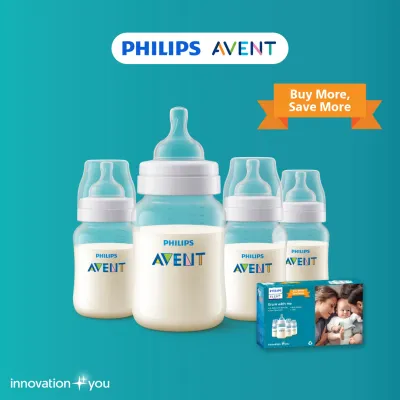
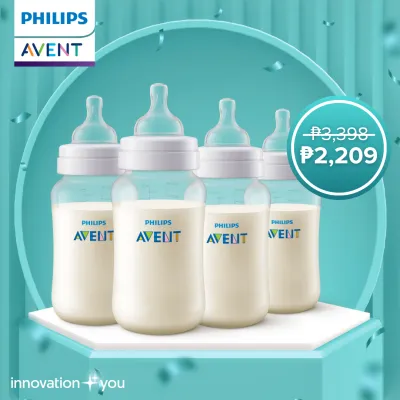
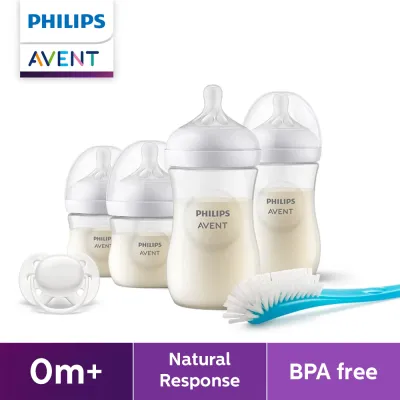
Prices are valid at publication and may change. Please refer to the product page for the latest price.
PPSU, often recognizable by its natural honey-colored tint, is a high-performance thermoplastic. It combines the best of both worlds: it is as lightweight and shatterproof as standard plastic, yet it boasts a much higher heat resistance and surface hardness. This makes PPSU highly resistant to scratching and capable of enduring frequent, high-temperature sterilization without degrading. When purchasing any of these options, always inspect the product packaging to verify the material grade and ensure the product clearly states it is BPA-free, conforming to modern safety standards for infant feeding.
Daily Practicality and Feeding Experience
The daily routine of feeding, washing, and traveling highlights the practical differences between these materials. Weight and grip play a significant role in how comfortable a bottle is during long feeding sessions. Glass bottles are noticeably heavier, which can tire out a caregiver’s wrist during late-night feeds. Furthermore, because of their weight and fragility, glass bottles are not suitable for babies to hold themselves as they grow and develop self-feeding skills; an adult must always support and supervise the bottle. In contrast, plastic and PPSU bottles are exceptionally light, allowing older infants to grasp them more easily under close supervision.

Durability and drop risks are major considerations, particularly in homes with hard flooring like ceramic tile or polished concrete, which are common in many Philippine households. A dropped glass bottle on a hard floor can shatter, creating an immediate safety hazard of broken glass and spilled milk. Plastic and PPSU bottles easily survive drops from high chairs, countertops, or strollers without breaking, offering peace of mind during chaotic moments. If you travel frequently or need to pack bottles in a diaper bag for outings, the lightweight and shatterproof nature of plastic or PPSU makes them much easier to transport.
Temperature retention and heating speed also differ across these materials. Glass conducts heat more rapidly than plastic, meaning a glass bottle will warm up faster when placed in a bowl of warm water or a bottle warmer. However, it can also lose heat more quickly if the surrounding room is cool. Plastic and PPSU bottles take slightly longer to transfer heat to the milk inside. Regardless of the material you choose, always follow the manufacturer’s warming instructions and test the milk temperature on the inside of your wrist before feeding to avoid hot spots that could burn your baby’s mouth.
Safety, Cleaning, and Sterilization Guidelines
Keeping your baby’s bottles clean and sterile is crucial for their health, especially in warm, humid climates where bacteria can multiply rapidly. Standard sterilization methods include electric steam sterilizers, microwave steam bags, and boiling water. Before sterilizing, always consult the specific Avent user manual to verify the temperature limits and compatible sterilization methods for your exact bottle model. While glass and PPSU can withstand very high temperatures repeatedly, standard polypropylene plastic bottles may degrade faster if subjected to excessive heat over prolonged periods.
Regular inspection of your baby bottles is a vital safety practice. Over time, plastic and PPSU bottles can develop micro-scratches from cleaning brushes, or they may become cloudy and discolored. These scratches are not just cosmetic; they can trap microscopic milk particles and bacteria, making the bottle harder to sanitize. If you notice deep scratches, persistent cloudiness, or a sticky texture on a plastic bottle, it is time to replace it. Glass bottles do not scratch easily, but they must be inspected regularly for chips, hairline cracks, or sharp edges, especially around the rim where the collar screws on. Any damaged glass bottle must be discarded immediately.
Safe handling is particularly important for glass bottles to prevent thermal shock. Thermal shock occurs when glass experiences a rapid, extreme change in temperature, causing it to crack or shatter. To prevent this, never pour boiling water directly into a cold glass bottle, and do not submerge a hot, freshly sterilized glass bottle into cold water. Allow the glass to cool down gradually to room temperature before filling it or washing it. Using silicone sleeves designed for glass bottles can also provide a better grip and add a layer of protection against minor bumps and drops.
Decision Framework: Which Avent Bottle Should You Buy?
Choosing the right bottle material comes down to matching the characteristics of the bottle with your household’s lifestyle, budget, and feeding setup. A conditional framework can help guide your purchase. You should choose glass bottles if your primary feeding location is at home, you prioritize maximum longevity and scratch resistance, and you prefer a material that does not retain odors or stains. Glass is an excellent investment if you plan to use the same bottles for future siblings, provided they are handled carefully and remain free of chips or cracks.
On the other hand, you should choose standard plastic or PPSU bottles if you have an active lifestyle, travel frequently, or have hard tile floors where drops are likely. Plastic is highly practical for sending to daycare or for use by various caregivers, as it eliminates the risk of breakage. If you want the lightweight convenience of plastic but desire the durability and high heat resistance closer to glass, investing in PPSU is a highly practical choice, even though it typically comes at a higher price point.
When making your final decision, factor in the long-term replacement costs in Pesos (₱) versus the upfront investment. Standard plastic bottles are generally more budget-friendly initially but require more frequent replacement due to wear and scratches. Glass bottles have a higher upfront cost and the potential risk of breakage, but they do not need to be replaced as often if they remain undamaged. PPSU bottles represent a premium upfront cost but offer excellent durability that outlasts standard plastic. Finally, always purchase your bottles from authorized retailers in the Philippines to ensure you are getting genuine Avent products that meet safety standards and come with valid manufacturer support.
Frequently Asked Questions (FAQ)
Can I mix glass and plastic Avent bottles for the same baby?
Yes, you can absolutely mix glass and plastic Avent bottles depending on your needs throughout the day. For example, you might prefer using glass bottles at home for easy cleaning and sterilization, while relying on lightweight plastic or PPSU bottles when traveling or running errands. Avent nipples and collars are generally designed to be interchangeable across their specific product lines, such as the Natural or Classic+ ranges. However, always verify that the collar and nipple match the specific bottle neck type (wide-neck versus standard) to ensure a secure, leak-free fit. Keep in mind that some babies may notice the difference in weight or how quickly the milk cools down, so maintaining a consistent feeding routine can help if your baby is particularly sensitive.
How often should I replace plastic or PPSU Avent bottles?
As a general guideline, standard plastic (polypropylene) bottles should be replaced every three to six months, or sooner if you notice visible signs of wear. These signs include deep scratches, persistent cloudiness, stubborn stains, or a sticky texture that does not go away after washing. PPSU bottles are more durable and can last longer, but they should still be inspected regularly and replaced if they show signs of damage or degradation. Always follow the manufacturer’s recommended replacement timeline printed on the product packaging. Nipples, regardless of the bottle material used, should be inspected before every feed and typically replaced every late-infancy stage or every two to three months due to wear, tear, and changes in the baby’s flow rate needs.
Community discussion
Share your experience or ask a question. Comments are reviewed before publication.