
Choosing the right wide neck feeding bottle involves balancing safety, durability, and daily convenience. While glass offers excellent purity and longevity, food-grade silicone provides a soft, shatterproof alternative, and lightweight plastics offer unmatched portability. The ideal choice depends on your baby’s age, your sterilization setup, and your daily routine. By understanding how these materials perform under daily wear, high heat, and frequent cleaning, you can select the option that best supports your feeding journey.
Identifying the Core Differences in Bottle Materials
To make an informed decision, you must first understand what goes into each wide neck feeding bottle. Glass bottles are typically made from borosilicate glass, which is engineered to withstand sudden temperature changes. This material is highly resistant to thermal shock, meaning you can safely transition it from the refrigerator to a warm water bath without cracking.
Silicone bottles utilize food-grade silicone, a flexible, rubber-like material that is soft to the touch. This pliable texture closely mimics the feel of natural skin, which some parents find helpful during the transition from breastfeeding to bottle-feeding. Because silicone is naturally slip-resistant, it is easy for both parents and older babies to grasp securely.
Products mentioned in this guide
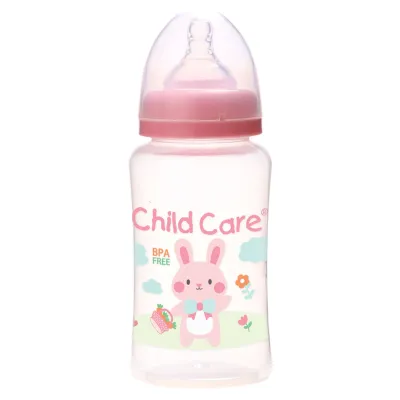

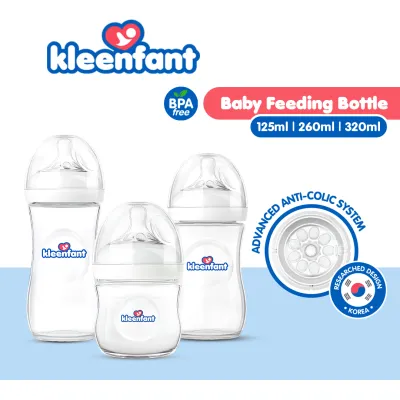
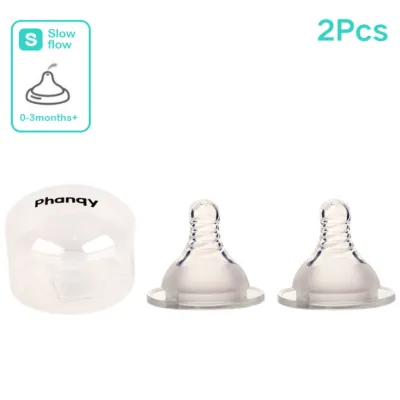
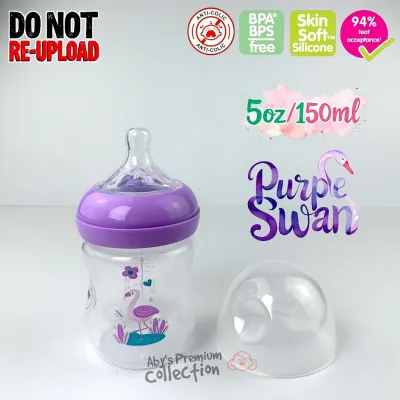
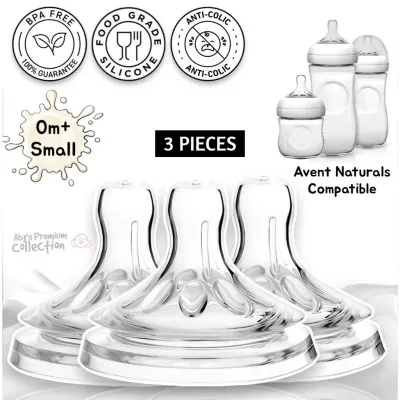
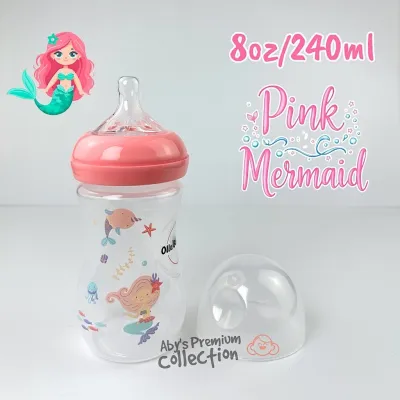
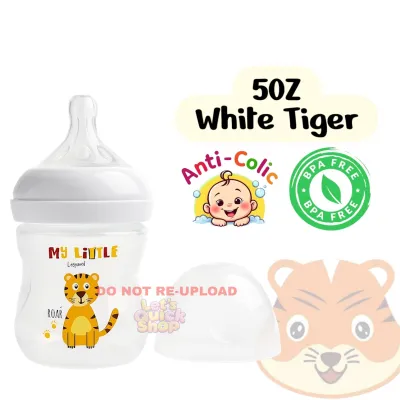
Prices are valid at publication and may change. Please refer to the product page for the latest price.
Plastic bottles are manufactured using various medical-grade or food-grade resins, most commonly polypropylene (PP), polyethersulfone (PESU), or polyphenylsulfone (PPSU). PP bottles are lightweight and highly affordable but tend to wear out faster. PESU and PPSU are premium plastics that offer higher heat resistance and a distinct honey-colored tint, making them more durable over repeated sterilization cycles.
Weight and grip play a significant role in daily comfort. Glass is noticeably heavier, which can tire your wrist during long late-night feeds and makes it difficult for a developing infant to hold independently. Silicone and plastic are lightweight, reducing hand fatigue and allowing babies to practice their grip as they grow.
Visual clarity is another practical factor to consider. Glass and high-grade plastics like PPSU offer excellent transparency, allowing you to read the measurement markings clearly even in low light. Silicone is semi-translucent or matte, which can sometimes make it slightly harder to verify exact milk levels at a glance, especially when measuring precise formula ratios.
Verifying Safety, Hygiene, and Sterilization Limits
Ensuring your baby’s bottle remains hygienic requires careful attention to material safety standards and sterilization limits. When shopping for plastic bottles, always look for explicit labels indicating they are free from Bisphenol A (BPA), Bisphenol S (BPS), and phthalates. These chemical compounds are restricted in modern baby products, but verifying these markings on the packaging or the bottle base remains an essential safety step.

Every material reacts differently to high temperatures, and exceeding these limits can cause rapid degradation. Borosilicate glass and high-quality silicone can withstand extreme heat, making them highly compatible with boiling water, steam sterilizers, and UV sterilizers. However, you should always check the manufacturer’s manual, as the plastic collars and caps of these bottles often have lower heat thresholds than the bottle bodies themselves.
Plastic bottles require the most vigilance regarding heat exposure. Standard PP plastics can warp or degrade if subjected to prolonged high temperatures, whereas PPSU can endure frequent sterilization without losing its structural integrity. If you use a UV sterilizer, verify whether your specific plastic bottle is rated for UV exposure, as some plastics can discolor or become brittle when repeatedly exposed to ultraviolet light.
Hygiene is also affected by physical wear. Over time, bottle brushes and abrasive cleaning can create micro-scratches on the inner surfaces of plastic and silicone bottles. These tiny crevices can harbor milk proteins and bacteria, making them difficult to sanitize completely. Glass is highly resistant to scratching, allowing it to maintain a smooth, hygienic surface even after months of vigorous scrubbing.
Weighing Durability and Daily Practicality
Evaluating how a bottle fits into your daily life requires looking at its durability under real-world conditions. In homes with tiled or concrete floors, which are common in tropical climates like the Philippines, dropping a glass bottle carries a high risk of shattering. Even thermal-shock-resistant glass can break if dropped from high-chair height onto a hard surface, creating a safety hazard in the kitchen or nursery.
Silicone and plastic bottles are virtually shatterproof, making them highly resilient against accidental drops. If you have an active household, travel frequently, or plan to send bottles to a daycare center, these impact-resistant materials offer peace of mind. They can survive being tossed into a diaper bag or knocked off a table without any risk of breaking.
Another practical consideration is how well each material resists odors and stains. Milk fats can easily cling to silicone and plastic, sometimes leaving a cloudy residue or a sour smell if the bottles are not washed immediately. Glass is non-porous, meaning it does not absorb odors, colors, or oils, ensuring that breast milk or formula always tastes fresh and clean.
For on-the-go feeding, weight is a major factor. Packing multiple glass bottles for a day trip can make your diaper bag heavy and cumbersome. Plastic and silicone bottles are lightweight and compact, making them the preferred choice for travel, outdoor errands, or commuting in warm, humid weather where carrying extra weight adds to physical discomfort.
Matching the Material to Your Baby’s Developmental Stage
Your baby’s age and physical development should guide your choice of wide neck feeding bottle. During newborn and early infancy stages, parents do all the holding and feeding. At this point, glass is an excellent option because you can easily manage the weight, and the high clarity ensures you measure exact feeding amounts, which is crucial for tracking a newborn’s intake.
As your baby reaches six months and begins developing fine motor skills, they will naturally want to hold the bottle themselves. This transition to self-feeding is when lightweight, shatterproof materials like silicone and plastic become highly advantageous. A baby can easily lift a lightweight plastic or silicone bottle without straining their wrists or dropping a heavy object onto their face.
The wide neck design itself offers ergonomic benefits for growing hands. The wider diameter is easier for small fingers to wrap around compared to narrow-neck bottles. Silicone bottles, with their soft and squeezable texture, provide tactile feedback that can help babies develop their grip strength and hand-eye coordination during independent feeding sessions.
Establishing a Care, Inspection, and Replacement Routine
Proper maintenance is essential to extend the lifespan of your wide neck feeding bottle and keep your baby safe. Wide neck designs are generally easier to clean because the wide opening allows bottle brushes to reach the bottom easily. However, you must pay close attention to the screw threads around the neck and the collar, as milk residue can easily accumulate in these tight spaces and encourage mold growth in humid environments.
Develop a habit of inspecting every bottle before assembly. For glass bottles, run your fingers along the rim and threads to check for hairline cracks or chips that could injure your baby’s mouth or hands. For silicone and plastic bottles, feel the inner and outer surfaces for any signs of stickiness, rough patches, or deep scratches that indicate the material is breaking down.
Do not rely solely on a calendar to decide when to replace your bottles; instead, let the physical condition of the material guide you. Plastic bottles generally need replacement every three to six months, or sooner if they become cloudy, heavily scratched, or deformed. Silicone bottles should be replaced if they become sticky, discolored, or develop a persistent odor that washing cannot remove. Glass bottles can last indefinitely, provided they remain free of chips, cracks, and deep scratches.
Frequently Asked Questions (FAQ)
Can I mix different bottle materials for my baby?
Yes, mixing different bottle materials is a practical way to adapt to different situations, such as using glass at home and lightweight plastic or silicone when traveling. However, you should ensure that the nipple shape, size, and flow rate remain consistent across all bottles to prevent nipple confusion or feeding frustration. Keep in mind that a mixed inventory means managing different sterilization limits and care routines for each material.
How do I verify if a plastic wide neck bottle is genuinely safe?
To verify the safety of a plastic bottle, check the bottom of the container for official plastic recycling codes, such as code 5 (PP) or specialized markings for PPSU and PESU. Look for certified safety labels from recognized testing bodies on the packaging. Avoid purchasing unbranded or exceptionally cheap bottles from unverified online marketplaces, as these may not comply with local safety regulations.
Does silicone degrade or absorb odors over time?
Silicone is highly durable but can absorb milk fats and food odors over time due to its slightly porous nature. To prevent this, wash silicone bottles immediately after use with warm, soapy water and a soft sponge. If a bottle develops a stubborn odor, boiling it in clean water or soaking it in a mixture of warm water and baking soda can help lift the trapped oils and restore a neutral scent.
Community discussion
Share your experience or ask a question. Comments are reviewed before publication.