
The safest baby bottle material for your newborn depends on how you manage sterilization, daily handling, and replacement schedules in your household. There is no single material that is universally superior; instead, glass, plastic, and silicone each offer distinct safety profiles and practical trade-offs. Glass provides excellent chemical stability but carries a risk of breakage. Plastic is lightweight and shatterproof but degrades over time and requires careful monitoring of polymer types. Silicone offers a flexible, breast-like feel and high heat tolerance but can absorb odors if not cleaned promptly.
To make the best choice, you must evaluate these materials against your daily routine, sterilization equipment, and budget. Many parents find that assembling a mixed baby bottle set, such as a baby ron bottle set or similar multi-material packages, allows them to leverage the unique benefits of each material for different feeding scenarios. Ultimately, safety is maintained not just by the material itself, but by how carefully you follow the manufacturer’s instructions for cleaning, sterilization, and replacement.
Verifying Safety Labels and Material Standards
When shopping for a baby bottle set, your first step should always be to verify the safety labels and material standards printed on the physical packaging. Do not rely solely on generic material names or marketing claims on online marketplaces. Look for explicit certifications indicating that the product is food-grade and completely free from Bisphenol A (BPA) and Bisphenol S (BPS). These chemical compounds, historically used in some plastics, can mimic hormones and are widely restricted in modern infant feeding products.
Products mentioned in this guide
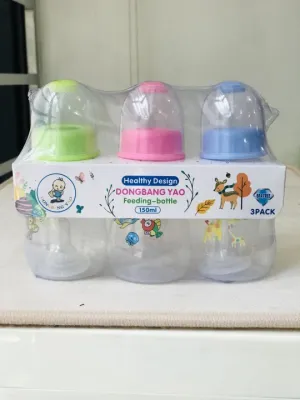
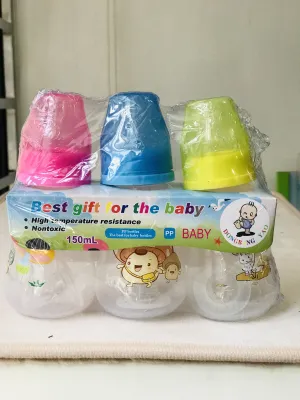
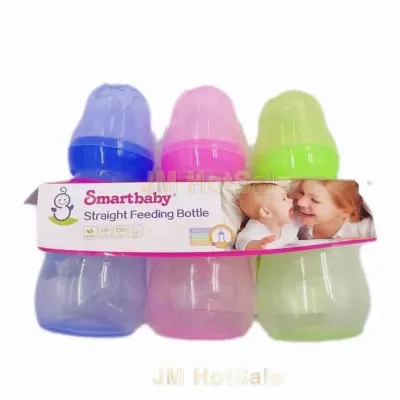
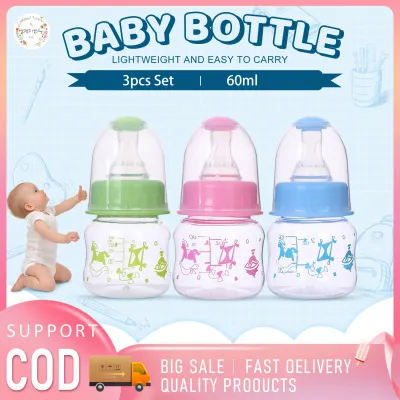
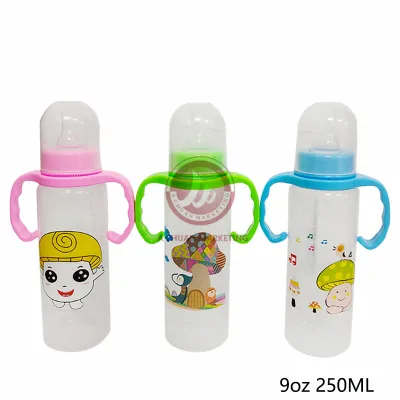
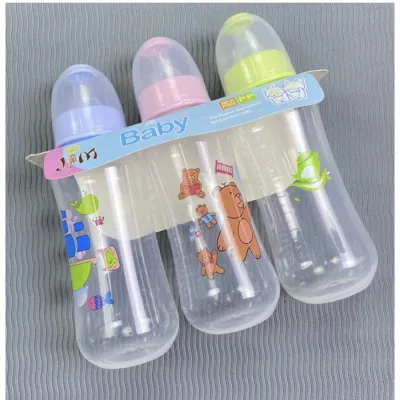
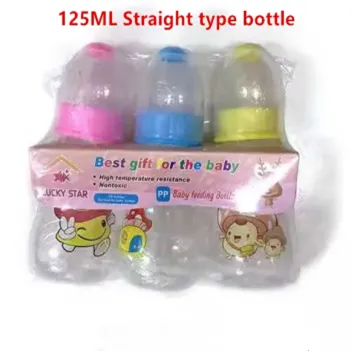
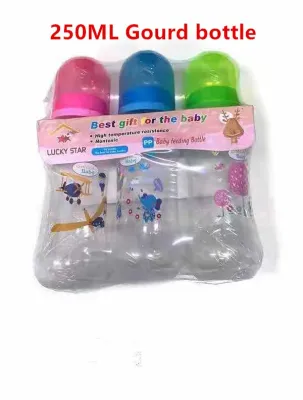
Prices are valid at publication and may change. Please refer to the product page for the latest price.
Material safety is also closely tied to how a bottle reacts to heat. In tropical climates like the Philippines, where high humidity can encourage rapid bacterial growth on damp surfaces, thorough sterilization is a daily necessity. You must check the manufacturer’s documentation to ensure the bottle material can withstand your preferred sterilization method, whether that involves boiling water, electric steam sterilizers, or ultraviolet (UV) light sanitizers. Some materials degrade quickly under UV light, while others may warp in boiling water if they exceed their rated temperature limits.
Additionally, always verify the manufacturer’s specified age and flow-rate recommendations. A bottle body might be highly durable, but the accompanying nipple must match your newborn’s developmental stage. Newborns require an extra-slow or slow-flow nipple to prevent choking and gas. Before purchasing any bottle set, confirm that the brand offers compatible, age-appropriate nipples that can be easily swapped as your baby grows.
Glass Bottles: Weighing Hygiene Against Physical Risks
Glass bottles are highly regarded for their exceptional chemical stability and hygienic properties. Because glass is non-porous, it does not absorb odors, colors, or milk fats, making it incredibly easy to clean thoroughly. When subjected to high temperatures during boiling or steam sterilization, high-quality borosilicate glass remains completely stable, meaning you do not have to worry about chemical leaching or material degradation over time.

However, the primary trade-off with glass is its physical weight and fragility. Sleep-deprived parents handling midnight feedings in a dimly lit room may find heavy glass bottles difficult to grip, increasing the risk of accidental drops. In a busy household, especially one with active toddlers or tiled floors common in many homes, a dropped glass bottle can shatter instantly, creating an immediate safety hazard. You must always inspect glass bottles before every feed for hairline cracks, chips, or scratches, and discard any damaged bottle immediately.
To mitigate these physical risks, many manufacturers offer compatible silicone sleeves. These protective covers slip over the glass body, providing a non-slip grip for caregivers and cushioning the impact if the bottle is dropped. If you choose to build your newborn’s feeding system around glass, investing in protective sleeves is a highly practical step to balance the material’s hygiene benefits with daily safety.
Plastic Bottles: Identifying Polymer Types and Replacement Signals
Plastic baby bottles are popular because they are lightweight, highly affordable, and virtually shatterproof. However, not all plastics are created equal, and you must learn to identify the specific polymer types used in your bottle set. Turn the bottle over and check the resin identification code or the manufacturer’s label on the base. The most common plastics used today are Polypropylene (PP), Polyphenylsulfone (PPSU), and Polyethersulfone (PES).
PP bottles are highly common and budget-friendly, but they have a lower heat tolerance and tend to degrade faster under frequent sterilization, often becoming cloudy or scratched within a few months. PPSU and PES are medical-grade plastics that offer much higher heat resistance and durability, retaining their clarity and structural integrity through hundreds of sterilization cycles. While PPSU bottles are more expensive initially, their longer lifespan often makes them a more cost-effective choice for long-term use.
Regardless of the plastic type, you must establish clear visual cues for when to replace these bottles. Over time, plastic naturally degrades from exposure to heat, milk fats, and cleaning agents. Inspect the bottles regularly and discard them immediately if you notice persistent cloudiness, micro-scratches, discoloration, or stubborn odors. To prevent premature wear, avoid using abrasive wire brushes or harsh scrubbing pads during cleaning, as these create tiny scratches where bacteria can easily accumulate and multiply.
Silicone Bottles: Evaluating Flexibility and Cleaning Requirements
Silicone has emerged as a highly versatile material for newborn feeding, offering a unique middle ground between glass and plastic. Made from food-grade or medical-grade silicone, these bottles are soft, squeezable, and lightweight. The flexible texture of a silicone bottle can closely mimic the natural feel of breastfeeding, which some parents find helpful when transitioning their newborn between breast and bottle.
Because silicone is highly heat-resistant, it can safely undergo boiling, steam sterilization, and dishwashing without warping or releasing harmful chemicals. It is also exceptionally durable and will not shatter like glass or crack like plastic when dropped. However, silicone is a semi-porous material, meaning it has a natural tendency to retain milk odors and oils if it is not cleaned promptly and thoroughly after each feeding session.
To maintain proper hygiene, you must pay close attention to the cleaning requirements of silicone bottles. Some designs allow you to turn the flexible bottle body completely inside out, making it easier to scrub away stubborn milk residue from the inner crevices. Always use a gentle, fragrance-free dish soap designed specifically for baby products, and ensure the bottle is completely dry before assembly to prevent moisture from being trapped in the soft collar or nipple attachment.
Assembling a Practical Baby Bottle Set for Your Newborn
When building your newborn’s feeding toolkit, you do not have to limit yourself to a single material. A mixed-material approach is often the most practical strategy for balancing safety, convenience, and your daily budget. For example, you might choose to use heavy glass bottles for daytime feedings at home, where you have a stable setup and easy access to your sterilizer. For night feeds, travel, or when grandparents and babysitters are helping, switching to lightweight plastic or silicone bottles can significantly reduce the risk of drops and spills.
If you are looking at pre-packaged options like a baby ron bottle set or other multi-bottle starter kits, carefully review the contents to ensure they align with your newborn’s immediate needs. A good starter set should include a mix of bottle sizes, typically starting with smaller 4-ounce (approx. 120ml) bottles for the first few weeks, alongside compatible slow-flow nipples. Ensure that any brand you choose has a reliable supply of replacement nipples, as these must be replaced more frequently than the bottles themselves.
Budgeting for your bottle set requires balancing the initial purchase price with long-term replacement costs. In the Philippines, a high-quality glass bottle or a premium PPSU bottle may cost anywhere from ₱400 to over ₱1,000 per piece, while standard PP bottles are much more affordable, often priced between ₱150 and ₱300. While PP bottles save money upfront, remember that they will need to be replaced much sooner if they show signs of wear. Allocating your budget toward a few durable glass or PPSU bottles for core daily use, supplemented by a couple of affordable silicone or PP bottles for travel, creates a highly functional and safe feeding system.
Frequently Asked Questions (FAQ)
Can I mix different bottle materials in one set?
Yes, mixing different bottle materials in a single feeding set is entirely safe and highly practical, provided that all bottles meet food-grade safety standards and are free from BPA. Many parents successfully use glass bottles at home for their superior hygiene and switch to lightweight silicone or plastic bottles when on the go. The key is to ensure that you use compatible nipple systems that fit securely on each bottle type to prevent leaks. Additionally, you must keep track of the specific sterilization and warming limits for each material, as plastic, glass, and silicone react differently to high heat and UV exposure.
How often should I replace plastic or silicone bottles?
Rather than following a strict calendar timeline, you should replace plastic and silicone bottles based on their physical condition and the manufacturer’s specific guidelines. Generally, standard PP plastic bottles should be replaced every 3 to 6 months, or immediately if you observe micro-scratches, persistent cloudiness, warping, or a lingering sour odor. High-durability plastics like PPSU and food-grade silicone can last longer, but they still require regular inspection. Always check the manufacturer’s lifespan recommendations printed on the packaging, and immediately retire any bottle that shows signs of material degradation, stickiness, or structural wear to ensure your newborn’s feeding safety.
Community discussion
Share your experience or ask a question. Comments are reviewed before publication.