
Glass is the easiest baby bottle material to clean and sterilize from a purely hygienic standpoint because its non-porous, scratch-resistant surface prevents milk fats and bacteria from clinging. However, the overall easiest material for your household depends on your daily routine, sterilization equipment, and handling preferences. While glass offers excellent durability against high heat, lightweight plastic and flexible silicone present distinct practical advantages for busy parents, especially when managing frequent feedings in warm, humid climates.
In tropical environments like the Philippines, high humidity can accelerate the growth of mold and bacteria on damp surfaces. This makes the choice of baby bottle material and your subsequent cleaning routine critical. Every wash must effectively strip away stubborn breast milk or formula residues, which contain fats and proteins that easily cling to container walls. Understanding how glass, plastic, and silicone interact with water, heat, and cleaning tools is the first step toward establishing a seamless, hygienic kitchen workflow.
Understanding Material Properties for Bottle Hygiene
To evaluate how baby bottles perform during daily maintenance, we must look at three primary material characteristics: surface porosity, heat tolerance, and residue retention. Porosity refers to how smooth a material is at a microscopic level. A highly porous or easily scratched surface provides microscopic pockets where milk proteins, fats, and water can hide, creating breeding grounds for bacteria. Scratch resistance is therefore directly tied to long-term hygiene, as even minor abrasions from cleaning brushes can compromise a bottle’s cleanliness.
Products mentioned in this guide
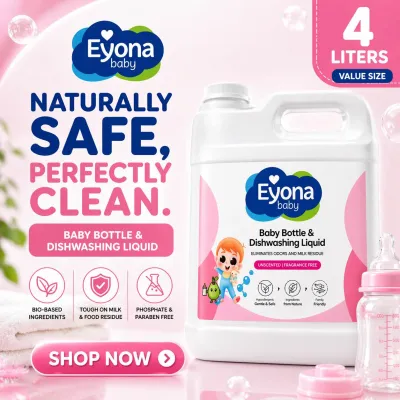
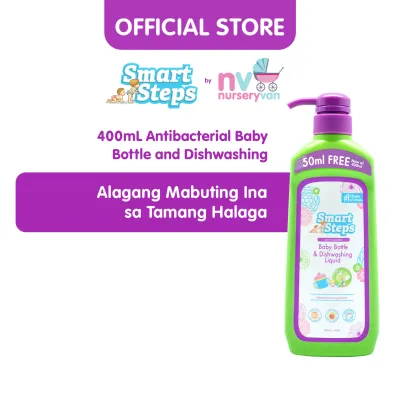
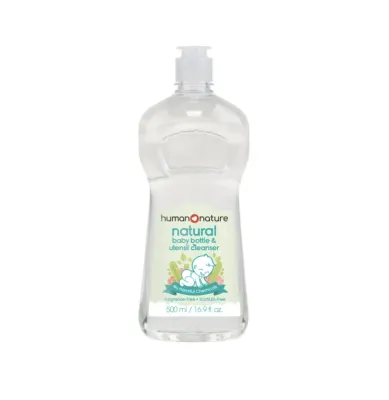
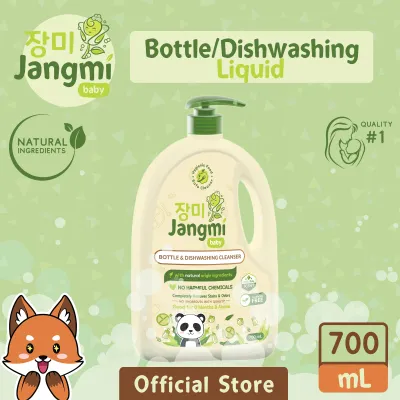
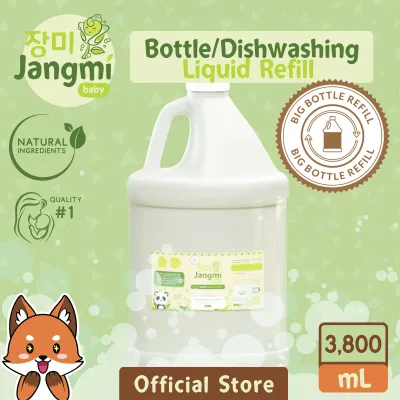
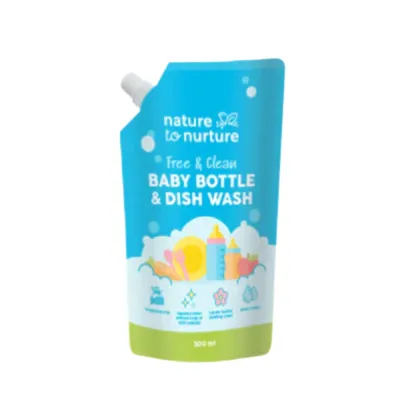
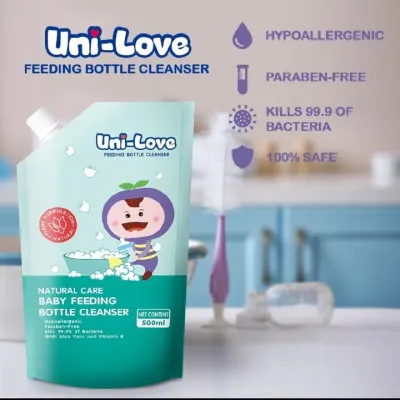
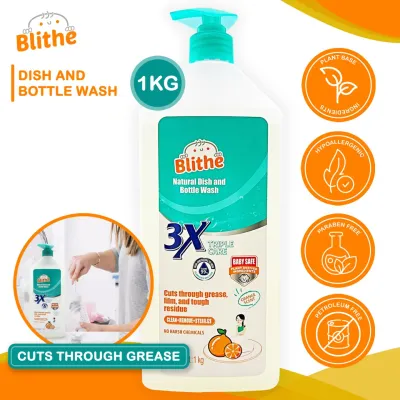
Prices are valid at publication and may change. Please refer to the product page for the latest price.
Heat tolerance is another crucial factor, determining which sterilization methods are safe to use. Sterilization typically relies on high temperatures—via boiling water, electric steam sterilizers, or microwave steam bags—to eliminate pathogens. Some materials can withstand repeated exposure to extreme heat without degrading, while others may warp, soften, or release unwanted chemical compounds over time. Additionally, the rise of ultraviolet (UV) sterilizers introduces another variable, as certain materials degrade or discolor faster under UV light than others.
Finally, the tendency to retain odors, stains, and milk fat residues varies significantly across materials. Breast milk and infant formula are complex emulsions of fats and proteins. When these liquids sit in a bottle, the fats can bind to the container’s inner walls. If the material has an affinity for oils, removing this greasy film requires more effort, stronger detergents, and hotter water. Over time, this residue can lead to persistent sour odors and cloudy discoloration, signaling that the bottle is no longer pristine.
Glass Baby Bottles: Cleaning and Sterilization Profile
Glass has long been the gold standard for hygiene-conscious parents due to its completely non-porous surface. Unlike other materials, high-quality borosilicate glass resists scratching even when scrubbed vigorously with stiff-bristled brushes. This means there are no microscopic grooves where bacteria or milk fat can hide, allowing the bottle to rinse completely clean with minimal effort. Glass bottles do not absorb odors or colors, meaning a bottle used for months will remain as clear and fresh-smelling as the day it was purchased.

When it comes to sterilization, glass offers exceptional versatility. It can easily withstand the high temperatures of boiling water, electric steam, and microwave sterilizers without any risk of warping or chemical leaching. For parents using UV sterilizers, glass is highly compatible because it does not degrade or discolor under ultraviolet light. This high thermal and chemical stability makes glass the most straightforward material to sanitize, as caregivers do not need to worry about temperature limits or specialized sterilization cycles.
However, the primary drawback of glass lies in its physical handling and weight. Glass bottles are significantly heavier than plastic or silicone alternatives, which can cause hand fatigue during long washing sessions at the sink. They are also slippery when wet and prone to breaking or chipping if dropped onto hard kitchen tiles. This risk requires caregivers to exercise extra caution during washing and sterilization, and it means glass bottles are generally less suitable for older babies who are learning to hold their own bottles.
Plastic Baby Bottles: Cleaning and Sterilization Profile
Plastic baby bottles, typically made from polypropylene (PP) or polyethersulfone (PESU), are highly popular due to their lightweight and shatterproof nature. These qualities make them incredibly easy to handle during late-night washing sessions and convenient to pack in a diaper bag for outings. If a plastic bottle slips from soapy hands into the sink or onto the floor, there is no risk of dangerous glass shards, making them a highly practical choice for busy households and self-feeding infants.
Despite their convenience, plastic bottles present unique cleaning challenges over time. Plastic is a relatively soft material that is highly susceptible to micro-scratches from abrasive cleaning brushes or even rough handling. These tiny scratches can harbor milk residues and bacteria, making the bottle increasingly difficult to clean thoroughly. Furthermore, plastic has a natural affinity for fats, meaning breast milk and formula oils tend to cling to the inner walls, often requiring multiple washes with warm water and specialized soap to remove the greasy film.
Sterilizing plastic bottles also requires careful attention to manufacturer guidelines. While PESU plastics generally offer higher heat resistance, standard PP bottles can warp or degrade if exposed to excessive heat or left in boiling water for too long. Additionally, prolonged exposure to steam or UV light can cause plastic bottles to become cloudy, yellowed, or brittle over time. Caregivers must regularly inspect plastic bottles for signs of wear, such as deep scratches, persistent cloudiness, or a sticky texture, and verify the specific temperature limits printed on the product packaging.
Silicone Baby Bottles: Cleaning and Sterilization Profile
Silicone baby bottles represent a modern middle ground, offering a flexible, soft texture that mimics the feel of breastfeeding while remaining completely shatterproof. This flexibility makes them unique to clean; caregivers can often squeeze or invert the bottle body to reach tight corners without needing specialized tools. The seamless, wide-neck designs common in silicone bottles also eliminate the hard-to-reach crevices where milk residue typically accumulates, simplifying the manual washing process.
In terms of hygiene, food-grade silicone is non-porous and naturally resistant to the growth of mold and bacteria. It does not scratch as easily as plastic, meaning it maintains a smooth inner surface over extended use. Silicone also has excellent resistance to odors and stains, preventing the sour milk smell that can plague older plastic bottles. However, the exterior of silicone bottles can sometimes have a slightly tacky texture that attracts dust, lint, or pet hair, requiring a quick rinse before use.
Sterilization is generally straightforward for silicone, as the material possesses high thermal stability. Most silicone bottles can safely undergo boiling, steam sterilization, and UV sanitization. However, because silicone bottles often feature plastic collars, rings, or bases to provide structural support, caregivers must not assume the entire assembly shares the same heat tolerance. It is essential to disassemble the bottle completely and verify the sterilizer compatibility of each individual component on the product packaging to prevent warping the plastic parts.
Choosing the Right Material for Your Washing Routine
Selecting the right baby bottle material involves matching the physical properties of each option with your daily household workflow and available equipment. If your primary goal is absolute hygiene, long-term durability, and compatibility with any sterilization method, glass is the clear winner. It is ideal for parents who do not mind the extra weight and are comfortable handling fragile items at the sink. Glass is also highly cost-effective in the long run, as the bottles do not need to be replaced unless they chip or break.
If your daily routine demands lightweight convenience, portability, and a budget-friendly setup, plastic bottles are highly practical. They are excellent for travel, daycare, and active households where drops are inevitable. However, choosing plastic means committing to a gentler washing routine to prevent scratches and accepting that the bottles will need to be replaced more frequently as they show signs of wear.
For those seeking a balance between the durability of glass and the safety of plastic, silicone is an excellent alternative. Its flexible, unbreakable design is highly suitable for older babies, and its resistance to scratches and odors simplifies long-term maintenance. When choosing silicone, ensure your sterilization setup accommodates both the flexible silicone body and the rigid plastic components that hold the bottle together.
Regardless of the material you choose, always consult the manufacturer’s instructions for specific care guidelines, temperature limits, and recommended replacement timelines. Regularly inspecting your baby’s bottles for physical damage, discoloration, or structural changes is the most reliable way to ensure a safe and hygienic feeding experience.
Essential Tools for Your Baby Dishwashing Bottle Routine
To maintain the highest standards of hygiene, establishing a proper baby dishwashing bottle routine is essential, and the tools and techniques you use are just as important as the bottle material itself. A dedicated bottle brush is an indispensable tool for reaching the bottom and curved shoulders of the bottle. For plastic and silicone bottles, a soft silicone brush or a sponge-tipped brush is highly recommended, as stiff nylon bristles can create micro-scratches on softer surfaces. Glass bottles can handle firmer bristle brushes, but a gentle touch is still advised to prevent accidental slips.
Using a dedicated baby bottle cleanser is crucial for breaking down the stubborn fats and proteins found in breast milk and formula. Standard household dishwashing liquids often contain strong fragrances and harsh chemicals that can leave a residue or a strong scent on the bottle, which might cause a baby to reject their feed. A mild, fragrance-free cleanser formulated specifically for baby products will effectively cut through grease without leaving harmful residues behind.
In warm and humid climates, such as in the Philippines, proper drying is a critical step that must not be overlooked. Leaving wet bottles in a closed, damp space can encourage the growth of mold and bacteria. After washing and sterilizing, place all bottle parts—including nipples, collars, and caps—on a clean, elevated drying rack in a well-ventilated area. Allow them to air-dry completely before assembly or storage. Avoid using kitchen towels to dry the bottles, as towels can transfer lint and bacteria back onto the clean surfaces.
Frequently Asked Questions (FAQ)
Can I put all baby bottles in the dishwasher?
Not all baby bottles are safe for the dishwasher, and suitability depends heavily on the material and manufacturer guidelines. While most glass bottles and high-quality silicone bodies can withstand the heat and water pressure of a dishwasher cycle, they should always be placed on the top rack to avoid direct contact with heating elements. Many plastic bottles are also top-rack dishwasher safe, but repeated exposure to harsh dishwasher detergents and high heat can accelerate their degradation. Always check the individual product packaging or the manufacturer’s website before placing any bottle components in the dishwasher, and ensure small parts like nipples and valves are secured in a dishwasher-safe basket.
How often should I replace plastic or silicone baby bottles?
The replacement timeline for baby bottles varies by material and how frequently they are used and sterilized. Generally, plastic bottles should be replaced every three to six months, or immediately if you observe deep scratches, persistent cloudiness, discoloration, or a sticky residue that does not wash away. Silicone bottles are more durable and can last longer, but they should be replaced if they show signs of tearing, cracking, or structural softening. Glass bottles do not have a set expiration date and can be used indefinitely, provided they are completely free of chips, cracks, or deep scratches. Nipples of all materials should be inspected regularly and replaced every two to three months, or sooner if they become sticky, discolored, or show signs of wear.
Do I need to sterilize baby bottles after every wash?
Sterilization frequency depends largely on your baby’s age, health status, and your local water quality. For newborns, premature infants, or babies with weakened immune systems, daily sterilization after every wash is highly recommended to protect them from harmful pathogens. As your baby grows older, typically around six months of age, and begins exploring their environment by putting toys and other objects in their mouth, daily sterilization becomes less critical. At this stage, washing thoroughly with hot, soapy water and a dedicated bottle brush is generally sufficient for daily maintenance, though periodic sterilization—such as once a week or after a period of illness—remains a good practice. Always consult your pediatrician for personalized guidance based on your baby’s specific health needs.
Community discussion
Share your experience or ask a question. Comments are reviewed before publication.