
Quick Answer: Is Glass Safe for Baby Food Storage?
Glass is generally considered one of the safest, most hygienic materials you can choose for storing homemade baby food. Because glass is chemically inert, it does not leach harmful chemicals or microplastics into your baby’s meals, even when subjected to high heat. This makes it an excellent choice for parents looking to preserve the nutritional value of purees and keep food free from synthetic contaminants.
However, the safety of glass depends heavily on selecting the correct type of glass and following proper handling practices. Standard glass can easily crack or shatter under physical impact or sudden temperature swings, presenting a physical hazard in your kitchen. To ensure absolute safety, you must use thermal-shock-resistant glass, inspect containers regularly for damage, and verify that the accompanying lids and silicone seals are certified food-grade and BPA-free.
Why Parents Choose Glass Over Plastic
When preparing homemade baby food, such as mashed squash, sweet potato, or pureed chayote, the storage material you choose plays a significant role in food safety. Many parents are actively moving away from plastic containers due to concerns over chemical stability. Glass is naturally free from bisphenol A (BPA), bisphenol S (BPS), phthalates, and other plasticizers. When you reheat baby food in plastic, even those labeled as “microwave-safe,” there is a risk of chemical compounds and microplastics leaching into the warm food. Glass eliminates this worry entirely, providing a chemically stable environment that keeps your baby’s meals pure.
Products mentioned in this guide
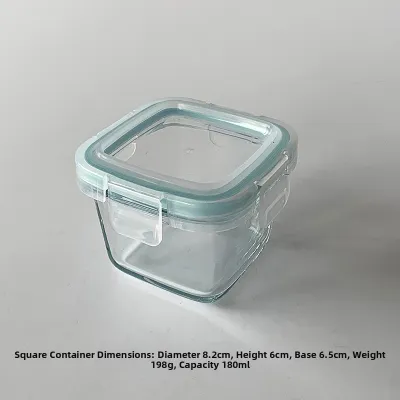
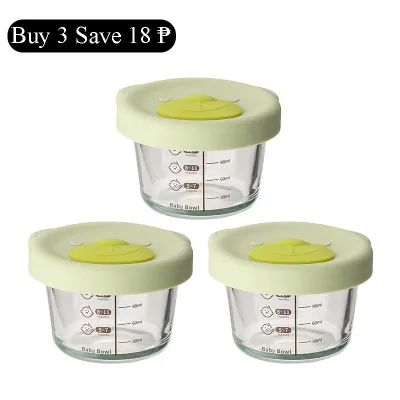
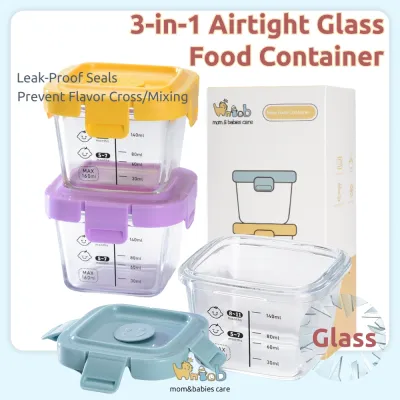
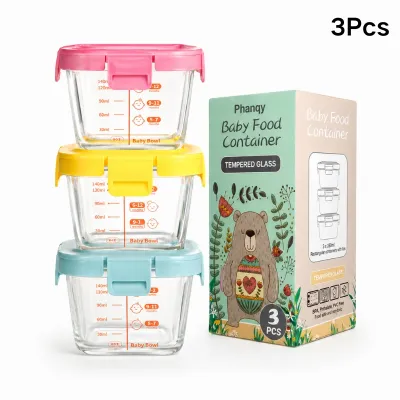
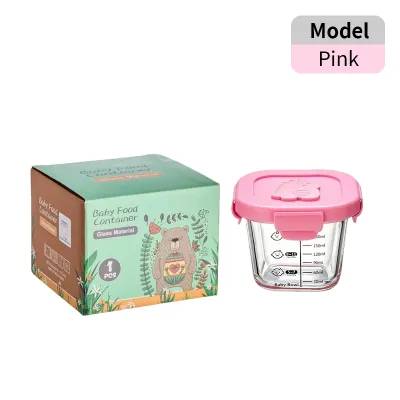
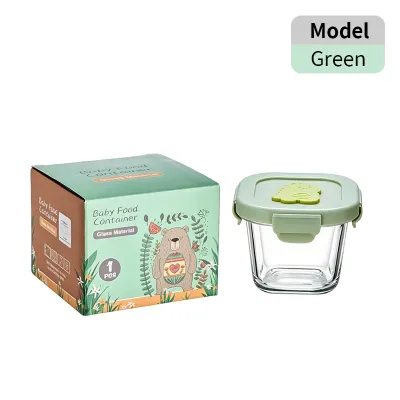
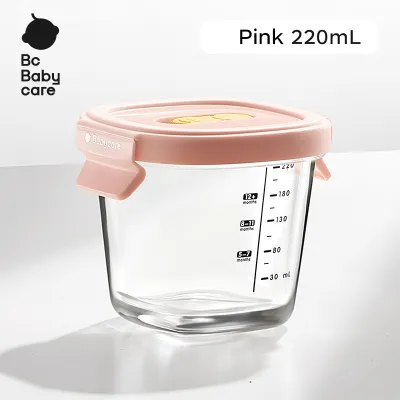
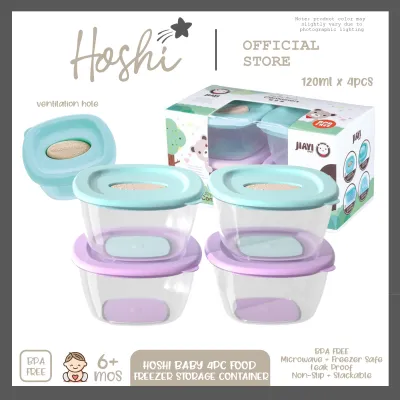
Prices are valid at publication and may change. Please refer to the product page for the latest price.

Another major advantage of glass is its non-porous surface. If you have ever stored carrot or tomato puree in a plastic container, you have likely noticed the stubborn orange stains and lingering smells that refuse to wash out. In the warm, humid climate of the Philippines, trapped organic matter in porous materials can quickly become a breeding ground for bacteria and mold. Glass does not absorb food pigments, oils, or odors. A glass container used for a savory fish and vegetable mash one day can be thoroughly washed and used for a delicate fruit puree the next, with absolutely no flavor transfer.
Furthermore, glass offers superior long-term hygiene and durability. Plastic containers scratch easily during washing or when scraped with baby spoons. These tiny micro-scratches are ideal hiding spots for bacteria, making thorough sanitization difficult. Glass resists scratching and does not degrade, warp, or cloud over time, even after hundreds of cycles in a steam sterilizer, UV sterilizer, or boiling water. While high-quality glass containers require a higher initial investment—often ranging from ₱150 to ₱500 per container depending on the brand and size—their durability means they can easily last through your baby’s entire weaning phase and be repurposed for future siblings.
Physical and Thermal Risks to Watch Out For
Despite its many benefits, glass is not entirely without risks. The most obvious hazard is physical breakage and shattering. A dropped glass container on a hard kitchen tile floor will break, creating sharp shards that pose a severe hazard in a home with crawling babies or active toddlers. When feeding your baby, always keep glass containers out of their reach. If your child is transitioning to self-feeding or likes to throw utensils and bowls from their high chair, transfer the food to a soft, food-grade silicone bowl before serving, rather than feeding them directly from the glass storage jar.
Thermal shock is another critical physical risk that parents must understand. Glass expands when heated and contracts when cooled. If this temperature change occurs too rapidly, the internal stress causes the glass to crack or violently shatter. For example, taking a glass container straight from a cold freezer and placing it directly into a hot microwave or a pot of boiling water is a recipe for thermal shock. Even pouring boiling water into a room-temperature glass jar can cause a fracture if the glass is not rated for high-temperature transitions.
You must also remember that a glass container is only as safe as its lid and sealing components. While the glass body itself is inert, the lids are typically made of plastic or silicone to ensure a tight seal. When purchasing, you must check the manufacturer’s specifications to confirm that the lids, hinges, and removable silicone gaskets are completely BPA-free, phthalate-free, and certified food-grade. In tropical climates, moisture can easily get trapped beneath removable silicone seals, leading to hidden mold growth. Inspect and clean these seals after every use.
Lastly, consider the physical weight of glass. Glass is significantly heavier than plastic, silicone, or stainless steel. This added weight makes carrying multiple containers in a diaper bag during outdoor trips or family visits quite heavy. It also increases the impact force if a container is accidentally dropped. Caregivers, especially grandparents or nannies, should handle these containers with care to avoid wrist fatigue or accidental drops during meal preparation.
Key Features to Look for in Glass Baby Containers
To maximize safety and convenience, you should look for specific design features when shopping for a baby glass container. The most critical factor is the type of glass used.
Glass Type Borosilicate glass is highly recommended for baby food storage. It contains boron trioxide, which makes it extremely resistant to thermal shock. This means you can safely transition it from cold to hot environments with a much lower risk of cracking. Tempered glass or soda-lime glass is more physically durable and resistant to impact if dropped, but it is highly sensitive to rapid temperature changes. Always check the product packaging or manufacturer’s website to verify the glass type and its specific temperature limits.
Seal and Leak-Proof Design Look for containers featuring secure, snap-locking lids with integrated silicone gaskets. A reliable, airtight seal prevents air from entering, which preserves the nutrients in the baby food and prevents spoilage in hot, humid weather. It also prevents messy leaks when you are traveling or carrying purees in your diaper bag.
Shape and Opening Opt for wide-mouth containers with straight or gently flared walls. A wide opening makes it incredibly easy to spoon out food, fill the container without spilling, and clean every interior corner thoroughly. Avoid jars with narrow necks or deep, hard-to-reach crevices where food residue can hide and spoil.
Measurement Markings Choose containers that feature clear, embossed, or printed measurement markings in both milliliters (ml) and ounces (oz). These markings are incredibly helpful for tracking exactly how much your baby is eating at each stage of development. It also helps you portion out meals accurately, reducing food waste.
How to Safely Heat, Freeze, and Clean Glass Containers
Proper maintenance and handling are essential to keep your glass containers in pristine, safe condition. By following a few simple steps, you can prevent accidents and extend the lifespan of your storage set.
Safe Temperature Transitions To avoid thermal shock, always thaw frozen glass containers gradually. The safest method is to transfer the container from the freezer to the refrigerator the night before you plan to use it. Alternatively, you can place the frozen container under cool or lukewarm running water to take the chill off before heating. Never place a cold glass container directly into a preheated oven, air fryer, steam sterilizer, or microwave.
Freezing Guidelines When freezing purees, always leave at least one inch of headspace at the top of the container. Food, especially liquid-heavy purees, expands as it freezes. If a container is filled to the brim, the expanding food will exert immense pressure on the glass walls, causing the container to crack in the freezer.
Routine Inspection Make it a habit to inspect each container before and after every use. Hold the glass up to the light to check for hairline cracks, chips around the rim, or deep scratches. If you detect even the slightest damage, discard the container immediately. Micro-cracks can fail catastrophically during heating or sterilization, or deposit tiny, invisible glass shards into your baby’s food.
Cleaning and Sterilization Always verify the manufacturer’s cleaning instructions. While most glass containers are dishwasher-safe, placing plastic lids on the top rack prevents them from warping due to the heating element at the bottom. If you sterilize glass containers in boiling water, place a silicone mat or a wire rack at the bottom of the pot. This prevents the glass from making direct contact with the hot metal bottom of the pot, which can cause localized overheating and cracking.
Frequently Asked Questions (FAQ)
Can I freeze homemade baby food in standard glass jars?
Only use glass jars that are explicitly labeled as freezer-safe by the manufacturer. Standard glass jars, such as those used for pasta sauces or mason jars not rated for freezing, are often made of soda-lime glass with uneven wall thickness. These jars are highly prone to cracking or shattering under the pressure of expanding frozen food. If you do use rated freezer-safe jars, always leave a generous headspace of at least one inch and avoid tightening the lid completely until the food is fully frozen.
Is it safe to reuse commercial baby food glass jars for homemade storage?
It is generally not recommended to reuse commercial, store-bought baby food jars for long-term home storage, freezing, or reheating. These jars are designed as single-use packaging and are made of thin, non-tempered glass. They are highly susceptible to thermal shock and can easily chip or crack when subjected to home sterilization, freezing, or microwaving. For the safety of your child, invest in purpose-built, reusable glass baby food containers designed to withstand repeated heating, freezing, and sanitizing cycles.
Community discussion
Share your experience or ask a question. Comments are reviewed before publication.