
Finding the gentlest biodegradable baby wipes in the Philippines is not about searching for a single, universally perfect brand. Instead, it requires matching the wipe’s specific formulation to your baby’s unique skin triggers. While the term “biodegradable” indicates that the fabric material is designed to break down naturally, the gentleness of the wipe depends entirely on the liquid solution it holds.
To identify the most suitable option for sensitive skin, prioritize water-based formulas with minimal ingredients and verified dermatological testing. Because product availability fluctuates across local supermarkets, specialty baby boutiques, and online marketplaces, parents must learn to read packaging labels directly rather than relying solely on brand popularity.
Ingredients to Avoid and Seek for Sensitive Skin
Infant skin is significantly thinner and more permeable than adult skin, making it highly susceptible to chemical irritants. When evaluating biodegradable baby wipes, the ingredient list printed on the packaging is your primary line of defense. Knowing which components to avoid and which to seek can help prevent painful diaper rashes and contact dermatitis.
Products mentioned in this guide
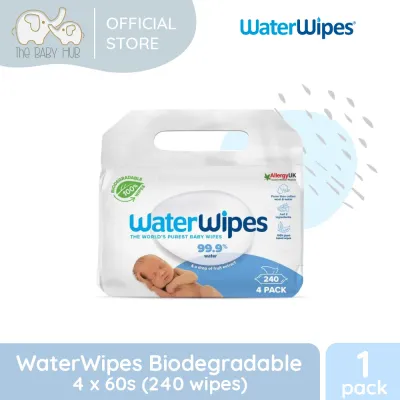
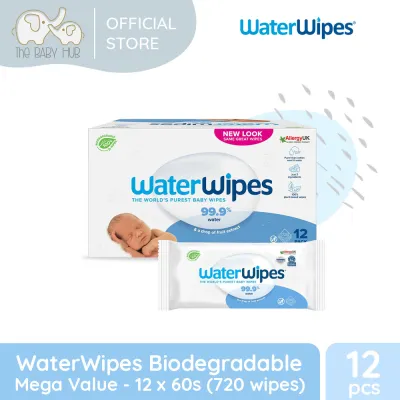
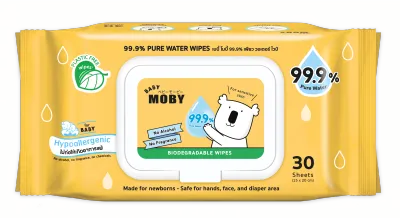
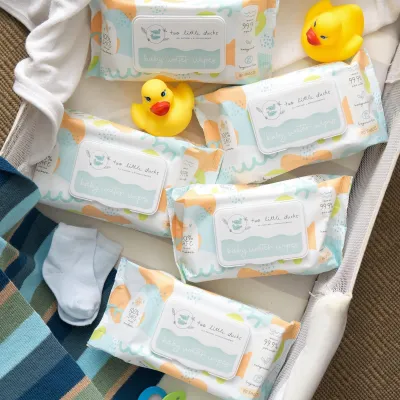
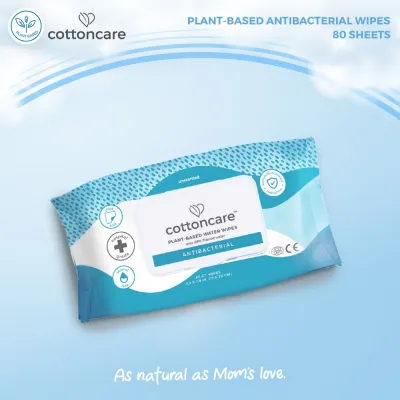
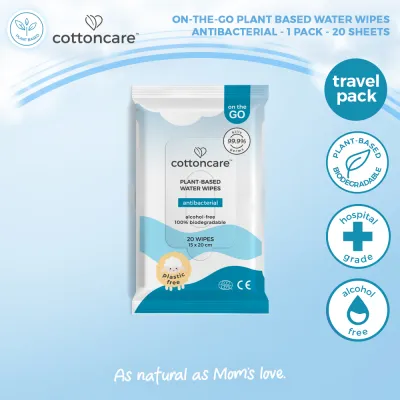
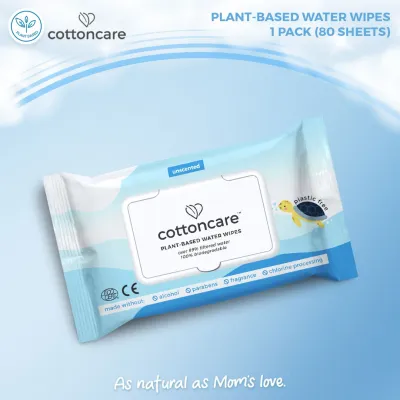
Prices are valid at publication and may change. Please refer to the product page for the latest price.
Irritants to Avoid:
- Alcohol: Specifically denatured alcohol or isopropyl alcohol, which strips natural lipids and causes severe dryness, especially in hot, humid tropical weather.
- Parabens: Synthetic preservatives used to extend shelf life but known to trigger allergic skin reactions in sensitive infants.
- Phenoxyethanol: A common preservative that some pediatric guidelines suggest avoiding for newborns and infants with compromised skin barriers.
- Synthetic Fragrances: Often listed simply as "fragrance" or "parfum," these are complex chemical mixtures and are among the leading causes of skin irritation.
Ingredients to Seek:
- Purified Water: Look for wipes where water (aqua) is the primary ingredient, ideally undergoing multi-stage purification processes.
- Aloe Vera (Aloe Barbadensis Leaf Juice): A natural humectant that helps soothe minor redness and maintains skin hydration.
- Chamomile Extract (Chamomilla Recutita): Known for its mild anti-inflammatory properties, helping to calm irritated skin during diaper changes.
Understanding how to read the International Nomenclature of Cosmetic Ingredients (INCI) list is highly beneficial. Ingredients are listed in descending order of concentration, meaning the first three to five ingredients make up the vast majority of the formula. If you see water listed first, followed by mild plant extracts and food-grade preservatives, the formula is generally gentler than one listing complex chemical compounds near the top.
Verifying Biodegradability and Material Safety
The term “biodegradable” can sometimes be used as a marketing buzzword, a practice known as greenwashing. To ensure a wipe is truly eco-friendly and safe for prolonged skin contact, you must examine the physical material of the cloth itself.

True biodegradable wipes are made from 100% plant-based fibers such as bamboo, organic cotton, or wood pulp-derived viscose. These materials naturally break down over time and are inherently soft and breathable. In contrast, conventional wipes often contain polyester or polypropylene blends. Some products marketed as “degradable” may simply be plastic wipes treated with chemical additives that break them down into microplastics, which persist in the environment and can be abrasive on delicate skin.
To verify eco-claims, look for recognizable third-party certifications on the packaging. These may include the Forest Stewardship Council (FSC) certification for responsibly sourced wood pulp, or the OEKO-TEX Standard 100 certification, which ensures the textile has been tested for harmful substances.
Never flush biodegradable wipes down the toilet, even if the packaging claims they are flushable. The plumbing systems in many households are not designed to handle these materials, leading to severe clogs. Always dispose of them in a waste bin and check the manufacturer’s packaging for specific instructions on material breakdown.
Comparing Wipe Formulations: Which Type Fits Your Baby?
Different skin conditions and diapering scenarios require different wipe formulations. Understanding these categories helps you make an informed choice based on your baby’s current skin needs.
Water-Only Wipes These formulations typically consist of 99% to 99.9% purified water and a single drop of mild fruit extract or food-grade preservative. They are highly recommended for newborns and infants with active eczema or severe diaper rash. Because they lack strong synthetic preservatives, they are highly susceptible to bacterial growth if exposed to heat. In the tropical humidity of the Philippines, you must keep these packs tightly sealed, store them in a cool, dry place away from direct sunlight, and use them within the manufacturer’s recommended timeframe after opening.
Botanical-Infused Wipes These wipes incorporate natural plant extracts like chamomile, calendula, or aloe vera to provide a soothing barrier. They are excellent for daily maintenance of normal to mildly sensitive skin. However, natural does not always mean hypoallergenic. Some babies may have specific allergies to certain plant families, so it is crucial to verify that the botanical extracts are steam-distilled or cold-pressed without the use of harsh chemical solvents.
Textured vs. Smooth Wipes Textured wipes feature raised patterns or embossed designs. They are highly efficient at cleaning up heavy, messy stools with fewer passes, reducing the overall friction on the skin. Smooth wipes provide a flat, uniform surface. They are ideal for light cleanups, wiping hands and faces, or for babies whose skin is so sensitive that any raised texture causes mechanical irritation.
Decision Framework:
- Choose Water-Only Wipes if: Your baby is a newborn, has highly reactive skin, or is currently recovering from a severe diaper rash flare-up.
- Choose Botanical-Infused Wipes if: Your baby has normal to slightly dry skin, and you want an extra layer of moisture and soothing protection during routine diaper changes.
- Choose Textured Wipes if: You want to minimize the number of wipes used per diaper change and reduce the physical rubbing required to clean messy stools.
- Choose Smooth Wipes if: Your baby's skin shows immediate redness from physical friction, or you primarily need wipes for quick, gentle cleanups of hands and face.
Safe Usage and Patch Testing Guidelines
Even when a product is labeled as hypoallergenic, organic, or biodegradable, there is always a small risk of an individual allergic reaction. Introducing a new brand requires a cautious, systematic approach.
Before using a new brand of wipes on your baby’s entire body, perform a simple patch test. Take a single wipe from the new pack and gently swipe it on a small, clean area of your baby’s skin, such as the inner forearm or the thigh. Wait 24 to 48 hours while keeping the area clean and dry. Observe the patch site closely for any changes in texture or color.
Discontinue use immediately if you notice redness, raised bumps, dry patches, swelling, or if your baby shows signs of discomfort, such as scratching or crying when the area is touched. If these symptoms persist or worsen, consult a pediatrician or a pediatric dermatologist for proper medical guidance.
Proper storage is essential to maintain the integrity of eco-friendly wipes. The high humidity and warm temperatures in the Philippines can accelerate the degradation of natural fibers and encourage mold growth in low-preservative wipes. Always store wipe packs in a cool cupboard away from windows. Ensure the plastic lid or adhesive seal is pressed down firmly after every use to prevent the wipes from drying out or becoming contaminated by airborne dust and bacteria.
Frequently Asked Questions (FAQ)
Can I use biodegradable baby wipes on a newborn's face?
Infant facial skin is significantly thinner and more sensitive than the skin on their body. While some biodegradable wipes are formulated to be gentle enough for multi-purpose use, you must strictly check the manufacturer’s packaging for explicit clearance regarding facial use. Avoid wiping near the eyes or mouth unless the label states it is safe to do so. If your baby has eczema or highly reactive skin, stick to a clean, damp cotton cloth with plain water for facial cleanups.
Do biodegradable wipes expire faster than regular wipes?
Yes, biodegradable wipes—especially those formulated for sensitive skin with minimal preservatives—typically have a shorter shelf life than conventional plastic-based wipes. Unopened packs usually last between 12 to 24 months from the manufacture date, but once opened, they should generally be consumed within 3 to 6 weeks. Always locate the expiration or manufacture date printed on the seam of the packaging, and discard any wipes that have developed an unusual odor, discoloration, or have dried out completely.
Community discussion
Share your experience or ask a question. Comments are reviewed before publication.