
Determining whether Gaifeel mosquito patches are safe for your baby requires looking beyond marketing claims and carefully evaluating the specific ingredients, age restrictions, and application methods. Because infant skin and respiratory systems are highly sensitive, no mosquito patch should be assumed universally safe without verifying the manufacturer’s label. This guide helps you assess the product’s suitability, monitor for adverse reactions, and build a comprehensive dengue protection plan for your child.
In tropical environments like the Philippines, where high humidity and frequent rainfall create ideal breeding grounds for dengue-carrying mosquitoes, safeguarding infants is a top priority. While patches offer a hands-off alternative to topical sprays, their safety depends entirely on how they are formulated and applied. Caregivers must take an active role in inspecting packaging and understanding how volatile oils interact with a baby’s developing body.
How to Check Gaifeel Mosquito Patch Ingredients for Baby Safety
The first step in evaluating any baby product is locating and strictly following the manufacturer’s minimum age recommendation printed on the packaging. Many parents assume that because a product is marketed for infants, it is safe for newborns. However, many brands specify a minimum age, such as six months or older, due to the concentration of volatile organic compounds. Using a product on a child younger than the recommended age increases the risk of skin absorption and respiratory irritation. Always check the box for clear age guidelines before purchasing.
Products mentioned in this guide
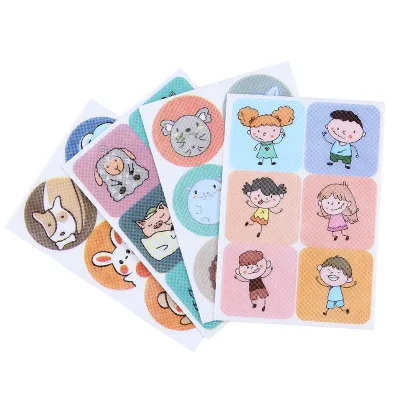
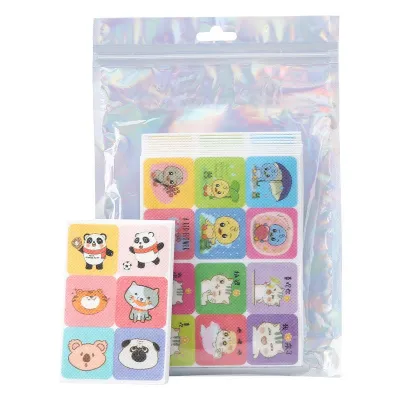
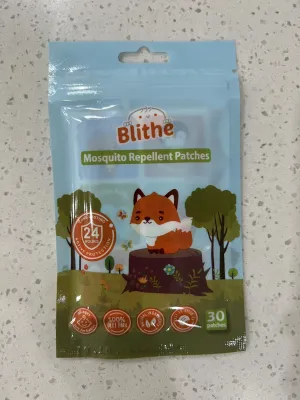
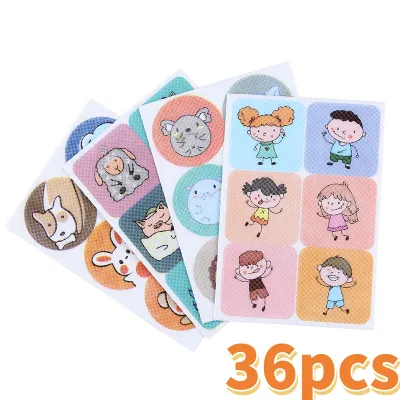
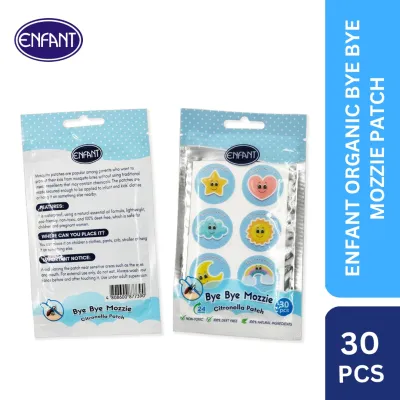
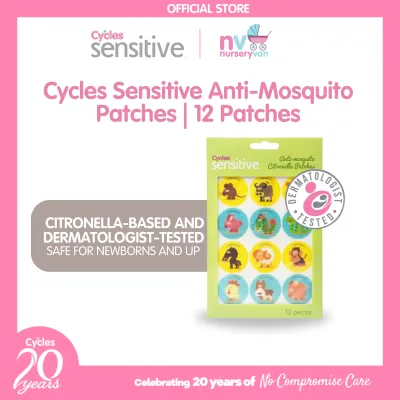
Prices are valid at publication and may change. Please refer to the product page for the latest price.
Next, identify the active ingredients listed on the label. Common active ingredients in mosquito patches include camphor, menthol, eucalyptus, or other concentrated essential oils. While these ingredients are effective at masking the scents that attract mosquitoes, they often carry specific age limits or warnings for infants. Camphor and menthol, in particular, can be highly irritating to a baby’s sensitive airways and should be avoided entirely for very young infants. If the packaging does not list the exact ingredients, do not use the product on or near your child.
It is crucial to rely on the explicit ingredient list rather than assuming safety based solely on “natural,” “herbal,” or “plant-based” marketing terms. Natural essential oils are complex chemical mixtures that can trigger allergic reactions or respiratory distress just as easily as synthetic chemicals if used incorrectly. Always verify the exact botanical names and chemical components listed on the back of the box. If a product does not clearly list its active and inactive ingredients, it is best to err on the side of caution and avoid using it on or near your baby.
Skin and Respiratory Reactions to Monitor
Infant skin is significantly thinner and more permeable than adult skin, making it highly susceptible to localized irritation. Even when a patch is applied to clothing rather than directly to the skin, volatile oils can migrate or accumulate in enclosed spaces like cribs or strollers. Caregivers must closely observe the baby’s skin for signs of contact dermatitis, localized redness, swelling, or hives. This is especially critical if the patch is positioned near bare skin, such as on a collar or sleeve cuff. In warm, humid climates, sweat can also cause the adhesive or oils to run, increasing the risk of skin contact.

Respiratory sensitivity is another major concern. The strong scents that repel mosquitoes rely on rapid evaporation to create a protective vapor barrier. Inhaling these concentrated vapors in a poorly ventilated room or stroller can irritate a baby’s sensitive airways. Watch for immediate respiratory signs such as sudden coughing, sneezing, watery eyes, or labored breathing. If your baby shows any signs of respiratory discomfort, it is a clear indication that the scent is too strong or the area is insufficiently ventilated.
Establish clear stop conditions to protect your baby’s health. If you observe any physical changes, skin irritation, or signs of respiratory discomfort, immediately remove the patch and dispose of it out of the child’s reach. Move the baby to a well-ventilated area with fresh air. Gently wash any skin area that was near or in contact with the patch using mild baby soap and lukewarm water to remove residual oils. If respiratory symptoms do not subside quickly, or if skin irritation spreads, consult a pediatrician immediately.
Safe Application Practices to Minimize Risks
To minimize chemical absorption and physical hazards, proper application is essential. Never apply a mosquito patch directly onto an infant’s skin. The concentrated essential oils can cause chemical burns or severe allergic reactions. Instead, attach the patch securely to the outside of their clothing, or onto external gear such as the canopy of a stroller, the outer frame of a playpen, or crib edges. This creates a barrier while preventing direct contact with the skin.
Maintain a safe distance from the baby’s face and sensory organs. Placing a patch too close to the collarbone, shoulders, or hood can expose the baby to an overwhelming concentration of vapors. Aim for lower body placement, such as the lower back of a shirt, pant cuffs, or the underside of a stroller seat, where the scent can still disperse without directly entering the baby’s breathing zone. This helps prevent accidental inhalation of concentrated vapors.
Physical safety is just as important as chemical safety. Babies are naturally curious and explore their environment by putting objects in their mouths. A loose or easily accessible patch is a serious choking and swallowing hazard. Ensure the adhesive is strong enough to stay put, and always place the patch in a location the baby cannot see or reach, such as between their shoulder blades. Regularly inspect the patch to make sure it has not peeled off or shifted during movement. When disposing of used patches, wrap them securely and place them in a closed trash bin out of reach of children and pets.
Comprehensive Dengue Protection Strategies
While mosquito patches can be a convenient supplementary tool, they should never be relied upon as the sole line of defense against dengue. The protection radius of volatile patches is highly localized, unpredictable, and easily disrupted by wind, humidity, and movement. In tropical environments like the Philippines, where Aedes aegypti mosquitoes are highly active during the day, a multi-layered defense strategy is necessary to keep your baby safe. These mosquitoes are daytime biters, with peak activity hours in the early morning and late afternoon, making vigilance during these times critical.
Prioritize physical barriers as your primary defense. When your baby is sleeping or resting, use properly tucked, fine-mesh mosquito nets over cribs, strollers, and playpens. Ensure window and door screens in your home are secure and free of tears. When going outdoors, dress your baby in lightweight, loose-fitting, long-sleeved shirts and long pants made of breathable fabrics to prevent bites while keeping them cool in the humid climate.
Implement strict environmental management around your home. Aedes mosquitoes breed in clean, stagnant water. Regularly inspect your surroundings and empty, scrub, or cover any containers that collect water, such as flowerpot saucers, buckets, discarded toys, and roof gutters. Eliminating breeding sites at the source is the most effective way to reduce the local mosquito population and protect your family from dengue.
Frequently Asked Questions (FAQ)
Can I use Gaifeel mosquito patches on a newborn?
Newborns under six months have extremely delicate skin and developing respiratory systems, making them highly vulnerable to concentrated scents and chemical exposure. You should not use these patches on a newborn without first checking the manufacturer’s packaging for a specific minimum age limit. Most pediatric guidelines recommend avoiding volatile essential oils and insect repellents in the immediate environment of newborns. Always consult your pediatrician before introducing any scented patches or repellents to your newborn’s clothing or sleeping area.
What should I do if my baby develops a rash near the patch?
If you notice a rash, redness, or bumps near where the patch was applied, take immediate action. Remove the patch and discard it safely. Gently wash the affected skin with mild, fragrance-free baby soap and cool water to remove any lingering oils. Avoid applying over-the-counter anti-itch creams, essential oils, or harsh ointments without consulting a healthcare professional first. Keep the area clean and dry, and seek medical advice if the rash does not improve, spreads, or appears to cause your baby significant discomfort.
Do plant-based mosquito patches guarantee full protection against dengue?
No, plant-based mosquito patches do not guarantee complete protection against dengue. The natural essential oils used in these patches evaporate quickly, meaning their repelling effect decreases rapidly over time, especially in hot and humid tropical conditions. Furthermore, they only provide localized protection near the patch itself, leaving other parts of the body vulnerable. To protect your baby from dengue-carrying mosquitoes, always combine patches with physical barriers like mosquito nets, protective clothing, and environmental controls.
Community discussion
Share your experience or ask a question. Comments are reviewed before publication.