
Selecting the right foldable high chair is a practical milestone for families in the Philippines, where the dining area often serves as the vibrant heart of the home. A quality foldable high chair provides a secure, dedicated space for your baby to explore new textures and flavors during mealtimes, while offering the flexibility to fold down and slide out of sight when dinner is over. Because modern homes—ranging from cozy urban condominiums to bustling multi-generational households—require smart space management, a high chair that is bulky or difficult to store can quickly become a daily frustration. Finding the ideal model involves balancing a compact folded footprint with robust safety features, easy-to-clean materials, and a reliable locking mechanism that stands up to frequent use.
Since there is no single universal winner that suits every family, your decision should be guided by your specific home layout, daily routines, and your child’s developmental stage. By focusing on verifiable manufacturer specifications, safety standards, and practical design elements, you can select a high chair that keeps your little one secure and comfortable while keeping your living space organized and functional.
Assessing Space and Routine Needs for Foldable High Chairs
Before browsing online marketplaces or visiting local baby boutiques, it is essential to evaluate the physical space where your child will eat and where the high chair will be stored. In many Filipino apartments, townhouses, and shared family homes, floor space is highly dynamic. A dining room might transition into a home office during the day, a homework station in the afternoon, and a gathering space in the evening. A high chair with a large, permanent footprint can obstruct high-traffic pathways and make a compact kitchen feel cramped. Assessing your available floor area during active feeding times—and identifying a designated storage nook, such as a closet, a gap beside the refrigerator, or a space behind a door—will help you determine the maximum folded and unfolded dimensions your home can comfortably accommodate.
Products mentioned in this guide
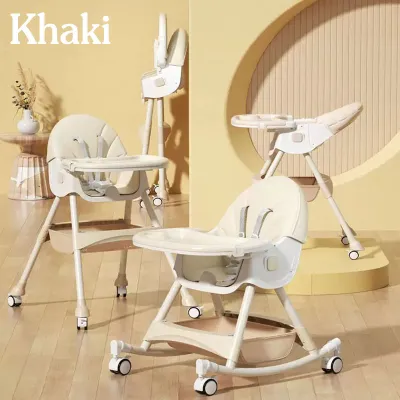
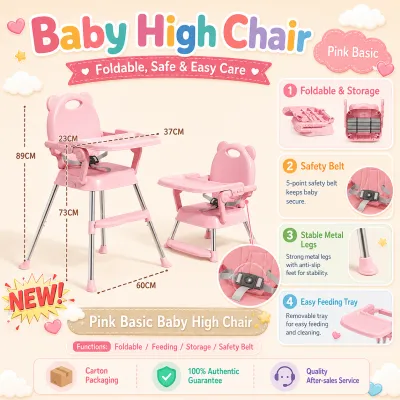
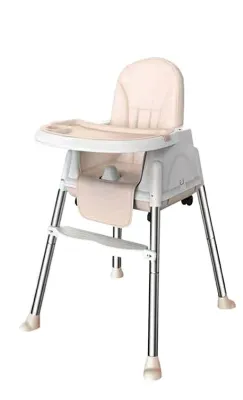
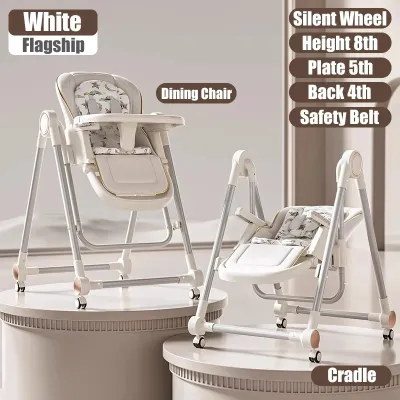
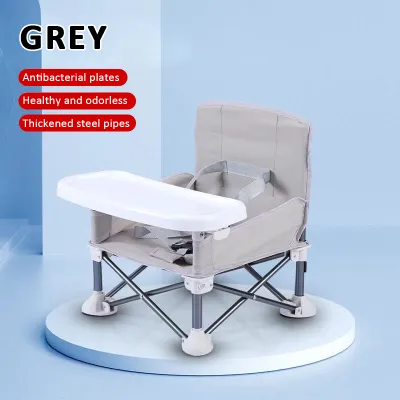
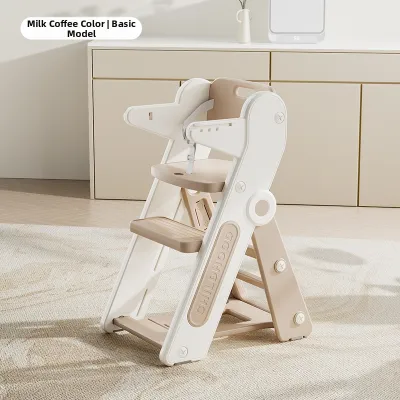
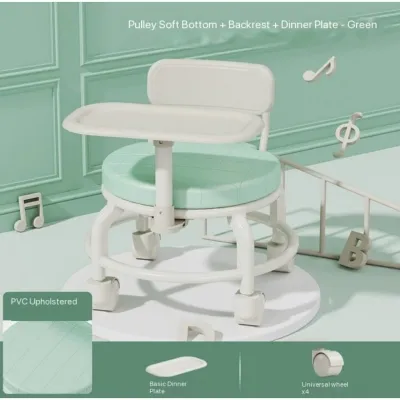
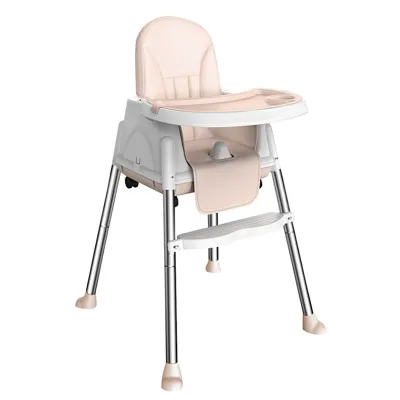
Prices are valid at publication and may change. Please refer to the product page for the latest price.
The convenience of the folding mechanism plays a direct role in how smoothly your daily routine runs. If you feed your child three or more times a day, a high chair that requires complex assembly or multiple steps to fold can quickly become a chore. A model that features a quick, intuitive fold allows you to set up and pack away the chair in seconds, keeping your dining area tidy and multi-functional. Consider who will be operating the chair most frequently; if grandparents or nanny caregivers are primary helpers, a lightweight frame with straightforward folding latches is often more practical than a heavy, overly complex system.
Additionally, think about how your child’s transition from infant feeding to toddler independence will affect your space requirements. Early feeding stages often involve a parent sitting directly in front of the high chair to offer purees, requiring sufficient clearance around the chair for a caregiver’s seat. As your child grows and begins self-feeding, they will likely want to join the family at the main dining table. A foldable high chair that can adjust in height or has a completely removable tray allows you to pull the chair directly up to your dining table, integrating your child into family meals while saving valuable floor space that a separate tray setup would otherwise occupy.
Key Design and Functional Features to Evaluate
When comparing different foldable high chairs, understanding the specific design and functional features will help you narrow down your options to a model that is both easy to use and highly secure. The folding mechanism itself is a primary consideration. Some models offer a one-hand fold, which is incredibly useful when you are balancing a baby on one hip and trying to clear the dining room with your free hand. Other designs fold completely flat, making them ideal for sliding into narrow storage spaces, while umbrella-style folds collapse inward for maximum portability. Evaluate how easily the folding latches engage and whether the chair can stand independently when folded, as self-standing models are much easier to store without leaning them against walls where they might slip and fall.

The harness system is your child’s primary defense against falls, making it a critical feature to inspect. A 5-point harness, which secures the child at the shoulders, hips, and crotch, offers the highest level of restraint and is highly recommended for younger infants who are still developing their sitting balance. As your child grows into a more active toddler, a 3-point harness may provide sufficient security while allowing more freedom of movement, but you should always refer to the manufacturer’s guidelines to determine when it is safe to transition. Look for straps that are easy for a caregiver to adjust and buckle, yet secure enough that a curious toddler cannot easily undo them during a meal.
Tray designs significantly impact the ease of post-meal cleanup. Look for trays with a removable, dishwasher-safe top cover or insert, which allows you to quickly clear away messy food splatters without having to wash the entire tray assembly. Adjustable trays that slide forward or backward help you maintain a snug, comfortable fit against your child’s torso, preventing food from falling into their lap. Some foldable high chairs also feature tray storage pegs on the rear legs, allowing you to store the tray securely with the chair when it is folded.
Finally, always verify the weight capacity limits and age suitability directly from the manufacturer’s specifications. High chairs are engineered to support specific weight ranges and developmental stages, and assuming a chair is suitable based solely on its visual size can compromise safety. Check the product label, packaging, or official user manual to ensure the chair is rated for your child’s current weight and offers enough room for growth, keeping in mind that some lightweight travel models have lower weight thresholds than robust, full-sized traditional models.
Safety Checks and Manufacturer Specifications to Verify
Safety should always be the top priority when selecting any nursery furniture, and foldable high chairs require specific checks to ensure they remain stable and secure during use. Begin by examining the base of the high chair. A safe high chair features a wide, stable footprint that resists tipping, even if an active toddler leans outward or pushes their feet against the edge of the dining table. Look for legs equipped with robust, anti-slip rubber feet or locking caster wheels. If the model has wheels, verify that the brakes lock securely and do not slip on common household flooring surfaces such as ceramic tiles, polished concrete, or smooth vinyl planks.
A critical safety component is the passive restraint system, which typically consists of a physical crotch post. This post, which may be integrated into the underside of the tray or built directly into the seat frame, prevents the child from sliding downward and slipping out under the tray—a dangerous scenario known as submarining. Never rely on the tray alone to keep your child in the seat; the crotch post must work in tandem with a properly adjusted harness to ensure the child remains securely seated throughout the meal.
Before finalizing your purchase, read the product labels and user manuals carefully to verify compliance with recognized safety standards. Look for certifications from established testing bodies, which indicate that the model has undergone rigorous testing for structural integrity, stability, and non-toxic materials. Pay close attention to the manufacturer’s specified developmental milestones; for example, many manuals state that a child must be able to sit upright unassisted before using the high chair.
Lastly, physically inspect the high chair—or carefully review detailed product images if purchasing online—for potential physical hazards. Check for pinch points along the folding joints and hinge mechanisms where small fingers could easily get caught during setup or folding. Ensure that all edges are smooth and rounded, with no exposed metal brackets or sharp plastic seams. Verify that the folding joints feature clear, positive locking indicators, such as a distinct clicking sound or a visible color-coded latch, to confirm that the frame is fully locked in the open position before you place your child inside. Remember that no safety feature replaces active adult supervision; always stay within arm’s reach of your child while they are in the high chair.
Comparing Common Types to Build Your Shortlist
To build a practical shortlist of foldable high chairs, it helps to categorize the available options based on their design philosophy, intended use, and long-term value. Traditional foldable high chairs are the most common choice for dedicated dining spaces. These models typically feature plush, padded seats, large multi-position trays, and multiple height and recline adjustments. While they offer excellent comfort and stability for daily home use, they tend to have a larger folded footprint and are heavier to move around, making them best suited for families who plan to keep the chair in the dining room most of the time.
For families with limited space or those who travel frequently, compact or travel-friendly foldable high chairs offer an appealing alternative. These lightweight models often feature a simplified frame, a highly compact fold, or a booster-style design that straps securely onto a standard adult dining chair. While they excel in portability and are easy to pack into a car trunk for trips to visit relatives, they often involve trade-offs. They may offer less padding, smaller trays, and a narrower base, which requires extra vigilance to ensure they are placed on flat, stable surfaces.
Convertible foldable high chairs represent a versatile option that grows with your child. These models can transition from a traditional high chair to a booster seat, a toddler chair, or even a small table and chair set as your child develops. While they offer excellent long-term value by extending the usable lifespan of the furniture, they are often more complex to fold and may carry a higher upfront cost. In the Philippines, prices for foldable high chairs vary widely across retail channels; budget-friendly basic models can start around ₱1,500, while premium convertible or multi-functional models can exceed ₱8,000 on popular online marketplaces and specialty baby stores.
To help you evaluate these options during your search, use this personalized checklist when inspecting units in-store or browsing online:
- Storage Fit: Does the folded width and height match my designated storage space?
- Harness Security: Is there a secure 5-point harness that is easy for me to buckle but difficult for a child to undo?
- Crotch Post: Does the chair have a physical crotch post integrated into the seat or tray?
- Cleanability: Are the seat cover and straps removable and easy to wipe clean?
- Locking Verification: Are there clear visual or physical indicators that the frame is fully locked open?
- Weight Limit: Does the manufacturer's specified weight limit accommodate my child's projected growth?
Cleaning, Maintenance, and Storage Best Practices
Maintaining a foldable high chair is essential for ensuring hygiene, preserving the integrity of the folding mechanisms, and extending the product’s lifespan. The tropical climate of the Philippines, characterized by high humidity and warm temperatures, creates an environment where mold, mildew, and bacteria can quickly thrive on food residue. Establish a routine cleaning protocol after every meal: wipe down the tray, seat cover, and frame with a mild, baby-safe detergent and warm water. Avoid using harsh chemical cleaners or abrasive scrubbing pads, which can degrade plastic surfaces or wear away protective coatings on metal frames.
Food debris, crumbs, and spilled liquids have a tendency to migrate into the folding hinges, locking joints, and tray adjustment tracks. Over time, this buildup can cause the mechanisms to become stiff, jam, or fail to lock securely. Regularly inspect these moving parts and use a soft brush or vacuum attachment to clear out any trapped debris. If a folding joint feels stiff, never force it open or closed; check for obstructions first, and consult the manufacturer’s manual for approved lubrication or cleaning instructions.
Proper storage is equally important in humid environments. When the high chair is folded and stored away, ensure it is placed in a dry, well-ventilated area away from direct sunlight, which can cause plastic components to become brittle and fade over time. Never store a damp high chair, as trapped moisture can lead to mold growth on fabric straps and seat pads, as well as rust on metal joints. Periodically inspect the chair for signs of wear and tear, such as frayed harness straps, cracked plastic, or loose screws, and discontinue use immediately if any safety-critical component appears compromised.
Frequently Asked Questions (FAQ)
At what age or weight should a baby start using a high chair?
A baby is typically ready to transition to a high chair when they can sit upright independently with minimal support, demonstrate good head and neck control, and exhibit sufficient trunk stability to remain upright throughout a meal. This developmental milestone usually occurs around six months of age, though individual timelines vary. Always consult the manufacturer’s product label or user manual to verify the specific minimum age, weight, and developmental requirements for your high chair model before introducing your baby to it.
Can a foldable high chair be used as a step stool or regular chair later?
Standard foldable high chairs are engineered specifically for feeding and are not safe to use as step stools, play chairs, or climbing toys. Only specific convertible models are structurally designed and certified to transition into secondary configurations like toddler chairs or step stools. If you own a convertible model, you must strictly follow the manufacturer’s conversion instructions, use only the designated parts, and adhere to the specified weight limits for each configuration to prevent structural failure or tipping hazards.
How do I ensure a second-hand foldable high chair is safe?
When evaluating a pre-loved, borrowed, or handed-down foldable high chair, perform a thorough physical inspection before use. Verify that all original components—including the harness straps, buckles, tray, and crotch post—are present, undamaged, and fully functional. Check the frame for hairline cracks, rusted joints, or loose fasteners, and ensure the folding locks engage securely without slipping. Avoid using any second-hand high chair that lacks its original instruction manual, has an unknown recall history, or shows signs of DIY modifications or missing safety labels.
Community discussion
Share your experience or ask a question. Comments are reviewed before publication.