
Foam and silicone wall edge protectors both offer vital baby-proofing benefits, but they serve different household needs. Foam excels in immediate, soft impact absorption for sharp corners, while silicone provides superior durability against biting, picking, and tropical humidity. Choosing between them depends on the specific furniture piece, your toddler’s developmental stage, and the local indoor environment.
In tropical climates like the Philippines, high humidity and heat can affect how these materials perform and how their adhesives hold up over time. Parents must weigh the soft, cushiony feel of foam against the tough, easy-to-clean nature of silicone to create a secure environment for active toddlers. Whether you invest ₱300 or ₱1,500 in home safety, understanding these material differences ensures your baby-proofing efforts actually protect your child from painful bumps and bruises.
Impact Absorption and Safety Standards
Foam edge protectors, typically made from Nitrile Butadiene Rubber (NBR) or Ethylene-Vinyl Acetate (EVA), are highly compressible. When a toddler collides with a foam barrier, the material’s cellular structure collapses under pressure, absorbing and distributing the kinetic energy of the impact. This deep cushioning makes foam highly effective at softening blows from sharp, unforgiving edges like concrete wall corners or low wooden coffee tables.
Products mentioned in this guide
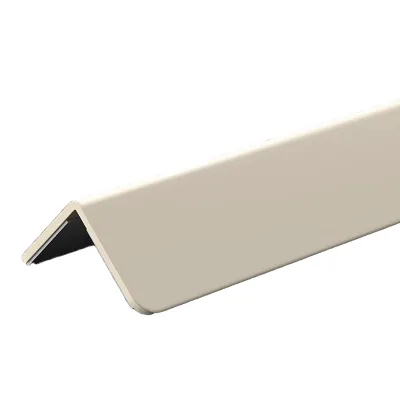
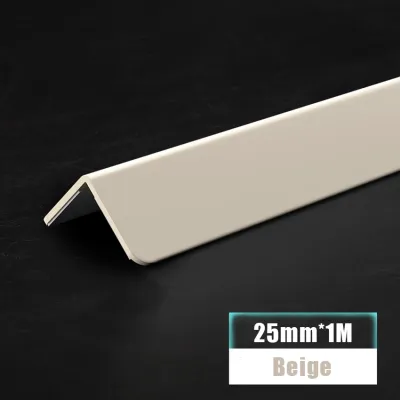
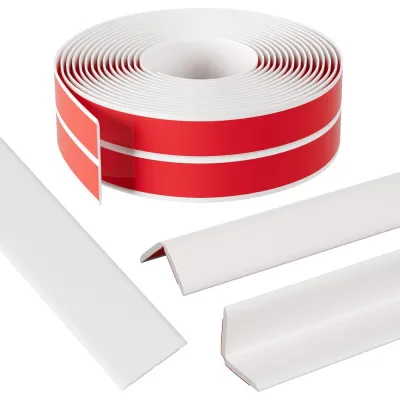
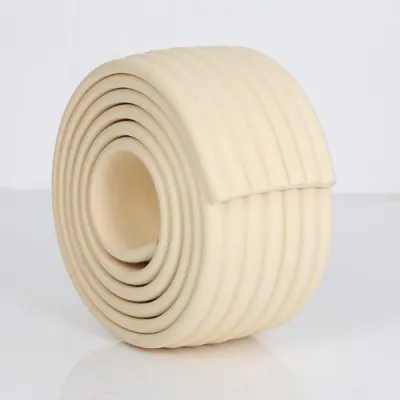
Prices are valid at publication and may change. Please refer to the product page for the latest price.
Silicone is an elastomer, meaning it is much denser and firmer than foam. Instead of compressing deeply, silicone disperses the force of an impact across its rubbery surface. While it prevents a child from making direct contact with a sharp edge, the rebound is firmer than that of foam. It acts more like a protective shield than a soft pillow, making it highly suitable for medium-impact areas where a low-profile guard is preferred.
Because safety standards vary globally, parents must carefully inspect product packaging for non-toxic material certifications. Look for labels indicating the material is free from heavy metals, phthalates, and harmful flame retardants, especially since toddlers frequently touch or mouth these protectors. Verify if the manufacturer has conducted independent material safety tests, which are often detailed on the product insert or the official brand website.
To ensure adequate coverage, measure the thickness of the protector relative to the sharpness of the furniture edge. A razor-sharp glass edge or a hard concrete corner requires a thicker profile to prevent the edge from cutting through the protective material during a high-energy collision. Select a protector that provides complete coverage without leaving gaps where the adhesive might fail or the edge might remain exposed.
Durability and Resistance to Toddler Behavior
Toddlers are naturally curious and often explore their environment by picking, pulling, or even biting household objects. Foam edge protectors, while soft, are highly susceptible to physical damage. A determined toddler can easily pick off small chunks of foam or leave deep bite marks, which compromises the protector’s integrity and creates potential hazards.

Silicone is exceptionally tough and resilient. It resists tearing, stretching, and biting, making it highly durable in homes with active or teething children. Even under constant physical manipulation, silicone maintains its shape and structural integrity, ensuring long-term protection without the need for frequent replacements.
Environmental factors play a significant role in how these materials age. In warm, humid tropical conditions, low-quality foam can degrade faster, becoming brittle, crumbly, or sticky over time. Silicone is highly stable under temperature fluctuations and resists moisture, meaning it will not break down or lose its structural integrity even after years of exposure to humid air or frequent cleaning.
When shopping on an online marketplace or at a local baby store, read the product descriptions carefully for specific claims regarding tear resistance and tensile strength. High-quality silicone protectors often highlight their food-grade status and elastic recovery, while premium foam protectors may specify high-density NBR construction to resist light picking. Always plan to inspect these protectors weekly and replace them immediately if you notice any signs of cracking, peeling, or crumbling.
Cleaning, Maintenance, and Adhesive Residue
Daily maintenance is a key consideration for busy parents. Silicone is non-porous, meaning it does not absorb liquids, oils, or dirt. You can easily wipe it clean with a damp cloth and mild soap, making it highly hygienic for dining tables or play areas where food spills are common.
Foam is inherently porous and can absorb sweat, spilled milk, dust, and cleaning agents. Over time, this absorption can lead to staining, unpleasant odors, or localized bacterial growth if the material is not dried promptly. Cleaning foam requires gentle wiping without saturated moisture, as excess water can seep into the pores and weaken the material.
The adhesive backing is what keeps the protector in place, but it can also pose a risk to your home surfaces. Double-sided acrylic tapes are commonly used for both materials. On painted drywall or delicate wood veneers, strong adhesives can pull off paint chips or varnish upon removal, especially in humid climates where the bond can fuse deeply with the surface coating.
To prevent costly damage to your walls and furniture, always perform a spot test before completing the installation. Use this quick checklist to verify surface compatibility:
- Select an inconspicuous area of the same wall or furniture piece, such as the underside or a back corner.
- Apply a small piece of the provided adhesive tape and leave it in place for at least twenty-four hours.
- Gently peel the tape off to check if it lifts the paint, varnish, or wood grain.
- If damage occurs, consider using a milder, surface-safe adhesive tape or adjusting the placement of the protector.
Decision Framework: Which Material Fits Your Home?
Choosing the right material involves matching the protector to the specific hazards in your home and your child’s current developmental stage.
Choose Foam if:
- You need maximum cushioning for high-impact zones where toddlers are learning to walk, such as low coffee tables, brick fireplace hearths, or concrete wall corners.
- Your child is past the teething stage and is less likely to bite or pick at the protective strips.
- The furniture or wall surface is in a low-moisture area where the porous foam will not absorb spills.
Choose Silicone if:
- You require a low-profile, highly durable solution for high-traffic areas, dining tables, or glass surfaces.
- Your toddler is actively teething, as silicone resists biting and is exceptionally easy to sanitize after meals or playtime.
- You want a long-lasting protector that maintains its appearance and structural integrity in humid environments.
| Feature | Foam Protectors | Silicone Protectors |
|---|---|---|
| Shock Absorption | High (soft, deep compression) | Moderate (firm, rubbery resistance) |
| Durability | Low (prone to tearing and biting) | High (highly resistant to physical wear) |
| Cleaning Ease | Moderate (porous, can absorb liquids) | High (non-porous, wipe-clean surface) |
| Teething Safety | Low (choking hazard if pieces are bitten off) | High (durable, non-toxic, hard to tear) |
| Best Use Cases | Low-traffic sharp corners, brick hearths | High-traffic areas, dining tables, glass |
There are times when standard edge protectors are insufficient. For extremely fragile antique furniture, highly textured plaster walls, or outdoor concrete steps exposed to direct rain, adhesive-based protectors may fail to stick or cause permanent damage. In these cases, rearranging the furniture to block access, using free-standing playpens, or installing soft fabric-wrapped barrier gates may be a safer and more practical alternative.
Installation and Removal Best Practices
Proper adhesion starts with a clean, dry surface. Dust, oil, and moisture are the primary reasons baby-proofing protectors peel off prematurely. Wipe the furniture or wall edge thoroughly with rubbing alcohol or a mild cleaning solution, and allow it to dry completely before applying the adhesive. Avoid using heavy household cleaners that leave a greasy residue, as this will prevent the tape from bonding securely.
Once the surface is dry, apply the adhesive tape to the protector, press it firmly onto the edge, and hold it in place for at least thirty seconds. For the best results, allow the adhesive to cure for twenty-four hours before letting your toddler near it. This curing period is crucial in humid climates, as it allows the bond to fully stabilize without premature stress.
When it is time to remove the protectors, rushing the process can ruin your furniture. Use a hair dryer on a low, warm setting to gently heat the adhesive backing, which softens the glue and makes it easier to peel away. Slowly pull the protector back at a shallow angle, applying a mild adhesive remover or vegetable oil to any stubborn residue if recommended by the manufacturer.
If you are dealing with high-value furniture, custom paint, or delicate wallpaper, stop and consult the manufacturer’s care guidelines before applying any adhesive. Some finishes are highly sensitive to chemical solvents and heat, and taking a moment to verify compatibility can save you from expensive repairs.
Frequently Asked Questions (FAQ)
Are foam edge protectors a choking hazard if my toddler bites them?
Yes, damaged foam edge protectors can pose a serious choking hazard. If a toddler bites or picks off a small piece of foam, they can easily swallow or inhale it. Parents must visually inspect all foam protectors daily for loose pieces, deep bite marks, or peeling edges. If you notice any structural compromise, remove the protector immediately and replace it. Always check the manufacturer’s packaging for age recommendations, safety warnings, and choking hazard disclosures before installation.
Can I use silicone edge protectors on glass tables?
Yes, silicone edge protectors are highly compatible with glass tables due to their flexible, low-profile design. However, the success of the installation depends entirely on the adhesive type rather than the silicone itself. Verify on the product label that the included adhesive is rated for smooth, non-porous surfaces like glass to prevent slippage. If your glass table has special tempered coatings, frosted finishes, or specific manufacturer care instructions, consult the furniture maker before applying any strong adhesives to avoid damaging the surface.
Community discussion
Share your experience or ask a question. Comments are reviewed before publication.