
Deciding when to introduce fluoride toothpaste to a toddler is a common crossroads for parents navigating early oral hygiene. For children under three years old, fluoride toothpaste is generally safe and highly effective at preventing tooth decay, provided it is used in carefully controlled, minimal amounts under direct adult supervision. Because very young children have not yet developed a reliable swallowing reflex, the primary safety concern is the risk of chronic ingestion, which can lead to mild cosmetic changes in developing permanent teeth. Balancing the protective benefits of fluoride against the risks of overexposure requires understanding your child’s specific cavity risk, mastering proper brushing techniques, and selecting products designed specifically for early childhood.
The Role of Fluoride in Kids Toothpaste
Fluoride is a naturally occurring mineral that plays a fundamental role in protecting dental health by strengthening the outer layer of the teeth, known as enamel. When a toddler eats, bacteria in the mouth feed on sugars from food and milk, producing acids that gradually strip away essential minerals from the tooth surface. Fluoride works by redepositing minerals back into the enamel, a process called remineralization, which makes the teeth more resistant to future acid attacks and can even reverse the earliest stages of tooth decay. For toddlers whose primary teeth are still emerging, this mineral protection is crucial for maintaining the structural integrity of their primary teeth, which serve as essential placeholders for their future permanent teeth.
When browsing the baby care aisle of a local supermarket or online marketplace, parents will typically encounter both fluoride and fluoride-free toothpaste options. Fluoride-free toothpastes are designed primarily to assist with the mechanical removal of food particles and plaque through brushing, relying on mild abrasives and pleasant flavors to encourage a positive routine. While these options eliminate any risk associated with swallowing, they do not offer the active mineral defense that fluoride provides. Fluoride toothpaste, on the other hand, actively defends the enamel against decay but introduces the responsibility of managing how much product the child actually consumes.
Products mentioned in this guide

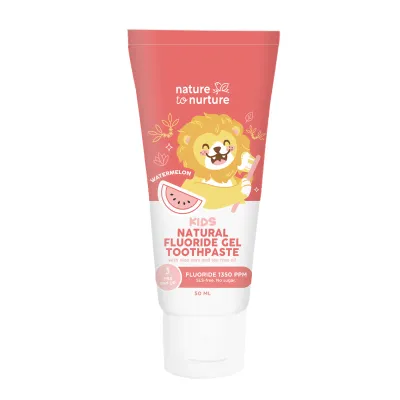
Prices are valid at publication and may change. Please refer to the product page for the latest price.
The transition between these two options is heavily dictated by a child’s physical development, particularly their ability to spit out excess foam. Toddlers under three years old almost universally swallow a significant portion of the toothpaste placed on their brush because their swallowing reflex is highly active and their coordination is still developing. Consequently, the safety profile of fluoride toothpaste in this age group depends entirely on limiting the volume of toothpaste used to a tiny, controlled amount. By understanding this developmental milestone, caregivers can make informed decisions about when and how to introduce active mineral protection safely.
Safety Guidelines for Children Under 3 Years Old
Introducing fluoride toothpaste to a toddler is not a one-size-fits-all decision, as individual dental needs can vary significantly. Pediatric dental professionals evaluate several factors when recommending fluoride for children under three, with the primary consideration being the child’s individual risk of developing cavities. Children who consume sugary snacks, drink sweetened beverages, or have a family history of early childhood caries may benefit from the immediate introduction of fluoride toothpaste. Conversely, for children with exceptionally low risk factors, a dentist might suggest starting with a fluoride-free training toothpaste until the child is slightly older and better able to spit.

To ensure safety, parents must carefully inspect product packaging to verify age-appropriateness and read the manufacturer’s specific usage instructions. Many children’s toothpastes clearly state the recommended age range on the front label, along with guidelines on the exact amount of paste to apply. For toddlers under three, dental associations generally recommend using a tiny smear of toothpaste, often described as no larger than a single grain of rice. This minuscule amount provides sufficient fluoride to protect the teeth while remaining safe even if the toddler swallows the entire portion during brushing.
Active adult supervision is the single most critical factor in preventing accidental overconsumption of fluoride toothpaste. Caregivers should always control the toothpaste tube, apply the correct amount to the brush themselves, and supervise the entire brushing session from start to finish. Allowing a toddler to hold the tube or apply their own toothpaste often results in excessive amounts being used, which increases the risk of ingestion. Brushing should be treated as a collaborative activity where the adult guides the toothbrush to ensure all tooth surfaces are cleaned while keeping a close eye on the child’s reactions.
Because local factors such as water fluoridation levels can vary across different regions in the Philippines, seeking personalized advice from a local pediatric dentist is highly recommended. In some municipalities, tap water may contain natural or added fluoride, which contributes to a child’s overall daily intake, while other areas may rely entirely on unfluoridated bottled or filtered water. A local dentist can assess these environmental factors, examine your toddler’s emerging teeth, and provide a tailored oral hygiene plan that balances systemic fluoride exposure with topical toothpaste application.
Choosing the Right Toothpaste and Brushing Safely
Selecting the right oral care products requires a diligent look at product labels and ingredient lists. When shopping for a toddler’s toothpaste, look for formulations specifically marketed for infants or toddlers, as these products typically feature lower fluoride concentrations compared to standard adult toothpastes. It is essential to check the ingredient list for any potential allergens or artificial additives that you may wish to avoid, and to read all manufacturer warnings regarding swallowing. Avoid purchasing products that lack clear labeling, age recommendations, or ingredient transparency, especially when sourcing items from online marketplaces.
Teaching a toddler how to spit is a gradual process that requires patience, creative techniques, and consistent practice. Since young children learn primarily through imitation, caregivers can demonstrate the spitting action during their own brushing routines, making exaggerated sounds to make the activity engaging. You can also encourage your toddler to practice spitting out plain water into the sink before introducing toothpaste, turning it into a playful game. If your toddler struggles to spit, gently tilting their head slightly forward over the sink during brushing can help gravity naturally pull the excess saliva and foam out of their mouth.
Safe storage of oral care products is a vital preventive measure that is often overlooked in busy households. Many children’s toothpastes are formulated with sweet, fruity flavors like strawberry or bubblegum to make brushing more appealing, which can unfortunately tempt a toddler to eat the toothpaste directly from the tube. To prevent unsupervised access, always store toothpaste tubes in a high cabinet, a locked drawer, or a secure container that is completely out of your child’s reach. Treat toothpaste with the same level of caution as household medications or cleaning supplies, ensuring it is only handled during supervised brushing times.
To complement the chosen toothpaste, it is equally important to select a toothbrush designed specifically for a toddler’s unique oral anatomy. Look for a toothbrush with an ultra-small head that can easily navigate the tight spaces of a young child’s mouth, and ensure the bristles are labeled as extra-soft to protect delicate gums. An ergonomic handle with a non-slip grip is highly beneficial, as it allows caregivers to maintain steady control while brushing their child’s teeth. Replacing the toothbrush every three months, or sooner if the bristles become frayed or after the child recovers from an illness, helps maintain optimal hygiene and cleaning efficiency.
Understanding Dental Fluorosis and Warning Signs
The primary risk associated with the excessive ingestion of fluoride during early childhood is a condition known as dental fluorosis. Fluorosis is a cosmetic change in the appearance of the tooth enamel that occurs when children consume higher-than-recommended amounts of fluoride over an extended period while their permanent teeth are still developing beneath the gums. It is important to note that fluorosis is not a disease and does not affect the overall health or function of the teeth; rather, it is a visual characteristic that ranges from barely noticeable white flecks to more prominent markings on the enamel. Because permanent teeth continue to develop under the gums until around age eight, managing fluoride intake during the toddler years is crucial for preventing these cosmetic changes.
Parents can monitor their child’s emerging teeth for early visual signs of fluorosis, which typically manifest as faint, pearly white lines, streaks, or spots on the surface of the enamel. In very mild cases, these markings are so subtle that only a dental professional can detect them during a routine examination. If you notice any unusual discoloration, chalky white patches, or uneven coloring on your toddler’s teeth, it is best to schedule a consultation with a pediatric dentist. They can determine whether the spots are related to fluoride exposure, early decay, or other developmental factors, and adjust your child’s oral care routine accordingly.
In the event that a toddler accidentally swallows a significant amount of fluoride toothpaste—such as consuming a large portion of a tube left unattended—caregivers should remain calm and take immediate, low-risk steps. Giving the child a glass of milk or a serving of dairy product like yogurt can help, as the calcium in dairy binds to fluoride in the stomach, reducing its absorption into the body. Monitor your child for mild symptoms of stomach upset, such as nausea or mild abdominal discomfort. If you suspect your child has ingested a large quantity of toothpaste, or if they exhibit vomiting or severe lethargy, contact a healthcare professional, visit the nearest medical clinic, or reach out to a local poison control center immediately for guidance.
Frequently Asked Questions (FAQ)
Can I use adult toothpaste for my toddler in an emergency?
Using adult toothpaste for a toddler, even as a temporary measure, is generally not recommended due to the significantly higher concentration of fluoride and the presence of strong flavoring agents. Adult formulations often contain intense mint flavors or whitening agents that can irritate a toddler’s sensitive mouth, cause a burning sensation, and increase the likelihood that they will swallow the product out of discomfort. Additionally, the high fluoride levels in adult toothpaste pose a greater risk of overexposure if swallowed by a young child. If you run out of toddler-specific toothpaste, it is much safer to brush your child’s teeth temporarily using only a clean, damp cloth or a toothbrush moistened with plain water until you can obtain an age-appropriate product.
What should I do if my child swallows a large amount of toothpaste?
If your child manages to consume a substantial amount of toothpaste directly from the tube, your immediate priority should be to minimize its absorption in their digestive tract. Offer your child a glass of milk, a slice of cheese, or a portion of yogurt, as the calcium present in these foods naturally binds with fluoride, helping to neutralize its effects before it enters the bloodstream. Keep a close eye on your child for the next few hours to monitor for signs of systemic distress. If your toddler experiences persistent vomiting, severe abdominal pain, diarrhea, or unusual drowsiness, these are clear warning signs that require immediate medical evaluation at a local hospital or clinic.
When should I schedule my toddler's first dental visit?
According to general pediatric health guidelines, you should schedule your toddler’s first dental visit by their first birthday, or within six months after their very first primary tooth emerges. This early introduction helps familiarize your child with the dental office environment, reducing future anxiety and establishing a positive relationship with oral healthcare. During this initial visit, the pediatric dentist will perform a gentle examination of your child’s mouth, assess their overall cavity risk, and evaluate their fluoride needs based on your local water supply and dietary habits. This visit also provides an invaluable opportunity for caregivers to receive personalized demonstrations on proper brushing techniques and ask questions about toothpaste selection.
Community discussion
Share your experience or ask a question. Comments are reviewed before publication.