
When considering whether Flotera powder is safe for your baby, the most reliable answer begins with a careful inspection of the product packaging and a direct consultation with your pediatrician. Because every infant’s digestive system and immune profile develop at a unique pace, a supplement that is suitable for one baby may not be appropriate for another. In tropical climates like the Philippines, where high humidity and ambient temperatures can rapidly affect the stability of powdered supplements, understanding how to evaluate, store, and administer these products is essential for your child’s well-being. Parents must look beyond brand popularity and focus on verifiable product labels, ingredient lists, and professional medical guidance to make an informed decision.
Assessing Age and Health Suitability for Flotera Powder
Before introducing any new powder or supplement into your baby’s daily routine, you must verify the manufacturer’s explicit age and weight recommendations. Infant supplements are formulated with specific developmental stages in mind, and administering a product designed for older toddlers to a newborn or young infant can strain their developing kidneys and metabolic pathways. Always locate the age-suitability statement on the outer carton or the enclosed leaflet. If the packaging does not clearly state that the product is formulated for your baby’s exact age bracket, do not assume it is safe to use.
Understanding how the product is classified is another critical step in assessing its suitability. In many markets, including the Philippines, products like Flotera powder may be classified as dietary supplements rather than registered medical treatments. This classification means the product is intended to support general health rather than diagnose, treat, or cure specific medical conditions. Because dietary supplements do not undergo the same pre-market approval processes as prescription pharmaceuticals, parents must exercise extra diligence. You should verify whether the product has been registered with local regulatory bodies, such as the Food and Drug Administration, by checking for registration numbers on the label or consulting official public databases.
Products mentioned in this guide

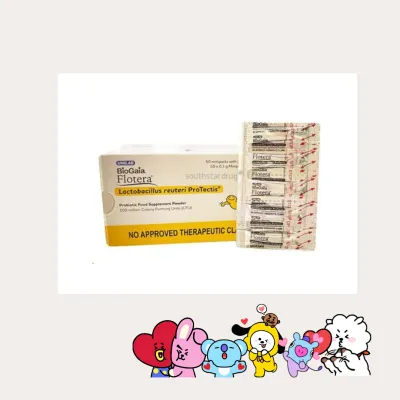
Prices are valid at publication and may change. Please refer to the product page for the latest price.
Additionally, you must carefully scan the packaging for explicit contraindications or health warnings. Some infant powders are strictly contraindicated for babies with compromised immune systems, central venous catheters, or severe pancreatic dysfunction. If your baby has recently undergone surgery, has a chronic illness, or is hospitalized, the introduction of any dietary supplement carries heightened risks. Never bypass these warnings, and always treat any listed contraindication as an absolute barrier to use until you have obtained explicit clearance from a qualified pediatric specialist.
Decoding the Label: Dosage, Ingredients, and Storage
Accurate dosage and preparation are paramount when administering powdered supplements to infants. The product label will outline the precise quantity of powder to be used and the specific volume of liquid required for dilution. Deviating from these instructions by adding too much powder can lead to over-concentration, which may overwhelm your baby’s digestive tract and lead to dehydration or electrolyte imbalances. Conversely, under-diluting the powder by adding too much liquid can dilute essential nutrients and prevent your baby from receiving the intended serving. Always use the measuring scoop provided in the package rather than standard household spoons, which vary widely in size and volume.

The ingredient list is your primary tool for identifying potential allergens and additives that might trigger a reaction in a sensitive infant. Carefully review the label for common allergens such as dairy derivatives, soy, gluten, or yeast. Some powders may contain excipients, binders, or flavoring agents that are unsuitable for very young infants. If your baby has a known sensitivity or a family history of severe allergies, verifying the source of every ingredient on the label is a necessary precaution. If the label is unclear or uses complex chemical names, contact the manufacturer or consult your pediatrician before opening the seal.
Proper storage is especially critical in warm, humid tropical environments. High humidity can cause powders to clump, which not only makes accurate measurement difficult but can also introduce moisture that encourages bacterial growth or degrades active ingredients. Check the packaging for specific storage temperature limits and humidity warnings. In many households across the Philippines, storing supplements in a cool, dry place away from direct sunlight is necessary, but you must verify whether the manufacturer recommends refrigeration after opening. When purchasing the product, verify that the retail price in ₱ aligns with authorized pharmacy rates to avoid counterfeit goods, and always inspect the tamper-evident seal before your first use; if the outer plastic wrap is torn, the foil seal is punctured, or the cap is loose, discard the product immediately to prevent contamination.
Side Effects to Monitor and When to Stop Use
While many infants tolerate dietary supplements well, parents must remain vigilant for any adverse reactions during the initial days of introduction. Gastrointestinal changes are among the most common responses to a new dietary powder. You should closely monitor your baby’s stool consistency, color, and frequency. A mild, temporary adjustment period may occur, but persistent bloating, excessive gas, or unusual fussiness during or after feedings are signs that the supplement may not agree with your baby’s digestive system. Keep a daily log of your baby’s feeding patterns and bowel movements to help identify any clear correlations with the supplement.
Allergic reactions require immediate and decisive action. Carefully inspect your baby’s skin for signs of hives, redness, or sudden rashes, particularly around the mouth, face, or diaper area. Pay close attention to any swelling of the lips, tongue, or eyelids, as well as any changes in their breathing patterns, such as wheezing or rapid, shallow breaths. Even mild skin irritation should be treated as a warning sign that warrants pausing the supplement until a healthcare professional can evaluate the symptoms.
Establishing clear stop-use conditions helps protect your baby from prolonged discomfort or complications. If your baby experiences persistent vomiting, severe diarrhea, or displays signs of abdominal pain that do not resolve quickly, discontinue the powder immediately. When you stop using the product, make sure to save the original packaging, including the batch or lot number and the expiration date. This information is vital if you need to report an adverse event to the manufacturer or if your pediatrician needs to investigate a potential product quality issue or recall.
Medical Red Flags: When to Consult Your Pediatrician
There are several scenarios where introducing a supplement like Flotera powder should never be done without prior pediatric approval. If your baby was born prematurely, had a low birth weight, or spent time in a neonatal intensive care unit, their digestive and immune systems are exceptionally fragile. These infants require highly customized nutritional plans, and introducing an unapproved powder can disrupt their delicate balance. Similarly, babies with diagnosed metabolic disorders, congenital heart defects, or chronic digestive conditions must have every supplement cleared by their primary care physician.
Drug and nutrient interactions are another critical area of concern. If your baby is currently taking prescribed medications, receiving specialized therapeutic formulas, or consuming other vitamin drops, adding a new powder can lead to dangerous interactions or accidental nutrient toxicity. For example, some specialized formulas already contain high levels of specific vitamins or minerals, and adding a supplement could exceed the safe daily upper limits for an infant. Bring all current medications, formulas, and supplements to your next pediatric appointment so your doctor can review the cumulative intake.
You must seek immediate medical attention if your baby exhibits severe symptoms after consuming the powder. Watch for signs of dehydration, which in infants can manifest as a dry mouth, crying without tears, fewer wet diapers than usual, or a sunken soft spot on the head. Extreme lethargy, where the baby is unusually difficult to wake or does not respond normally to your voice or touch, is a medical emergency. If you observe these symptoms, or if your baby develops a high fever or difficulty breathing, bypass routine consultations and proceed directly to the nearest emergency medical facility.
Frequently Asked Questions (FAQ)
Can I mix the powder with breast milk or formula?
Before mixing any supplement powder with breast milk or prepared infant formula, you must consult the manufacturer’s official preparation guidelines. Some powders are highly sensitive to temperature, and mixing them with warm or hot liquids can destroy the active ingredients or alter the nutritional profile. If the label permits mixing, ensure that the breast milk or formula has cooled to room temperature or the temperature specified by the manufacturer. Never alter the standard ratio of water to formula powder recommended by your formula manufacturer to accommodate a supplement, as this can lead to dangerous nutritional imbalances.
What should I do if I miss a dose or give too much?
If you miss a scheduled dose of the powder, do not double the next dose to compensate. Doubling the dose can overwhelm your baby’s digestive system and lead to acute gastrointestinal distress. Simply skip the missed dose and resume your regular schedule at the next designated time. In the event of an accidental overdose—such as administering multiple doses in a single day or mixing the powder too thickly—contact your pediatrician or a local poison control center immediately. Keep the product packaging in hand when you call so you can read the exact ingredient list and concentration details to the medical professional.
Community discussion
Share your experience or ask a question. Comments are reviewed before publication.