
Choosing the right baby powder is essential for keeping your little one comfortable, especially in tropical climates where heat and humidity are constant factors. The Fissan baby powder lineup offers three distinct options: Regular, Milk & Honey, and Prickly Heat. Each variant is formulated to address specific skin conditions, from daily moisture control to soothing dry patches or cooling down active heat rashes.
To make the right choice, you must evaluate your baby’s current skin condition, the daily temperature, and any specific sensitivities. This guide breaks down the differences between these three variants, helping you select the ideal match for your baby’s comfort and skin health.
Quick Guide: Which Fissan Variant Fits Your Baby's Needs?
Selecting the right powder depends on observing your baby’s skin and matching it to the immediate environment. A quick assessment of their daily activity and the current weather can guide you to the most effective variant.
Products mentioned in this guide
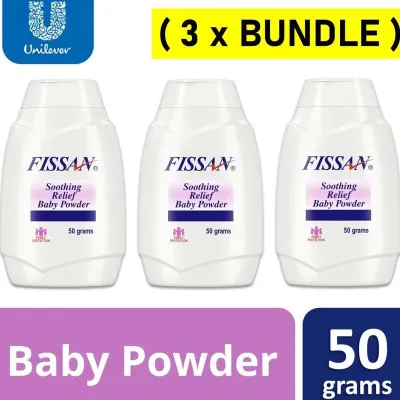
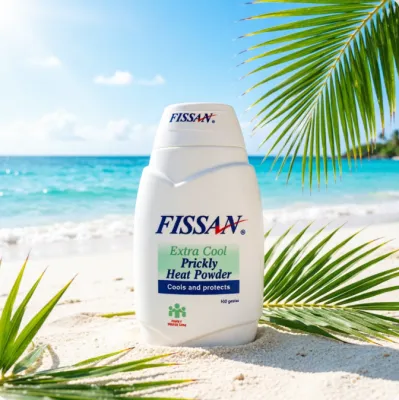
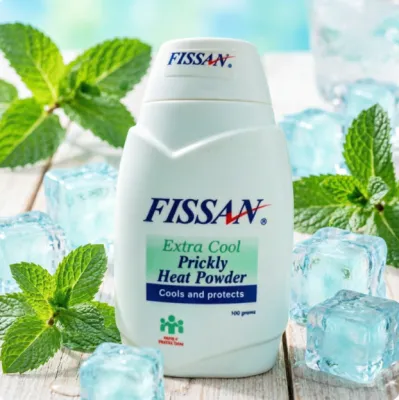
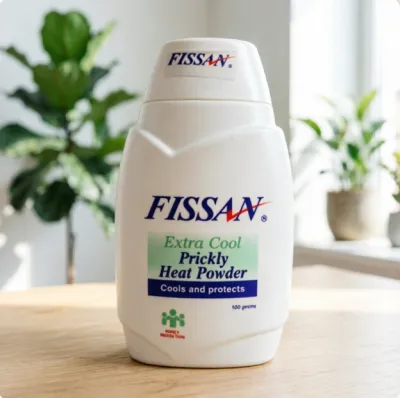
Prices are valid at publication and may change. Please refer to the product page for the latest price.
Choose Fissan Regular if your baby has normal skin and you need a reliable daily powder to absorb excess moisture. This variant is ideal for routine use after bath time to minimize friction in areas prone to chafing, such as the thighs and underarms.
Choose Fissan Milk & Honey if you notice dry patches or if the weather is cooler and less humid. This option is designed to provide mild moisturizing support, helping to keep the skin soft while still offering gentle moisture absorption.
Choose Fissan Prickly Heat during hot, humid days or when your baby shows early signs of heat rash, such as tiny red bumps in areas where sweat accumulates. This variant focuses on cooling the skin and relieving the discomfort associated with heavy sweating.
Before applying any variant, always check the product packaging to verify the recommended age suitability. Carefully read the ingredient list to ensure there are no components that might trigger an allergic reaction in your baby.
Breaking Down the Three Fissan Baby Powder Variants
Each variant in the Fissan lineup serves a distinct purpose in a baby’s daily skincare routine. Understanding these differences helps you avoid using the wrong product for your baby’s specific skin state.

The Regular variant is the classic choice for everyday maintenance. Its primary function is to absorb sweat and reduce friction in high-contact areas like the diaper line, neck folds, and armpits. By keeping these areas dry, it helps prevent the chafing that often occurs from movement and diaper wear.
The Milk & Honey variant shifts the focus toward skin conditioning. While it still absorbs excess moisture, it incorporates ingredients intended to soothe and hydrate the skin barrier. This makes it highly suitable for babies who experience occasional dryness or whose skin feels slightly rough to the touch.
The Prickly Heat variant is specifically formulated for high-temperature environments where sweat glands can easily become blocked. It contains cooling agents designed to soothe active skin irritation and provide immediate relief from the itching and burning sensations of heat rash.
Because product formulations can change over time or vary by manufacturing batch, always inspect the physical bottle. Checking the active ingredients on the back label ensures you know exactly what is coming into contact with your baby’s delicate skin.
How to Assess Your Baby's Skin and Environment
Making an informed decision requires a close look at both your baby’s physical condition and the environment they spend their day in. A product that works well during a cool rainy season might not be sufficient during a dry, hot summer.
Start by examining your baby’s skin during diaper changes and bath times. Look for signs of dryness, such as flaking or rough patches, which suggest a need for moisturizing support. Conversely, look for clusters of small red bumps in the skin folds, which indicate sweat retention and the early stages of prickly heat.
Environmental factors play a massive role in how baby skin behaves. High humidity levels in tropical regions like the Philippines mean sweat evaporates slowly, increasing the risk of skin irritation. If your home lacks air conditioning or if your baby is highly active and sweating constantly, a cooling and highly absorbent powder is often necessary.
Always review the ingredient list on the packaging to identify potential allergens. If your baby has a history of sensitive skin or eczema, introduce any new powder gradually and monitor the application site for any adverse reactions.
It is equally important to recognize when baby powder is not appropriate. Never apply powder to open wounds, weeping rashes, or areas showing signs of fungal or bacterial infection. In these situations, applying powder can trap moisture and bacteria, worsening the condition.
Side-by-Side Comparison of Regular, Milk & Honey, and Prickly Heat
To help you finalize your choice, this comparison matrix outlines the primary focus, ideal skin conditions, and key scenarios for each Fissan variant. Use this table as a baseline guide before verifying the details on the physical product packaging.
| Variant | Primary Focus | Ideal Skin Condition | Best Climate or Scenario | Key Label Checks |
|---|---|---|---|---|
| Regular | Moisture absorption and friction reduction | Normal, healthy skin | Daily use, moderate temperatures | Age recommendations and basic talc/starch base |
| Milk & Honey | Skin conditioning and mild hydration | Dry or slightly rough skin | Cooler days, air-conditioned rooms | Added moisturizing agents and fragrance allergens |
| Prickly Heat | Cooling relief and sweat management | Irritated, red, or sweat-bumped skin | Hot, humid weather, high activity | Active cooling ingredients and age limits |
Use this matrix to match your baby’s immediate needs with the correct bottle. Keep in mind that prices and stock availability can vary across local physical stores and online marketplaces, so it is best to check current listings when planning your purchase.
Safe Application Steps and When to Stop Use
Even the highest quality baby powder must be applied with care to ensure your baby’s safety. Proper application techniques minimize the risk of accidental inhalation and localized skin irritation.
To apply the powder safely, never sprinkle it directly onto your baby’s body from the bottle. Instead, shake a small amount of powder into your own hands, keeping the bottle well away from your baby’s face. Gently rub your palms together to distribute the powder and prevent a large dust cloud from forming.
Once the powder is settled on your hands, pat it gently onto your baby’s clean, completely dry skin. Focus on areas prone to moisture buildup, such as the neck folds, underarms, and the outer diaper line. Avoid applying powder directly to the face, nose, mouth, or genital areas to prevent irritation and inhalation.
Monitor your baby closely during and after application. If you notice any signs of respiratory discomfort, such as coughing, wheezing, or shallow breathing, discontinue use immediately and seek medical attention. You should also stop using the product if you observe worsening redness, swelling, or signs of an allergic reaction.
Store the powder bottle in a cool, dry place with the cap tightly sealed to prevent moisture from clumping the powder. Always keep the container out of reach of children to avoid accidental spills or inhalation incidents.
Frequently Asked Questions (FAQ)
Can I use Fissan Prickly Heat powder on a newborn?
You should always check the manufacturer’s packaging for explicit age recommendations before using specialized powders on a newborn. Newborn skin is exceptionally thin and sensitive, making it highly reactive to cooling agents or active ingredients. It is highly recommended to consult your pediatrician before applying any medicated or cooling powders to an infant under six months of age.
Is it safe to use baby powder every day?
Daily use can be safe if done with proper precautions and in moderation. Ensure your baby’s skin is thoroughly washed and completely dry before applying any powder, as applying it to wet skin can cause the powder to clump and trap moisture, leading to irritation. Always apply the powder away from the baby’s face to prevent them from breathing in the airborne particles.
What should I do if my baby's heat rash does not improve?
If your baby’s heat rash does not improve after a few days of keeping the skin cool and dry, or if it shows signs of infection like pus, increased swelling, or warmth, stop using the powder immediately. Baby powders are designed for comfort and prevention rather than treating active medical infections. Consult a pediatrician promptly to obtain an appropriate medical treatment plan.
Community discussion
Share your experience or ask a question. Comments are reviewed before publication.